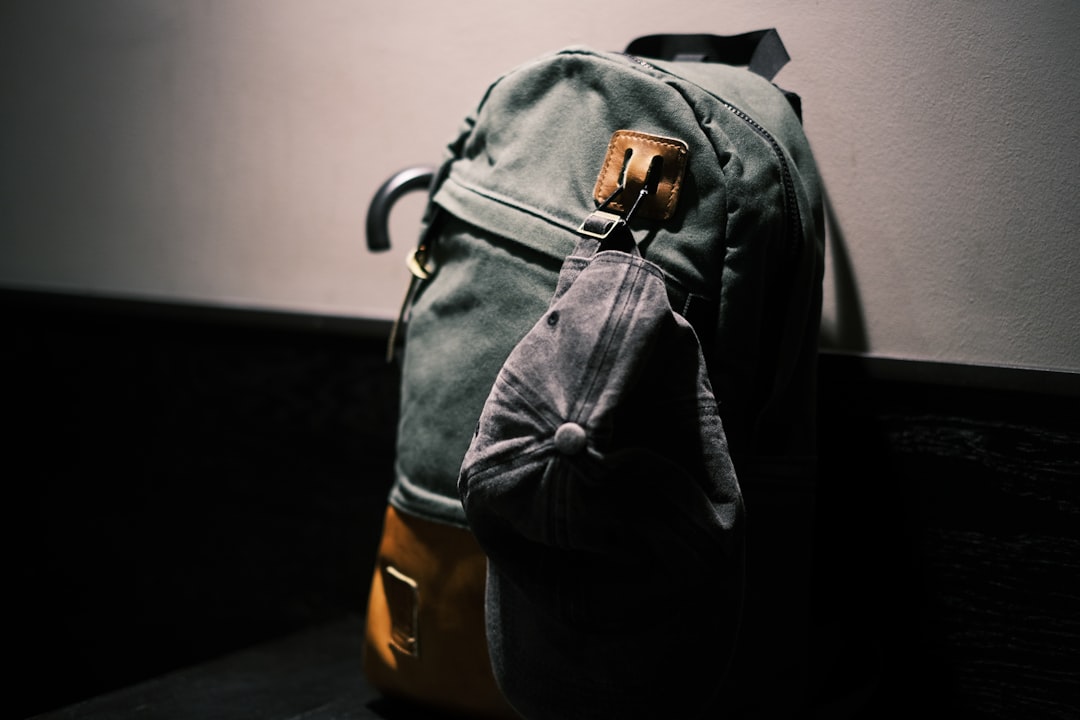
Your backpack is your trusted companion on countless adventures, carrying everything from daily essentials to expedition gear. Over time, however, dirt, sweat, and grime can accumulate, impacting its appearance, hygiene, and even its longevity. Knowing how to properly clean your backpack is crucial for maintaining its performance and extending its lifespan. This guide provides a comprehensive approach to washing your backpack, ensuring it remains in top condition for all your future journeys.
| Cleaning Method | Water Temperature | Detergent Type | Key Steps | Drying Method | Best For |
|---|---|---|---|---|---|
| Hand Washing (Recommended) | Lukewarm | Mild, non-bleach, fragrance-free (e.g., technical gear wash, castile soap) | Empty, shake out debris, spot-treat stains, submerge, soak, gently scrub, rinse thoroughly | Air dry in shade, well-ventilated area; never use heat or direct sun | All backpack types, especially those with delicate materials, frames, or coatings |
| Machine Washing (Conditional) | Cold or Lukewarm | Mild, non-bleach, fragrance-free | Check care label; use mesh bag, gentle cycle, no bleach, secure zippers/buckles | Air dry in shade, well-ventilated area; never use heat or direct sun | Durable packs explicitly permitted by care label for machine washing |
Why Washing Your Backpack Matters
Regularly cleaning your backpack is more than just an aesthetic choice; it’s essential for its overall health and functionality. Over time, abrasive dirt and sweat can break down the fabric fibers and compromise the integrity of seams, leading to premature wear and tear. Furthermore, accumulated moisture and organic matter can become a breeding ground for bacteria and unpleasant odors, making your pack unhygienic and uninviting.
Proper cleaning also ensures that the functional components of your backpack, such as zippers, buckles, and any water-repellent coatings, continue to operate effectively. Grit and grime can cause zippers to stick or break, and dirt can degrade the performance of specialized finishes. By dedicating time to cleaning, you are actively preserving your investment and ensuring your backpack remains a reliable piece of gear for years to come.

Preparation: The Crucial First Steps
Before you begin the washing process, thorough preparation is key to a successful and safe cleaning. This initial stage ensures that you remove loose debris, address specific issues, and protect any sensitive parts of your backpack.
Emptying and Debris Removal
The first and most critical step is to completely empty your backpack. Check every pocket, compartment, lid, and even hidden sleeves. Remove all contents, including small items like pens, coins, or wrappers that can be easily overlooked. Once empty, turn the backpack upside down and shake it vigorously to dislodge any loose dirt, sand, or debris. For stubborn particles, especially in seams and crevices, a vacuum cleaner with a brush attachment can be very effective.
Spot-Treating Stains
Identify any specific stains on your backpack. For most common stains, a small amount of your chosen mild detergent applied directly to the spot can work wonders. Gently rub the detergent into the stain with a soft cloth or an old toothbrush. For tougher stains, a paste made from baking soda and water can be applied and left to sit for 10–30 minutes before proceeding with the wash. This targeted approach helps to lift stains without requiring aggressive scrubbing of the entire pack.
Checking the Care Label
Always consult the backpack’s internal care label before washing. This tag provides manufacturer-specific instructions regarding water temperature, detergent types, and whether machine washing is permissible. If the care label is missing or unreadable, it is always safest to default to the hand-washing method, as it is the least likely to cause damage. Packs with integrated frames, delicate coatings, or those labeled “spot-clean only” should never be machine washed.

Hand Washing: The Safest and Most Recommended Method
Hand washing is the universally recommended approach for cleaning backpacks, as it offers the most control and is the gentlest on materials, seams, and coatings. This method is suitable for virtually all types of backpacks and is essential for preserving their structural integrity and water-repellent properties.
The Washing Process
Begin by filling a bathtub, large sink, or bucket with lukewarm water. Avoid using hot water, as it can degrade adhesives and damage synthetic fabrics. Add a small amount of mild, non-bleach, and fragrance-free detergent. Specialty technical gear washes or castile soap are excellent choices, as they are formulated to be gentle on outdoor fabrics and coatings. Avoid detergents containing optical brighteners or fabric softeners, which can harm the backpack’s DWR (Durable Water Repellent) finish.
Submerge the backpack in the soapy water and let it soak for 15 to 30 minutes to allow the water and detergent to penetrate the fabric and loosen dirt. After soaking, use a soft-bristled brush or a sponge to gently scrub the exterior and interior surfaces. Pay close attention to heavily soiled areas, seams, and straps. An old toothbrush is ideal for cleaning zippers and tight corners.
Thorough Rinsing
Rinsing is a critical step to ensure no detergent residue remains, which can attract dirt and degrade materials over time. Drain the soapy water and refill the container with clean, cool water. Submerge the backpack again and gently agitate it to rinse out the soap. Repeat this rinsing process at least two to three times, or until the water runs completely clear and no suds are visible. Gently squeeze the fabric to help release trapped water and soap. Ensure all pockets and compartments are thoroughly rinsed out.

Machine Washing: A Cautious Alternative
While hand washing is preferred, some durable backpacks may be suitable for machine washing if the care label explicitly permits it. This method should only be considered for packs that are designed to withstand the rigors of a washing machine and lack delicate components.
When Machine Washing is Permissible
Before considering machine washing, meticulously check the care label. If it indicates that machine washing is acceptable, proceed with extreme caution. Backpacks with integrated aluminum frames, delicate coatings, leather accents, or electronic components should never be machine washed, as these can be easily damaged. If you have any doubt, always opt for hand washing.
Machine Washing Settings and Precautions
If your backpack is deemed machine washable, use the gentlest cycle available, such as “delicate” or “hand wash.” Select cold or lukewarm water and avoid hot temperatures. It is crucial to place the backpack inside a large mesh laundry bag or a sturdy pillowcase. This protective layer helps prevent straps, buckles, and zippers from snagging on the washing machine’s drum and reduces overall abrasion. Ensure all zippers are closed and buckles are secured before placing the pack in the bag.
Never use bleach or fabric softener in the washing machine, as these chemicals can damage the fabric and compromise its water-repellent properties. After the wash cycle is complete, remove the backpack immediately to prevent it from sitting in residual water.

Drying Your Backpack Properly
The drying process is just as vital as washing. Improper drying can lead to mildew, unpleasant odors, and damage to the backpack’s materials and adhesives. Patience and the right technique are essential.
Air Drying is Key
The best and safest method for drying your backpack is air drying. After gently squeezing out excess water (do not wring, as this can stretch or damage the fabric), hang the backpack upside down by its grab handle or place it on a drying rack. Ensure all pockets, compartments, and zippers are open to allow for maximum air circulation both inside and out. You can loosely stuff the interior with clean, dry towels to help absorb moisture and maintain the pack’s shape.
Avoiding Heat and Direct Sunlight
It is imperative to avoid using any form of direct heat to dry your backpack. Never place it in a clothes dryer, use a hairdryer, or leave it in direct, intense sunlight for extended periods. High temperatures can melt synthetic fabrics, damage plastic components like buckles, and degrade the backpack’s waterproofing. Prolonged exposure to UV rays from the sun can also fade colors and weaken materials over time. Allow the backpack to air dry naturally in a shaded, well-ventilated area, which may take 24 to 48 hours or longer depending on the size of the pack and ambient humidity.
Post-Wash Care and Maintenance
Once your backpack is thoroughly dry, there are a few additional steps you can take to ensure it remains in optimal condition and ready for your next adventure.
Reapplying DWR Treatment
Over time and with regular use, the Durable Water Repellent (DWR) finish on your backpack can wear off, reducing its ability to shed water. If you notice that water is no longer beading up and rolling off the fabric but instead soaking in, it’s time to reapply a DWR treatment. You can purchase specialized DWR sprays designed for outdoor gear. Follow the product’s instructions carefully, typically involving spraying the treatment evenly onto the clean, dry exterior fabric and allowing it to cure. This process should be done every few years, depending on how frequently you use your backpack.
Checking and Lubricating Zippers
While cleaning, pay attention to the condition of your zippers. Ensure they are free of dirt and debris. After washing and drying, you can apply a zipper lubricant, such as silicone-based products or even a bit of wax, to ensure smooth operation. This simple maintenance step can prevent zippers from sticking or becoming damaged, prolonging their usability.
Frequently Asked Questions
Can I use a regular laundry detergent?
It is best to avoid regular laundry detergents, especially those containing bleach, fabric softeners, or optical brighteners. These chemicals can degrade the DWR coating and damage the fabric fibers of your backpack. Opt for a mild, fragrance-free detergent specifically designed for technical gear or a gentle soap like castile soap.
How often should I wash my backpack?
The frequency of washing depends on how often and in what conditions you use your backpack. For heavily used packs, a thorough cleaning once or twice a year is generally recommended. For lighter use, you might only need to wash it every few years or when it becomes visibly dirty or develops odors.
What if my backpack has a removable frame?
If your backpack has a removable frame, you can usually remove it before washing. This makes the pack lighter and easier to clean thoroughly. Always check the manufacturer’s instructions for specific guidance on frame removal and reinstallation.
Can I use a pressure washer to clean my backpack?
No, you should never use a pressure washer to clean your backpack. The high-pressure water can damage the fabric, seams, coatings, and zippers, potentially causing irreparable harm to the pack.