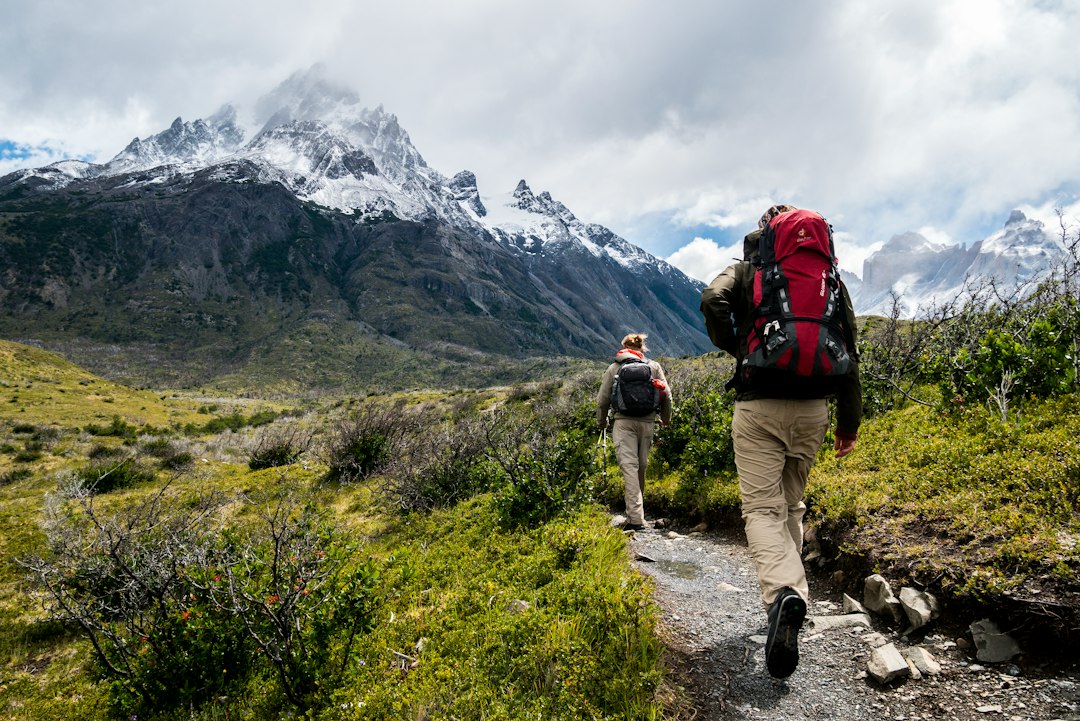
The United States boasts an unparalleled network of national parks, each offering unique geological wonders and diverse ecosystems ripe for exploration. For the avid hiker, these parks present a spectrum of challenges and rewards, from towering granite peaks to serene, untouched wilderness. Selecting the ultimate hiking destinations requires evaluating trail variety, scenic grandeur, accessibility, and the overall experience offered. This guide aims to highlight the premier national parks for hiking in 2026, focusing on parks that consistently deliver exceptional experiences for all levels of hikers.

Quick Picks: Top National Parks for Hiking in the US
While many national parks offer superb hiking, a select few stand out for their exceptional trail systems, breathtaking landscapes, and commitment to preserving natural beauty. These parks are consistently ranked among the Best for hikers seeking everything from strenuous climbs to gentle nature walks.
| National Park | Key Features | Best for | Iconic Trail Examples | Difficulty Range | Crowd Level |
|---|---|---|---|---|---|
| Grand Teton National Park | Jagged peaks, glacial lakes, diverse wildlife | Challenging Treks | Taggart and Bradley Lakes, Delta Lake, Amphitheater and Surprise Lakes | Moderate to Strenuous | Moderate to High |
| Rocky Mountain National Park | Alpine tundra, montane forests, abundant wildlife | Alpine Scenery | Emerald Lake Trail, Sky Pond Trail, Longs Peak | Easy to Strenuous | High |
| Zion National Park | Towering sandstone cliffs, slot canyons, Virgin River | Diverse Trails | Angels Landing, The Narrows, Emerald Pools | Easy to Extremely Strenuous | Very High |
| North Cascades National Park | Glacial-fed lakes, old-growth forests, rugged peaks | Solitude Seekers | Maple Pass Loop, Cascade Pass Trail | Moderate to Strenuous | Low |
| Yosemite National Park | Granite cliffs, waterfalls, Giant Sequoias | Iconic Views | Mist Trail, Half Dome, Glacier Point | Easy to Extremely Strenuous | Very High |
Best for Challenging Treks: Grand Teton National Park
Grand Teton National Park in Wyoming is a hiker’s paradise for those craving demanding ascents and unparalleled alpine scenery. The park’s dramatic Teton Range, rising sharply from the valley floor, offers numerous challenging trails that reward hikers with stunning panoramic views. Popular strenuous hikes include the Taggart and Bradley Lakes Trail for a moderate challenge with rewarding views, and for the truly ambitious, the hike to Delta Lake provides an intense workout culminating in a turquoise glacial lake beneath towering peaks. The park’s accessibility to the high country via trailheads like Jenny Lake allows for relatively quick access to rugged terrain, making it a prime destination for experienced hikers seeking a true wilderness challenge.
Grand Teton National Park
⚖️ Area: 310,000 acres
🏞️ Key Features: Jagged peaks, glacial lakes, diverse wildlife
👍 Pros
- Spectacular, dramatic mountain scenery.
- Abundant challenging, high-elevation trails.
- High probability of wildlife sightings (moose, bears).
- Relatively accessible trailheads for strenuous routes.
👎 Cons
- Can be crowded, especially at popular trailheads.
- Weather can change rapidly at higher elevations.
- Bear encounters require vigilance and proper preparation.
Grand Teton’s sheer granite peaks, remnants of ancient glaciers, create an exceptionally dramatic landscape. The park offers a high concentration of strenuous trails that ascend rapidly in elevation, such as those leading to Amphitheater and Surprise Lakes, or the challenging Paintbrush Canyon-Cascade Canyon Loop. While many trails offer significant vertical gain, the park’s infrastructure provides access points that make these demanding hikes achievable for fit individuals. Wildlife, particularly moose and bears, are common, necessitating adherence to safety guidelines.
The Teton Range’s iconic jagged silhouette is a draw for climbers and hikers alike. Trails here are often steep and rugged, with significant elevation gains. For instance, the hike to Amphitheater and Surprise Lakes from the Lupine Meadows Trailhead involves over 3,000 feet of elevation gain, showcasing the park’s commitment to offering strenuous, rewarding experiences. The park’s proximity to Jackson, Wyoming, also makes it a convenient destination for many, though this contributes to its popularity and potential for crowds during peak season. Proper bear safety is paramount, given the high density of black and grizzly bears.
Best for Alpine Scenery: Rocky Mountain National Park
Rocky Mountain National Park in Colorado is synonymous with breathtaking alpine vistas. Trail Ridge Road, the highest continuous paved road in North America, offers access to a world above the treeline, where tundra landscapes and panoramic views dominate. Hikers can explore numerous trails that wind through subalpine forests, meadows bursting with wildflowers, and across expansive alpine tundra. The Emerald Lake Trail, a relatively easy hike, passes by three stunning lakes and offers incredible views of the surrounding peaks. For a more challenging day, the trek to Sky Pond via Glacier Gorge provides a quintessential Rocky Mountain hiking experience, complete with waterfalls, sheer rock faces, and glacial lakes. The park’s high elevation means many trails offer stunning scenery without extreme difficulty, making it ideal for those seeking alpine beauty.

Rocky Mountain National Park
⚖️ Area: 265,800 acres
🌲 Key Features: Alpine tundra, montane forests, abundant wildlife
👍 Pros
- Expansive alpine tundra and stunning mountain panoramas.
- High accessibility to above-treeline environments.
- Abundant opportunities for wildlife viewing (elk, bighorn sheep).
- Well-maintained trails suitable for various fitness levels.
👎 Cons
- Extremely popular, leading to significant crowds.
- Timed entry reservations are often required.
- Altitude sickness can be a concern for unprepared visitors.
- Harsh winter conditions can limit accessibility and trail options.
Rocky Mountain National Park is characterized by its dramatic alpine scenery, with much of its hiking occurring above the treeline. Trail Ridge Road provides unparalleled access to these high-elevation environments. Trails like the one to Sky Pond exemplify the park’s offering: a challenging route that passes through diverse ecosystems, culminating in a stunning glacial lake surrounded by sheer cliffs. The park’s popularity necessitates careful planning, including securing timed entry permits, especially for the popular Bear Lake Road corridor. Altitude awareness and preparation are crucial for all visitors.
The park’s diverse ecosystems, from montane forests to alpine tundra, offer a rich hiking experience. Trails like the hike to Emerald Lake are easily accessible and provide spectacular views of lakes and peaks, making them popular choices. For more experienced hikers, routes such as the ascent to Chasm Lake below Longs Peak offer a more strenuous challenge with incredible rewards. The park’s elk population is a major attraction, particularly during the fall rut. Visitors should be prepared for significant temperature fluctuations and rapidly changing weather, typical of high-altitude environments.
Best for Diverse Trails: Zion National Park
Zion National Park in Utah is renowned for its dramatic sandstone cliffs, narrow canyons, and the Virgin River that carved them. The park offers an incredibly diverse range of hiking experiences, from easy riverside strolls to strenuous, exposed climbs. The iconic Angels Landing hike, with its chains and sheer drop-offs, is a bucket-list challenge for many, while The Narrows offers a unique adventure hiking through the river itself. For those seeking less exposure, trails like the Emerald Pools offer a more moderate experience with beautiful waterfalls and lush vegetation. The park’s shuttle system is essential for accessing many trailheads, particularly in Zion Canyon, making navigation relatively straightforward despite the park’s immense popularity.
Zion National Park
⚖️ Area: 147,000 acres
🏜️ Key Features: Towering sandstone cliffs, slot canyons, Virgin River
👍 Pros
- Incredible variety of hikes, from river treks to cliff-top trails.
- Unique geological formations and stunning canyon scenery.
- Well-developed infrastructure including a mandatory shuttle system.
- Iconic, world-famous trails like Angels Landing and The Narrows.
👎 Cons
- Extremely high visitor numbers, often leading to overcrowding.
- Permits are required for Angels Landing and lotteries are used.
- Summer temperatures can be dangerously high.
- Flash flood risk in The Narrows requires constant monitoring.
Zion’s landscape is defined by its massive Navajo Sandstone cliffs, carved by the Virgin River. Hiking here presents a unique mix of challenges: the technical and exposed Angels Landing requires a permit and considerable nerve, while The Narrows involves wading or swimming through the river in a slot canyon, subject to flash flood warnings. Moderate trails like the Pa’rus Trail and the Kayenta Trail offer more accessible ways to experience the park’s beauty. The park’s shuttle system is critical for visitor management in Zion Canyon, reducing private vehicle traffic and improving access to trailheads.
The diverse trail system caters to a wide range of hikers. The Pa’rus Trail is a paved, accessible path perfect for leisurely walks or bike rides. The chain-assisted climb to Angels Landing offers unparalleled views but demands a permit obtained via lottery due to its extreme popularity and inherent risks. Hiking The Narrows involves navigating the river itself, with conditions varying from ankle-deep wading to swimming, and requires careful attention to weather forecasts due to potential flash floods. The park’s dramatic vertical relief and vibrant colors make it a photographer’s and hiker’s dream.
Best for Solitude Seekers: North Cascades National Park
Often called the “American Alps,” North Cascades National Park in Washington offers a rugged, wild, and less-crowded hiking experience compared to many other popular parks. Its remote location and challenging terrain mean fewer visitors, allowing for a more profound sense of solitude. Hikers can find trails that traverse old-growth forests, pass by stunning turquoise lakes, and climb to viewpoints with expansive mountain vistas. The Maple Pass Loop is a moderately challenging trail offering incredible views of alpine lakes and surrounding peaks. For a more remote experience, trails leading into the park’s interior offer true wilderness immersion. This park is ideal for those who prioritize a quiet, immersive natural experience over easily accessible, crowded attractions.

North Cascades National Park
⚖️ Area: 504,000 acres
🌲 Key Features: Glacial-fed lakes, old-growth forests, rugged peaks
👍 Pros
- Exceptional solitude and a wild, remote feel.
- Stunning alpine lakes and dramatic mountain scenery.
- Less crowded than most major national parks.
- Rich biodiversity and opportunities for deep wilderness experiences.
👎 Cons
- Remote location requires more travel time.
- Fewer visitor services and amenities compared to other parks.
- Many trails are strenuous and require significant backcountry experience.
- Weather can be unpredictable and harsh, even in summer.
North Cascades is characterized by its vast wilderness, steep mountains, and numerous glaciers feeding vibrant blue lakes. Its relative remoteness means visitor numbers are significantly lower, offering a genuine escape from crowds. Trails like the Maple Pass Loop provide access to spectacular alpine views without requiring extensive backcountry travel. For those seeking true solitude, longer backpacking trips into the park’s interior are available. The park’s rugged nature and limited infrastructure demand self-sufficiency and preparedness from visitors.
The park offers a stark contrast to the more developed national parks, emphasizing a wild and untamed landscape. Hiking trails range from accessible day hikes like Diablo Lake, offering stunning views of the famous turquoise water, to multi-day backpacking routes into rugged wilderness areas. The challenging Cascade Pass Trail leads into the heart of the mountains, providing access to glaciers and high alpine meadows. Due to its remoteness and challenging terrain, North Cascades is best suited for experienced hikers comfortable with self-sufficiency and navigating less-developed trails. Wildlife, including bears and mountain goats, is present, and visitors should be bear-aware.
Best for Iconic Views: Yosemite National Park
Yosemite National Park in California is world-famous for its awe-inspiring granite monoliths, giant sequoia groves, and dramatic waterfalls. Hiking here offers the chance to experience some of the most iconic and photographed landscapes in the world. Trails range from the relatively easy walk to Lower Yosemite Fall to the strenuous, permit-required hike to the summit of Half Dome. The Mist Trail to Vernal and Nevada Falls is a classic Yosemite hike, offering spectacular waterfall views and a challenging ascent. Glacier Point provides breathtaking panoramic views of Yosemite Valley, Half Dome, and the High Sierra, accessible via a scenic drive or a strenuous hike. Yosemite’s grandeur makes it a must-visit for any hiker seeking legendary vistas.
Yosemite National Park
⚖️ Area: 759,000 acres
🏞️ Key Features: Granite cliffs (El Capitan, Half Dome), waterfalls, Giant Sequoias
👍 Pros
- World-renowned, iconic granite cliffs and waterfalls.
- Stunning valley floor walks and challenging high-country trails.
- Home to magnificent Giant Sequoia groves.
- Diverse hiking experiences for all levels.
👎 Cons
- Extremely high visitor numbers, often leading to severe congestion.
- Permits required for Half Dome and lottery system in place.
- Traffic and parking can be major challenges, especially in Yosemite Valley.
- Some areas are prone to rockfalls and closures.
Yosemite’s sheer granite cliffs, such as El Capitan and Half Dome, and its powerful waterfalls like Yosemite Falls and Bridalveil Fall, are legendary. The Mist Trail, leading to Vernal and Nevada Falls, is a prime example of a hike offering dramatic, up-close waterfall encounters, though it can be wet and slippery. The iconic Half Dome hike requires a permit obtained through a highly competitive lottery system due to its exposure and popularity. Yosemite Valley is the park’s heart, but overcrowding is a significant issue; visiting during shoulder seasons or exploring less-visited areas like Hetch Hetchy or Tuolumne Meadows is advisable.
Yosemite offers a vast array of hiking opportunities, from the relatively flat valley floor trails to strenuous ascents in the high country. The hike to the summit of Half Dome is one of the most famous and challenging day hikes in the US, requiring permits and significant physical and mental fortitude. For those seeking equally dramatic views without the extreme challenge, trails to Glacier Point or Sentinel Dome offer spectacular perspectives of the valley. The park’s Giant Sequoia groves, such as Mariposa Grove, provide a different but equally awe-inspiring experience. Managing crowds is a primary concern, and visitors should plan well in advance, considering reservations for lodging and peak season access.
Essential Hiking Gear for US National Parks
Successfully navigating the diverse terrains and unpredictable weather conditions found across US national parks requires appropriate gear. Investing in quality equipment not only enhances comfort and safety but also allows hikers to fully immerse themselves in the experience. From the arid deserts of the Southwest to the alpine heights of the Rockies, a well-prepared hiker is a happy hiker.
Footwear: Trail-Tested Boots and Shoes
The foundation of any hiking kit is a reliable pair of footwear. The choice between hiking boots and trail running shoes depends on the terrain and personal preference. For rugged, off-trail, or multi-day trips with a heavy pack, sturdy hiking boots offering ankle support and durability are recommended. Lighter, more flexible trail running shoes are suitable for well-maintained trails and faster-paced hiking. Key features to consider include waterproofing, breathability, midsole cushioning for shock absorption, and aggressive outsole tread for traction on varied surfaces. Brands like Salomon, Merrell, and La Sportiva offer a wide range of options tailored to different hiking needs.
Apparel: Layering for All Conditions
Layering is crucial for adapting to the wide temperature and weather fluctuations common in national parks. A base layer made of moisture-wicking synthetic or merino wool material helps manage sweat. An insulating mid-layer, such as a fleece jacket or down vest, provides warmth. The outer layer should be a waterproof and windproof shell jacket to protect against the elements. Convertible pants or quick-drying hiking pants are versatile options. Avoid cotton, as it retains moisture and can lead to hypothermia. Consider bringing extra layers, especially for high-altitude hikes where conditions can change rapidly.
Navigation: GPS Devices and Map Essentials
While mobile phone GPS can be useful, relying solely on it is risky due to potential signal loss and battery drain. A dedicated GPS device or a reliable compass and map are essential for safe navigation, particularly in remote areas. Familiarize yourself with map reading and compass use before your trip. Download offline maps on your smartphone as a backup. Consider a personal locator beacon (PLB) or satellite messenger for remote areas with no cell service, providing a critical link to emergency services.
Safety: First-Aid and Emergency Preparedness
A comprehensive first-aid kit is non-negotiable. It should include bandages, antiseptic wipes, pain relievers, blister treatment, gauze, medical tape, and any personal medications. Knowing how to use the contents of your first-aid kit is as important as having it. Additionally, carry essentials like a headlamp or flashlight with extra batteries, a multi-tool or knife, sunscreen, insect repellent, and emergency shelter (like a bivy sack or emergency blanket). Always inform someone of your hiking plans, including your intended route and expected return time.
Planning Your Hiking Trip: Key Considerations
A successful hiking trip to a US national park hinges on thorough planning. Understanding the park’s specific conditions, regulations, and your own capabilities is paramount to ensuring a safe and enjoyable adventure.
Best Time to Visit Each Park
Each park has optimal seasons based on weather, trail accessibility, and crowd levels. Spring (April-May) often brings wildflowers and moderate temperatures but can have lingering snow at higher elevations. Summer (June-August) is peak season, with warm weather ideal for high-altitude hiking, but also brings the largest crowds and potential for thunderstorms. Fall (September-October) offers cooler temperatures, fewer crowds, and beautiful autumn colors, though snow can begin in the mountains. Winter (November-March) offers unique opportunities for snowshoeing or backcountry skiing in some parks, but many roads and trails may be closed due to snow. Researching the specific park’s microclimates and seasonal variations is crucial.
Trail Difficulty and Elevation Gain
Assess your physical fitness honestly and choose trails that match your ability. Trail descriptions often provide mileage, estimated hiking time, and elevation gain. National parks feature a wide range of difficulty, from flat, paved paths to strenuous climbs with thousands of feet of elevation gain. Consider the impact of altitude, especially in parks like Rocky Mountain or Grand Teton, which can significantly increase the perceived difficulty of a hike. Start with shorter, less strenuous trails if you are new to hiking or visiting a high-altitude park.
Permitting and Reservation Systems
Many popular national parks now implement permitting and reservation systems to manage visitor numbers and protect sensitive resources. Iconic hikes like Angels Landing in Zion or Half Dome in Yosemite require permits obtained through lotteries, often months in advance. Timed entry reservations may be necessary to enter certain parks or specific areas within parks during peak seasons. Always check the official National Park Service website for the park you plan to visit well before your trip to understand and secure any required permits or reservations. Failure to do so can result in being denied entry.
Leave No Trace Principles in Practice
The Leave No Trace (LNT) principles are fundamental for minimizing your impact on the natural environment. These seven principles include planning ahead and preparing, traveling and camping on durable surfaces, disposing of waste properly (pack it in, pack it out), leaving what you find, minimizing campfire impacts, respecting wildlife, and being considerate of other visitors. Practicing LNT ensures that these natural treasures remain pristine for future generations and helps maintain the ecological balance of the parks.
Beyond the Trail: Maximizing Your National Park Experience
A national park visit extends beyond the hiking trails. Engaging with the park’s resources and surroundings can enrich your experience significantly.
Ranger Programs and Interpretive Walks
National parks offer a wealth of interpretive programs led by park rangers. These can include guided walks, campfire talks, and evening presentations that delve into the park’s natural and cultural history, geology, and wildlife. These programs are an excellent way to gain a deeper understanding of the park and often provide insights not readily available through self-guided exploration.
Wildlife Viewing Opportunities
Many national parks are havens for diverse wildlife. Parks like Yellowstone, Grand Teton, and Rocky Mountain are renowned for large mammals such as bison, elk, bears, and moose. Always maintain a safe and respectful distance from wildlife, never feed animals, and store food properly. Binoculars or a spotting scope can enhance viewing opportunities without disturbing the animals. Be aware of your surroundings, especially when hiking in areas known for bear activity.
Camping and Lodging Options
Accommodation options vary widely. Most popular parks offer campgrounds, ranging from primitive sites to those with full amenities. Reservations are often essential, especially during peak season. Lodges and hotels within park boundaries provide more comfortable accommodations but book up far in advance. Alternatively, gateway towns outside the park entrances offer a range of hotels, motels, and rental cabins.
Nearby Attractions and Towns
Gateway towns often provide essential services, restaurants, and unique local culture. Exploring these areas can add another dimension to your trip. Some towns also offer additional recreational opportunities, museums, or historical sites related to the park’s region.
FAQ: Hiking National Parks in the US
What are the most popular hiking trails in US National Parks?
Some of the most popular trails include Angels Landing (Zion), The Narrows (Zion), Half Dome (Yosemite), Mist Trail (Yosemite), Emerald Lake Trail (Rocky Mountain), Sky Pond (Rocky Mountain), and Highline Trail (Glacier). Popularity often correlates with iconic scenery and accessibility, leading to high visitor numbers and the need for permits or reservations.
How to avoid crowds in US National Parks?
Visit during the shoulder seasons (spring or fall), explore less-visited parks or sections of popular parks (e.g., North Cascades, Hetch Hetchy in Yosemite), start hikes very early in the morning or later in the afternoon, and consider backcountry trips for true solitude. Always check park websites for information on crowds and recommended strategies.
What permits are needed for hiking in US National Parks?
Permits are typically required for specific, high-demand hikes (e.g., Angels Landing, Half Dome) and for overnight backcountry camping. Some parks also require timed entry reservations for general park access. Always consult the official NPS website for the specific park you intend to visit.
Are there any safety concerns specific to hiking in US National Parks?
Common concerns include wildlife encounters (bears, mountain lions), extreme weather changes (especially at high altitudes), dehydration, altitude sickness, flash floods (in canyons like The Narrows), and trail hazards like steep drop-offs or slippery surfaces. Proper preparation, adequate gear, and adherence to park guidelines are essential for safety.