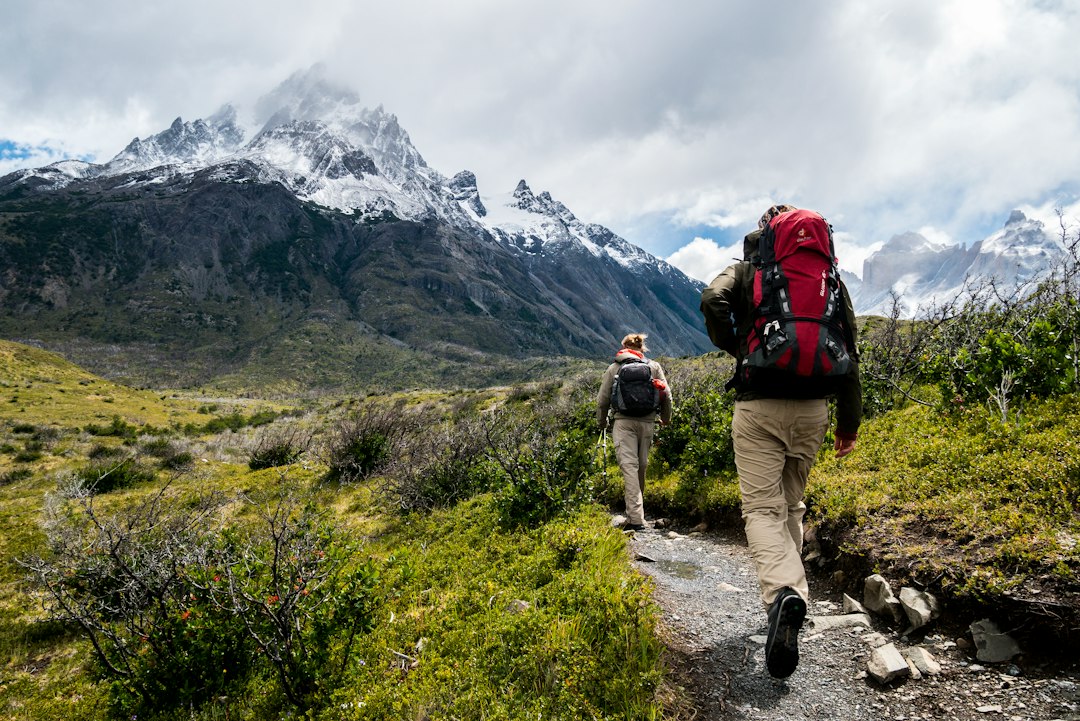
The wrong gaiter size can lead to discomfort, ineffective protection, and even dangerous situations on the trail. This guide will walk you through the essential steps to ensure your gaiters fit perfectly, keeping your feet dry, your legs protected, and your stride confident, no matter the conditions.
🧰 Tools & Gear You’ll Need
- Measuring tape
- The hiking boots or shoes you plan to wear with the gaiters
- Pen and paper (or a digital note-taking app)
- Gaiter size chart (usually found on the manufacturer’s website or product packaging)

Match Gaiter Size to Your Hiking Conditions Before Measuring
Before you even pick up a measuring tape, consider the primary use for your gaiters. Different hiking conditions and footwear call for different gaiter types and, consequently, different sizing considerations. Understanding this will help you narrow down your options and ensure your measurements align with the gaiter’s intended function.
Choose ankle gaiters for trail-running shoes and loose debris
For fast-paced trail running or hiking on well-maintained paths with minimal obstacles, ankle-high gaiters are ideal. They are typically designed to fit snugly over low-cut trail running shoes or hiking shoes, preventing small pebbles, dirt, and light debris from entering your footwear. Their smaller profile also means less bulk and greater freedom of movement.
Choose mid-calf gaiters for mud, brush, and three-season hiking
If you frequently encounter muddy trails, overgrown paths with brush, or need protection during spring, summer, and fall hikes, mid-calf gaiters are a versatile choice. They offer a good balance of protection against water, mud, and vegetation while remaining comfortable for extended wear. These are often the most common type for general hiking.
Choose knee-high gaiters for deep snow and harsh off-trail travel
For serious winter conditions, deep snow, or adventurous off-trail excursions through dense undergrowth or scree, knee-high gaiters are essential. They provide maximum protection, ensuring snow, rocks, and sharp vegetation are kept out of your boots and lower legs. These are usually more robust and may require a slightly different fitting approach due to the bulk of winter gear.

Measure Your Footwear and Calf for Hiking Gaiter Sizing
Accurate measurements are the cornerstone of selecting the correct gaiter size. You’ll need to measure both your footwear and your calf to ensure a secure and comfortable fit. Remember to use the actual boots or shoes you intend to wear, as different footwear styles can affect the gaiter’s fit.
Record the actual hiking shoe or boot size
Start by identifying the size of the hiking shoes or boots you’ll be using. This is your primary reference point. If your boots are a snug fit, consider this when evaluating size charts, as you might need a slightly larger gaiter to accommodate the boot’s volume.
Measure calf circumference at the widest point
Using a flexible measuring tape, find the widest part of your calf. For most people, this is a few inches above the ankle. Ensure the tape is snug but not constricting. Record this measurement in inches or centimeters.
Measure with winter layers for snow gaiters
If you are purchasing gaiters specifically for deep snow or winter hiking, it’s crucial to take your calf measurement while wearing the thickest socks and any other relevant leg layers (like insulated pants or long underwear) that you would typically wear in those conditions. This ensures the gaiters will fit comfortably over your winter attire without being too tight or restrictive.

Read a Hiking Gaiter Size Chart Without Choosing the Wrong Size
Once you have your measurements, consulting the manufacturer’s size chart is the next critical step. However, simply glancing at the chart can lead to errors. Pay close attention to how the chart uses your measurements to determine the best fit.
Compare shoe-size and calf-size ranges separately
Most gaiter size charts will provide ranges for both footwear size and calf circumference. Look at the footwear size range first to see which gaiter size corresponds to your boot size. Then, check the calf circumference range for that same gaiter size to see if your calf measurement falls within it.
Use the more restrictive measurement
Often, your boot size might suggest one gaiter size, while your calf circumference suggests another. In this case, prioritize the measurement that results in a smaller gaiter size. A gaiter that is too large in either dimension will not provide adequate protection and may sag or slip. For instance, if your boots fit a Small but your calf fits a Medium, you’ll likely need the Medium gaiter to accommodate your calf properly, ensuring a snug fit all the way up.
Size up when you are between gaiter sizes
If your measurements fall exactly on the border between two sizes, it’s generally advisable to choose the larger size. This is especially true if you plan to wear thicker socks or use the gaiters in colder weather with insulated pants. A slightly larger gaiter offers more flexibility and is less likely to feel constrictive.
Do not assume men’s and women’s size labels are interchangeable
Men’s and women’s sizing can differ significantly, not just in numerical value but also in the intended shape of the gaiter. Always consult the specific size chart for the men’s or women’s model you are considering. Women’s gaiters may be cut slightly narrower in the calf or shaped differently to accommodate typical female anatomy.
Test Hiking Gaiter Fit With the Boots You Actually Wear
Even with careful measurement and chart consultation, the best way to confirm gaiter fit is to try them on with your intended footwear. This allows you to feel how they interact with your boots and legs, identifying any potential issues before you hit the trail.
Check the lower opening around the boot collar
With your boot on, put on the gaiter and secure the lower closure (often a buckle or hook) around the boot. The lower opening should sit snugly around the top of your boot, creating a seal that prevents debris from entering from below. There shouldn’t be large gaps, nor should it be so tight that it deforms the gaiter or boot.
Position and tighten the under-foot strap
Most gaiters have a strap that runs under the sole of your boot. Ensure this strap is positioned correctly – usually near the heel of the boot – and is tensioned appropriately. It should be snug enough to keep the gaiter firmly in place but not so tight that it pulls the gaiter down or feels uncomfortable. Some straps are adjustable; experiment to find the sweet spot.
Engage the boot hook correctly
If your gaiters have a hook at the front, it should securely attach to the laces of your boot, usually near the toe. This hook is vital for preventing the gaiter from riding up and helps maintain a tight seal around the boot. Ensure it’s firmly engaged and not dangling loosely.
Check the upper closure and calf seal
Fasten the upper closure system (zipper, Velcro, or snap buttons) from the bottom up. As you close it, ensure the gaiter conforms smoothly to your calf without excessive bunching or pinching. Walk around, bend your knees, and squat to check for any restriction in movement or points of discomfort. The top edge should create a snug seal around your calf to prevent water and debris from entering from the top.
Solve Common Hiking Gaiter Sizing Problems
Even with the best intentions, you might encounter fit issues. Fortunately, many common problems have straightforward solutions, often related to slight adjustments or understanding the gaiter’s design.
Fix gaiters that fit the shoe but not the calf
If the gaiter fits well around your boot but feels too loose or baggy around your calf, you may have a size mismatch or the gaiter’s cut is not ideal for your leg shape. If the size chart indicated this was the correct size, try tightening the upper closure as much as possible. If it still feels loose, consider if a women’s model (if you’re male) or a more tapered “athletic fit” gaiter might be better suited for your build.
Fix gaiters that fit the calf but slide on the boot
This often happens if the lower opening is too large for your boot, or if the under-foot strap isn’t adjusted correctly. Ensure the under-foot strap is taut and correctly positioned under the heel. Check if the gaiter’s lower rim has any elastic or cinch cord; tighten this to create a snugger seal around the boot collar. If the problem persists, the gaiter might simply be the wrong size or shape for your specific footwear.
Fix excessive fabric bunching behind the ankle
Excessive fabric bunching behind the ankle can be uncomfortable and hinder movement. This usually indicates the gaiter is too long or too large overall. Ensure the under-foot strap is correctly tensioned, as this helps pull the gaiter taut. If the gaiter has a front entry, ensure it’s aligned correctly. In some cases, this can be a sign that you need to size down.
Fix a zipper or closure that will not reach the top
If the main closure (like a zipper) doesn’t quite reach the top of the gaiter, it means the gaiter is likely too small for your calf, or you’re trying to wear it over very bulky layers. Ensure you measured your calf circumference accurately, including winter layers if applicable. If it’s a consistent issue, you’ll likely need to size up.
Fix gaiters that restrict ankle or knee movement
Gaiters should protect without impeding your natural gait. If you feel restricted, especially when bending your knees or walking uphill, the gaiter might be too tall, too tight, or its cut is fundamentally incompatible with your biomechanics. For general hiking, mid-calf gaiters are less likely to cause restriction than knee-high ones. Ensure the upper edge isn’t digging into your leg.
Choose Gaiter Materials and Closures That Support the Correct Fit
The materials and closure systems of gaiters play a significant role in how well they fit and perform. Selecting the right combination for your needs will enhance both comfort and protection.
Select stretch fabric for trail shoes and fast hiking
Gaiters made from materials with a good amount of stretch, such as those incorporating spandex or elastane, are excellent for trail running or fast hiking. They conform closely to your footwear and legs, offering a secure fit with minimal bulk and excellent freedom of movement. These are often lighter and more breathable.
Select reinforced waterproof fabric for snow and wet brush
For demanding conditions like deep snow, heavy rain, or thorny brush, gaiters made from durable, waterproof, and often reinforced materials (like Cordura or tightly woven nylon) are essential. While less stretchy, these materials offer superior protection and durability. Ensure the sizing accounts for the potentially stiffer nature of these fabrics.
Compare hook-and-loop, zipper, and front-entry closures
Zippered gaiters are often easiest to put on and take off but can be prone to clogging with debris. Hook-and-loop (Velcro) closures offer a wide range of adjustability and a good seal but can lose their grip over time. Front-entry designs, which often combine Velcro with buckles or snaps, can offer a very secure and clean fit, particularly for more technical use.
Choose a durable under-foot strap
The under-foot strap is critical for keeping gaiters in place. Look for straps made of durable, non-stretching materials like webbing or Hypalon. Elastic straps can offer some give but may wear out faster. Ensure the buckle mechanism for adjusting the strap is robust and easy to operate, even with gloves on.
Select Hiking Gaiter Size by Footwear Type
Different types of footwear have distinct shapes and volumes, which directly influence the size and style of gaiter that will fit best.
Size gaiters for trail-running shoes
Trail runners are typically low-profile and snug. Ankle-high or low-profile mid-calf gaiters designed specifically for running shoes work best. The sizing should prioritize a close fit around the shoe’s collar to prevent water and debris ingress without adding bulk that could impede your stride.
Size gaiters for hiking shoes
Hiking shoes are generally more robust than trail runners. Mid-calf gaiters are a common choice. Ensure the gaiter’s lower opening is wide enough to accommodate the shoe’s upper edge comfortably. The calf measurement becomes more critical here, as hiking shoes can sometimes be bulkier than running shoes.
Size gaiters for mid-height hiking boots
These boots offer more ankle support and volume. Mid-calf gaiters are still suitable, but ensure the sizing chart’s boot size ranges accommodate the specific dimensions of your mid-height boots. The calf circumference measurement is paramount to ensure a proper seal above the boot.
Size gaiters for mountaineering boots
Mountaineering boots are large and rigid. Knee-high gaiters are typically required. These gaiters are designed with extra volume in the lower section to fit over the stiff, high-volume uppers of mountaineering boots. Always check the manufacturer’s recommendations for compatibility with specific boot types and sizes.
Match Gaiter Size and Height to Specific Hiking Scenarios
The intended use case for your gaiters should heavily influence your sizing and height selection.
Choose for dry summer trails
On dry, dusty trails, lightweight, breathable ankle or mid-calf gaiters work well to keep out pebbles and fine dust. Sizing should ensure a snug fit to prevent anything from entering your shoes, but breathability is key for comfort.
Choose for muddy shoulder-season trails
Mud and wet conditions require robust, water-resistant mid-calf gaiters. The fit needs to be secure around both the boot and the calf to prevent mud and water from seeping in. A good seal at the top is crucial.
Choose for snowshoeing and winter hiking
Deep snow necessitates tall, fully waterproof knee-high gaiters. Sizing should account for bulky winter pants and insulated boots. A wide opening at the base and a secure closure around the boot are essential to keep snow out.
Choose for scree, alpine travel, and bushwhacking
For rough, abrasive terrain and dense vegetation, durable, abrasion-resistant mid-calf or knee-high gaiters are recommended. The sizing should be snug to prevent sharp rocks or thorns from snagging, and reinforced materials are a must.
Use a Final Hiking Gaiter Fit Checklist Before Buying
Before making your final purchase decision, run through this checklist to ensure you’ve covered all the bases for a perfect gaiter fit.
Confirm the size measurements
Double-check your boot size and calf circumference against the manufacturer’s size chart. Ensure you’ve used the correct chart for the specific model and gender (if applicable). If between sizes, consider your typical sock thickness and intended use (e.g., sizing up for winter).
Confirm the seal and mobility
When trying them on, verify that the gaiter seals well around your boot and your calf without excessive tightness. Perform movements like squatting and walking to ensure there’s no restriction of motion. The under-foot strap should be secure but not uncomfortable.
Confirm terrain and product suitability
Does the height, material, and closure system of the gaiter match the type of hiking you’ll be doing? Ankle gaiters won’t protect your shins in deep snow, and heavy-duty gaiters might be overkill for a dry summer hike. Ensure the product is designed for your primary use.