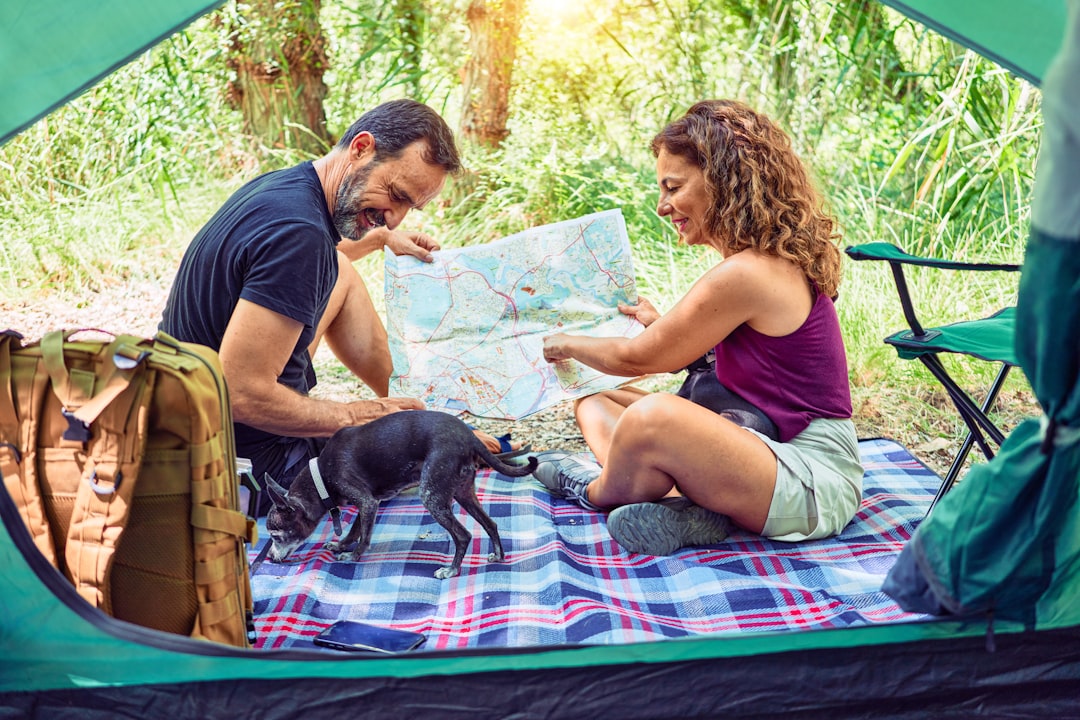
Camping offers a refreshing escape into nature, providing benefits like stress relief, physical activity, and quality time with loved ones. Proper planning ensures a smooth, enjoyable trip by addressing gear, site selection, and safety ahead of time.
| Planning Step | Key Considerations | Resources |
|---|---|---|
| 1. Define Trip Goals | Purpose (relaxation, adventure), group needs, desired activities, proximity to amenities. | Personal preference, group discussion. |
| 2. Select a Campsite | Location, availability, amenities (restrooms, water), current conditions (weather, alerts, closures), regulations. | NPS Trip Planning Guide, official park websites, NPS mobile app. |
| 3. Secure Reservations | Booking window (often 6+ months for popular sites), permit requirements, peak vs. shoulder seasons. | Recreation.gov, official park reservation systems, Campground Stay. |
| 4. Plan Activities & Itinerary | Daily activities (hiking, fishing), flexibility for weather, travel time, meal planning. | Park maps, trail guides, personal preference. |
| 5. Gather Essential Gear | The 10 Essentials, shelter, sleep system, cooking equipment, navigation tools, safety items, personal items. | NPS What-to-Bring, USFS Camping, National Geographic. |
| 6. Prepare Food & Water | Non-perishable items, meal prep, proper storage (bear safety), water purification methods, daily intake. | NPS What-to-Bring, Backcountry Travel Planner. |
| 7. Prioritize Safety | Inform a contact, emergency preparedness, first aid, navigation skills, wildlife awareness, communication devices. | NPS Trip Planning Guide, USFS Camping, NPS Safety. |
| 8. Pack Smartly | Organization by category, weight distribution, testing gear at home, minimizing non-essentials. | NPS Before-the-Trip, Outdoor Gear Lab. |
| 9. Practice Leave No Trace | Waste disposal, minimizing campfire impacts, respecting wildlife, proper sanitation. | NPS What-to-Bring, USFS Camping. |
| 10. Final Checks | Weather forecast, gear functionality, vehicle readiness, informing emergency contact. | Personal checklist, weather apps, NPS Trip Planning Guide. |
Step 1: Define Your Camping Adventure
Before you even think about tents or sleeping bags, consider the fundamental purpose of your trip. Are you seeking a tranquil escape to reconnect with nature, an action-packed adventure filled with challenging hikes, or a family-friendly outing with activities for all ages? Your goals will dictate many subsequent decisions, from the type of campsite you choose to the gear you’ll need. Think about the desired atmosphere: do you prefer the solitude of a remote backcountry site or the convenience of a campground with amenities like restrooms and potable water? Involving all members of your group in this initial planning phase can foster excitement and ensure everyone’s needs and expectations are considered.
Step 2: Select the Right Campsite
Choosing your campsite is a critical step that significantly impacts your overall experience. The U.S. National Park Service (NPS) and the U.S. Forest Service (USFS) provide extensive resources for selecting appropriate locations. When researching potential sites, always check for current park conditions, including weather forecasts, potential fire restrictions, wildlife advisories, and any temporary or permanent closures. This information is vital for safety and can be found on official park websites, through the
, or by contacting
directly. Consider factors like proximity to trails, water sources, and the availability of facilities.
Understanding Campsite Types
Campsites can range from developed campgrounds with designated spots, fire rings, and picnic tables to primitive backcountry sites requiring self-sufficiency. Developed campgrounds often offer amenities such as restrooms, potable water spigots, and sometimes even showers or electrical hookups. Backcountry sites, on the other hand, are typically more remote and require a deeper understanding of self-reliance and Leave No Trace principles.
Checking Current Conditions
Always verify the latest information regarding weather, trail conditions, and any alerts or closures before heading out. This proactive approach helps prevent unexpected disruptions and ensures a safer trip. Official park websites and visitor centers are the best sources for this up-to-date information.
Step 3: Master the Art of Reservations
For popular national and state parks, especially during peak seasons like late spring through early fall (May–September), securing a campsite often requires significant advance planning. Many sought-after locations require reservations to be made at least six months in advance. Websites like
Recreation.gov
are the primary portals for booking campsites on federal lands.
Booking Strategies
If you missed the initial booking window, don’t despair. Last-minute availability can sometimes be found by monitoring reservation platforms for cancellations, particularly in the 3–7 days leading up to a potential stay. Exploring shoulder seasons (spring and fall) or opting for less-trafficked, lesser-known campgrounds can also significantly increase your chances of finding a spot without needing to book months ahead. Always check specific park regulations regarding permits, group size limits, and pet policies.
Step 4: Plan Your Itinerary and Activities
Once your campsite is secured, it’s time to outline your daily activities. Aim for a balance between planned excursions and spontaneous downtime. Consider the types of activities that align with your trip goals, such as hiking specific trails, fishing in nearby lakes, swimming, or simply relaxing at the campsite. Factor in travel time to and from trailheads or other points of interest.
Building Flexibility into Your Plan
Weather can be unpredictable, so it’s wise to have backup plans or alternative activities in mind in case of inclement weather. This might include indoor games, reading, or visiting a nearby interpretive center if available. Involving your group, especially children, in the planning process can build anticipation and ensure everyone feels invested in the trip.
Step 5: Assemble Your Essential Gear
Proper gear is the cornerstone of a safe and comfortable camping trip. The
emphasizes the importance of the “10 Essentials,” a list of critical items for outdoor safety. These include navigation tools, sun protection, insulation, illumination, first-aid supplies, fire-starting materials, repair tools, extra food and water, shelter, and communication devices.
Key Gear Recommendations
Essential gear for 2026 includes a reliable tent with a rainfly and stakes, a sleeping bag appropriate for the expected temperatures, and a sleeping pad for insulation and comfort. A portable stove with fuel, cooking utensils, and cookware are necessary for preparing meals. For hydration, a water filter or purification tablets are crucial, especially in the backcountry. A well-stocked first-aid kit, a headlamp with extra batteries, and a multi-tool or knife are indispensable. Navigation aids like a map, compass, or GPS device are vital, as are insect repellent and sunscreen for protection against the elements. Don’t forget trash bags to practice
principles.
Step 6: Prepare Food and Water Wisely
Proper food and water planning are essential for energy and safety. Pack non-perishable, calorie-dense foods such as rice, pasta, oatmeal, and trail mix. Pre-preparing meals at home by chopping vegetables or freezing dishes can save time and effort at the campsite.
Water Safety and Hydration
Staying hydrated is paramount. Aim to drink at least 2 liters of water per day, increasing this amount in hot weather or during strenuous activity. In the backcountry, always treat water from natural sources before consumption. This can be done by filtering, purifying with chemicals, or boiling. Carrying a filter and chemical treatment as a backup provides an extra layer of security.
Food Storage
In areas with wildlife, particularly bears, proper food storage is critical. Use bear-resistant canisters or approved bear-hanging systems where required to protect both your food and the animals. Familiarize yourself with local regulations regarding food storage.
Step 7: Prioritize Safety and Preparedness
Safety should be a top priority on any camping trip. Before you leave, inform a reliable contact person about your itinerary, expected return time, and emergency contact information. This ensures someone knows where you are and when to expect you back.
Emergency Preparedness
If you are venturing into areas with unreliable cell service, consider carrying a personal locator beacon (PLB) or a satellite phone for emergency communication. Familiarize yourself with basic first-aid procedures, including CPR, and ensure your first-aid kit is well-stocked and easily accessible. Understanding how to handle common outdoor hazards, such as severe weather or encounters with wildlife, is also crucial.
Navigation Skills
While GPS devices and smartphone apps are useful, they can fail. Always carry a physical map and compass as a backup and ensure you know how to use them. Learning basic navigation skills can be a lifesaver in unfamiliar terrain.
Step 8: Pack Efficiently and Systematically
An organized approach to packing can make setting up camp and finding your gear much easier. Lay out all your equipment days before your trip to check for damage and ensure everything is accounted for. Organize items by category, such as shelter, sleeping gear, cooking supplies, and clothing.
Weight Distribution
When packing your backpack or car, distribute weight strategically. Place heavier items, like your tent and cooking gear, closer to the bottom and center of your pack. Lighter items, such as sleeping bags and clothing, can be placed on top. This helps with balance and comfort while hiking or carrying your gear.
Testing Gear
Before your trip, test all your equipment, especially new items. Set up your tent in the backyard, test your stove, and ensure your headlamp batteries are fresh. This allows you to identify any issues and make necessary adjustments or replacements before you are miles from civilization.
Step 9: Embrace Leave No Trace Principles
Practicing Leave No Trace (LNT) ethics is fundamental to preserving the natural environment for future visitors. This involves minimizing your impact on the outdoors. Key principles include planning ahead and preparing, traveling and camping on durable surfaces, disposing of waste properly, leaving what you find, minimizing campfire impacts, respecting wildlife, and being considerate of other visitors.
Waste Management and Sanitation
Pack out everything you pack in, including all trash. Use biodegradable soap for washing dishes and yourself, and do so at least 200 feet away from water sources. Employ a trowel to dig catholes for human waste, at least 6–8 inches deep and 200 feet from water, camp, and trails. Always pack out toilet paper and hygiene products.
Step 10: Conduct Final Checks
The day before your departure, perform a final series of checks. Review the most up-to-date weather forecast for your destination and adjust your clothing and gear accordingly. Double-check that all your essential gear is packed and functional. Ensure your vehicle is in good working order, with adequate fuel and tire pressure. Most importantly, confirm that your emergency contact has all the necessary information about your trip.