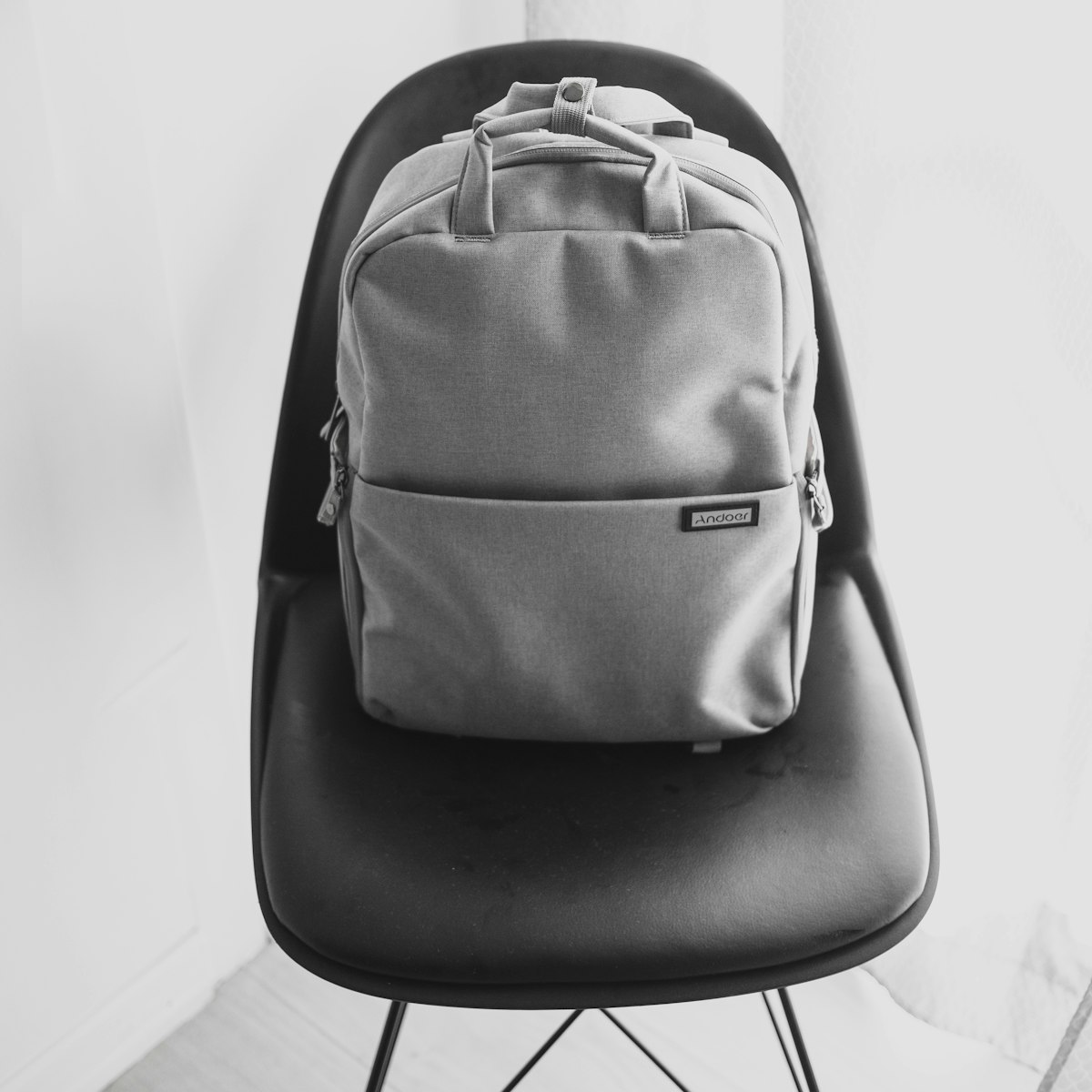
Your backpack is more than just a bag; it’s a vital piece of gear that accompanies you on adventures, from daily commutes to multi-day treks. Over time, sweat, dirt, and grime can accumulate, impacting both its appearance and its lifespan. Proper cleaning not only keeps your pack looking its best but also preserves its materials and prevents the buildup of odor-causing bacteria.
| Aspect | Recommended Method | Key Considerations | What to Avoid |
|---|---|---|---|
| Cleaning Method | Hand washing only | Gentle scrubbing, thorough rinsing | Washing machine, dryer, high heat |
| Water Temperature | Lukewarm water | Avoid hot water, which can damage materials | Hot water |
| Cleaning Agents | Mild, fragrance-free soap (e.g., technical gear wash, castile soap) | Ensure all residue is rinsed out | Bleach, fabric softeners, harsh detergents, stain removers, brighteners |
| Preparation | Empty completely, turn inside out, remove detachable parts (if possible) | Shake out debris, vacuum seams and pockets | Skipping the emptying or preparation steps |
| Scrubbing Tools | Soft sponge, soft nylon-bristled brush, or toothbrush | Focus on high-contact areas and mesh | Stiff brushes, abrasive pads |
| Rinsing | Thoroughly with cool to lukewarm water until water runs clear | Ensure no soap residue remains | Insufficient rinsing |
| Drying | Hang upside down in a shaded, well-ventilated area; keep pockets/zippers open | Ensure 100% dryness before storage | Direct sunlight, radiators, heat sources |
| Zipper Care | Clean with water and mild soap; lubricate with zipper-specific lubricant (wax or silicone) | Remove grit and sand | Generic silicone sprays that attract dirt |
| Odor Removal (Optional) | Baking soda or white vinegar solution (followed by thorough rinsing) | Test on an inconspicuous area first | Leaving the pack damp after odor treatment |
Why Regular Backpack Cleaning Matters
Your backpack endures a lot. Whether it’s carrying sweaty gym clothes, dusty hiking gear, or everyday essentials, it accumulates more than just visible dirt. Sweat, body oils, and environmental grime can degrade fabric over time, compromise waterproof coatings, and create an environment where bacteria and odors thrive. Regular cleaning is essential for extending your backpack’s functional life and maintaining hygiene.
Extending Backpack Lifespan
Dirt and grit act like fine sandpaper, constantly abrading fabric fibers with every movement and friction. Sweat and body oils can break down synthetic materials, leading to premature wear and tear. By removing these abrasive elements and chemical residues, you significantly reduce stress on the materials, ensuring your backpack remains durable and reliable for longer. This is particularly important for packs made from technical fabrics designed for demanding outdoor use.
Maintaining Hygiene and Preventing Odors
A damp, dirty backpack can become a breeding ground for bacteria and mold, leading to unpleasant odors and potentially skin irritations. Regular cleaning removes these odor-causing microbes and prevents the buildup of unsanitary conditions. Keeping your pack fresh and hygienic is crucial, especially if it’s used for activities where cleanliness is paramount or if you share gear.
Preserving Material Integrity
Different backpack materials have unique vulnerabilities. Harsh chemicals, excessive heat, or improper cleaning methods can damage waterproof coatings, weaken fabric strength, or cause colors to fade. Understanding your backpack’s material composition is the first step toward effective cleaning that avoids causing irreparable harm. For specialized materials like those found in Gore-Tex products, specific care is vital to maintain their performance properties.

Pre-Cleaning Preparation: Setting Yourself Up for Success
Before you begin washing, a few preparation steps can make the process smoother and more effective. Skipping these can lead to missed spots or potential damage.
Emptying the Backpack Completely
This might seem obvious, but it’s crucial to remove everything from every pocket, compartment, and sleeve. Check hidden areas like hip belt pockets, lid compartments, and internal sleeves for forgotten items, wrappers, or debris. A thorough emptying ensures you clean the entire interior and don’t miss any potential sources of odor or damage.
Turning Inside Out and Removing Debris
Once empty, turn the backpack inside out. This allows you to access the inner seams and corners where fine dust, dirt, and crumbs often accumulate. Use your hands, a vacuum cleaner with a brush attachment, or a soft brush to dislodge and remove any loose debris from the seams and fabric surfaces.
Checking Manufacturer Care Labels
Always consult the manufacturer’s care label, typically found inside a pocket or along a seam. This label provides specific instructions and warnings regarding water temperature, cleaning agents, and drying methods recommended for your particular backpack. Ignoring these guidelines can void warranties and lead to material damage.
Removing Detachable Components
If your backpack has detachable hip belts, shoulder straps, or frame components, consult your manual to see if they can be safely removed for cleaning. Cleaning these parts separately can allow for more thorough attention to detail and ensure all areas are properly addressed.

Choosing the Right Cleaning Agents and Tools
The products you use are critical to cleaning your backpack effectively without causing damage.
Mild Soap and Lukewarm Water
The safest approach is to use lukewarm water and a mild, fragrance-free soap. Options include specialized technical gear washes, castile soap, or a very mild, non-bleach detergent. Avoid harsh chemicals that can strip away water-repellent finishes or degrade synthetic fibers.
Soft Brushes and Sponges
For scrubbing, opt for soft tools. A soft sponge, a soft nylon-bristled brush, or even an old toothbrush can be effective for gently cleaning fabric surfaces, seams, and around zippers. Avoid stiff brushes or abrasive pads, which can damage the fabric.
Zipper Lubrication
Zippers can become stiff or difficult to operate due to accumulated dirt and grit. After cleaning, ensure zippers are dry and then apply a zipper-specific lubricant, such as a wax or silicone-based product designed for gear. Avoid generic silicone sprays, as they can attract more dirt and grit over time.

The Step-by-Step Hand-Washing Process
Hand washing is the most recommended method for cleaning most backpacks, preserving their integrity and performance.
Spot Cleaning Stains
Before immersing the entire pack, address any specific stains. For fresh spills, blot them immediately. For dried-on grime, apply a small amount of your mild soap solution directly to the stain and gently scrub with a soft brush or sponge. Work from the outside of the stain inward to prevent spreading.
Creating the Cleaning Solution
Fill a clean sink, bathtub, or large basin with about six inches of lukewarm water. Add a small amount of your chosen mild soap or gear wash. Too much soap can be difficult to rinse out and may leave residue that attracts dirt.
Washing the Backpack
Submerge the backpack in the soapy water. Use your soft brush or sponge to gently scrub the entire exterior and interior surfaces. Pay close attention to seams, pockets, and areas that come into contact with your skin, as these tend to accumulate the most grime. Be thorough but gentle to avoid damaging the fabric.
Rinsing Thoroughly
This is a critical step. Drain the dirty, soapy water and refill the basin with clean, cool to lukewarm water. Rinse the backpack thoroughly, gently squeezing the fabric to help release the soap. Repeat this rinsing process multiple times until the water runs clear and there are no visible suds or slippery residue. Inadequate rinsing can lead to premature fabric wear and reduced water repellency.
Drying Your Backpack Correctly
Proper drying is as important as washing to prevent mold, mildew, and material damage.
Air Drying in a Ventilated Area
The best way to dry your backpack is to hang it upside down in a well-ventilated area, away from direct sunlight and heat sources. This allows water to drain out of the seams and pockets. Ensure all zippers and pockets are left open to facilitate airflow.
Avoiding Heat and Direct Sunlight
Never put your backpack in a clothes dryer, near a radiator, or in direct sunlight. High heat can damage synthetic fabrics, melt adhesives, and compromise waterproof coatings. Direct sunlight can fade colors and degrade materials over time.
Ensuring Complete Dryness
It is crucial that the backpack is 100% dry before you store it or use it again. Dampness can lead to mold and mildew growth, which can be difficult to remove and can permanently damage the fabric and its coatings. This may take 24-48 hours or longer, depending on the humidity and the pack’s material.
Special Considerations for Different Materials and Odors
While the general hand-washing method applies to most backpacks, some materials and issues require specific attention.
Technical Fabrics (e.g., Gore-Tex)
Backpacks made with waterproof-breathable membranes like Gore-Tex require careful cleaning to maintain their performance. Always follow the manufacturer’s specific instructions, which usually involve using specialized technical wash detergents and avoiding any products that could clog the membrane’s pores or strip its DWR (Durable Water Repellent) finish.
Canvas Backpacks
Canvas is a durable material but can absorb a lot of water and take longer to dry. For tough stains on canvas, a paste of baking soda and water can be effective. Ensure canvas packs are thoroughly dried to prevent mildew.
Tackling Persistent Odors
If your backpack has lingering odors after cleaning, you can try a solution of white vinegar or a sprinkle of baking soda. Mix a small amount of white vinegar with water or apply baking soda directly to damp areas, let it sit for a short period, and then rinse thoroughly. Always ensure the pack is completely dry afterward, as residual moisture exacerbates odors.
Frequently Asked Questions About Backpack Cleaning
Can I machine wash my backpack?
Generally, it is not recommended to machine wash backpacks, especially those with internal frames, complex suspension systems, or delicate materials. The agitation and heat can cause significant damage. Always check the manufacturer’s care label, but hand washing is the safest method for most packs.
How often should I clean my backpack?
The frequency depends on usage. For heavily used packs, a thorough cleaning once or twice a year is advisable. For lighter use, a yearly deep clean might suffice. A quick wipe-down after particularly dirty outings can also help maintain its condition between washes.
What should I do if my backpack has leather accents?
Leather accents require separate care. Use a damp cloth for light cleaning and specialized leather cleaners for tougher grime. Avoid soaking leather and always condition it afterward to prevent drying and cracking. Never use harsh chemicals or machine wash backpacks with leather components.
Can I use dish soap to clean my backpack?
Mild dish soap can be used in a pinch, but it’s best to opt for a fragrance-free, mild detergent or a specialized technical gear wash. Some dish soaps can be too harsh or leave residues that are difficult to rinse completely, potentially affecting the fabric’s properties.