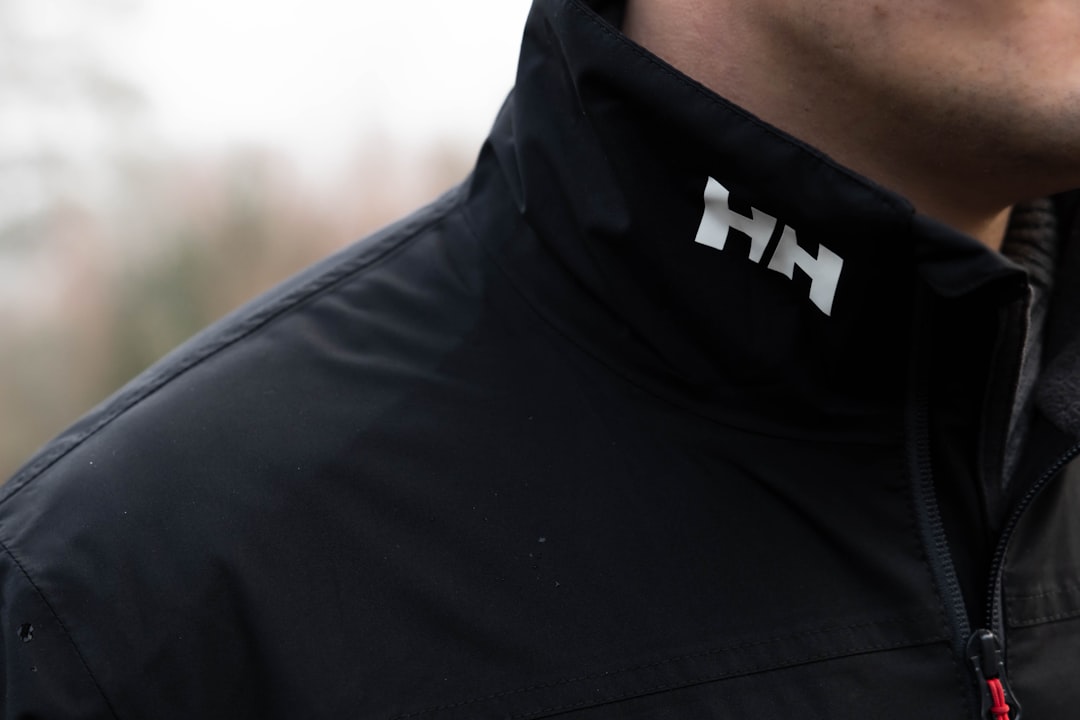
Hardshell vs. Softshell Jackets for Outdoor Adventures: Which Reigns Supreme in 2026?
The quest for the perfect outdoor jacket is a perennial one for adventurers. As technology advances, the lines between traditional outerwear categories blur, presenting consumers with increasingly sophisticated choices. In 2026, the enduring debate between hardshell and softshell jackets continues, each offering distinct advantages for a wide array of outdoor pursuits. This deep dive will dissect the core differences, performance metrics, ideal use cases, and expert recommendations to equip you with the knowledge to conquer any environment.

Understanding the Core Differences: Hardshell vs. Softshell Jackets
At their essence, hardshell and softshell jackets are designed with fundamentally different priorities, influencing their construction, materials, and intended applications. Understanding these foundational differences is crucial for making an informed decision.
Defining Hardshell Jackets: The Ultimate Weather Protection
Hardshell jackets are engineered to be the first line of defense against the harshest elements. Their primary function is to provide maximum waterproof and windproof protection. Constructed from tightly woven, waterproof-breathable membranes (like Gore-Tex, eVent, or proprietary equivalents) laminated between durable outer and inner layers, hardshells are designed to keep precipitation and wind out while allowing some internal moisture vapor to escape. They typically feature a stiffer, less pliable feel compared to softshells due to their robust construction and reinforced materials.
Defining Softshell Jackets: The Pinnacle of Breathability and Comfort
Softshell jackets prioritize comfort, breathability, and freedom of movement. They are typically made from a more flexible, four-way stretch fabric that is often water-resistant rather than fully waterproof. While they offer excellent protection against light rain and wind, their primary strength lies in their ability to manage moisture during high-exertion activities. They excel at allowing sweat vapor to escape, preventing the clammy feeling associated with overheating. Their softer, more pliable nature contributes to superior comfort and a less restrictive fit.
Key Performance Metrics: A Comparative Analysis
When comparing hardshell and softshell jackets, several key performance metrics come into play. Each jacket type excels in different areas, making the choice dependent on the specific demands of your outdoor activity.

Waterproofing and Breathability: Hardshell’s Edge vs. Softshell’s Versatility
Hardshells are the undisputed champions of waterproofing. Utilizing advanced waterproof membranes and DWR (Durable Water Repellent) coatings, they offer reliable protection in downpours and snowstorms. However, this superior waterproofing can sometimes come at the cost of breathability, especially during intense activity. Softshells, while generally water-resistant, are not fully waterproof. Their strength lies in their enhanced breathability, which allows for superior moisture management during high-output activities in less severe weather conditions. Some modern softshells incorporate highly breathable, DWR-treated membranes that offer a degree of water resistance without sacrificing too much breathability.
Durability and Abrasion Resistance: Where Each Jacket Shines
Hardshell jackets often feature tougher, more abrasion-resistant face fabrics, making them ideal for activities that involve potential contact with rock, ice, or rough equipment, such as mountaineering or ski touring in challenging terrain. Softshell jackets, while generally durable, may use softer, more pliable materials that can be more susceptible to abrasion over time. However, many softshells are reinforced in high-wear areas to enhance their longevity.
Stretch, Comfort, and Mobility: The Softshell Advantage
This is where softshells truly distinguish themselves. Their inherent fabric stretch and often more relaxed fit provide exceptional freedom of movement, crucial for activities like climbing, scrambling, or any strenuous endeavor where unrestricted motion is paramount. The softer feel against the skin also contributes to a higher level of comfort for extended wear.
Wind Resistance: A Crucial Factor for Outdoor Pursuits
Both jacket types offer significant wind resistance. Hardshells, with their tightly woven membranes, are generally completely windproof. Softshells, while often treated with DWR and featuring dense weaves, may allow a small amount of wind to penetrate, especially in very windy conditions. However, for most moderate to cool conditions, the wind resistance of a good softshell is more than adequate.
| Metric | Hardshell Jacket | Softshell Jacket |
|---|---|---|
| Waterproofing | Excellent to Superior (Fully Waterproof) | Good to Very Good (Water-Resistant) |
| Breathability | Moderate to Very Good (Varies by membrane) | Very Good to Excellent (High moisture vapor transfer) |
| Wind Resistance | Excellent to Superior (Typically Windproof) | Very Good to Excellent (High wind resistance) |
| Durability/Abrasion Resistance | Very Good to Excellent (Tougher face fabrics) | Good to Very Good (May be less abrasion-resistant) |
| Stretch & Mobility | Limited to Moderate | Excellent to Superior |
| Comfort & Feel | Stiffer, more protective | Softer, more comfortable next-to-skin |
| Weight | Moderate to Heavy | Light to Moderate |
When to Choose a Hardshell Jacket: Mastering Extreme Conditions
A hardshell jacket is your go-to for situations where uncompromising protection from the elements is non-negotiable. These jackets are built for endurance and resilience in the face of severe weather.

Ideal Scenarios for Hardshell Jackets (e.g., Heavy Rain, Snowstorms, Mountaineering)
Hardshells are essential for activities such as:
- Mountaineering and Alpinism in unpredictable alpine weather.
- Winter camping and expeditions in extreme cold and snow.
- Backpacking or trekking in regions prone to prolonged heavy rainfall.
- Skiing and snowboarding in blizzard conditions or during wet snow events.
- Any situation where staying dry and protected from wind is the absolute top priority, regardless of exertion level.
Key Features to Look for in a Hardshell Jacket for 2026
When selecting a hardshell for 2026, prioritize:
- Waterproof-Breathable Membrane: Look for high-performance membranes like Gore-Tex Pro, Futurelight, or similar technologies offering superior hydrostatic head and breathability ratings.
- Durable Face Fabric: A denier rating of 70D or higher offers excellent abrasion resistance for rugged use.
- Fully Taped Seams: Ensures no water can penetrate through stitching.
- Adjustable Hood: Designed to accommodate a helmet and offer excellent peripheral vision.
- Water-Resistant Zippers: Pit zips for ventilation are also crucial.
- Articulated Sleeves and Gussets: Enhance mobility despite the stiffer fabric.
- RECCO Reflector: An important safety feature for backcountry users.
When to Choose a Softshell Jacket: Embracing Active Comfort
Softshell jackets are the champions of dynamic comfort, designed for aerobic activities where managing internal moisture is as critical as external protection.
Ideal Scenarios for Softshell Jackets (e.g., Hiking, Ski Touring, Climbing in milder conditions)
Softshells excel in:
- Hiking and trekking in cool to mild conditions with a possibility of light rain or wind.
- Climbing and bouldering where maximum mobility is essential.
- Ski touring and splitboarding in dry to damp conditions, especially during the ascent.
- Trail running and fastpacking where breathability is paramount.
- Everyday wear in transitional seasons.
Key Features to Look for in a Softshell Jacket for 2026
For softshells in 2026, consider:
- DWR Coating: A robust DWR finish is essential for shedding light precipitation.
- Four-Way Stretch Fabric: Guarantees unrestricted movement.
- Highly Breathable Weave: Look for fabrics that excel in air permeability and moisture vapor transfer.
- Wind Resistance: While not fully windproof, the best softshells offer substantial protection.
- Soft, Comfortable Lining: Microfleece or brushed interior for added comfort.
- Zippered Pockets and Chest Pockets: For secure storage.
- Adjustable Cuffs and Hem: To seal out drafts.

The Hybrid Approach: Combining the Best of Both Worlds
Recognizing the distinct strengths of each jacket type, the outdoor industry has increasingly embraced hybrid designs that attempt to marry the benefits of hardshells and softshells.
Exploring Convertible and Versatile Jacket Designs
Hybrid jackets often feature strategically placed panels of different materials. For instance, a jacket might incorporate highly waterproof and windproof panels in critical areas like the shoulders and hood, while utilizing more breathable, stretchable softshell fabric in the underarms and torso to enhance comfort during high-output activities. Some designs also focus on versatility through features like zip-off sleeves or removable waterproof shells, allowing users to adapt their gear to changing conditions on the fly.
Expert Recommendations: Top Hardshell and Softshell Jackets for 2026
Based on rigorous testing and industry feedback, several models stand out for their exceptional performance in 2026. These represent the pinnacle of design and technology in their respective categories.
Top-Rated Hardshell Jackets for 2026
Arc’teryx Beta AR Jacket
Pros: Unrivaled waterproof-breathable performance with Gore-Tex Pro, exceptional durability, helmet-compatible StormHood™, articulated patterning for excellent mobility.
Cons: Premium price point, can be overkill for less demanding conditions.
Patagonia Triolet Jacket
Pros: Robust construction, reliable Gore-Tex protection, fair trade certified, excellent value for its performance.
Cons: Slightly heavier than some competitors, less athletic fit.
Top-Rated Softshell Jackets for 2026
Outdoor Research Ferrosi Hooded Jacket
Pros: Exceptionally lightweight and packable, fantastic breathability and stretch, highly water-resistant DWR, great value.
Cons: Not fully waterproof, less durable against significant abrasion compared to hardshells.
Mammut Ultimate VI SO Hooded Jacket
Pros: Excellent weather resistance for a softshell, highly breathable, superb comfort and freedom of movement, durable face fabric.
Cons: Higher price point for a softshell, can be warmer in very mild conditions.
Frequently Asked Questions: Navigating Hardshell vs. Softshell Choices
Addressing common queries can help solidify your understanding and guide your final decision.
Can a softshell jacket be truly waterproof?
Generally, no. While many softshells are highly water-resistant due to advanced DWR treatments and tightly woven fabrics, they are not designed to withstand prolonged or heavy downpours like a true hardshell. Their membranes and construction prioritize breathability over absolute waterproofing.
Are hardshell jackets always bulky and uncomfortable?
Not necessarily. While older or entry-level hardshells could be stiff and cumbersome, modern hardshells, particularly those using advanced membranes and lighter face fabrics, offer a much more comfortable and less restrictive fit. However, they will inherently have a stiffer feel than softshells.
Which type is better for four-season use?
For true four-season use, a hardshell jacket often proves more versatile, especially when layered appropriately. Its robust protection can handle the extremes of winter, while its breathability (when using quality membranes and pit zips) can be managed in milder conditions. A softshell is primarily a three-season garment, excelling in cooler, drier, or mildly wet conditions. However, some highly breathable softshells can be useful in summer at high altitudes.
How do price points compare between hardshell and softshell jackets?
High-performance hardshell jackets, especially those utilizing premium waterproof-breathable membranes like Gore-Tex Pro, tend to be more expensive than comparable softshell jackets. This is due to the advanced materials and construction required for maximum weather protection. High-end softshells can still be costly, reflecting their advanced fabrics and features, but generally, the ceiling price for softshells is lower than for top-tier hardshells.
👑 Ultimate Winner: It Depends on Your Mission
The “ultimate winner” between hardshell and softshell jackets is not a single entity but rather a choice dictated entirely by your intended use. For expeditions into extreme weather, high-alpine pursuits, or any scenario demanding absolute waterproofing and windproofing, a hardshell jacket is the supreme choice. Its unwavering protection shields you from the harshest elements. However, for the majority of aerobic activities in cooler or unpredictable conditions – hiking, climbing, ski touring in milder weather – a softshell jacket offers superior comfort, breathability, and freedom of movement. Its ability to manage your internal microclimate during exertion makes it the preferred option for active users. For unparalleled versatility, consider hybrid designs or plan to layer effectively, carrying both types if conditions warrant.