CoverageMore than 30 city destinations shown on Go City?s current site
Pass stylesAll-Inclusive, All-Inclusive Plus, Explorer, and Essentials where offered
Best forTravelers planning two or more ticketed sights on busy sightseeing days
AccessPasses are stored in the Go City app or can be presented digitally
Main cautionAttraction lists, opening hours, and reservation rules can change
An urban adventure can be every bit as demanding as a long trail day. You may cover miles on foot, cross a city by ferry or metro, climb observation decks, tour museums, join a guided walk, and still want enough time to watch sunset from the waterfront. The hard part is not finding things to do. It is building a route that fits your time and budget.
That is the problem Go City attraction passes are designed to solve. Instead of purchasing every included attraction separately, you buy a digital pass for a destination and scan it at participating experiences. Depending on the city and pass type, the choice may include landmarks, museums, tours, cruises, family attractions, bike-related activities, and premium experiences.
This Go City review explains how the system works, the difference between its pass formats, when the numbers are likely to make sense, and how to plan an itinerary that does not turn a holiday into a race between ticket scanners.

What Is Go City?
Go City is a sightseeing-pass platform covering major destinations in North America, Europe, Asia-Pacific, and the Middle East. Its current destination list includes cities such as New York, London, Paris, Rome, Barcelona, Amsterdam, Dublin, Las Vegas, Los Angeles, San Diego, Chicago, Miami, Boston, Oahu, Dubai, Singapore, Sydney, and Bangkok, among others.
The product is digital. You select a destination, choose a pass type and duration or attraction count, then use the Go City app or digital pass during the trip. A pass is normally activated when it is first used at an included attraction. What happens after activation depends on the selected format.
This is important: Go City is not one identical pass copied across every city. The attraction lineup, pass formats, premium inclusions, reservation process, availability, and operating details differ by destination. Always treat the live city page and individual attraction instructions as authoritative for your trip.
Go City Pass Types Explained
Go City currently presents four pass styles, although not every format is available in every destination. The names are similar enough that it is worth choosing by travel behavior rather than by the biggest attraction list.
All-Inclusive Pass
Choose a number of sightseeing days and visit eligible included attractions during that period. The days run consecutively once activated, so this format rewards travelers who can group multiple paid experiences into full days.
Best for: busy first visits
All-Inclusive Plus
Uses the same day-based idea but adds access to a premium attraction or premium choice where the destination offers this version. The extra inclusion should be something you genuinely plan to use.
Best for: landmark-heavy itineraries
Explorer Pass
Choose a set number of attraction credits, then use them across the stated validity window after activation. Go City currently describes Explorer options as covering two to seven choices and being valid for 30 days after first use.
Best for: slower travel
Essentials Pass
Designed around a smaller set of headline experiences. The current format covers three attractions: one featured landmark plus choices from designated groups, where offered.
Best for: short, focused visits
Before paying, check the Go City pass options for your destination. A three-day trip does not automatically require a three-day All-Inclusive Pass. If one day is reserved for a free neighborhood walk or an outdoor excursion, a smaller Explorer or Essentials option may fit better.
How a Go City Pass Works in Practice
1. Pick the destination and pass format
Start with your actual travel dates and non-negotiable attractions. Look at which pass contains them, then compare day-based access with attraction-credit access. Do not begin by selecting the longest pass and attempting to fill it afterward.
2. Add the pass to the app
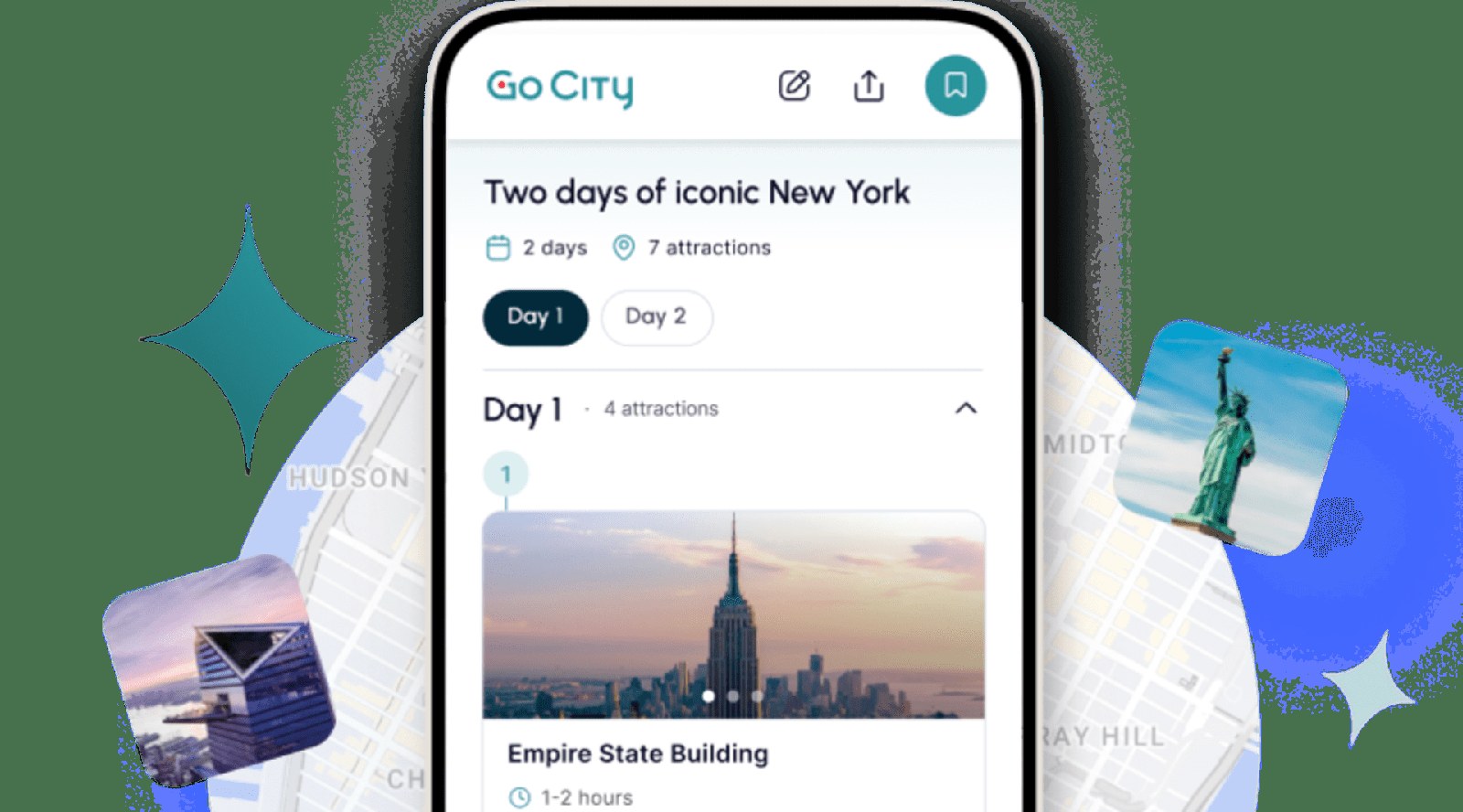
The Go City app stores the pass and provides destination information, attraction details, and planning support. Keep the confirmation email available as a backup, download what you need before leaving reliable Wi-Fi, and carry enough battery to display the pass throughout the day.
3. Reserve attractions that require it
Some attractions accept walk-up pass scans; others require advance reservations. Go City marks reservation requirements in attraction information and provides instructions. A pass does not create an available time slot when a tour or venue is already full.
4. Scan and activate
Your first eligible visit activates the pass. Day-based passes then use consecutive calendar days rather than 24-hour blocks. Activating late in the evening can therefore waste much of the first day, while an Explorer-style pass gives a longer window but limits the number of chosen attractions.
5. Check each attraction again on the day
Opening hours, entry points, last-admission times, temporary closures, and reservation instructions can change. Review the official attraction page and operator information before crossing the city.
Is Go City Worth It? Use the Realistic Itinerary Test
The only reliable answer comes from a short calculation. Ignore the maximum advertised saving for a moment and price the attractions you would actually visit without a pass.
A practical five-step value check
- Write down your three to six genuine priorities for the destination.
- Record each attraction?s current standalone adult or child price from the official venue.
- Confirm that the exact experience is included in the pass and note any restrictions.
- Remove anything that cannot fit geographically or requires an unavailable reservation.
- Compare the realistic total with the final pass price, including taxes or fees shown at checkout.
The pass wins when the realistic total is comfortably higher and the itinerary still feels enjoyable. A narrow difference is less convincing because one closure, late start, long queue, weather change, or tired afternoon can erase the saving.
Leave margin. If your plan only works by completing every attraction at maximum speed, the plan is fragile. A good city-pass itinerary should survive a long lunch, a delayed train, and the discovery of a neighborhood you want to explore on foot.
You can compare current Go City destinations and passes here, then build the calculation from today?s attraction lineup and prices.
How to Build a Better Pass Day
Outdoor planning principles transfer well to city travel: group the route, protect your energy, carry the essentials, and avoid unnecessary backtracking. The highest-value day is rarely the day with the largest number of scans. It is the day where the included experiences fit together naturally.
Map attraction clusters before choosing pass days
Pin every priority on a map. In New York, a downtown cluster should not be repeatedly mixed with Midtown and uptown stops. In London, attractions along the Thames can form a coherent route. The same principle applies in Paris, Amsterdam, Rome, Singapore, and other walkable sightseeing cities.
Use free outdoor time to control the pace
Parks, waterfronts, viewpoints, public markets, historic streets, beaches, and self-guided walks do not need to disappear just because you bought a pass. Pair paid attractions with free outdoor spaces. This creates recovery time and lets the city feel like a place rather than a checklist.
Carry a small urban day kit
A charged power bank, water bottle, weather layer, comfortable footwear, compact umbrella, sunscreen, and offline map make pass days much easier. Keep the phone accessible without leaving it unsecured, and save reservation confirmations in a form you can retrieve without mobile data.

Reservations, Queues, and Common Misunderstandings
A pass is not automatically skip-the-line access
Entry procedures differ. You may still need to exchange the pass for a ticket, join a security line, use a designated entrance, select a time, or wait for the next available tour. Read the entry instructions instead of assuming the digital pass removes every queue.
Included does not always mean unrestricted
An attraction may include a specific tour, ticket tier, route, duration, or operating period. Optional upgrades, special exhibitions, transport, food, or premium access may cost extra. Confirm exactly what the pass covers.
The attraction list can change
Travel products are dynamic. Operators join or leave programs, schedules change seasonally, and a venue can close temporarily. Recheck the lineup before travel and again during the trip rather than relying on an old screenshot or third-party review.
Do not activate a day-based pass casually
If scanning the first attraction starts consecutive calendar days, activation timing deserves the same care as the start of a multi-day route. Use the first day when you have enough time and energy to benefit from it.
Go City Pros and Cons
Pros
- Combines multiple attractions under one digital purchase.
- Offers day-based and attraction-count formats for different travel styles.
- Can provide meaningful value on well-planned, attraction-heavy trips.
- Encourages travelers to discover tours or experiences beyond the obvious landmarks.
- The app centralizes pass access and destination information.
- Coverage across more than 30 destinations makes the system familiar for repeat city travelers.
Cons
- Savings depend on completing a realistic itinerary, not the theoretical maximum.
- Some attractions require separate advance reservations.
- Day-based passes use consecutive calendar days after activation.
- The pass does not guarantee skip-the-line access or availability.
- Attraction lineups, schedules, and operating details can change.
- Travelers who prefer free sights, slow days, or one major attraction per day may save less.
Who Gets the Most Value from Go City?
Go City is strongest for first-time visitors with a clear list of paid landmarks, families who can plan around attraction clusters, and active travelers comfortable spending full days sightseeing. It can also work well on a return visit when an Explorer Pass bundles a few specific experiences without forcing consecutive busy days.
The pass is less suitable for highly spontaneous travelers who dislike reservations, visitors staying far outside the main attraction area, or anyone building a trip mainly around parks, neighborhoods, food, beaches, and other free experiences. It may also be unnecessary if your only paid priority is one major landmark.
Weather matters too. Observation decks, cruises, bike experiences, and outdoor tours can lose value in poor conditions. A mixed list with indoor alternatives is more resilient than a plan made entirely of viewpoints and open-air activities.

Go City Review: Final Recommendation
Go City is worth considering when your destination offers the attractions you already want and the pass price beats a conservative version of your itinerary. Its flexibility comes from having several formats: day-based passes for concentrated sightseeing, credit-based passes for a slower pace, and smaller essentials packages where available.
The mistake is buying first and planning later. Start with the city map, reservation availability, opening hours, standalone ticket prices, and the energy level of your group. Pick the smallest pass that comfortably covers the plan. Then keep enough open time for meals, weather changes, local discoveries, and simply walking through the city.
If those numbers and routes line up, Go City can simplify ticket planning and make an attraction-heavy urban adventure more affordable. If they do not, individual tickets are the better choice?and that is a useful conclusion too.
Check the live destination page for current pass types, attraction inclusions, prices, reservation requirements, operating information, and purchase terms.