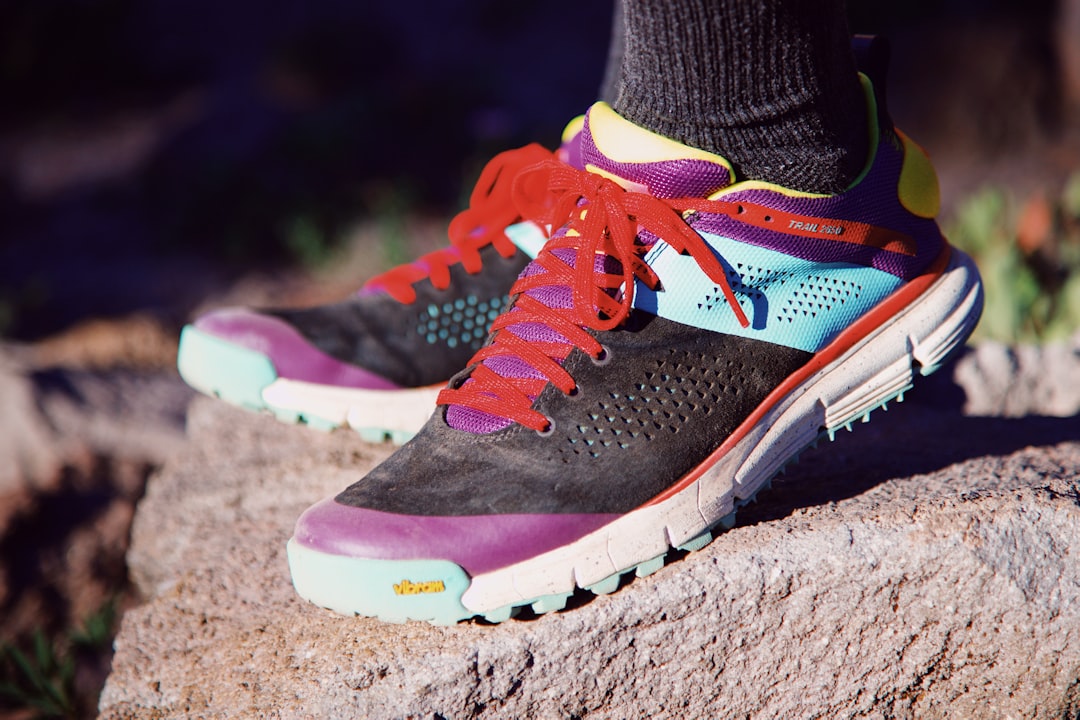
Trail running shoes have become a popular choice for hikers seeking a blend of agility, comfort, and protection. Their lightweight construction, flexible design, and responsive cushioning can enhance the hiking experience, especially on less technical trails. Unlike traditional hiking boots, trail runners offer a more natural stride and reduced fatigue, making them ideal for long days on the move. However, selecting the right pair requires understanding key features that cater to the demands of hiking.
| Model | Key Hiking Feature | Weight (Men’s 9) | Drop | Approximate Price | Source |
|---|---|---|---|---|---|
| HOKA Speedgoat 7 | Exceptional cushioning, versatile traction, stable for extended hikes | 9.1 oz (257g) | 5 mm | $165 | HOKA, OutdoorGearLab, Switchback Travel |
| Salomon Speedcross 6 | Aggressive lugs for superior grip on mud and technical terrain | ~10 oz (est.) | 9 mm | ~$150 | OutdoorGearLab, Switchback Travel |
| Altra Lone Peak 9 | Zero-drop platform, wide toe box for natural foot splay | ~9.5 oz | 0 mm | ~$140 | OutdoorGearLab, Switchback Travel |
| Brooks Cascadia 19 | Durable construction, reliable protection, good value | ~10.5 oz | 8 mm | $155 | OutdoorGearLab, Switchback Travel |
| Topo Athletic Ultraventure 4 | Wide toe box, ample cushioning, moderate traction | ~9.8 oz | 5 mm | ~$150 | OutdoorGearLab, Switchback Travel |
| Salomon Ultra Glide 4 | High cushioning, secure fit, recommended for hikers | ~10.2 oz | 8 mm | ~$160 | Switchback Travel |
| New Balance Hierro v9 | Stability, shock absorption, good for long distances | ~10.8 oz | 6 mm | $155 | Switchback Travel, New Balance |
| Saucony Xodus Ultra 4 | Soft cushioning combined with foot protection, versatile performance | ~10.3 oz | 6 mm | ~$160 | RunRepeat, Switchback Travel |
Key Features for Trail Running Shoes in Hiking
When choosing a trail running shoe for hiking, several factors are crucial for ensuring comfort, safety, and performance on the trail. These shoes bridge the gap between minimalist running shoes and robust hiking boots, offering a unique set of benefits.
Traction and Grip
The outsole’s design is paramount for secure footing. Aggressive lugs, often deeper and more widely spaced than those on road running shoes, are essential for gripping loose scree, mud, and uneven terrain. Specialized rubber compounds, such as Vibram® Megagrip or Salomon’s Contagrip®, enhance traction on both wet and dry surfaces, reducing the risk of slips and falls. The pattern and depth of the lugs directly impact how well the shoe performs on varied surfaces, from hard-packed dirt to slippery roots.
Cushioning and Stability
The midsole provides cushioning to absorb impact, which is vital for reducing foot fatigue on long hikes. However, there’s a trade-off: excessive cushioning can sometimes reduce ground feel and stability, particularly on off-camber or highly technical sections. Many modern trail runners strike a balance, offering ample shock absorption without sacrificing the stability needed for navigating challenging terrain. The stack height and density of the foam play significant roles in both cushioning and stability.
Durability and Protection
Hiking often exposes footwear to more abrasion than running. Trail running shoes designed for hiking should feature reinforced uppers, protective toe caps, and robust outsoles to withstand contact with rocks, roots, and debris. Materials like ripstop nylon or synthetic overlays enhance the upper’s durability, while a well-constructed toe bumper shields the toes from impacts. The longevity of the outsole rubber is also a key consideration for sustained performance.
Fit and Comfort
A secure, athletic fit is essential to prevent blisters and ensure control on uneven ground. Many hikers find that trail running shoes offer a more accommodating fit than traditional hiking boots. Features like a wide toe box, as found in Altra and Topo Athletic models, allow the foot to splay naturally, which can improve comfort and stability, especially during long days when feet tend to swell. A well-designed lacing system helps to lock the foot in place, preventing excessive movement within the shoe.
Water Resistance and Breathability
While many trail running shoes are not fully waterproof, they often offer good water resistance and excellent breathability. Non-waterproof models tend to dry faster after stream crossings or rain, which can be advantageous in preventing blisters caused by prolonged moisture. For hikers who frequently encounter wet conditions, waterproof versions (often using Gore-Tex membranes) are available, though they may sacrifice some breathability.

Top Trail Running Shoes for Hiking in 2026
Several models consistently receive high marks from reviewers and hikers for their suitability on the trail. These shoes offer a range of features to accommodate different preferences and hiking styles.
HOKA Speedgoat 7
The HOKA Speedgoat 7 is renowned for its exceptional cushioning, making it a top choice for long-distance comfort. Its versatile traction system provides reliable grip on a variety of surfaces, and the shoe offers a stable platform for extended wear. The generous cushioning helps to absorb impact, reducing fatigue over many miles. This model is often cited for its ability to handle varied terrain while prioritizing underfoot comfort.
Salomon Speedcross 6
For hikers tackling muddy, technical trails, the Salomon Speedcross 6 stands out. Its aggressive lug pattern is designed to bite into soft ground, providing superior traction in challenging conditions. While known for its grip, it also offers a responsive feel. The shoe’s design prioritizes agility and secure footing, making it a go-to for those who encounter frequent mud and uneven surfaces.
Altra Lone Peak 9
The Altra Lone Peak 9 is a favorite among hikers who prefer a zero-drop platform and a natural foot shape. Its wide toe box allows for natural toe splay, accommodating foot swelling and improving stability. This design promotes a more natural gait cycle, which can be beneficial for hikers seeking a less restrictive feel. The shoe offers a good balance of cushioning and ground feel.
Brooks Cascadia 19
The Brooks Cascadia 19 is recognized for its durability and protective features. It offers a reliable combination of cushioning, stability, and traction, making it a well-rounded option for various hiking scenarios. The shoe is built to withstand the rigors of the trail, providing protection from rocks and roots. Its consistent performance and value make it a popular choice.
Topo Athletic Ultraventure 4
The Topo Athletic Ultraventure 4 offers a wide toe box and ample cushioning, similar to the Altra Lone Peak, but with a moderate heel-to-toe drop. This combination provides comfort for long days while allowing for a more natural foot position. Its moderate traction is suitable for a range of trail conditions.
Salomon Ultra Glide 4
Specifically recommended for hikers, the Salomon Ultra Glide 4 provides high cushioning and a secure, locked-in fit. This shoe is designed to offer comfort and support over long distances, making it a strong contender for extended backpacking trips or long day hikes where comfort is paramount.
New Balance Hierro v9
The New Balance Hierro v9 is noted for its stability and shock absorption, making it a comfortable option for long hikes. Its design aims to provide a smooth and protective ride, reducing impact on joints. This shoe is a solid choice for hikers looking for a blend of cushioning and reliable performance.
Saucony Xodus Ultra 4
The Saucony Xodus Ultra 4 combines soft cushioning with excellent foot protection. It is praised for its versatility, offering a comfortable feel for long distances while providing the necessary defense against trail hazards. This shoe is a strong all-around performer for various hiking demands.

Trail Running Shoes vs. Hiking Boots vs. Road Running Shoes
Understanding the distinctions between these footwear types is key to making an informed decision for your hiking needs.
Trail Running Shoes
These shoes are designed for off-road terrain, featuring aggressive outsoles for traction, protective elements against trail debris, and often more flexible construction than hiking boots. They are lighter and more agile than hiking boots, allowing for a more natural stride and quicker pace. However, they typically offer less ankle support and underfoot rigidity, making them less ideal for carrying very heavy loads or navigating extremely technical terrain where ankle stability is critical.
Hiking Boots
Traditional hiking boots are built for durability and support. They usually feature higher ankle collars for support, stiffer midsoles for stability under load, and robust construction to withstand rugged conditions. While offering excellent protection and support, they are heavier, less flexible, and can feel more cumbersome than trail running shoes, potentially leading to increased fatigue on longer, less technical hikes.
Road Running Shoes
Designed for smooth, predictable surfaces, road running shoes prioritize cushioning and a lightweight feel for speed. They lack the aggressive tread patterns and protective features necessary for trail use. Their outsoles offer minimal grip on loose or wet terrain, and their uppers are not built to withstand the abrasion of rocks and roots, making them unsuitable and potentially unsafe for hiking.

Choosing the Right Shoe for Your Hike
The best trail running shoe for hiking depends on your specific needs and the type of trails you frequent.
Consider the Terrain
For muddy, soft, or highly technical trails, shoes with aggressive lugs and superior grip, like the Salomon Speedcross 6, are beneficial. For rocky, uneven terrain, look for shoes with good underfoot protection and stability, such as the Brooks Cascadia 19 or HOKA Speedgoat 7.
Evaluate Cushioning and Support Needs
If you prioritize comfort on long, less technical trails, shoes with maximum cushioning, like the HOKA Speedgoat 7 or Saucony Xodus Ultra 4, might be ideal. For those who prefer a more natural feel or have wider feet, options like the Altra Lone Peak 9 or Topo Athletic Ultraventure 4 offer a zero-drop or wider platform.
Think About Foot Shape and Fit
Foot swelling is common on long hikes. Shoes with a wider toe box, such as Altra and Topo Athletic models, can accommodate this swelling, improving comfort and preventing blisters. A secure midfoot fit is crucial for stability, regardless of the shoe’s width.
Water Resistance vs. Breathability
If you often hike in wet conditions, consider waterproof options. However, for warmer climates or hikes where quick drying is essential, non-waterproof shoes with good breathability might be a better choice.

Safety and Maintenance Tips
Proper care and awareness can extend the life of your trail running shoes and ensure your safety on the trail.
Inspect Regularly
Before and after each hike, check your shoes for any signs of wear and tear, such as loose stitching, damaged lugs, or worn-out cushioning. Address any issues promptly to prevent them from worsening.
Clean After Use
After hiking, clean your shoes to remove dirt, mud, and debris. Use a soft brush to scrub the outsole and upper, and if necessary, a mild soap and water solution. Avoid machine washing or harsh detergents, as these can damage the materials.
Dry Properly
Allow your shoes to air dry naturally at room temperature. Avoid direct heat sources like radiators or hairdryers, which can degrade the adhesives and materials. If the shoes are heavily saturated, you can stuff them with newspaper to help absorb moisture.
Replace When Worn Out
Trail running shoes have a finite lifespan. When the cushioning feels compressed, the traction is significantly reduced, or the structural integrity is compromised, it’s time for a new pair. Continuing to use worn-out shoes can lead to reduced performance and an increased risk of injury.
Frequently Asked Questions
Are trail running shoes good for hiking?
Yes, trail running shoes can be excellent for hiking, especially on less technical trails. They offer a lighter, more flexible alternative to hiking boots, providing comfort and agility.
What is the difference between trail running shoes and hiking boots?
Trail running shoes are generally lighter, more flexible, and have less ankle support than hiking boots. Hiking boots are typically more robust, offering greater ankle stability and underfoot protection, making them better suited for carrying heavy loads or very rugged terrain.
How do I choose the right trail running shoe for hiking?
Consider the terrain you’ll be hiking on, your foot shape and width, the level of cushioning and support you need, and whether water resistance or breathability is more important for your typical conditions.
Can I use road running shoes for hiking?
It is not recommended. Road running shoes lack the necessary traction, durability, and protection for trail use, increasing the risk of slips, falls, and foot injuries.