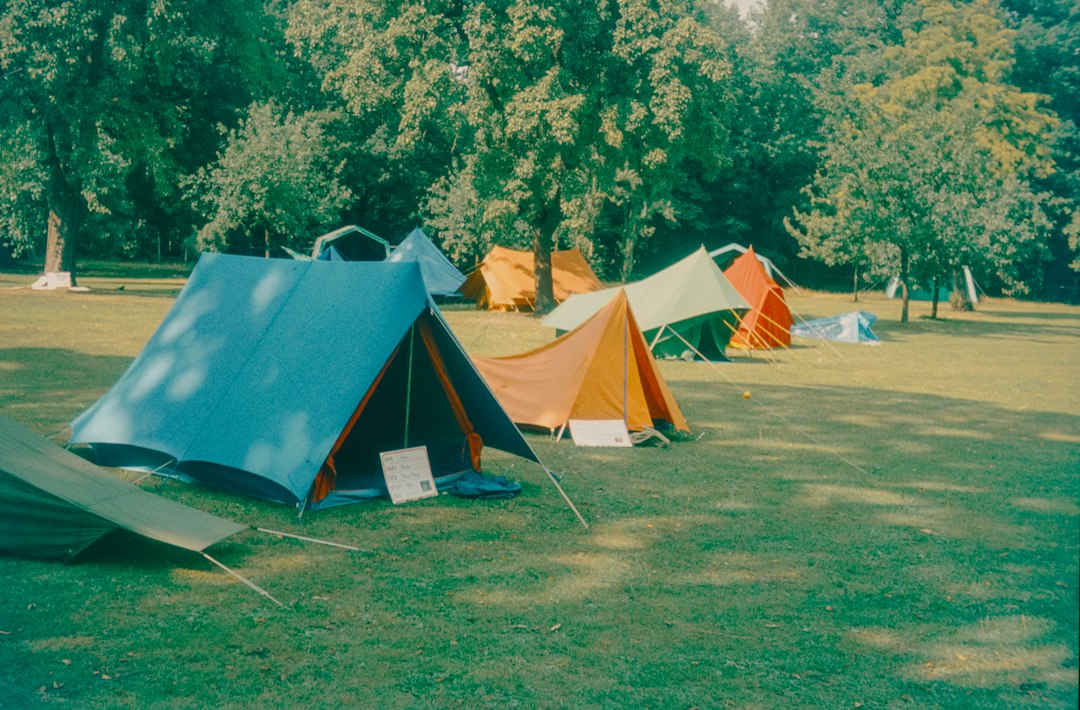
Wild camping offers an unparalleled way to connect with nature, providing solitude, stunning views, and a truly immersive outdoor experience. The UK, with its vast expanses of natural beauty, presents numerous opportunities for those seeking to pitch a tent away from designated campsites. However, wild camping is not simply a case of pitching up anywhere; it requires a deep understanding of the land, respect for the environment, and adherence to specific rules and etiquette.
This guide will navigate you through the essentials of wild camping in the UK for 2026, covering legalities, ethical considerations, essential gear, and a curated list of some of the most breathtaking locations to consider for your next adventure. By understanding and respecting the principles of wild camping, you can ensure these wild spaces remain unspoiled for future generations.
Understanding Wild Camping in the UK: Rules and Etiquette
Wild camping in the UK is a privilege that comes with significant responsibility. Unlike in some other countries, there is no automatic legal right to wild camp in England, Wales, or Northern Ireland. Scotland, however, offers a more permissive approach due to the Scottish Outdoor Access Code. Regardless of location, the spirit of wild camping is about treading lightly and leaving no trace.
Legalities and Permissions for Wild Camping
In Scotland, the Land Reform (Scotland) Act 2003, underpinned by the Scottish Outdoor Access Code, grants responsible access rights. This means you can camp on most undeveloped land, provided you do so responsibly. However, this does not extend to areas like gardens, farm buildings, or enclosed fields without prior permission. In England and Wales, wild camping is generally not permitted on common land or in national parks without the landowner’s express consent. Many wild campers seek permission from farmers or estate owners, which is always the most respectful and legally sound approach. Alternatively, some organisations and landowners offer specific wild camping permits for certain areas.
Leave No Trace Principles for UK Wild Campers
The cornerstone of responsible wild camping is the “Leave No Trace” philosophy. This set of seven principles is crucial for minimising your impact on the natural environment. These include planning ahead and preparing, travelling and camping on durable surfaces, disposing of waste properly, leaving what you find, minimising campfire impacts, respecting wildlife, and being considerate of other visitors. For wild camping, this means packing out absolutely everything you pack in, including food scraps and packaging. Human waste should be buried at least 60 metres away from water sources, paths, and campsites, and fires should only be considered where permitted and absolutely necessary, using existing fire rings where available and ensuring they are fully extinguished.
Essential Gear for UK Wild Camping
Proper preparation with the right gear is paramount for a safe and enjoyable wild camping trip. A reliable, lightweight tent that can withstand varied weather conditions is essential. A warm sleeping bag and a comfortable sleeping mat will ensure a good night’s rest. For cooking, a portable stove and fuel are necessary, as open fires are often discouraged or prohibited. Navigation tools such as a map, compass, and GPS device are vital, especially in remote areas. A first-aid kit, sufficient food and water (or a water filter/purification tablets), a head torch, and appropriate clothing for all weathers are non-negotiable. Don’t forget a trowel for burying human waste and a sturdy backpack to carry it all.
Top 10 Best Places for Wild Camping in the UK – 2026
The UK is blessed with an abundance of stunning landscapes perfect for wild camping. While responsible camping is permitted in many areas, some locations stand out for their beauty, remoteness, and the opportunities they offer for a truly wild experience. Here are ten of the best places to consider for your 2026 wild camping adventures.
Scottish Highlands: Cairngorms National Park
The Cairngorms National Park, a vast wilderness in the heart of Scotland, offers unparalleled opportunities for wild camping. Its dramatic mountains, ancient Caledonian pine forests, and remote glens provide endless possibilities. Finding a secluded spot amidst the heather-covered hills or alongside a tranquil loch is a quintessential Scottish wild camping experience. Remember to adhere strictly to the Scottish Outdoor Access Code and practice Leave No Trace principles.
Lake District National Park: Borrowdale Valley
While the Lake District is popular, the expansive Borrowdale Valley, particularly its higher reaches and less accessible fells, can offer secluded wild camping spots. The dramatic scenery, with towering fells and picturesque valleys, is breathtaking. Seek out higher ground away from popular footpaths and villages for a more solitary experience. Always check local guidelines and be mindful of the sensitive environment.
Snowdonia National Park: Ogwen Valley
Snowdonia’s rugged peaks and glacial valleys provide a dramatic backdrop for wild camping. The Ogwen Valley, with its access to challenging ascents and stunning mountain scenery, can be a rewarding location. While camping directly in busy valleys might be difficult, exploring the higher routes and finding a discreet spot on the slopes can offer a memorable experience. Respect the terrain and any local access restrictions.
Brecon Beacons National Park: Fforest Fawr
The Brecon Beacons, or Bannau Brycheiniog, offers a wilder feel than many other National Parks in England and Wales. Fforest Fawr, a vast area of moorland and woodland, provides more opportunities for dispersed camping, though always with the landowner’s permission. The Dark Sky Reserve status means you can also enjoy incredible stargazing opportunities.
Northumberland National Park: Kielder Forest
Home to the largest man-made lake in Northern Europe and a vast expanse of forest, Kielder offers a unique wild camping experience. While official camping is limited, its remoteness and size mean that with careful planning and respect for the environment, it’s possible to find suitable spots. The forest’s density can provide excellent shelter and seclusion.
Peak District National Park: Kinder Scout
Kinder Scout, the highest point in the Peak District, presents a wild and exposed landscape. While camping is not generally permitted without permission, its remote plateau can offer a sense of true wilderness. Experienced wild campers might find suitable discreet locations on the fringes or in less frequented areas, always prioritising safety and minimal impact.
Exmoor National Park: Dunkery Beacon
Dunkery Beacon, the highest point in Exmoor, offers panoramic views across the moors and out to the Bristol Channel. While camping is restricted, the wilder, less trodden areas of Exmoor’s moorland can provide opportunities for discreet wild camping, often requiring a landowner’s permission. The sense of solitude and the rugged beauty are exceptional.
Yorkshire Dales National Park: Malham Moor
The Yorkshire Dales, with its rolling hills, limestone cliffs, and expansive moorlands, offers a classic British landscape. Areas around Malham Moor can provide remote spots, though permission is often required. The quiet valleys and open fells allow for a sense of freedom and immersion in nature, provided you are discreet and respectful.
Forest of Dean: Symonds Yat
The ancient Forest of Dean, straddling the border of Gloucestershire and Herefordshire, offers a different kind of wild camping. Its dense woodland and the Wye Valley provide a secluded and atmospheric setting. While formal camping is limited, understanding the area and seeking out appropriate, discreet spots can be rewarding. Always check local regulations regarding fires and camping.
Isle of Skye: The Quiraing
The Isle of Skye’s dramatic landscapes are legendary, and the Quiraing, with its otherworldly rock formations and sweeping views, is particularly stunning. While popular, its vastness means that with careful navigation and respect for the environment, it’s possible to find secluded spots away from the main paths. Wild camping here offers an unforgettable connection to Scotland’s wild beauty.
| Location | Key Features | Best for | Considerations |
|---|---|---|---|
| Cairngorms National Park, Scotland | Vast wilderness, mountains, forests, lochs | Remote wilderness experience, solitude | Adhere to Scottish Outdoor Access Code, practice Leave No Trace. |
| Borrowdale Valley, Lake District | Towering fells, picturesque valleys | Stunning mountain scenery | Seek higher, less-frequented areas. Respect the environment. |
| Ogwen Valley, Snowdonia | Rugged peaks, glacial valleys | Challenging hikes, dramatic mountain landscapes | Explore higher routes, be discreet. Check local guidance. |
| Fforest Fawr, Brecon Beacons | Moorland, woodland, Dark Sky Reserve | Stargazing, open moorland feel | Permission often required. Practice minimal impact. |
| Kielder Forest, Northumberland | Large forest, expansive lake | Secluded forest camping, unique landscape | Discretion and respect for the forest ecosystem are key. |
| Kinder Scout, Peak District | Wild, exposed plateau, high moorland | Sense of true wilderness, panoramic views | Camping generally requires permission. Prioritise safety. |
| Dunkery Beacon, Exmoor | Expansive moors, coastal views | Solitude, rugged moorland beauty | Permission is usually necessary. Tread lightly. |
| Malham Moor, Yorkshire Dales | Rolling hills, limestone features, moors | Classic Dales scenery, tranquil valleys | Respect landowners’ rights and the fragile landscape. |
| Forest of Dean | Ancient woodland, Wye Valley | Atmospheric forest camping, river proximity | Adhere to forest regulations regarding camping and fires. |
| The Quiraing, Isle of Skye | Unique rock formations, dramatic coastal views | Unforgettable wild beauty, iconic landscapes | Be mindful of other visitors and the environment. |
How We Selected the Best Wild Camping Spots
Choosing the best locations for wild camping involves more than just identifying beautiful scenery. We have applied a rigorous selection process to ensure our recommendations are not only stunning but also provide a reasonable opportunity for responsible wild camping, considering safety, accessibility, and environmental impact.
Criteria for Inclusion
Our selection prioritised locations that offer a genuine sense of wildness and solitude, away from dense populations and heavily developed areas. We looked for places with varied terrain, from mountain plateaus to remote glens and expansive moorlands. Accessibility was considered in terms of reaching these areas on foot, while also ensuring they are not so easily reached that they become overcrowded. The presence of natural water sources and the potential for good shelter were also factored in.
Safety and Accessibility Considerations
Safety is paramount for any wild camping trip. The selected locations are generally accessible via established walking routes, though some may require more strenuous hiking. We have considered areas where experienced individuals can navigate safely, with awareness of potential hazards such as unpredictable weather and challenging terrain. While remoteness contributes to the wild camping experience, it also means being prepared for self-sufficiency and carrying appropriate safety equipment.
Environmental Impact Assessment
A key aspect of our selection was the environmental sensitivity of the proposed locations. We have focused on areas where the impact of responsible wild camping is likely to be minimal, particularly if campers adhere strictly to Leave No Trace principles. We’ve favoured areas with durable surfaces for pitching tents and where waste disposal can be managed effectively. The goal is to highlight places that can sustain responsible wild camping without suffering degradation.
Planning Your Wild Camping Trip in the UK
Successful wild camping hinges on meticulous planning. Understanding the best times to go, how to navigate safely, and what to do in an emergency will greatly enhance your experience and ensure your safety in the wilderness.
Best Time of Year for Wild Camping
The best time for wild camping in the UK generally falls within the spring and autumn months. During spring (April to June), the landscape awakens, and daylight hours increase, offering pleasant camping conditions. Autumn (September to October) provides crisp air, stunning foliage, and fewer midges. Summer can be warm and appealing, but it also brings more visitors and the prevalence of biting insects like midges, especially in Scotland. Winter wild camping is for the very experienced, requiring advanced skills and equipment due to shorter days, colder temperatures, and potentially hazardous weather.
Navigation and Safety Tips
Always carry a map and compass and know how to use them, even if you have a GPS device. Familiarise yourself with the route before you set off and inform someone of your planned itinerary, including your expected return time. Be aware of the weather forecast and be prepared for rapid changes, especially in mountainous areas. Ensure your mobile phone is fully charged, though signal can be unreliable in remote locations. Consider carrying a whistle for emergencies.
Emergency Preparedness
A well-stocked first-aid kit is essential. Know basic first-aid procedures. Pack extra food and water, or a reliable method for purifying water. In case of a serious emergency, be prepared to stay put and signal for help. Understanding your own limitations and the risks associated with the terrain and weather is crucial. If conditions deteriorate significantly, it is always better to descend or seek shelter than to press on unsafely.