Introduction
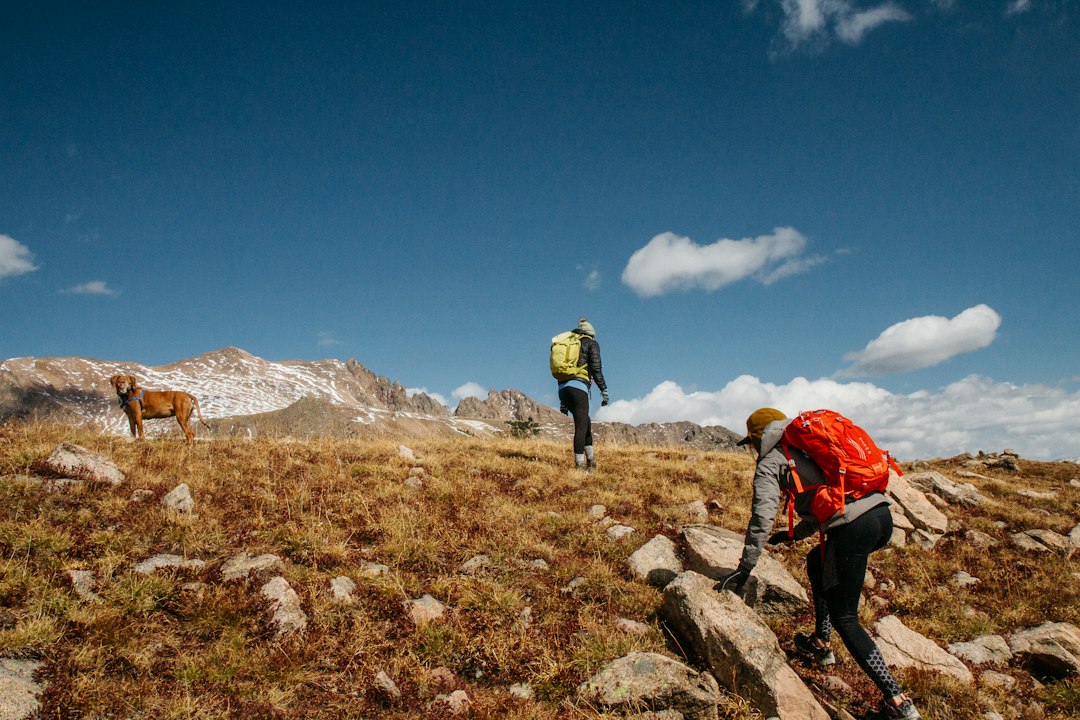
Embarking on a long-distance hike is a transformative experience, pushing physical and mental boundaries while immersing oneself in the unparalleled beauty of nature. In 2026, the allure of these epic journeys continues to grow, attracting hikers, trekkers, and outdoor enthusiasts seeking adventure, solitude, and a deeper connection with the wild. Whether you dream of traversing ancient mountain ranges, crossing vast deserts, or following winding coastal paths, the world offers a tapestry of trails, each with its unique challenges and rewards.
Selecting the right long-distance trail is a crucial first step. It involves careful consideration of personal fitness, desired experience, logistical capabilities, and crucially, the gear required to navigate diverse terrains and unpredictable weather. This guide delves into what makes a long-distance trail truly worthwhile in the current landscape of outdoor pursuits, detailing the rigorous selection process used to curate this list, and providing a concise overview of the world’s premier long-distance hiking trails for 2026. Our aim is to equip you, the intrepid hiker and discerning gear buyer, with the knowledge to choose your next grand adventure and pack accordingly.

What makes a long-distance hiking trail worth the effort in 2026
In 2026, the definition of a “worthwhile” long-distance trail extends beyond mere mileage. It encompasses a holistic experience that offers profound immersion in nature, significant personal challenge, and a sense of accomplishment. Trails that stand out provide spectacular and diverse scenery, from towering peaks and glacial valleys to ancient forests and rugged coastlines. They offer opportunities for solitude and reflection, allowing hikers to disconnect from the digital world and reconnect with themselves and their surroundings. The logistical feasibility is also paramount; well-maintained trails with established resupply points, clear signage, and accessible permit systems enhance the overall experience. Furthermore, trails that present a genuine physical and mental challenge, pushing hikers to their limits while remaining within the bounds of safety and preparedness, are highly valued. The integration of cultural or historical significance along the route adds another layer of depth. Ultimately, a trail is worth the effort if it promises a memorable adventure, fosters personal growth, and leaves hikers with a lasting appreciation for the natural world and their own resilience.
How this list was selected for hikers, trekkers, and outdoor gear buyers
The selection process for this definitive list of the world’s best long-distance hiking trails in 2026 was multifaceted, prioritizing expert insights, trail reputation, and practical considerations for a diverse audience. We began by consulting a broad range of reputable outdoor publications, seasoned thru-hiker forums, and land management agency reports to identify trails consistently lauded for their exceptional quality and appeal. Key selection criteria included:
- Trail Significance: Renowned routes with a rich history, iconic status, or unique natural features.
- Scenery and Biodiversity: Trails traversing exceptionally beautiful and ecologically diverse landscapes.
- Challenge and Reward: A balance of physical and mental rigor that offers significant personal achievement.
- Logistical Viability: Reasonable accessibility, established infrastructure (where applicable), and manageable permit systems for 2026.
- Gear Relevance: Trails that present varied conditions requiring thoughtful and specific outdoor gear selection, providing excellent testing grounds for enthusiasts.
- Hiker Feedback: Consistent positive feedback from the long-distance hiking community regarding the overall experience.
Each trail was evaluated not just for its inherent qualities but also for its suitability for different types of hikers – from novice long-distance adventurers to seasoned trekkers seeking their next ultimate challenge. Special attention was given to trails that offer distinct environmental conditions, necessitating varied gear considerations, thereby serving as ideal platforms for outdoor gear testing and informed purchasing decisions. This comprehensive approach ensures that the final list represents a well-rounded and authoritative guide for planning epic adventures in 2026.
Quick overview of the best long distance hiking trails in world 2026
The world’s premier long-distance hiking trails for 2026 represent a spectacular array of natural beauty and human endurance. From the rugged peaks of the Himalayas to the ancient paths of Europe and the wild expanses of North and South America, these trails offer unparalleled adventure. Highlights include the iconic Appalachian Trail in the United States, a 2,200-mile journey through varied forests and mountains, and the Milford Track in New Zealand, often called “the finest walk in the world,” known for its dramatic fjords and rainforests. The Tour du Mont Blanc circumnavigates Western Europe’s highest peak, offering breathtaking Alpine vistas. For those seeking a desert challenge, the Kalalau Trail in Hawaii presents a stunning coastal trek with perilous cliffs. The Great Wall of China offers a historical dimension alongside its challenging terrain. Each trail demands specific preparation and gear, making them prime locations for testing outdoor equipment and pushing personal limits. These selected trails promise unforgettable experiences for every type of adventurer in the coming year.

How to Choose the Right Long-Distance Trail
Selecting the ideal long-distance hiking trail is a deeply personal decision that hinges on a careful assessment of several critical factors. In 2026, with an ever-expanding array of world-class routes, understanding these elements will significantly enhance your chances of a successful and enjoyable expedition. It’s not just about picking the longest or most famous trail; it’s about finding the one that aligns with your capabilities, aspirations, and logistical readiness.
Distance and total hiking days
The sheer length of a trail is often the most defining characteristic of a long-distance hike. Trails can range from under 100 miles to over 2,000 miles. Consider your available time, your average daily hiking pace, and whether you prefer a continuous thru-hike or a section-by-section approach. For beginners, shorter trails or sections of longer routes are often more manageable. Experienced hikers might seek the ultimate test of endurance offered by multi-month expeditions. Accurately estimating the total hiking days required, factoring in potential rest days and variable conditions, is crucial for planning logistics such as food, accommodation, and transportation.
Difficulty and fitness requirements
Trail difficulty is a complex metric influenced by factors like elevation gain and loss, technical terrain (rocky, rooty, scree), altitude, and remoteness. A trail might be short but intensely steep, or long and relatively flat. Assess your current fitness level honestly. Do you regularly hike with a weighted pack? Are you accustomed to consecutive days of strenuous activity? Many trails are rated on a scale (e.g., easy, moderate, strenuous), but it’s essential to research specific elevation profiles and terrain descriptions. Choosing a trail that matches your fitness will prevent burnout, injury, and disappointment, ensuring the focus remains on enjoyment and achievement.
Best season and climate conditions
Weather is a dominant force on any long-distance trail, dictating comfort, safety, and even feasibility. Research the optimal hiking seasons for your chosen trail. Consider average temperatures, precipitation levels (rain, snow), wind conditions, and potential hazards like extreme heat, monsoons, or heavy snowfall. For example, high-altitude trails may only be accessible during a short summer window, while desert routes are best tackled in cooler shoulder seasons. Understanding the climate will inform your gear choices, particularly clothing layers, and help you avoid dangerous conditions.
Accessibility, permits, and logistics
Practical considerations are vital for long-distance hiking. How will you get to the trailhead? How will you manage resupply points for food and fuel along the way? What are the permit requirements, and how far in advance do you need to apply? Some popular trails require permits obtained months or even a year in advance through lotteries. Others may have minimal regulation. Research transportation options, potential shuttle services, and the availability of accommodations like huts, campgrounds, or towns for resupply. Logistical planning can be as challenging as the hike itself, so thorough research upfront is essential.
Trail surfaces, terrain, and gear demands
The physical nature of the trail dictates the type of gear you’ll need. Are you walking on well-maintained paths, rocky and uneven terrain, muddy tracks, sandy desert, or snow-covered passes? This directly influences footwear choices – sturdy boots for rugged terrain, lighter trail runners for smoother paths. Backpacks need to be appropriately sized for the duration and resupply points. Other gear, such as trekking poles, rain gear, and shelter systems, will also vary based on expected conditions. Understanding the dominant trail surfaces and terrain will help you dial in your gear list for optimal comfort and performance.

Comparison Table of the Best Long Distance Hiking Trails in the World 2026
| Trail Name | Country | Distance (approx.) | Duration (approx.) | Difficulty | Best Season | Gear Notes |
|---|---|---|---|---|---|---|
| Appalachian Trail | USA | 2,200 miles (3,540 km) | 5-7 months | Moderate to Strenuous | Spring to Fall (Northbound) | Layered clothing, sturdy boots, rain gear, bear canister (in some areas) |
| Pacific Crest Trail (PCT) | USA | 2,650 miles (4,265 km) | 4-6 months | Strenuous | Spring to Fall (Northbound) | Lightweight gear, sun protection, water purification, microspikes/ice axe (early season snow) |
| Milford Track | New Zealand | 33 miles (53 km) | 4 days | Moderate | Late October to late April | Waterproofs essential, sturdy footwear, insect repellent |
| Tour du Mont Blanc (TMB) | France, Italy, Switzerland | 105 miles (170 km) | 7-11 days | Moderate to Strenuous | June to September | Layered clothing, waterproofs, good hiking boots, trekking poles |
| Inca Trail | Peru | 26 miles (42 km) | 4 days | Moderate to Strenuous (altitude) | May to September | Warm layers, waterproofs, broken-in hiking boots, sun protection |
| West Coast Trail | Canada | 47 miles (75 km) | 5-7 days | Strenuous | May to September | Waterproofs, sturdy boots, quick-dry clothing, waterproof pack cover |
| Te Araroa | New Zealand | 1,864 miles (3,000 km) | 3-6 months | Strenuous | October to April (North to South) | Versatile layers, waterproofs, durable footwear, water filter, bug net |
| GR20 | France (Corsica) | 112 miles (180 km) | 12-15 days | Very Strenuous | June to September | Lightweight but durable gear, good grip boots, poles, light shelter |
| Annapurna Circuit | Nepal | 100-145 miles (160-230 km) | 15-24 days | Strenuous (altitude & terrain) | Spring (Mar-May) & Autumn (Sep-Nov) | Warm layers, down jacket, waterproofs, sturdy boots, altitude sickness medication |
| John Muir Trail (JMT) | USA | 211 miles (340 km) | 10-20 days | Strenuous | July to September | Lightweight backpacking gear, bear canister, sun protection, water filter |
1. Appalachian Trail
Appalachian Trail
⏱️ Duration: 5-7 months
⛰️ Elevation Gain: ~460,000 ft (140,000 m)
👍 Pros
- Iconic status and rich history.
- Vast biodiversity and changing forest scenery.
- Established community of hikers (“trail family”).
- Numerous shelters and established campsites.
- Abundant resupply points in small towns.
👎 Cons
- Can be crowded, especially during peak season.
- Muddy conditions are common (“the green tunnel”).
- Requires significant time commitment.
- Steep ascents and descents can be taxing.
- Black bear encounters are possible; proper food storage required.
The Appalachian Trail (AT), stretching from Georgia to Maine, is one of the most famous long-distance trails globally. Its immense length and sustained challenges make it a premier thru-hiking destination. While often referred to as “the green tunnel” due to its passage through dense forests, the AT offers seasonal beauty with spring wildflowers and vibrant autumn foliage. Its well-established network of shelters and abundant resupply points in charming towns along the route facilitate logistics for thru-hikers. However, its popularity means sections can be crowded, particularly during the northbound thru-hiking season (typically March-September). Mud is a persistent feature, demanding durable footwear and a positive attitude. Bear canisters are recommended or required in certain sections to protect wildlife and hikers’ food supplies.
The Appalachian Trail is a legendary footpath through the eastern United States, offering a quintessential long-distance hiking experience. Its 2,200 miles wind through 14 states, presenting a diverse ecosystem of deciduous forests, rolling mountains, and occasional rugged terrain. For aspiring thru-hikers, the AT represents a significant undertaking, typically requiring five to seven months to complete. The trail’s difficulty is characterized by frequent, steep climbs and descents, contributing to an accumulated elevation gain equivalent to scaling Mount Everest over 16 times. While much of the trail traverses dense woodlands, providing a sense of seclusion, hikers often form strong bonds with fellow travelers, creating a unique trail community. The numerous shelters and designated campsites along the route offer basic refuge, while small towns provide essential resupply points for food and gear. Navigating the AT demands robust gear, including reliable waterproofs, supportive footwear capable of handling mud and rocks, and a well-fitting backpack. Bear safety, including proper food storage, is also a critical consideration. The trail’s inherent challenges and rich cultural history make it a profoundly rewarding, albeit demanding, adventure for those seeking to test their endurance and immerse themselves in the wild heart of the East Coast.
2. Pacific Crest Trail (PCT)
Pacific Crest Trail (PCT)
⏱️ Duration: 4-6 months
⛰️ Elevation Gain: ~480,000 ft (146,000 m)
👍 Pros
- Incredible scenic diversity: desert, high Sierras, volcanic ranges, forests.
- Less crowded than the AT for most of its length.
- Offers solitude and remote wilderness experiences.
- Iconic landscapes like the Sierra Nevada and Cascade mountains.
- Well-documented route with extensive hiker resources.
👎 Cons
- Significant logistical challenges (permits, water sources, resupply).
- Extreme weather: desert heat, Sierra snow, potential for wildfires.
- Long stretches with scarce water.
- Requires advanced planning and navigation skills.
- Early season snow in the Sierras can require ice axe and crampons.
The Pacific Crest Trail (PCT) is a 2,650-mile long-distance footpath traversing the Western United States, from the Mexican border in California to the Canadian border in Washington. It is renowned for its dramatic scenery, including deserts, the formidable Sierra Nevada mountain range, and the volcanic peaks of the Cascades. Thru-hiking the PCT typically takes four to six months, presenting significant physical and logistical challenges. Water availability is a critical concern, particularly in the southern desert sections, requiring careful planning and often carrying large quantities. The Sierra Nevada section, usually hiked in summer, can still hold significant snow, necessitating specialized gear like microspikes and an ice axe for safe passage. Permits for the trail and entry into certain wilderness areas are highly competitive and must be obtained well in advance. Wildfires are an increasing concern during the summer months, often forcing trail closures. Lightweight backpacking gear is essential to manage the substantial daily mileage and elevation changes.
Stretching over 2,650 miles from the sun-baked deserts of Mexico to the lush forests bordering Canada, the Pacific Crest Trail (PCT) is a monumental trek through the diverse landscapes of the American West. This iconic trail offers an unparalleled journey through deserts, alpine meadows, and volcanic ranges, showcasing some of the continent’s most breathtaking scenery. Completing a thru-hike typically takes between four and six months, demanding exceptional physical fitness and mental fortitude. The logistical planning for the PCT is arguably as challenging as the hike itself. Hikers must contend with long stretches between reliable water sources, particularly in the initial desert sections, necessitating meticulous planning and carrying ample hydration. Permits for the trail and critical sections like National Parks are highly sought after and require advance application. The formidable Sierra Nevada range presents a significant challenge, often requiring hikers to navigate lingering snowfields in early season, making tools like ice axes and microspikes essential. Lightweight gear is paramount to managing the substantial mileage and consistent elevation changes encountered. The PCT is a true test of self-reliance and offers profound solitude, rewarding hikers with a deep connection to the wilderness and a powerful sense of accomplishment.
3. Milford Track
Milford Track
⏱️ Duration: 4 days
⛰️ Elevation Gain: ~1,800 ft (550 m) ascent, ~3,300 ft (1,000 m) descent
👍 Pros
- Spectacularly beautiful scenery: mountains, fiords, rainforests, waterfalls.
- “Finest walk in the world” reputation.
- Well-maintained path and excellent hut facilities.
- Relatively short and achievable for many fitness levels.
- Guided options available for added comfort.
👎 Cons
- Requires booking far in advance due to high demand.
- Limited hiking season (Great Walks Season).
- Can be very wet and muddy.
- Strict time limits for completion.
- Relatively expensive compared to other trails.
The Milford Track, located in New Zealand’s Fiordland National Park, is a 33-mile trail often hailed as one of the most scenic walks globally. It traverses dramatic landscapes including ancient beech forests, alpine passes, and glacial valleys, culminating in the awe-inspiring Milford Sound. The trail is typically completed in four days and three nights. Due to its immense popularity and to protect the fragile environment, hiking is restricted to the Great Walks season (late October to late April), and permits/bookings are essential, often selling out months in advance. The weather in Fiordland is notoriously wet, meaning hikers must be prepared for rain, mud, and potentially swollen rivers. Sturdy, waterproof hiking boots are crucial, as are high-quality waterproof clothing and reliable rain gear. While the trail is well-maintained, the terrain involves significant ascents and descents, making moderate fitness necessary. The huts provide basic bunks and cooking facilities, enhancing the comfort of this trek.
Often lauded as “the finest walk in the world,” New Zealand’s Milford Track delivers an unparalleled visual feast within Fiordland National Park. This relatively short, 33-mile journey is a masterclass in natural beauty, guiding hikers through lush, temperate rainforests, across dramatic alpine passes, and alongside pristine glacial rivers, all culminating in the majestic spectacle of Milford Sound. The trek is typically accomplished over four days, making it accessible to a broader range of hikers than more extensive thru-hikes, provided they are moderately fit and prepared for the terrain. The trail itself is meticulously maintained, and the Department of Conservation provides well-equipped huts with cooking facilities, bunks, and heating, significantly enhancing the comfort of the experience. However, Fiordland’s environment is synonymous with rain, and hikers must be prepared for wet conditions year-round, making high-quality waterproofs and robust, waterproof hiking boots non-negotiable gear items. Bookings for the limited hiking season (late October to late April) are highly competitive and must be secured well in advance. The combination of stunning scenery, manageable duration, and comfortable hut accommodations makes the Milford Track a bucket-list achievement for many.
4. Tour du Mont Blanc (TMB)
Tour du Mont Blanc (TMB)
⏱️ Duration: 7-11 days
⛰️ Elevation Gain: ~32,000 ft (9,600 m)
👍 Pros
- Spectacular, ever-changing views of Mont Blanc massif.
- Traverses three countries: France, Italy, and Switzerland.
- Excellent mountain scenery and alpine flora.
- Well-developed network of refuges and towns for accommodation/resupply.
- Option for hut-to-hut hiking with lightweight pack.
👎 Cons
- Can be crowded, especially in July and August.
- Significant daily elevation changes.
- Steep ascents and descents can be demanding.
- Weather can be unpredictable; snow possible even in summer.
- Requires booking refuges in advance.
The Tour du Mont Blanc (TMB) is a renowned trekking circuit around the Mont Blanc massif, Europe’s highest peak, spanning France, Italy, and Switzerland. This approximately 105-mile route is typically completed in 7 to 11 days, offering breathtaking panoramic views of glaciers, rugged peaks, and verdant valleys. The trail involves substantial daily elevation gains and losses, with ascents and descents often reaching over 3,000 feet per day, demanding good physical condition. The best hiking season is generally from June to September, when most refuges are open and snow has typically cleared from higher passes. However, mountain weather is notoriously fickle, and hikers should be prepared for rain, wind, and even snow at higher elevations. The TMB is well-served by a network of mountain refuges (huts) and towns, allowing for a hut-to-hut trek with a lighter pack, focusing on day-to-day navigation and enjoyment rather than carrying extensive camping gear. Booking accommodation in advance, especially during peak season, is essential. Good hiking boots with ankle support, layered clothing, and waterproofs are key gear components.
Circumnavigating Western Europe’s highest peak, the Tour du Mont Blanc (TMB) offers an unforgettable 105-mile journey through a triumvirate of stunning Alpine nations: France, Italy, and Switzerland. This classic trek, typically completed over 7 to 11 days, provides continuous, jaw-dropping vistas of the Mont Blanc massif, including its formidable glaciers, snow-capped summits, and lush, flower-strewn valleys. The TMB is characterized by its demanding daily ascents and descents, often involving thousands of feet of elevation change, making it a physically challenging yet immensely rewarding adventure. The optimal hiking window spans from June through September, ensuring access to the numerous mountain refuges and villages that dot the route, which serve as convenient points for accommodation and resupply. This allows for a predominantly hut-to-hut hiking experience, enabling trekkers to carry lighter packs focused on daily essentials. However, the Alpine environment necessitates preparedness for rapidly changing weather, including potential snow even during summer months. Therefore, essential gear includes sturdy, supportive hiking boots, a versatile layering system for clothing, reliable waterproof and windproof outer shells, and trekking poles to aid stability on steep terrain. The TMB is an ideal choice for those seeking a world-class European mountain experience with a well-established infrastructure.
5. Inca Trail
Inca Trail
⏱️ Duration: 4 days
⛰️ Elevation Gain: ~4,500 ft (1,370 m) ascent, ~3,000 ft (915 m) descent
👍 Pros
- Direct route to the iconic Machu Picchu citadel.
- Rich historical and archaeological significance.
- Stunning Andean scenery, cloud forests, and mountain passes.
- Well-organized tours with guides and porters.
- A truly unique cultural experience.
👎 Cons
- Requires booking months in advance; permits are limited.
- Closed in February for maintenance.
- Altitude can be a significant challenge.
- Strenuous climbs, especially Dead Woman’s Pass.
- Can be crowded, with strict group regulations.
The classic Inca Trail to Machu Picchu is a 26-mile trek through the Peruvian Andes, renowned for its historical significance and breathtaking scenery. This iconic trail is not a wilderness expedition in the traditional sense but rather a managed trek, typically undertaken over four days, culminating at the legendary Inca citadel. Due to its immense popularity and the need to preserve the fragile archaeological sites, permits are strictly limited and sell out months in advance, with the trail closed each February. The route involves significant altitude, reaching over 13,000 feet at Dead Woman’s Pass, making acclimatization crucial. The trail features a mix of stone steps and dirt paths, with steep ascents and descents that can be physically demanding. Hikers must travel with licensed tour operators who provide guides, porters, and cooks. Essential gear includes warm layers, waterproof clothing, sturdy, broken-in hiking boots, sun protection (hat, sunglasses, sunscreen), and medication for altitude sickness if recommended. The experience is a unique blend of physical challenge, historical exploration, and cultural immersion.
The legendary Inca Trail offers a 26-mile pilgrimage through the heart of the Peruvian Andes, culminating in the awe-inspiring discovery of Machu Picchu. This ancient pathway, steeped in history and surrounded by dramatic mountain landscapes, cloud forests, and pre-Columbian ruins, provides a truly immersive cultural and physical journey. Typically completed over four days, the trek involves navigating both well-preserved Inca stonework and natural trails, ascending to dizzying heights, including the infamous Dead Woman’s Pass at over 13,000 feet. Acclimatization to the altitude is a critical prerequisite for undertaking this hike. Due to its extreme popularity and conservation efforts, permits are highly restricted and must be booked many months in advance, with the trail closed annually in February. Hikers must join organized tours, which include licensed guides, porters to carry main gear, and cooks, ensuring a well-supported experience. Essential gear comprises warm, layered clothing suitable for fluctuating temperatures, robust waterproof outer layers, sturdy and well-tested hiking boots, and comprehensive sun protection. The Inca Trail is more than just a hike; it’s a passage through history and a profound encounter with the Andean world.
6. West Coast Trail
West Coast Trail
⏱️ Duration: 5-7 days
⛰️ Elevation Gain: ~10,000 ft (3,050 m) accumulated
👍 Pros
- Rugged, remote coastal wilderness experience.
- Stunning ocean views, temperate rainforests, sea stacks.
- Abundant wildlife viewing opportunities (whales, sea lions, eagles).
- Challenging terrain with ladders, mud, and cable cars.
- Sense of accomplishment after completing a demanding trek.
👎 Cons
- Requires booking far in advance; very high demand.
- Strenuous and technically challenging terrain.
- Mud is pervasive and can be deep.
- Weather is typically wet and unpredictable.
- Requires specific gear for creek crossings and steep sections.
The West Coast Trail, located on the rugged western edge of Vancouver Island, British Columbia, Canada, is a 47-mile backcountry trail renowned for its challenging terrain and spectacular coastal scenery. Primarily a former search-and-rescue route, it traverses temperate rainforests, muddy bogs, sandy beaches, and sea cliffs, often requiring hikers to navigate steep ladders, cable cars over rivers, and extensive mud. The trail is typically completed in 5 to 7 days. Due to extreme demand, permits are highly sought after and must be booked months in advance for the season, which runs from May to September. The weather is notoriously wet and unpredictable, even during summer, making high-quality waterproof gear, including boots and rainwear, absolutely essential. Quick-drying clothing is also advisable. The trail presents a significant physical challenge due to the constant mud, steep ascents and descents, and frequent obstacles. Proper footwear with excellent grip is critical for navigating the slippery, uneven surfaces. Wildlife sightings, including whales, sea lions, and bald eagles, are common, adding to the immersive wilderness experience.
The West Coast Trail, etched into the dramatic coastline of Vancouver Island, British Columbia, is a 47-mile testament to the raw power and beauty of the Pacific Northwest wilderness. This legendary trail is not for the faint of heart, demanding a high level of fitness and resilience to navigate its notoriously challenging terrain. Over 5 to 7 days, hikers are immersed in a world of towering temperate rainforests, windswept beaches dotted with sea stacks, and rugged cliffs offering stunning ocean vistas. The trail is infamous for its pervasive mud, numerous steep ladders that ascend cliff faces, and unique cable car systems used to cross rivers, demanding constant engagement and careful foot placement. Permits are exceptionally limited and highly competitive, necessitating booking many months ahead for the May-September season. The Pacific coastal weather is famously unpredictable, guaranteeing ample opportunity to test waterproof gear, making robust rain jackets, waterproof pants, and quick-drying clothing indispensable. Sturdy hiking boots with superior traction are paramount for stability on slippery logs, rocks, and muddy inclines. Wildlife encounters are frequent, adding another layer of wonder to this demanding yet incredibly rewarding expedition into one of Canada’s most iconic wilderness areas.
7. Te Araroa
Te Araroa
⏱️ Duration: 3-6 months
⛰️ Elevation Gain: Varies significantly by section
👍 Pros
- Crosses the entire length of New Zealand, showcasing diverse landscapes.
- Combines coastal paths, forests, mountains, and river valleys.
- Offers a deep immersion into New Zealand’s natural beauty and culture.
- Well-marked in most sections, with a strong online community support.
- Varied hiking experiences from easy walks to strenuous climbs.
👎 Cons
- Requires significant time commitment and logistical planning.
- Variable terrain demands versatile gear.
- Weather can be extreme and rapidly changing.
- Some sections involve road walking or difficult river crossings.
- Requires resilience and adaptability.
Te Araroa, meaning “The Long Pathway” in Māori, is a 1,864-mile trail that traverses the length of New Zealand, from Cape Reinga in the north to Bluff in the south. It offers an extraordinary journey through a remarkable diversity of landscapes, including pristine beaches, ancient forests, volcanic regions, rolling farmland, and challenging alpine passes. Completing the trail typically takes three to six months, making it a significant undertaking akin to the major North American long trails. The trail is best hiked southbound from October to April to take advantage of favorable weather and track conditions, avoiding the worst of the North Island’s sandflies and the South Island’s winter snows. Logistical planning is extensive, involving navigation across varied terrains, potential river crossings, and coordinating resupply points. Gear needs to be versatile, capable of handling everything from hot coastal walks to potentially cold, wet mountain conditions. This includes a reliable three-season tent, a warm sleeping bag, waterproof outer layers, and sturdy hiking footwear. The trail provides a profound connection with New Zealand’s natural environment and unique cultural heritage.
Te Araroa, translating to “The Long Pathway,” is an epic 1,864-mile adventure that spans the entirety of New Zealand, from its northernmost tip to its southern extremity. This ambitious trail offers an unparalleled exploration of the country’s diverse natural beauty, weaving through a stunning tapestry of landscapes. Hikers will journey across sun-drenched beaches, delve into ancient temperate rainforests, traverse rugged volcanic terrain, navigate serene river valleys, and ascend challenging mountain ranges. Completing Te Araroa is a multi-month commitment, typically requiring three to six months, and demands rigorous planning and a high degree of adaptability. The trail is best undertaken southbound between October and April, aligning with generally more favorable weather patterns and minimizing challenges like the infamous North Island sandflies and South Island winter snows. Logistical planning is paramount, encompassing navigation through varied environments, managing potentially hazardous river crossings, and coordinating resupply strategies. Consequently, gear must be exceptionally versatile: a robust three-season tent for unpredictable weather, a warm sleeping system, reliable waterproof and windproof outer shells, and durable hiking footwear capable of handling a wide range of surfaces are essential. Te Araroa offers a profound, intimate encounter with New Zealand’s unique environments and rich Māori culture.
8. GR20
GR20
⏱️ Duration: 12-15 days
⛰️ Elevation Gain: ~40,000 ft (12,200 m) accumulated
👍 Pros
- Considered one of Europe’s toughest treks.
- Spectacular, rugged mountain scenery of Corsica.
- Chain of refuges and basic bivouac sites.
- Sense of extreme accomplishment upon completion.
- Unique biodiversity and landscape.
👎 Cons
- Extremely challenging terrain: steep, rocky, requires scrambling.
- Requires good physical fitness and a head for heights.
- Can be very hot in mid-summer.
- Limited water sources in some sections.
- Requires booking refuges or carrying camping gear.
The GR20 is a legendary long-distance trail on the French island of Corsica, widely regarded as one of Europe’s most demanding treks. Covering approximately 112 miles, it traverses the island’s rugged central mountain spine. The trail is characterized by its extremely technical and exposed terrain, often involving scrambling over granite rock, navigating narrow ridges, and using fixed ropes or chains in steeper sections. This route is not a simple hike but a genuine mountain challenge requiring a good head for heights and excellent physical condition. Thru-hiking the GR20 typically takes 12 to 15 days. The best season is from June to September, though July and August can be excessively hot. Hikers can opt for a hut-to-hut approach, staying in Corsican refuges (gîtes d’étape) or basic bivouac sites, or carry camping gear. Essential equipment includes lightweight yet durable gear, extremely sturdy hiking boots with excellent grip, trekking poles for stability, and reliable sun protection. Water sources can be scarce in certain areas, necessitating careful planning and carrying sufficient water or a reliable filter.
The GR20, traversing the mountainous spine of the French island of Corsica, stands as one of Europe’s most formidable and exhilarating long-distance treks. This 112-mile trail is renowned not merely for its length but for its sheer technical difficulty, demanding significant scrambling skills, a strong head for heights, and exceptional physical conditioning. Over approximately 12 to 15 days, hikers navigate a landscape of dramatic granite peaks, sheer ridges, and deep ravines, often utilizing fixed ropes and chains to overcome challenging sections. The trail’s ruggedness is matched only by its breathtaking beauty, offering stunning panoramas of the Mediterranean island. The prime hiking season runs from June through September, though mid-summer can bring intense heat. Hikers must be prepared for variable conditions, including potentially scarce water sources in certain areas, necessitating careful planning and carrying adequate hydration or a reliable water filter. Accommodation options include Corsican refuges and basic bivouac sites, requiring advance booking, or carrying full camping gear. Essential equipment focuses on durability and performance: robust, high-traction hiking boots are critical, complemented by lightweight yet sturdy clothing layers, reliable waterproofs, and trekking poles to aid balance on the treacherous terrain. Completing the GR20 is a badge of honor for serious trekkers.
9. Annapurna Circuit
Annapurna Circuit
⏱️ Duration: 15-24 days
⛰️ Elevation Gain: Up to 17,769 ft (5,416 m) at Thorong La Pass
👍 Pros
- Incredible cultural immersion in Himalayan villages.
- Stunning views of the Annapurna and Dhaulagiri massifs.
- Diverse landscapes from subtropical forests to high alpine desert.
- Highest point at Thorong La Pass offers unparalleled Himalayan vistas.
- Well-established teahouse trekking route.
👎 Cons
- High altitude poses significant risk of altitude sickness.
- Thorong La Pass can be challenging due to snow and ice.
- Road construction has altered parts of the traditional route.
- Requires good physical fitness and acclimatization strategy.
- Can be cold, especially at higher elevations.
The Annapurna Circuit is a classic trek in the Nepalese Himalayas, offering a captivating blend of cultural immersion and spectacular mountain scenery. The route, typically ranging from 100 to 145 miles, can take 15 to 24 days to complete, depending on the chosen variation and pace. It circles the Annapurna massif, providing breathtaking views of some of the world’s highest peaks, including Annapurna I and Dhaulagiri. The trail’s diversity is remarkable, transitioning from lush subtropical valleys to arid, high-altitude desert landscapes as it approaches the formidable Thorong La Pass, which stands at an elevation of 17,769 feet (5,416 meters). This high altitude presents a significant risk of altitude sickness, necessitating a gradual acclimatization schedule. The pass itself can be snow-covered and challenging, especially outside the main trekking seasons. The trek is primarily a teahouse route, meaning hikers stay in local lodges that offer meals and accommodation, allowing for a lighter pack. The best seasons are spring (March-May) and autumn (September-November) for clearer skies and moderate temperatures, although it remains cold at higher elevations. Essential gear includes warm layers, a down jacket, waterproofs, sturdy trekking boots, and altitude sickness medication.
The Annapurna Circuit in Nepal is an iconic Himalayan trek renowned for its profound cultural encounters and awe-inspiring mountain vistas. Spanning approximately 100 to 145 miles, this journey typically unfolds over 15 to 24 days, immersing trekkers in the diverse landscapes and rich traditions of the region. The circuit navigates a dramatic transition from verdant subtropical foothills to the stark, high-altitude desert environment that characterizes the approach to the majestic Annapurna and Dhaulagiri ranges. The physical centerpiece of the trek is the crossing of Thorong La Pass, a challenging ascent to an astounding 17,769 feet (5,416 meters), which offers unparalleled panoramic views of the surrounding Himalayan giants. However, the extreme altitude demands careful acclimatization to mitigate the risk of altitude sickness. The trail is predominantly a “teahouse trek,” providing lodges along the route that offer meals and lodging, simplifying logistics and allowing hikers to travel with lighter packs. The best times to embark on this adventure are the spring (March-May) and autumn (September-November) months, offering clearer skies and more moderate temperatures, although significant warmth is still required for the higher elevations. Critical gear includes comprehensive warm layering systems, a down-insulated jacket, reliable waterproof outerwear, sturdy trekking boots, and preparedness for altitude-related challenges.
10. John Muir Trail (JMT)
John Muir Trail (JMT)
⏱️ Duration: 10-20 days
⛰️ Elevation Gain: ~49,000 ft (14,900 m) accumulated
👍 Pros
- Spectacular High Sierra scenery: granite peaks, alpine lakes, meadows.
- Relatively well-maintained trail for its remoteness.
- Sense of wilderness and solitude in a protected area.
- Iconic Yosemite and Sequoia/Kings Canyon National Parks.
- Excellent opportunity for lightweight backpacking.
👎 Cons
- Permits are extremely competitive and difficult to obtain.
- High altitude requires acclimatization.
- Can have snow at higher elevations well into summer.
- Requires bear canister for food storage.
- Steep passes and challenging terrain in sections.
The John Muir Trail (JMT) is a 211-mile wilderness path through California’s spectacular Sierra Nevada mountains, running between Yosemite Valley and Mount Whitney, the highest peak in the contiguous United States. This trail is celebrated for its stunning alpine scenery, including granite domes, crystal-clear lakes, and expansive meadows. Hiking the JMT typically takes between 10 and 20 days, with an accumulated elevation gain of approximately 49,000 feet. Permits are notoriously difficult to secure, often requiring luck in lotteries or applying months in advance. The trail is generally best hiked from July to September, after the snow has melted from the high passes, though lingering snow is possible even in mid-summer. High altitude is a constant factor, necessitating acclimatization. Bear canisters are mandatory for food storage to protect both hikers and the local black bear population. Lightweight backpacking gear is highly recommended to manage the demanding terrain and elevation changes. The JMT offers a quintessential High Sierra backpacking experience, demanding preparedness and offering immense natural rewards.
The John Muir Trail (JMT) is a 211-mile odyssey through the heart of California’s majestic Sierra Nevada mountain range, stretching from the iconic Yosemite Valley to the summit of Mount Whitney, the highest point in the contiguous United States. This trail is a purist’s dream, offering an unparalleled immersion in high-alpine wilderness characterized by towering granite peaks, pristine turquoise lakes, expansive wildflower meadows, and dramatic passes. Typically completed over 10 to 20 days, the JMT presents a significant physical challenge, with an accumulated elevation gain approaching 49,000 feet, demanding strong endurance and careful pacing. Securing permits for this highly sought-after trail is exceptionally competitive, often involving a lottery system with applications submitted many months in advance. The ideal hiking window is generally from July through September, when the high passes are typically clear of snow, although early-season hikers may still encounter winter conditions. Acclimatization to the considerable altitude is essential for safety and comfort. Mandatory bear canisters are required for all food storage, a critical measure for wildlife protection. Given the demanding terrain and elevation, lightweight backpacking gear is strongly advised, allowing hikers to move more efficiently. The JMT offers a profound wilderness experience, showcasing the breathtaking grandeur of the High Sierra.
Trail Types Compared for Different Hiker Goals
Choosing the right long-distance trail depends heavily on individual hiker goals, experience levels, and desired outcomes. Not all trails are created equal, and understanding the nuances of different types of long-distance hikes can help you find the perfect adventure for 2026.
Best for first-time long-distance hikers
For those new to the world of multi-day trekking, trails that offer a balance of challenge, scenery, and logistical support are ideal. The Milford Track in New Zealand, with its well-maintained path, comfortable huts, and relatively short duration (4 days), is an excellent starting point. Similarly, sections of the Appalachian Trail in the USA, particularly shorter, well-trafficked segments, can provide a taste of thru-hiking without the full commitment. These trails often have clear signage, established resupply points, and a strong community presence, offering a supportive environment for beginners.
Best for scenic bucket-list experiences
Trails that are globally renowned for their breathtaking beauty and iconic landscapes are perfect for those seeking a once-in-a-lifetime experience. The Inca Trail to Machu Picchu in Peru offers a unique blend of history and stunning Andean scenery. The Tour du Mont Blanc (TMB) circumnavigates Europe’s highest peak, providing continuous jaw-dropping Alpine vistas. For sheer dramatic beauty, New Zealand’s Milford Track and Te Araroa trail are hard to beat. These trails promise unforgettable views and photo opportunities.
Best for remote wilderness adventures
Hikers craving solitude and a deep immersion in untouched nature might choose trails known for their remoteness and challenging wilderness character. The Pacific Crest Trail (PCT) in the USA offers vast stretches of solitude through diverse ecosystems, though requires significant self-sufficiency. Canada’s West Coast Trail provides a rugged coastal wilderness experience with challenging terrain and limited access. For an extended, wild journey, New Zealand’s Te Araroa offers immense solitude and diverse natural environments across its 1,864 miles.
Best for challenging multi-week expeditions
For the truly ambitious, trails that demand significant time, physical endurance, and mental toughness are the ultimate test. The Appalachian Trail and Pacific Crest Trail in the USA are classic multi-month expeditions. Nepal’s Annapurna Circuit offers a high-altitude challenge over several weeks. Europe’s GR20 in Corsica is a shorter, but exceptionally demanding, multi-week trek known for its technical difficulty. These expeditions require meticulous planning, robust gear, and a high level of fitness.
Best for budget-conscious hikers
While many long-distance trails can be expensive due to travel, permits, and gear, some offer more budget-friendly options. Trails in regions with lower costs of living, such as parts of Nepal (Annapurna Circuit), can be more affordable once you are on the ground, especially if utilizing local teahouses. Wilderness trails in the US like the Appalachian Trail or John Muir Trail (JMT), while requiring gear investment, have minimal permit fees compared to some international routes and offer dispersed camping as a free accommodation option. Planning meals carefully and utilizing towns for resupply strategically can also significantly reduce costs.
Gear Planning by Trail Conditions
Proper gear selection is paramount for safety, comfort, and success on any long-distance hike. The specific demands of each trail necessitate tailored equipment choices. Understanding how different conditions impact gear needs is crucial for effective planning.
Best footwear for rugged, muddy, or rocky terrain
For trails like the West Coast Trail or GR20, which feature extensive mud, rocks, and uneven surfaces, sturdy, mid-to-high cut hiking boots with excellent ankle support and aggressive tread patterns are essential. Look for waterproof membranes (like Gore-Tex) to keep feet dry in wet conditions, though breathability can be a trade-off. For less technical but still demanding trails like the Appalachian Trail, durable trail runners with good cushioning and grip, or lighter hiking boots, can suffice. Insulated and waterproof socks made from merino wool or synthetic blends are critical to prevent blisters and manage moisture.
Clothing layers for variable weather and altitude
The foundation of effective layering is a moisture-wicking base layer (synthetic or merino wool) to manage sweat. Mid-layers, such as fleece jackets or insulated synthetic vests, provide warmth. An outer shell, consisting of a waterproof and windproof jacket and pants, is crucial for protection against rain and wind, especially on exposed mountain routes like the TMB or Annapurna Circuit. For high-altitude treks, consider a down or synthetic insulated jacket for significant warmth. Adjusting these layers based on changing conditions is key to maintaining a comfortable body temperature.
Backpack capacity for multi-day and multi-week routes
Backpack size is dictated by the length of the hike and resupply frequency. For shorter treks (under a week) with regular resupply, a 40-60 liter pack may suffice. For multi-week expeditions like the PCT or Te Araroa, a 60-80 liter pack is generally needed to accommodate food, shelter, sleeping gear, and extra clothing. The pack should fit comfortably, distribute weight evenly, and have adjustable straps. A good internal frame and hip belt are vital for carrying heavier loads on trails like the JMT.
Navigation, hydration, and safety essentials
Reliable navigation tools are non-negotiable. This includes a physical map and compass (and knowing how to use them), supplemented by a GPS device or smartphone with offline maps. For hydration, a water reservoir (like a CamelBak) or water bottles, along with a water filter or purification tablets, are essential, especially on trails with scarce water sources like the PCT. Safety essentials include a first-aid kit, headlamp with extra batteries, knife or multi-tool, emergency shelter (bivy sack or tarp), fire starter, sunscreen, insect repellent, and a signaling device (whistle or mirror). On bear-populated trails like the AT or JMT, a bear canister is mandatory.
Cold-weather, desert, and tropical gear considerations
Cold-weather: For high-altitude or winter treks like the Annapurna Circuit or early-season PCT, prioritize a warm sleeping bag (rated for expected low temperatures), insulated layers, waterproof/windproof outer shells, insulated gloves and hat, and potentially microspikes or an ice axe for snow/ice travel.
Desert: Trails like the southern PCT require excellent sun protection (wide-brimmed hat, sunglasses, long-sleeved UPF clothing), robust water carrying capacity, and a reliable water filter. Lightweight, breathable clothing is key to managing heat.
Tropical: Trails in humid, tropical environments like parts of Te Araroa or Hawaii’s Kalalau Trail necessitate quick-drying clothing, effective insect repellent (DEET-based), and a focus on ventilation to prevent overheating and chafing. Waterproof gear is still important due to frequent rain.
Accessibility, Permits, and Planning Tips
Successful long-distance hiking hinges on meticulous planning, particularly regarding logistics like permits, transportation, and accommodation. These elements often present as significant challenges as the physical demands of the trail itself.
Permit requirements and booking windows
Many popular long-distance trails, such as the Inca Trail, West Coast Trail, PCT, and JMT, require permits that are often highly competitive and must be booked months, sometimes over a year, in advance. Research the specific permit system for your chosen trail well ahead of time. Lotteries, timed online releases, and quotas are common. Some trails, like the Appalachian Trail, do not require a thru-hike permit but may need permits for specific sections or camping in certain areas. Always verify current requirements directly with the managing land agencies.
Shuttle, transport, and resupply access
Getting to the trailhead and arranging transportation at the end of your hike is crucial. Many long trails are point-to-point, requiring shuttle services, public transport, or arranging a vehicle drop-off. Resupply points – towns or established stores along the route – are vital for restocking food and fuel on multi-week or multi-month hikes. Planning these stops involves calculating daily mileage, identifying resupply locations, and potentially mailing yourself “care packages” with specific items. Trails like the AT and PCT have a well-established system of trail towns that cater to hikers.
Hut-to-hut versus wild camping considerations
The accommodation style significantly impacts gear and planning. Hut-to-hut treks, common on trails like the TMB, GR20, and Annapurna Circuit, involve staying in managed mountain huts or lodges. This allows hikers to carry lighter packs, focusing on daily essentials. Wild camping, prevalent on trails like the PCT and JMT, requires carrying a tent, sleeping bag, and cooking equipment, offering more flexibility but demanding a heavier pack. Some trails, like Te Araroa, offer a mix of both.
Solo hiking versus guided hiking
Hiking solo offers ultimate freedom and self-reliance but comes with increased responsibility for safety and navigation. Guided hikes, common for the Inca Trail and available for many other treks, provide structure, expertise, and support (guides, porters), making them suitable for those seeking a less logistically intensive experience or who are less experienced. Assessing your comfort level with solitude, navigation, and emergency response is key to deciding between solo and guided options.
Common planning mistakes to avoid
Key mistakes include underestimating the time required, not allowing adequate time for permit applications, failing to research resupply points adequately, choosing gear without considering the specific trail conditions, and neglecting acclimatization for high-altitude treks. Overpacking is another common error; aim for essential, lightweight gear. Conversely, underpacking critical safety items can be dangerous. Always have a realistic understanding of your fitness and experience level.
User Review Themes and Real Hiker Takeaways
Understanding the experiences of past hikers provides invaluable insights that go beyond official trail descriptions. Analyzing user reviews reveals consistent themes regarding expectations, challenges, and the overall value of long-distance trails.
What hikers consistently praise
Across reviews for trails like the PCT, Appalachian Trail, and Milford Track, hikers frequently praise the profound connection with nature, the breathtaking scenery, and the sense of accomplishment derived from completing such a demanding endeavor. The camaraderie formed with fellow hikers, the resilience discovered within oneself, and the digital detox experience are also commonly cited positive aspects. Trails offering unique cultural interactions, like the Annapurna Circuit or Inca Trail, are lauded for broadening perspectives.
Common challenges reported by hikers
Recurring challenges include underestimating the physical toll, particularly the cumulative impact of mileage and elevation gain on trails like the GR20 or West Coast Trail. Weather is a frequent adversary, with unexpected storms, extreme heat, or prolonged rain impacting comfort and safety. Logistical hurdles, such as securing permits, managing resupply, and dealing with unexpected closures (e.g., wildfires on the PCT), are also common pain points. Mental fatigue, known as “the wall,” is a significant challenge on longer trails like the AT.
What trail reviews reveal about difficulty and expectations
Reviews often highlight discrepancies between perceived and actual difficulty. Trails described as “moderate” by some may be “strenuous” for others, underscoring the importance of individual fitness and experience. High-altitude treks like the Annapurna Circuit consistently present challenges related to acclimatization, often exceeding hikers’ initial expectations. Conversely, the sheer beauty and unique experiences offered by trails like the Inca Trail often exceed expectations, even with known difficulties.
How to use reviews to choose the right trail
Read reviews critically, looking for patterns in comments about difficulty, weather, logistics, and specific gear recommendations. Pay attention to reviews from hikers with similar experience levels and fitness. Use reviews to identify potential pitfalls and plan accordingly, such as researching specific gear needed for muddy conditions on the West Coast Trail or understanding the permit lottery for the JMT. Reviews can provide a realistic preview of the trail experience, helping to set appropriate expectations and make an informed choice.
Best Long Distance Hiking Trails in World 2026: Quick Picks
For those seeking a swift recommendation, here are curated picks for the top long-distance trails in 2026, catering to various hiker profiles.
Best overall trail
The Pacific Crest Trail (PCT) offers an unparalleled combination of diverse scenery, significant challenge, and a deep wilderness experience. Its 2,650 miles provide a true test of endurance and self-reliance, showcasing the vast beauty of the American West.
Best for beginners
The Milford Track in New Zealand is ideal for first-time long-distance hikers. Its manageable 33-mile length, stunning scenery, and excellent hut facilities make it a comfortable yet incredibly rewarding introduction to multi-day trekking.
Best for advanced hikers
The GR20 in Corsica is a premier choice for advanced hikers seeking extreme challenge. Its technical terrain, demanding ascents, and rugged beauty make it one of Europe’s toughest and most rewarding treks.
Best for scenery
While many trails boast stunning views, the Annapurna Circuit in Nepal delivers a consistently spectacular panorama of the world’s highest mountains, combined with rich cultural landscapes, making it a top pick for scenery enthusiasts.
Best for gear testing and expedition planning
Trails like the Appalachian Trail or the Pacific Crest Trail (PCT) are excellent for gear testing due to their length and varied conditions. They demand a comprehensive gear list, allowing hikers to rigorously test equipment under real-world expeditionary circumstances over months.
Conclusion
The pursuit of long-distance hiking in 2026 offers an unparalleled opportunity for adventure, self-discovery, and profound connection with the natural world. Whether you are drawn to the iconic paths of North America, the dramatic landscapes of the Himalayas, the rugged beauty of New Zealand, or the historical trails of Europe, a world of epic journeys awaits. The selection of the right trail is a critical first step, demanding careful consideration of distance, difficulty, season, and personal aspirations. Thorough research into logistics, permits, and the specific demands of each route is essential for a successful and enjoyable experience.
Equipping yourself with the right gear, tailored to the unique conditions of your chosen trail – from footwear for rugged terrain to layered clothing for variable weather – is paramount for comfort and safety. By understanding the challenges and rewards, and learning from the experiences of past hikers, you can make an informed decision that aligns with your goals. The trails highlighted in this guide represent some of the most exceptional long-distance hiking experiences available, each offering a unique blend of natural splendor, physical challenge, and personal growth. Your next great adventure is out there, waiting to be discovered.