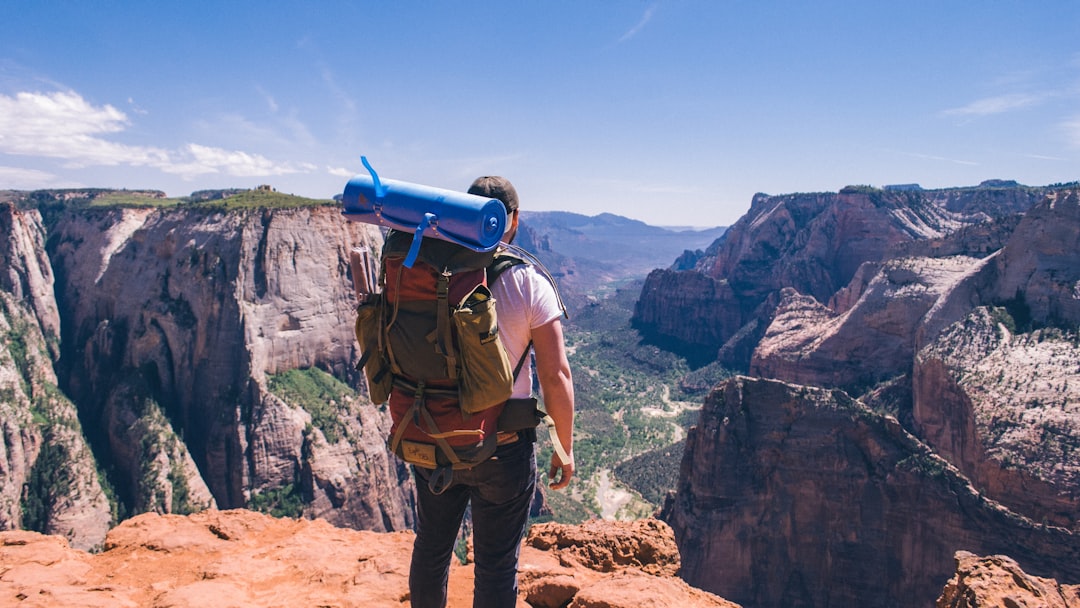
Choosing the best state for a hiking adventure can feel overwhelming with the sheer diversity of landscapes across the United States. From the towering peaks of the Rockies to the dramatic canyons of the Southwest and the lush rainforests of the Pacific Northwest, each region offers a unique experience. This guide focuses on states that consistently deliver exceptional hiking opportunities, considering factors like trail variety, iconic scenery, and accessibility for various skill levels. While no single definitive ranking exists, this compilation highlights destinations renowned for their natural beauty and extensive trail networks, providing a solid starting point for planning your next outdoor excursion.
| State | Key Hiking Highlights | Notable Trails/Parks | Best Season | Potential Risks & Considerations |
|---|---|---|---|---|
| Colorado | Abundant high-alpine terrain, numerous “14ers” (peaks over 14,000 feet). | Rocky Mountain National Park, Longs Peak, Mayflower Gulch. | July–September for snow-free alpine access. | Altitude sickness above 10,000 feet; rapid weather changes. |
| Utah | Unique desert landscapes, iconic national parks with dramatic rock formations. | Zion National Park (The Narrows, Angels Landing), Arches National Park, Canyonlands National Park, Bryce Canyon National Park, Capitol Reef National Park. | Spring (March–May) and Fall (September–November) to avoid extreme heat. | Extreme summer heat, flash floods in canyons, sun exposure. |
| California | Incredible diversity from coastal trails to granite peaks and desert environments. | Yosemite National Park (Half Dome, Mist Trail), Joshua Tree National Park, Pacific Coast Trail sections. | Varies by region; Spring/Fall for deserts, Summer for high Sierras. | Permit requirements (e.g., Half Dome), rapidly changing trail conditions, wildfire risks. |
| Washington | Temperate rainforests, glaciated volcanoes, and rugged alpine scenery. | Olympic National Park (Hoh River Trail), Mount Rainier National Park, North Cascades National Park. | Summer (July–September) for alpine access; Spring/Fall for lower elevations. | Rainfall, especially on the coast and west side of the Cascades; snow at high elevations into summer. |
| Arizona | World-famous canyons, striking red rock formations, and high-altitude forests. | Grand Canyon National Park (Bright Angel Trail, South Kaibab Trail), Sedona, Mogollon Rim. | Fall (October–April) for desert hiking; Summer for higher elevations. | Extreme summer heat, dehydration, sun exposure, steep canyon descents. |
| Wyoming | Dramatic mountain ranges, pristine lakes, and geothermal wonders. | Grand Teton National Park, Yellowstone National Park, John D. Rockefeller Memorial Parkway. | Summer (July–September) for alpine access. | Wildlife encounters (bears, bison), unpredictable mountain weather, altitude. |
| Montana | Vast wilderness, iconic national parks with glacial features. | Glacier National Park (Highline Trail, Grinnell Glacier Trail). | Summer (July–September) for alpine access. | Wildlife encounters, remote terrain, snow can linger late into summer. |
| Oregon | Diverse landscapes including coastlines, volcanic peaks, and old-growth forests. | Oregon Coast Trail, Mount Hood National Forest, Crater Lake National Park. | Spring/Summer for coast and mountains; Fall for forests. | Rainfall, especially in western regions; snow at higher elevations. |
| Idaho | Rugged wilderness areas and unique geological formations. | Sawtooth Wilderness, Craters of the Moon National Monument, parts of Yellowstone. | Summer (July–September) for alpine access. | Remote backcountry, variable weather, limited services in some areas. |
| Maine | Appalachian Trail highlights, coastal beauty, and rugged mountain terrain. | Appalachian Trail (100 Miles Wilderness), Mount Katahdin, Acadia National Park. | Summer (June–October) for most trails; Fall for foliage. | Black flies in early summer, steep and rocky ascents, coastal weather. |
Colorado: The Crown Jewel of Alpine Hiking
Colorado’s reputation as a premier hiking destination is well-earned, largely due to its unparalleled collection of high-altitude peaks. The state boasts 58 “14ers,” more than any other state in the U.S., offering a formidable challenge and breathtaking rewards for experienced mountaineers. Beyond these giants, Colorado’s Rocky Mountains provide a vast network of trails winding through alpine meadows, dense forests, and alongside pristine lakes. July is often considered the prime month for alpine hiking, as snow typically recedes from higher passes, revealing vibrant wildflower displays and opening up access to the most scenic routes.
However, the allure of high altitudes comes with inherent risks. Altitude sickness, or acute mountain sickness (AMS), is a significant concern for those ascending above 10,000 feet. Symptoms can range from headaches and nausea to more severe respiratory issues. Hikers are strongly advised to pace their ascents gradually, stay well-hydrated, and carry appropriate layers of clothing to adapt to rapidly changing mountain weather. Iconic hikes like Longs Peak, a challenging ascent in Rocky Mountain National Park, and the more accessible Mayflower Gulch near Frisco, exemplify the diverse hiking experiences available.

Utah: A Geological Wonderland
Utah is synonymous with its “Mighty 5” national parks: Zion, Arches, Canyonlands, Bryce Canyon, and Capitol Reef. These parks offer some of the most unique and visually stunning hiking landscapes in the country, characterized by dramatic sandstone formations, towering mesas, and deep slot canyons. Zion National Park, in particular, draws crowds with its legendary hikes like The Narrows, a trek through a river canyon, and the exhilarating Angels Landing, known for its sheer drop-offs and chain-assisted climb.
The desert environment presents its own set of challenges. Extreme heat during the summer months can be dangerous, making spring and fall the ideal seasons for hiking in Utah. Hikers must be prepared for intense sun exposure, carry ample water, and be aware of the potential for flash floods, especially when exploring narrow canyons. The geological artistry on display, from the delicate arches of Arches National Park to the hoodoos of Bryce Canyon, provides a truly unforgettable hiking backdrop.

California: Unmatched Diversity from Coast to Summit
California’s vast size and varied geography translate into an extraordinary range of hiking opportunities. The state offers everything from rugged coastal trails with Pacific vistas and hikes through ancient redwood forests to the granite spires of Yosemite National Park and the unique desert flora of Joshua Tree National Park. Yosemite’s Mist Trail, leading to Vernal and Nevada Falls, and the challenging ascent to Half Dome are bucket-list hikes for many.
The sheer diversity means that trail conditions and optimal hiking seasons vary dramatically across the state. High-alpine trails in the Sierra Nevada, like those in Yosemite, are typically snow-covered until mid-summer, while desert hikes in Joshua Tree are best enjoyed during the cooler months of spring and fall. It’s crucial for hikers to research specific trail conditions and be aware of any necessary permits, such as those required for Half Dome, and potential wildfire risks, which can impact access during drier periods.

Washington: Emerald Forests and Majestic Peaks
Washington State captivates hikers with its lush temperate rainforests, dramatic volcanic peaks, and rugged coastline. Olympic National Park is renowned for the Hoh River Trail, which winds through moss-draped old-growth forests, offering an immersive experience in a unique ecosystem. Further inland, Mount Rainier National Park provides stunning views of the iconic glaciated volcano and offers challenging trails for those seeking alpine adventure. The North Cascades, often referred to as the “American Alps,” present remote wilderness with breathtaking alpine scenery.
The Pacific Northwest is known for its precipitation, and hikers should be prepared for rain, especially in the coastal regions and on the western slopes of the Cascade Mountains. While summer offers the best window for exploring high-elevation trails, spring and fall can be excellent for hiking in the foothills and coastal areas. The dramatic landscapes, from the misty rainforests to the snow-capped peaks, make Washington a top-tier destination for diverse outdoor pursuits.

Arizona: Canyons, Deserts, and Red Rocks
Arizona is globally recognized for the Grand Canyon, a natural wonder that offers some of the most iconic hiking experiences in the United States. Trails like the Bright Angel Trail and South Kaibab Trail descend into the canyon, providing a strenuous but immensely rewarding journey. Beyond the Grand Canyon, the state features the striking red rock formations of Sedona, offering numerous trails with panoramic views, and the high-altitude forests along the Mogollon Rim.
Hiking in Arizona requires careful planning, particularly regarding temperature. The desert climate can lead to extreme heat, especially during summer months, making early morning or late afternoon hikes advisable, and carrying plenty of water essential. The stark beauty of the desert landscape, combined with the geological marvel of the Grand Canyon, offers a unique and challenging hiking environment.
Wyoming: Wilderness Icons and Geothermal Wonders
Wyoming is home to two of America’s most celebrated national parks: Grand Teton and Yellowstone. Grand Teton National Park offers a dramatic mountain landscape with jagged peaks reflected in pristine alpine lakes, providing a stunning backdrop for a wide array of hiking trails. Yellowstone National Park, while famous for its geothermal features like geysers and hot springs, also boasts vast wilderness areas with diverse trails and abundant wildlife. The John D. Rockefeller Memorial Parkway connects these two parks, offering additional scenic hiking opportunities.
The prime hiking season in Wyoming’s mountainous regions is typically from July through September, when higher elevation trails are generally snow-free. Hikers should be prepared for potential wildlife encounters, including bears and bison, and always maintain a safe distance. The rugged beauty and wild character of Wyoming’s landscapes offer an immersive wilderness experience.
Montana and Oregon: Western Gems
Montana, with its “Big Sky Country” moniker, offers expansive landscapes and rugged mountain ranges, most notably within Glacier National Park. Trails like the Highline Trail and Grinnell Glacier Trail provide access to stunning glacial cirques and turquoise lakes, showcasing the park’s namesake features. While not explicitly ranked among the top tier, Oregon also presents a captivating mix of hiking experiences. From the dramatic coastal trails of the Oregon Coast Trail to the volcanic peaks of the Cascade Mountains and the deep blue caldera of Crater Lake National Park, Oregon offers significant appeal for hikers. Both states are best explored during the summer months for alpine access, though their diverse ecosystems allow for year-round enjoyment in lower elevations.
Idaho and Maine: Underrated and Classic Destinations
Idaho, often overlooked, boasts the rugged Sawtooth Wilderness, offering a true backcountry experience with pristine alpine lakes and challenging peaks. Its unique geological features are also evident at Craters of the Moon National Monument. Maine, on the other hand, offers classic East Coast hiking, including challenging sections of the Appalachian Trail, such as the remote “100 Miles Wilderness,” and the iconic ascent of Mount Katahdin. Acadia National Park provides stunning coastal hiking. While both states offer incredible hiking, they present different challenges: Idaho’s remoteness and Maine’s steep, rocky terrain and early-summer black flies require specific preparations.
Critical Safety and Planning for 2026 Hikes
As you plan your hiking adventures for 2026, several key considerations remain paramount for safety and enjoyment. Altitude sickness is a significant factor in states like Colorado and Wyoming; acclimatization and gradual ascent are crucial. Always carry extra layers, as mountain weather can change rapidly. Permits are required for some of the most sought-after hikes, including Half Dome in California and Angels Landing in Zion National Park, Utah. Researching and securing these permits well in advance is essential.
The optimal hiking season varies greatly by region. While July through September is ideal for accessing snow-free trails in the Rocky Mountains, it’s wise to avoid the extreme heat of the Arizona desert during summer. Always check local land management agencies for the most up-to-date trail conditions, as high-alpine terrain can be unpredictable. Being prepared with the right gear, knowledge, and a flexible itinerary will ensure a safer and more rewarding experience in these incredible hiking destinations.
Frequently Asked Questions
What are the best months for hiking in Colorado?
July through September is generally the best time for hiking in Colorado’s high-alpine regions, as most snow has melted from the trails. However, lower elevations can be enjoyed from spring through fall.
Are permits required for popular hikes in Utah?
Yes, some popular hikes in Utah, such as Angels Landing in Zion National Park, require a permit obtained through a lottery system. It’s essential to check the specific park’s website for current permit requirements and application procedures.
What should I pack for a desert hike in Arizona?
For desert hikes in Arizona, prioritize sun protection (hat, sunscreen, sunglasses), ample water (more than you think you’ll need), electrolyte replacements, sturdy footwear, and lightweight, breathable clothing. Always check the weather forecast and be aware of extreme heat warnings.
How can I avoid altitude sickness in Wyoming?
To avoid altitude sickness in Wyoming’s mountainous areas, ascend gradually, stay well-hydrated, avoid alcohol and strenuous activity on your first day at higher elevations, and consider medications like Diamox if recommended by your doctor. Listen to your body and descend if symptoms worsen.