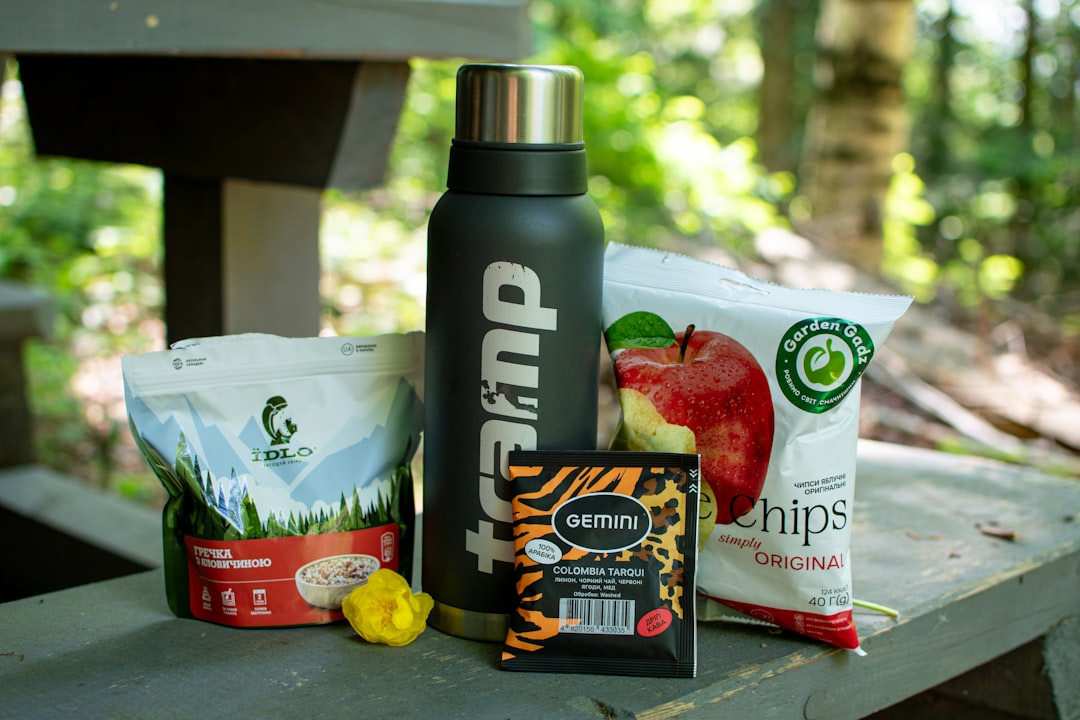
Choosing the right hiking snacks is crucial for maintaining energy and enjoyment on the trail. Beyond simply satisfying hunger, these portable powerhouses provide the fuel your body needs to tackle ascents, navigate challenging terrain, and stay alert. In 2026, the market offers a wide array of options, from nutrient-dense mixes to convenient bars and electrolyte supplements. This guide focuses on current, verified products and essential nutritional principles to help you pack smart for your next adventure.
| Category | Product | Key Facts | Source |
|---|---|---|---|
| Best Overall (Lightweight + Dense) | Trail Mix (homemade or bulk) | Nuts (almonds, cashews, walnuts), dried fruit, dark chocolate; ~150–200 kcal/oz; high fat/carb balance | REI Backpacking Food Guide NPS Trail Nutrition Guide |
| Best Protein Boost | Old Trapper Peppered Beef Jerky | Lightweight, ~70–90 kcal/oz, 9–12g protein/oz; no spoilage risk if sealed | Old Trapper Jerky |
| Best Energy Bar (Sustained) | Clif Bar (Chocolate Chip) | 250 kcal, 2.4 oz; 50% carbs, 10% protein, 10% fat; hardens in cold | Clif Bar NPS Trail Nutrition Guide |
| Best Heat-Stable Bar | RXBAR (e.g., Peanut Chocolate) | 210 kcal, whole-food ingredients, no chocolate coating (won’t melt) | RXBAR NPS Trail Nutrition Guide |
| Best Heat-Stable Bar (Date-Based) | Larabar (e.g., Cashew Cookie) | 220 kcal, date-based, no coating; ideal for hot days | Larabar NPS Trail Nutrition Guide |
| Best Savory/Salty | Pretzels + Nut Butter Pouch | Salty for electrolyte replacement; nut butter adds fat/protein | ACSM Hydration Guidelines NPS Trail Nutrition Guide |
| Best Electrolyte Support | LMNT Packets | 1,000mg sodium, 0g sugar; add every 1–2 hrs if sweating visibly | LMNT ACSM Hydration Guidelines |
| Best Fruit Option | Fruit Leather Strips (Solely) | Lightweight, no waste, ~50 kcal/strip; survives compression | Solely Fruit Leather |
| Best Cheese Option (Cool Only) | String Cheese / Babybel | ~70 kcal/oz; only safe if pack stays cool (<70°F) | NPS Trail Nutrition Guide REI Backpacking Food Guide |
Understanding Hiking Nutrition Basics
Effective trail nutrition goes beyond simply grabbing snacks. Understanding your body’s needs during physical exertion is key to selecting the right fuel. For backpacking trips, a general guideline suggests aiming for 2,500 to 3,500 kilocalories per day, which translates to roughly 1.5 to 2 pounds of food per person daily. This caloric intake can vary significantly based on the intensity of the hike, duration, elevation gain, and individual metabolism.
The macronutrient balance is equally important. A recommended ratio for sustained energy during hiking is approximately 50–60% carbohydrates, 30% fat, and 15% protein. Carbohydrates are the body’s primary and most readily available energy source, crucial for powering muscles. Fats provide a more concentrated and longer-lasting energy source, while protein is essential for muscle repair and satiety. Achieving this balance ensures you have both immediate fuel and sustained energy reserves.

Smart Snacking Strategies for the Trail
When packing your snacks, consider their packaging and how it impacts your pack weight and waste. A common practice is to remove bulky cardboard sleeves from individual snack wrappers. Instead, consolidate items into resealable bags. This not only saves space but also allows for better portion control and easier access to your food on the go. Prioritizing snacks with minimal packaging, such as fruit leather or jerky, aligns with the “pack-in, pack-out” principle, reducing your environmental impact.
Temperature can also dictate your snack choices. In hot weather, avoid items that are prone to melting or spoiling. Chocolate-coated bars, yogurt-covered snacks, and soft cheeses can become unappetizing or even unsafe if they exceed safe temperature thresholds. Conversely, in cold conditions, some energy bars, like Clif Bars, can become exceptionally hard and difficult to chew. Warming these bars in a pocket before consumption can significantly improve their texture and palatability.

Top Hiking Snack Picks for 2026
Lightweight and Nutrient-Dense Options
For a highly customizable and energy-dense option, homemade or bulk-purchased trail mix remains a top choice. A balanced mix typically includes nuts like almonds, cashews, and walnuts for healthy fats and protein, dried fruits such as raisins or apricots for quick carbohydrates, and dark chocolate for an energy boost and antioxidants. This combination provides approximately 150–200 kilocalories per ounce, offering a flexible fuel source. The National Park Service’s trail nutrition guide highlights the importance of such calorie-dense, balanced options for sustained energy on longer treks.
When seeking a protein-rich snack that travels well, beef jerky is an excellent contender. Products like Old Trapper Peppered Beef Jerky offer a good balance of portability and nutrition, providing around 70–90 kilocalories and 9–12 grams of protein per ounce. Its shelf-stable nature, when properly sealed, makes it a reliable choice that doesn’t require refrigeration. The USDA provides guidelines on jerky preparation and safety, ensuring that commercially produced options are safe for consumption.
Energy Bars for Sustained Performance
The Clif Bar, specifically the Chocolate Chip flavor, is a well-established option providing approximately 250 kilocalories in a 2.4-ounce bar. Its macronutrient profile is designed for sustained energy, with a significant carbohydrate content. However, a known limitation is its tendency to harden considerably in cold weather, making it advisable to warm it before eating. Manufacturers like Clif Bar provide detailed nutritional information on their websites.
For hikers prioritizing heat stability, RXBARs, such as the Peanut Chocolate variety, are a strong choice. These bars offer around 210 kilocalories and are made with whole-food ingredients. Crucially, they lack a chocolate coating, preventing them from melting into a mess during warm weather hikes. Similarly, Larabars, like the Cashew Cookie flavor, are excellent heat-stable options. Their date-based composition provides natural sweetness and energy, with approximately 220 kilocalories per bar, and they do not have coatings that would melt.
Savory, Salty, and Sweet Solutions
Satisfying savory cravings while replenishing electrolytes can be achieved with a simple combination of pretzels and a nut butter pouch. The saltiness of the pretzels helps replace sodium lost through sweat, while the nut butter adds essential fats and protein for sustained energy. This pairing is highlighted in various outdoor nutrition resources as an effective way to combat fatigue and maintain hydration.
For direct electrolyte replenishment, especially during strenuous activity in hot conditions, LMNT packets are a popular choice. Each packet typically contains 1,000mg of sodium and zero sugar, making them an effective way to support hydration when sweating visibly. The American College of Sports Medicine provides guidelines on hydration, emphasizing the importance of electrolyte balance during prolonged exercise.
When looking for a simple, lightweight fruit option, Solely fruit leather strips are ideal. Each strip provides about 50 kilocalories, is easy to pack, produces no waste, and can withstand compression within a backpack. This makes them a practical choice for hikers aiming to minimize pack weight and trash.
For those who enjoy dairy, string cheese or Babybel cheese wheels can be a good snack, offering around 70 kilocalories per ounce. However, this option is only recommended for cooler conditions, ideally when your pack remains below 70°F, to prevent spoilage. Food safety guidelines from organizations like the National Park Service stress the importance of temperature control for perishable items.

Products to Verify or Avoid
Some products previously popular may no longer be readily available or have changed their formulations. For instance, Skout Organic Trail Bars are difficult to find with current 2026 product listings, suggesting they may be discontinued or rebranded. Similarly, specific trail mix varieties like “Badger Organic Trail Mix” may be regional or have been phased out, as official product pages for 2026 are not easily found. Muir Energy nut butter packets, while the brand exists, are not prominently featured in their current catalog, so it’s advisable to check the Muir Energy official site for the most up-to-date product availability before purchasing.

Frequently Asked Questions
How many calories do I need per day when hiking?
For backpacking, a general recommendation is 2,500 to 3,500 kilocalories per day, which equates to about 1.5 to 2 pounds of food per person daily. This can vary based on the intensity and duration of your hike.
What is the ideal macronutrient ratio for hiking snacks?
A balanced ratio for sustained energy is typically 50–60% carbohydrates, 30% fat, and 15% protein. This provides readily available energy and longer-lasting fuel.
Are chocolate-coated bars safe to eat in hot weather?
Chocolate-coated bars are generally not recommended for hot weather hiking as they can melt, becoming messy and unappetizing. Opt for bars without coatings or those made with ingredients less susceptible to heat.
What should I do if my energy bars get hard in the cold?
If energy bars like Clif Bars become hard in cold temperatures, try warming them in an inside pocket close to your body for a few minutes before eating. This will soften them and make them easier to chew.
How can I manage waste from my hiking snacks?
Minimize waste by choosing snacks with minimal packaging, such as fruit leather or jerky. Repackage items into reusable or resealable bags and always practice “pack-it-in, pack-it-out” principles.