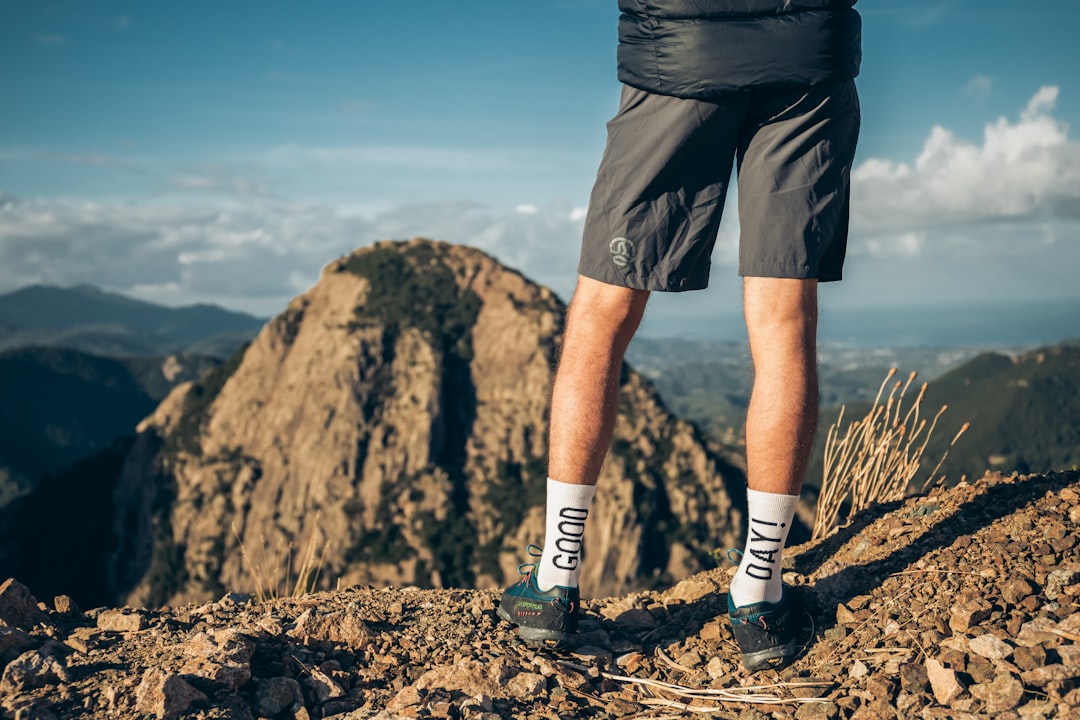
Choosing the right hiking shorts can significantly impact your comfort and performance on the trail. Whether you’re embarking on a multi-day trek or a casual day hike, the ideal pair should offer a balance of durability, breathability, freedom of movement, and practical features. This guide explores some of the top contenders for 2026, focusing on materials, design, and functionality to help you find the perfect fit for your adventures.
| Product | Material | Inseam | Pockets | Weight (Men’s M) | Estimated Price (USD) | Availability |
|---|---|---|---|---|---|---|
| Arc’teryx Gamma Short | 94% Nylon, 6% Elastane (Fortius DW 2.0) | 10″ | 5 (2 hand, 2 zip thigh, 1 rear) | 210g | $135–$150 | Likely active |
| REI Co-op Trail 5-Pocket | 95% Nylon, 5% Elastane | 8″, 10″ | 5 | 260g | $50 | Active |
| Fjällräven Abisko Lite | 100% Recycled Nylon | 5″, 7″ | 5 | 204g | ~$75 | Active |
| Outdoor Research Ferrosi | 96% Recycled Nylon, 4% Spandex | 9″ | 5 | 227g | $95 | Active |
| Columbia Silver Ridge Convertible | 100% Nylon | 8″ (short mode) | 5 | 230g | $60 | Active |
| Patagonia Multi Trail Short | 90% Recycled Polyester, 10% Spandex | 5″, 7″ | 4 | 107g | $50 | Active |
| Inov8 Venturelite | Lightweight stretch fabric (specifics vary) | ~8″ | 4–5 | 192g | ~$55 | Active |
| Smartwool Running Shorts | Lightweight knit (specifics vary) | 5″, 7″ | 4 | 110g (Women’s) | ~$50 | Active |
When selecting hiking shorts, consider the type of terrain, expected weather, and duration of your hikes. Factors like fabric composition, inseam length, pocket configuration, and weight all play a role in overall comfort and utility. While some models are designed for extreme durability and technical performance, others prioritize lightweight comfort and packability, making them suitable for different types of outdoor pursuits.
Understanding Hiking Short Materials
The fabric of your hiking shorts is paramount to their performance. Modern hiking shorts typically utilize synthetic blends that offer a combination of durability, stretch, moisture-wicking, and quick-drying properties.
Nylon and Spandex Blends
Many popular hiking shorts, such as the
Arc’teryx Gamma Short
and the
REI Co-op Trail 5-Pocket
, feature a blend of nylon and elastane (or spandex). Nylon provides excellent abrasion resistance and durability, crucial for withstanding rough trails and pack straps. The addition of elastane or spandex introduces stretch, allowing for a greater range of motion during activities like climbing over logs or scrambling on rocks. The
Arc’teryx Gamma Short
, for instance, uses Fortius DW 2.0 fabric, a blend of 94% nylon and 6% elastane, known for its durability and stretch. Similarly, the
REI Co-op Trail 5-Pocket
shorts are made from 95% nylon and 5% elastane, offering a comfortable and flexible fit for everyday hiking.
Recycled Materials
Increasingly, brands are incorporating recycled materials into their hiking apparel. The
Fjällräven Abisko Lite
shorts are constructed from 100% recycled nylon, offering a sustainable option with high abrasion resistance suitable for rugged terrain. The
Outdoor Research Ferrosi
shorts utilize 96% recycled nylon and 4% spandex, providing a balance of durability and stretch with an eco-conscious approach. The
Patagonia Multi Trail Short
is made from 90% recycled polyester and 10% spandex, prioritizing a lightweight feel and quick-drying capabilities. These recycled fabrics often meet or exceed the performance of their virgin counterparts while reducing environmental impact.
Polyester and Other Synthetics
Polyester is another common synthetic material used in hiking shorts, often chosen for its quick-drying and moisture-wicking properties. While sometimes less abrasion-resistant than nylon, polyester blends, like those found in the
Patagonia Multi Trail Short
, can offer excellent comfort in warm conditions. Some shorts, like the
Columbia Silver Ridge Convertible
, are made from 100% nylon, focusing on lightweight performance and UPF protection. The specific blend and weave of the fabric significantly influence its breathability and how well it handles moisture.

Key Features for Trail Performance
Beyond the material, several design elements contribute to the functionality and comfort of hiking shorts.
Inseam Length and Fit
The inseam length of hiking shorts can vary significantly, affecting coverage and freedom of movement. Shorter inseams, such as the 5″ or 7″ options on the
Fjällräven Abisko Lite
and
Patagonia Multi Trail Short
, offer maximum mobility and are ideal for hot weather or activities requiring extensive leg movement. Mid-length inseams, around 8″ or 9″, like those on the
REI Co-op Trail 5-Pocket
and
Outdoor Research Ferrosi
, provide a good balance of coverage and flexibility for general hiking. Longer inseams, such as the 10″ on the
Arc’teryx Gamma Short
, offer more protection against sun and brush but may feel warmer. Many shorts also feature a gusseted crotch and articulated knees to enhance mobility, allowing for a wider range of motion without restriction.
Pocket Configuration and Security
The number and type of pockets on hiking shorts are crucial for carrying essentials. Most hiking shorts include at least two hand pockets. Additional pockets, such as zippered thigh pockets or rear pockets, offer secure storage for items like phones, keys, or trail snacks. The
Arc’teryx Gamma Short
features two zippered thigh pockets and one rear pocket, providing secure storage options. The
Fjällräven Abisko Lite
and
Outdoor Research Ferrosi
also offer multiple pockets, including zippered options, which are highly valued for preventing items from falling out during strenuous activity. For thru-hikers or those carrying valuable electronics, zippered pockets are a critical feature.
Weight and Packability
For long-distance hikers and backpackers, the weight of their gear is a significant consideration. Lighter shorts reduce overall pack weight and can enhance comfort, especially in warm weather. The
Patagonia Multi Trail Short
is exceptionally lightweight at 107g, making it an excellent choice for minimalist hikers. The
Inov8 Venturelite
shorts are also very light at 192g. While heavier shorts might offer more durability or features, lighter options like the
Smartwool Running Shorts
(110g for women’s) are designed for speed and comfort in warmer conditions. Generally, shorts under 200g are considered lightweight for serious backpacking.

Durability and Weather Resistance
Hiking shorts need to withstand the rigors of the trail, including abrasion from rocks, branches, and backpack straps.
Abrasion Resistance
Nylon and robust polyester fabrics are generally more resistant to abrasion than cotton or lighter synthetics. The
Fjällräven Abisko Lite
, made from 100% recycled nylon, is known for its exceptional durability and resistance to wear and tear. The
Arc’teryx Gamma Short
, with its Fortius DW 2.0 fabric, also offers a high level of durability for its weight. When choosing shorts for rough terrain, look for reinforced stitching and sturdy fabric construction.
Water Repellency and Quick Drying
Many hiking shorts feature a Durable Water Repellent (DWR) finish, which helps shed light rain and moisture, keeping you drier and more comfortable. The
Arc’teryx Gamma Short
utilizes a DWR finish on its Fortius DW 2.0 fabric. While DWR treatments are effective, they can degrade over time with washing and wear, typically lasting for 20–30 washes. Reapplying a DWR treatment can restore water-repellent properties. Fabrics that are inherently quick-drying, such as those used in the
Outdoor Research Ferrosi
and
Columbia Silver Ridge
shorts, are also essential for maintaining comfort in wet conditions.

Specialty Shorts and Versatile Options
Some shorts cater to specific needs, while others offer versatility.
Convertible Shorts
The
Columbia Silver Ridge Convertible
pants are a unique option that can be worn as pants or converted into shorts by zipping off the lower legs. This versatility makes them suitable for changing weather conditions or for hikers who prefer the option of pants for sun or insect protection. While the conversion mechanism adds a slight weight and potential point of failure, they offer a practical all-in-one solution for varied adventures.
Lightweight and Breathable Options
For hot weather hiking or high-intensity activities, lightweight and highly breathable shorts are ideal. The
Outdoor Research Ferrosi
shorts are praised for their airy feel and excellent breathability, making them a top choice for warm climates. The
Patagonia Multi Trail Short
also excels in this category, offering a very light and comfortable experience. These shorts often use thinner, stretchier fabrics that allow for maximum airflow and rapid moisture evaporation.

Considerations for Specific Hikes
The best hiking shorts for you will depend on the specific demands of your planned excursions.
Thru-Hiking and Long-Distance Backpacking
For thru-hiking, weight, durability, and comfort are paramount. Shorts that are lightweight (under 200g), highly durable, and feature secure pockets are essential. The
Patagonia Multi Trail Short
(107g) and
Inov8 Venturelite
(192g) are excellent choices due to their low weight and comfortable materials. The
Arc’teryx Gamma Short
, while slightly heavier, offers exceptional durability and mobility for challenging terrain.
Day Hiking and Casual Trails
For day hikes and less demanding trails, comfort and value often take precedence. The
REI Co-op Trail 5-Pocket
shorts offer a great balance of performance and affordability, making them a solid choice for general use. The
Columbia Silver Ridge Convertible
also provides good value and versatility. These shorts typically offer sufficient durability and comfort for regular use on well-maintained trails.
Frequently Asked Questions
What is the best inseam length for hiking shorts?
The ideal inseam length depends on personal preference and the type of hiking. Shorter inseams (5″-7″) offer maximum mobility, while longer inseams (9″-10″) provide more coverage and protection. A 7″-9″ inseam is a common and versatile choice for many hikers.
Are zippered pockets important on hiking shorts?
Yes, zippered pockets are highly recommended, especially for thru-hikers or those carrying valuable items like phones, keys, or wallets. They prevent items from falling out during strenuous activity or when bending over.
How do I care for my hiking shorts to maintain their DWR finish?
To maintain the Durable Water Repellent (DWR) finish, wash your shorts according to the manufacturer’s instructions, typically in cool water with mild detergent. Avoid fabric softeners and high heat drying, as these can degrade the DWR treatment. Reapply a DWR treatment periodically, usually after 20-30 washes, using products like Nikwax or Granger’s.
What is the difference between nylon and polyester for hiking shorts?
Nylon generally offers superior abrasion resistance and durability, making it ideal for rugged terrain. Polyester is often lighter, dries faster, and is more resistant to UV degradation. Many hiking shorts use blends of these materials to leverage their respective strengths.
Are convertible hiking shorts a good option?
Convertible shorts, like the Columbia Silver Ridge, offer versatility by transforming from pants to shorts. They are a practical choice for hikers who encounter varied weather conditions or prefer the option of leg protection. However, the zippers can add weight and a potential point of discomfort or failure for some users.