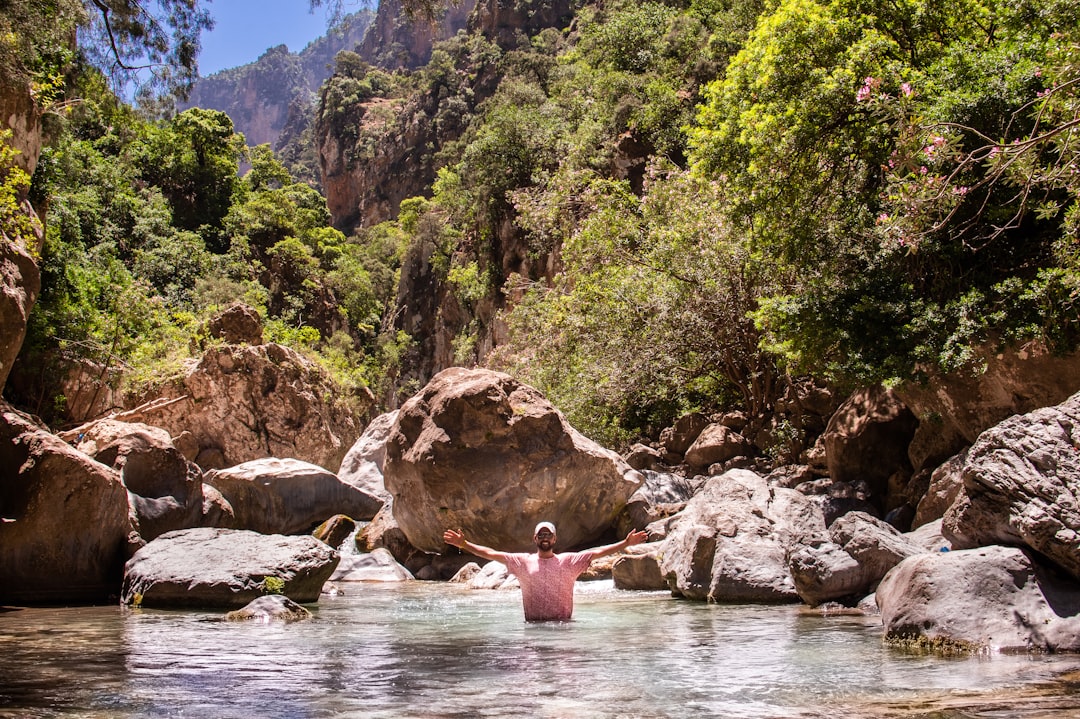
Choosing the right hiking destination can elevate a trip from a pleasant walk to an unforgettable adventure. For 2026, a wealth of incredible trails await, offering diverse landscapes, varying levels of challenge, and the chance to connect with nature on a profound level. Whether you’re drawn to the towering peaks of the Himalayas, the rugged beauty of Patagonia, or the ancient paths of Europe, there’s a trek designed to test your limits and reward you with unparalleled experiences.
| Destination | Country | Difficulty | Key Features | Approximate Distance | Typical Duration |
|---|---|---|---|---|---|
| Inca Trail | Peru | Moderate–Challenging | Machu Picchu sunrise, Dead Woman’s Pass (13,828 ft) | 26 miles / 42 km | 4 days |
| Torres del Paine W Circuit | Chile | Moderate | Patagonian glaciers, granite peaks | 110 miles / 170 km | 10–12 days |
| Appalachian Trail | USA | Moderate | Long-distance cultural hike, diverse ecosystems | 2,190 miles total | 5–7 months (thru-hike) |
| Everest Base Camp | Nepal | Challenging (altitude) | Himalayan vistas, Khumbu Icefall | 80 miles / 130 km round-trip | 12–14 days |
| Pacific Crest Trail | USA | Strenuous | Desert, Sierra Nevada, Cascades | 2,650 miles total (thru-hike) | 4–6 months (thru-hike) |
| Yosemite Grand Traverse | USA | Hard | Sierra Nevada high country, granite domes | Varies (multi-day) | 3–5 days |
| Tour du Mont Blanc | France, Italy, Switzerland | Moderate–Hard | Alpine scenery, Mont Blanc massif | 105 miles / 170 km | 10–12 days |
| Laugavegur Trail | Iceland | Moderate | Volcanic landscapes, hot springs, glaciers | 34 miles / 55 km | 4 days |
| Kalalau Trail | Hawaii, USA | Challenging | Coastal cliffs, lush rainforest, waterfalls | 11 miles one-way | 2–3 days (overnight permit) |
| GR20 (Corsica) | France | Very Hard | Rugged mountain traverse, technical sections | 112 miles / 180 km | 15 days |
| Črni Vrh Trail | Slovenia | Moderate | New route, highest point 1,543 m | 108 miles / 174 km | 15 days |
Iconic Treks for the Discerning Hiker
The world is dotted with trails that have captured the imagination of hikers for generations. These routes are more than just paths; they are journeys through history, culture, and some of the planet’s most dramatic landscapes. For 2026, several of these legendary treks continue to draw adventurers seeking a profound connection with the outdoors.
The Inca Trail to Machu Picchu
A UNESCO World Heritage site, the classic Inca Trail in Peru offers a 26-mile journey through cloud forests and ancient ruins, culminating in a sunrise view of the magnificent Machu Picchu. This moderate to challenging trek requires booking permits well in advance, as access is strictly limited to protect the delicate environment and historical integrity of the trail. Hikers navigate varied terrain, including the infamous Dead Woman’s Pass at 13,828 feet, making it a rewarding physical and cultural experience. The Peruvian Ministry of Culture manages permits, and it’s essential to secure them through authorized tour operators.
Torres del Paine W Circuit
Located in Chile’s Patagonia region, the W Circuit is a 110-mile trek renowned for its stunning granite spires, massive glaciers, and turquoise lakes. This moderate trek typically takes 10 to 12 days to complete, allowing ample time to soak in the dramatic Patagonian scenery. Hikers will encounter iconic landmarks such as the Towers of Paine, the French Valley, and the Grey Glacier. While permits for camping or refugios are required and should be booked ahead, the sheer scale and raw beauty of the landscape make it a bucket-list destination for many.
The Appalachian Trail
Stretching over 2,190 miles from Georgia to Maine, the Appalachian Trail is one of the most famous long-distance hiking routes in the world. While a thru-hike takes an average of five to seven months, sections of the AT offer incredible day hikes and multi-day adventures. Known for its cultural significance and diverse ecosystems, the trail passes through 14 states, showcasing the varied natural beauty of the eastern United States. While most of the trail does not require permits, some shelters and campsites may have reservation systems, particularly in popular areas.
Everest Base Camp Trek
For those seeking the ultimate high-altitude challenge, the trek to Everest Base Camp in Nepal is unparalleled. This 80-mile round-trip journey typically takes 12 to 14 days and ascends to an elevation of approximately 17,598 feet. The trek offers breathtaking views of Mount Everest and other towering Himalayan peaks. Due to the extreme altitude, acclimatization is critical, and hikers must be prepared for the risks associated with altitude sickness. While no specific permit is required for the base camp itself, trekkers need permits for the Sagarmatha National Park and must typically be accompanied by a registered guide.

Challenging Expeditions for the Adventurous Spirit
Beyond the well-trodden paths, a select group of trails push hikers to their physical and mental limits, demanding skill, resilience, and meticulous preparation. These strenuous expeditions offer profound rewards for those willing to embrace the challenge.
The Pacific Crest Trail (PCT)
The PCT is a legendary long-distance trail spanning over 2,650 miles from Mexico to Canada, traversing diverse landscapes including deserts, the high Sierra Nevada, and the volcanic peaks of the Cascades. While a thru-hike is a monumental undertaking, sections of the PCT are popular for shorter backpacking trips. Its varied ecosystems and demanding terrain make it a significant challenge, requiring extensive planning for water, food, and navigation.
Yosemite Grand Traverse
Within the iconic Yosemite National Park, the Grand Traverse offers a demanding multi-day adventure through the park’s high country. This route often involves technical scrambling and requires strong navigation skills, typically taking 3 to 5 days to complete. Hikers are rewarded with stunning views of granite domes, alpine lakes, and the rugged Sierra Nevada wilderness. Permits are required for overnight stays in the wilderness, and these can be highly competitive.
GR20 (Corsica), France
Often cited as one of Europe’s most challenging treks, the GR20 traverses the rugged mountainous spine of Corsica, an island off the coast of France. This 112-mile trail is known for its technical scrambling, steep ascents and descents, and exposed sections. Completing the GR20 typically takes around 15 days and is recommended only for experienced hikers with a high level of fitness and comfort with exposure. No permit is required, but preparation for difficult terrain is paramount.

Emerging Trails and Unique Landscapes
The world of hiking is constantly evolving, with new routes gaining recognition and established trails offering fresh experiences. For 2026, several destinations are gaining attention for their unique geological features and challenging, yet accessible, adventures.
Laugavegur Trail, Iceland
Iceland’s Laugavegur Trail is a 34-mile trek through a landscape that feels otherworldly. Over four days, hikers traverse colorful rhyolite mountains, black obsidian deserts, steaming hot springs, and glacial rivers. The trail offers a moderate challenge, but the unpredictable Icelandic weather can quickly turn conditions difficult. Permits are required for overnight stays in the mountain huts, and booking well in advance is essential due to the trail’s popularity.
Kalalau Trail, Hawaii, USA
The Kalalau Trail on the Na Pali Coast of Kauai, Hawaii, is an 11-mile one-way trek that winds along dramatic coastal cliffs, through lush rainforests, and past cascading waterfalls. This challenging trail requires a permit, which is strictly enforced and limited in availability, often booked months in advance through the Hawaii Division of Forestry and Wildlife. The trail’s beauty is matched by its inherent risks, including steep drop-offs and potential flash floods.
Črni Vrh Trail, Slovenia
A notable addition to the 2026 hiking scene is the Črni Vrh Trail in Slovenia. This 174-kilometer (approximately 108 miles) route is designed as a moderately challenging trek, taking around 15 days to complete. It winds through diverse Slovenian landscapes, reaching a highest point of 1,543 meters. This newer trail offers a less crowded alternative for those seeking a substantial European hiking experience.

Essential Gear for the Trail
While destinations capture the imagination, the right gear is crucial for safety and comfort on any hike, especially on challenging routes. Reliable equipment can make the difference between a successful trip and a difficult ordeal.
Outerwear for All Conditions
For protection against the elements, a high-quality hardshell jacket is indispensable. The Arc’teryx Alpha SV Jacket, for example, is constructed with GORE-TEX PRO fabric, offering exceptional waterproof and windproof protection. Its durable construction is designed to withstand abrasion, and features like a helmet-compatible StormHood™ enhance its utility in severe weather. While a premium investment, its performance in extreme conditions makes it a reliable choice for serious mountaineering and alpine trekking.
Illumination for Darkness
A dependable headlamp is vital for early morning starts, late finishes, or unexpected delays. Black Diamond offers the ReVolt series, such as the ReVolt 350 or ReVolt 500, as replacements for older models. These headlamps provide adjustable brightness and red light modes, which are useful for preserving night vision around camp. When selecting a headlamp, consider its lumen output, battery life, and water resistance rating (e.g., IPX4 for splash resistance) to match your intended use.
Carrying Your Essentials
A well-designed backpack is key to comfort on multi-day hikes. The Osprey Atmos AG 65 is a popular choice, featuring an Anti-Gravity™ suspension system designed to distribute weight evenly and provide excellent ventilation. Its capacity is suitable for extended trips, and its durable construction can handle rugged use. When choosing a backpack, consider capacity, fit, and features like adjustable suspension and organized compartments.
Footwear for the Terrain
Durable and supportive hiking boots are critical for protecting your feet and ankles. The Salomon X Ultra 4 Mid GTX boots are designed with GORE-TEX for waterproofing and breathability, along with SensiFit™ technology for a secure fit. Their advanced chassis provides stability on uneven terrain, making them a solid option for moderate to challenging trails.

Safety and Preparation: Key Considerations for 2026
Embarking on any significant hike requires thorough preparation, with safety being paramount. Understanding the specific requirements and potential hazards of your chosen destination is crucial.
Permits and Regulations
Many popular trails, such as the Inca Trail and the Kalalau Trail, require permits that are often issued in limited numbers and must be secured well in advance. Always check the official land-manager websites for the most current information on permit requirements, application processes, and quotas. For instance, the Inca Trail permits are managed by Peru’s Ministry of Culture, while the Kalalau Trail requires permits from the Hawaii Division of Forestry and Wildlife.
Altitude Acclimatization
Treks at high altitudes, like the Everest Base Camp journey, pose a significant risk of altitude sickness. Proper acclimatization, gradual ascent, and awareness of symptoms are essential. Consulting with a healthcare professional before undertaking high-altitude treks is highly recommended. While no specific permit is needed for EBC itself, park entry and trekking permits are required.
Technical Terrain and Skill Assessment
Trails like the GR20 in Corsica or the Yosemite Grand Traverse involve technical scrambling and require a high level of fitness, experience, and comfort with exposure. It is vital to honestly assess your skills and experience level before committing to such demanding routes. Consulting with experienced hikers or guides can provide valuable insights into the challenges involved.
Weather Preparedness
Mountain weather can be unpredictable and change rapidly. Always check the forecast before and during your hike, and be prepared for a wide range of conditions, including rain, snow, wind, and significant temperature fluctuations. Carrying appropriate layers and waterproof gear is non-negotiable, especially on exposed routes or during shoulder seasons.
Frequently Asked Questions
What are the most popular hiking destinations for 2026?
Popular destinations for 2026 include the Inca Trail (Peru), Torres del Paine W Circuit (Chile), Appalachian Trail (USA), Everest Base Camp (Nepal), Pacific Crest Trail (USA), Tour du Mont Blanc (France/Italy/Switzerland), and the GR20 (France).
Do I need a permit for the Inca Trail?
Yes, a permit is required for the Inca Trail, managed by Peru’s Ministry of Culture. These permits are limited and must be booked well in advance through authorized tour operators.
Is the Everest Base Camp trek dangerous?
The primary danger on the Everest Base Camp trek is altitude sickness. Proper acclimatization, a slow ascent, and awareness of symptoms are crucial for safety. It is also recommended to trek with a guide.
What is the difference between the Pacific Crest Trail and the Appalachian Trail?
The Pacific Crest Trail (PCT) runs north-south along the West Coast of the U.S., featuring desert, mountain, and forest environments. The Appalachian Trail (AT) runs north-south along the East Coast, primarily through forested mountains. Both are long-distance thru-hikes, but they offer vastly different scenery and challenges.
Which trail is considered the most difficult in Europe?
The GR20 trail in Corsica, France, is widely considered one of the most difficult treks in Europe due to its rugged terrain, technical scrambling, and demanding ascents and descents.