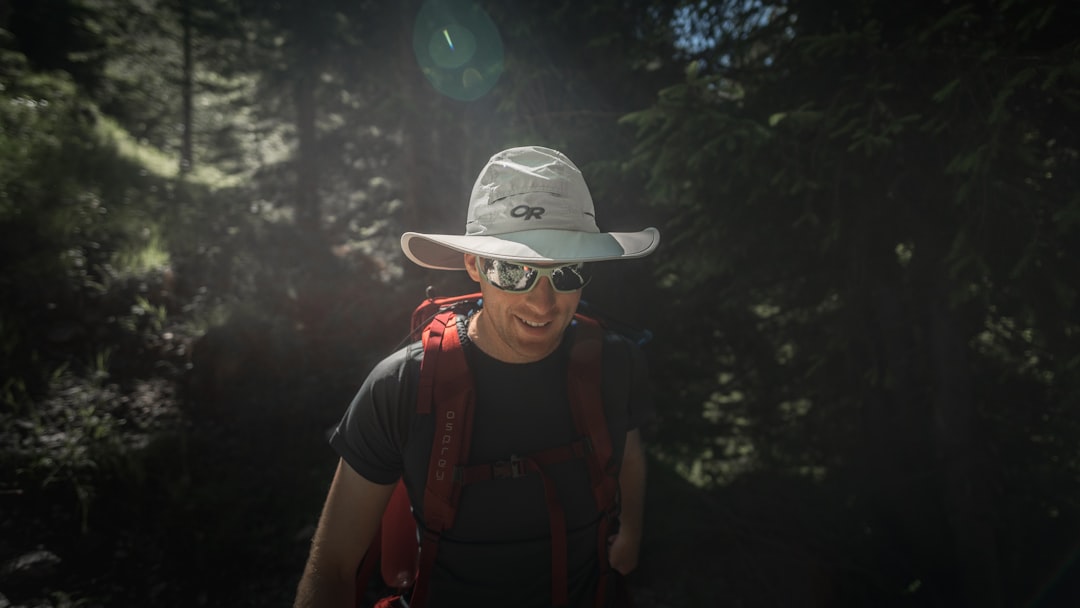
Choosing the right hiking hat is essential for comfort and safety on the trail. Beyond simply shielding your eyes, a well-designed hiking hat can protect your skin from harmful UV radiation, prevent heatstroke, and offer protection from the elements. With advancements in fabric technology and design, today’s hiking hats offer a range of features to suit various conditions and preferences. This guide explores top-rated hiking hats, focusing on their sun protection capabilities, durability, and comfort for diverse outdoor pursuits.
| Product | UPF Rating | Brim Width | Key Feature | Best For | Source |
|---|---|---|---|---|---|
| Sunday Afternoons Ultra Adventure Hat | 50+ | 3.25 in | Removable mesh neck cape; folds flat | Overall sun protection | |
| Columbia Bora Bora Booney II | 50 | 3 in | Omni-Shade tech; packable; budget value | Hot weather, budget-conscious hikers | |
| Patagonia Quandary Brimmer | 40+ | ~3 in | Adjustable fit; reliable alpine performance | Versatile wide-brim protection | |
| Outdoor Research Swift Cap | 50+ | ~2.5 in | Streamlined cap style with full coverage | Cap-style sun protection | |
| Sunday Afternoons Adventure Hat | 50+ | ~3 in | 7.5-inch neck cape (larger than Ultra) | Maximum neck coverage | |
| The North Face Horizon Breeze Brimmer | Not Specified | ~3 in | Highly breathable; tested at 12,000 ft | Breathability in high altitudes |
Understanding Sun Protection for Hikers
When venturing outdoors, particularly on high-elevation trails or during peak sun hours, protecting your skin from ultraviolet (UV) radiation is paramount. The Ultraviolet Protection Factor (UPF) rating system is the standard for evaluating how effectively fabrics shield your skin from the sun’s harmful rays. For hiking, a minimum UPF of 50+ is recommended, as this signifies that the fabric blocks over 98% of UV radiation. This level of protection is crucial for preventing sunburn and reducing the long-term risk of skin damage.
It’s important to understand that the UPF rating applies to the fabric itself and does not account for the hat’s design or coverage. A hat with a high UPF rating but a narrow brim might still leave your neck and ears exposed. Conversely, a hat with a lower UPF rating but excellent coverage, such as a wide brim and a neck cape, can offer substantial protection. The increase in UV intensity with elevation is significant; for every 1,000 feet gained, UV exposure increases by approximately 10%. This makes hats with extended ear and neck coverage particularly vital for mountaineers and hikers ascending to higher altitudes.

Key Features for Trail-Ready Headwear
The effectiveness of a hiking hat depends on a combination of its UPF rating, design, and material. A wide brim is a fundamental feature for maximizing shade. Generally, a brim width of around 3 inches or more is considered ideal for shielding the face, ears, and neck. Some designs feature a slightly shorter front brim and a longer back brim to prevent interference with backpack straps.
Beyond the brim, features like adjustable chin straps are essential for windy conditions, ensuring your hat stays securely in place. Ventilation is another critical aspect, especially for strenuous hikes in warm weather. Mesh panels or strategically placed grommets can significantly improve airflow, helping to regulate head temperature and prevent overheating. The material of the hat also plays a role in comfort and performance. Lightweight, moisture-wicking synthetic fabrics like nylon and polyester are often preferred for their breathability and quick-drying properties.

Top Hiking Hat Recommendations for 2026
Based on current reviews and expert recommendations, several hats stand out for their performance and protective qualities.
Sunday Afternoons Ultra Adventure Hat: The All-Around Champion
The Sunday Afternoons Ultra Adventure Hat is frequently cited as a top choice for hikers seeking comprehensive sun protection. It boasts a UPF 50+ rating, indicating excellent UV blocking capabilities. Its 3.25-inch brim provides substantial shade for the face and neck. A key feature is the optional, removable neck cape, which offers extended coverage for the back of the neck, a critical area often exposed to the sun. This hat is also designed to fold flat, making it convenient for packing in a backpack when not in use.
Columbia Bora Bora Booney II: Budget-Friendly Boonie Style
For hikers looking for a reliable and affordable option, the Columbia Bora Bora Booney II is a leading contender. This boonie-style hat features Omni-Shade UPF 50 fabric, offering robust sun protection. Its 3-inch brim provides good coverage for the face and neck. The hat is also designed to be packable, making it a practical choice for travel and backpacking. The inclusion of an adjustable chin strap adds security in windy conditions.
Patagonia Quandary Brimmer: Durable Wide-Brim Alternative
The Patagonia Quandary Brimmer is recognized as a dependable wide-brim hat with UPF 40+ protection. While its UPF rating is slightly lower than some other top picks, its design and construction make it a reliable option for various outdoor activities. It typically features an adjustable fit system, ensuring a secure and comfortable wear, and is known for its durability, making it suitable for rugged alpine environments.
Outdoor Research Swift Cap: Best Baseball-Style Option
For those who prefer the style and fit of a baseball cap, the Outdoor Research Swift Cap offers a compelling solution that doesn’t compromise on sun protection. This cap provides UPF 50+ coverage, safeguarding the head and face from UV rays. Its streamlined design makes it less cumbersome than a wide-brim hat, while still delivering essential sun safety for less extreme conditions or when paired with other protective measures like sunscreen for exposed areas.

Specialized Protection and Breathability
Beyond the general recommendations, some hats excel in specific areas, such as enhanced neck coverage or superior breathability for high-exertion activities.
Sunday Afternoons Adventure Hat: Maximum Neck Coverage
While the Ultra Adventure Hat is a top all-rounder, the Sunday Afternoons Adventure Hat offers even more extensive neck protection. This model features a significantly larger neck cape, often around 7.5 inches, providing superior coverage for the back of the neck and shoulders compared to the Ultra Adventure Hat. This makes it an excellent choice for hikers who spend extended periods in direct sunlight or are particularly concerned about sun exposure on their neck.
The North Face Horizon Breeze Brimmer: Engineered for Breathability
For hikers tackling challenging ascents or trekking in hot climates, breathability is a key concern. The North Face Horizon Breeze Brimmer is noted for its highly breathable design, making it suitable for high-altitude environments where staying cool is crucial. While its specific UPF rating may not always be highlighted, its construction prioritizes airflow, helping to prevent overheating during strenuous activity. It has been noted for its performance even at elevations around 12,000 feet.

Safety Considerations and Material Choices
When selecting a hiking hat, understanding the materials and their properties is as important as the UPF rating. Lightweight synthetic fabrics like nylon and polyester are often favored for their moisture-wicking capabilities and quick-drying nature, which are beneficial in both hot and wet conditions. These materials are also generally durable and resistant to abrasion.
Natural fibers like cotton can be comfortable but tend to absorb moisture and can become heavy when wet, making them less ideal for strenuous hikes or unpredictable weather. For hats intended for use in rain, water-resistant or waterproof materials, sometimes combined with breathable membranes like GORE-TEX, can offer excellent protection, though they might come at a higher price point and potentially reduce overall breathability.
Choosing the Right Fit and Features
A hat that fits poorly can be more of a hindrance than a help. It might slip down, obstructing vision, or feel uncomfortable, becoming a constant distraction. Ensure the hat fits snugly but not too tightly. Many hiking hats incorporate adjustable features such as internal drawcords, elasticated bands, or adjustable back closures (like snap-backs or Velcro straps) that allow for a customized fit. It’s advisable to test the fit by moving your head slightly to ensure the hat remains stable without excessive pressure.
Consider the specific demands of your hiking environment. For desert hikes, maximum sun protection and breathability are key. For alpine treks, wind resistance and durability might be higher priorities. For multi-day backpacking trips, packability and lightweight design become more important.
Frequently Asked Questions
What is the most important factor when choosing a hiking hat?
The most important factors are UPF rating and coverage. A UPF 50+ rating blocks over 98% of UV rays, and a wide brim combined with neck and ear coverage ensures maximum protection from sun exposure.
Are baseball caps suitable for hiking?
Baseball caps can be suitable for casual hikes or when paired with sunscreen, especially models like the Outdoor Research Swift Cap that offer UPF 50+ protection. However, they generally provide less coverage for the neck and ears compared to wide-brimmed hats.
How do I know if a hat is truly protective?
Look for a UPF rating of 30 or higher, with 50+ being ideal for extended sun exposure. Also, consider the brim width and whether the hat offers additional coverage for the neck and ears.
Can I wear a hat in the rain?
Some hiking hats are designed with water-resistant or waterproof materials and can provide protection from rain. However, breathability might be reduced in such hats. For purely rainy conditions, a dedicated rain hat or a waterproof/breathable option like the Outdoor Research Seattle Sombrero (though not a top pick for sun protection in current guides) might be considered.
How should I care for my hiking hat?
Care instructions vary by material. Generally, hand-washing with mild soap and cool water is recommended for most hiking hats. Always check the manufacturer’s specific care label for best results and to maintain the hat’s protective properties and shape.