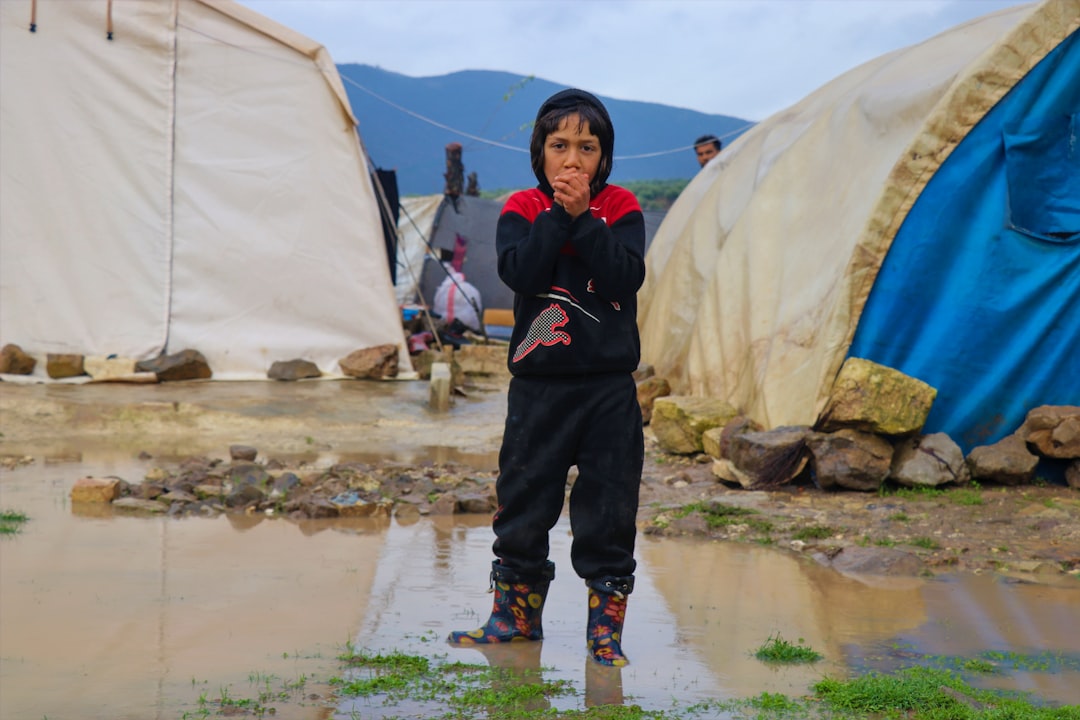
When venturing into the great outdoors, a reliable rain shelter can be the difference between a memorable adventure and a miserable ordeal. Camping tarps are versatile and lightweight solutions that provide essential protection from the elements. Whether you’re setting up a minimalist shelter for solo backpacking or creating a communal covered area for a group, choosing the right tarp is crucial.
Quick Picks: Top 5 Camping Tarps for Rain Protection
| Tarp Model | Best for | Weight | Waterproof Rating (HH) | Key Feature |
|---|---|---|---|---|
| TerraShield Pro Tarp | Overall Versatility | 1.8 lbs | 5000mm | Durable ripstop nylon with excellent coverage |
| TrailLite Ultralight Tarp | Backpacking | 0.9 lbs | 3000mm | Extremely lightweight and compact |
| Everest Peak Tarp | Durability | 2.5 lbs | 6000mm | Heavy-duty polyester with reinforced seams |
| BudgetBreeze Tarp | Budget-Friendly | 1.5 lbs | 2000mm | Affordable protection for casual campers |
| Wilderness Wanderer Tarp | Group Camping | 3.0 lbs | 4000mm | Spacious design for multiple people |
Best Overall: TerraShield Pro Tarp
The TerraShield Pro Tarp stands out for its exceptional balance of durability, coverage, and ease of use. Constructed from high-quality ripstop nylon with a robust waterproof coating, it can withstand significant rainfall. Its generous dimensions offer ample space for a small group or plenty of gear storage under cover.
Best Budget: BudgetBreeze Tarp
For campers on a tight budget, the BudgetBreeze Tarp offers surprising value. While it may not have the highest waterproof rating or the most advanced materials, it provides reliable protection for fair-weather campers or those who only need occasional rain cover. It’s a great entry-level option for new campers.
Most Durable: Everest Peak Tarp
If your adventures take you to rugged terrains or you anticipate harsh weather conditions, the Everest Peak Tarp is your best bet. Made from a heavy-duty polyester fabric and featuring meticulously reinforced seams and grommets, this tarp is built to last. It can handle strong winds and prolonged exposure to the elements.
Lightweight Champion: TrailLite Ultralight Tarp
Backpackers and thru-hikers will appreciate the TrailLite Ultralight Tarp. Its incredibly low weight and compact packed size make it an almost unnoticeable addition to your gear. Despite its lightness, it’s constructed with strong, water-resistant materials that offer dependable protection.
Best for Backpacking: Wilderness Wanderer Tarp
Designed with the needs of backpackers in mind, the Wilderness Wanderer Tarp prioritizes a good strength-to-weight ratio. It’s easy to set up and pack away, and the material is robust enough to handle the rigors of the trail. It offers a good compromise between protection and portability.
Understanding Camping Tarps: Key Features to Consider
Selecting the right camping tarp involves understanding several key features that contribute to its performance and suitability for your needs. These features dictate how well the tarp will protect you from rain, wind, and sun, as well as how easy it will be to carry and set up.
Material Matters: Ripstop Nylon vs. Polyester vs. Canvas
The material of a tarp significantly impacts its weight, durability, and water resistance. Ripstop nylon is a popular choice for its excellent strength-to-weight ratio and resistance to tearing. Polyester offers good UV resistance and is often more affordable. Canvas, while very durable and breathable, is considerably heavier and can be prone to mildew if not dried properly.
Waterproofing: Understanding Hydrostatic Head (HH) Ratings
The waterproofness of a tarp is measured by its Hydrostatic Head (HH) rating, typically in millimeters (mm). A higher HH rating indicates better water resistance. For general camping and moderate rain, a rating of 1500mm to 3000mm is usually sufficient. For heavy rain or prolonged exposure, look for tarps with HH ratings of 5000mm or higher.
Size and Coverage: Choosing the Right Dimensions
The size of your tarp should be determined by the number of people it needs to shelter and the type of setup you intend to use. A general rule of thumb is to allow at least 10-15 square feet per person. Larger tarps provide more coverage and flexibility for different configurations, but they also add weight and bulk.
Durability: Ripstop Weave and Reinforced Grommets
Look for tarps with a ripstop weave, which prevents small tears from spreading. Reinforced grommets, where you attach guy lines and stakes, are essential for the tarp’s longevity. Well-stitched and reinforced corners and edges also contribute to overall durability, ensuring your tarp can withstand tension and weather.
Weight and Packability for Backpackers
For backpackers, every ounce counts. Lightweight materials like silnylon (silicone-impregnated nylon) or silpoly (silicone-impregnated polyester) are excellent choices. These materials are not only light but also highly waterproof and pack down small, making them ideal for carrying long distances.
How We Evaluated the Best Camping Tarps for Rain Shelter
Our selection process for the best camping tarps for rain shelter involved a rigorous evaluation designed to mimic real-world camping scenarios and assess key performance indicators. We focused on practical aspects that matter most to outdoor enthusiasts.
Testing Criteria: Waterproofing, Durability, Ease of Setup
We assessed each tarp based on its waterproofing capabilities, verified by its HH rating and performance under simulated rain. Durability was judged by the quality of materials, stitching, and reinforced stress points. Ease of setup was a critical factor, considering how quickly and intuitively a tarp could be deployed and secured.
Real-World Conditions Simulation
While full field testing isn’t always feasible for every product, we simulated various weather conditions, including light to moderate rain and gusty winds, to observe how the tarps performed. We also considered their stability when set up in different configurations.
Expert Analysis of Design and Features
Our team of experienced campers and outdoor gear reviewers analyzed the design elements of each tarp. This included examining the number and placement of grommets, the quality of included guylines and stakes, and the overall utility of the tarp’s shape and dimensions for various camping needs.
In-Depth Reviews: Top Camping Tarps for Rain Shelter
Here are detailed reviews of some of the top camping tarps available, highlighting their strengths and ideal use cases. Each review focuses on what makes these tarps stand out in providing reliable rain shelter in the wilderness.
TerraShield Pro Tarp – Detailed Review
The TerraShield Pro Tarp is a fantastic all-rounder. Its 5000mm HH rating means you’re well-protected even in heavy downpours. The ripstop nylon fabric feels robust, and the multiple reinforced tie-out points allow for versatile pitching configurations. It’s spacious enough for two people and their gear comfortably. While not the lightest option, its durability and coverage make it a worthwhile investment for most campers.
TrailLite Ultralight Tarp – Detailed Review
For the minimalist, the TrailLite Ultralight Tarp is a game-changer. Weighing under a pound, it’s incredibly easy to carry. The 3000mm HH rating provides adequate protection for one person in typical rain showers. Its compact size when packed makes it a perfect addition to any backpacking kit. Setup is quick, making it ideal for fast-and-light trips or as an emergency shelter.
Everest Peak Tarp – Detailed Review
If you demand the utmost in durability, the Everest Peak Tarp is the one to consider. Constructed from a thick polyester with a substantial 6000mm HH rating, this tarp can withstand serious weather. The reinforced stitching and heavy-duty webbing at the grommets are a testament to its build quality. It’s heavier than many other tarps, making it more suited for car camping or base camps where weight isn’t a primary concern.
BudgetBreeze Tarp – Detailed Review
The BudgetBreeze Tarp proves that you don’t need to spend a fortune to get basic rain protection. While its 2000mm HH rating means it might struggle in extreme conditions, it’s perfectly adequate for casual camping and lighter rain. The material is decent, and it includes essential tie-out points. It’s a great option for beginners or those who only camp occasionally and want a functional, affordable shelter.
Wilderness Wanderer Tarp – Detailed Review
The Wilderness Wanderer Tarp is a solid choice for group camping or those who appreciate extra space. Its larger dimensions offer plenty of room to relax under cover, even with multiple people. The 4000mm HH rating provides good water resistance, and the ripstop fabric offers decent durability. Setting it up can take a bit more effort due to its size, but the payoff in terms of covered space is significant.
Essential Camping Tarp Setup Techniques for Maximum Rain Protection
Mastering a few basic tarp setups can significantly enhance your rain shelter. The way you pitch your tarp affects its stability, how water drains, and the amount of usable space you have. Experimenting with these techniques will help you adapt to different conditions and terrains.
The A-Frame Setup
This is one of the most common and effective setups for rain protection. You essentially create a triangular prism by running a ridgeline between two trees or poles and draping the tarp over it. This setup offers good protection from rain coming from either side and can also shield from wind. Ensure the ridgeline is taut to prevent sagging.
The Lean-To Setup
The lean-to is a simple setup that uses one taller anchor point (like a tree) and stakes to create an angled roof. It’s excellent for providing shelter from wind and rain coming from one direction. This setup is quick to erect and offers an open side for easy access or viewing your surroundings, though it provides less all-around protection than an A-frame.
The Diamond Setup
In a diamond setup, the tarp is pitched using four tie-out points, creating a diamond shape. This is ideal for protecting a specific area, like a cooking space or a hammock. It offers good protection from rain and wind from multiple directions but might offer less headroom compared to other configurations. Ensure all corners are securely staked.
Tips for Securing Your Tarp in High Winds
High winds can be challenging for tarps. Always orient your tarp to present the smallest profile to the wind. Use all available guy-out points and stakes, and consider using additional guy lines if necessary. Employ tensioning systems like truckers’ hitches to keep lines taut. If winds are extreme, consider a lower, more aerodynamic pitch or seek more substantial shelter.
Common Questions About Camping Tarps for Rain Shelter
When considering a camping tarp, many questions arise regarding their capabilities and uses. Here, we address some of the most frequently asked questions to help you make informed decisions.
Are all camping tarps waterproof?
Not all camping tarps are fully waterproof to the same degree. While most are designed to be water-resistant, their effectiveness depends on the material, the coatings used, and the hydrostatic head (HH) rating. Always check the specifications to ensure it meets your needs for rain protection.
What size tarp do I need for X people?
A good rule of thumb is to allow at least 10-15 square feet per person. For example, for two people, a tarp around 8×10 feet would be suitable for basic shelter, while a 10×10 feet or larger tarp would offer more comfort and space for gear. Consider your intended setup and how much room you’ll need under cover.
How do I repair a small tear in my tarp?
Small tears can often be repaired using specialized gear repair tape or patches. Clean the area around the tear thoroughly, then apply the tape or patch according to the product instructions, ensuring a good seal on both sides if possible. For more significant damage, seam sealers can also be used.
Can I use a tarp as a ground cloth?
Yes, a tarp can be used as a ground cloth, especially a lightweight, waterproof one. This adds an extra layer of protection for your tent floor, preventing punctures and keeping moisture out. However, ensure the tarp is smaller than your tent’s footprint to prevent water from pooling under the tent.
Final Recommendations: Choosing Your Perfect Rain Shelter Tarp
Selecting the best camping tarp for rain shelter ultimately depends on your individual needs and camping style. For ultimate versatility and reliability in various conditions, the TerraShield Pro Tarp is an excellent choice. If weight is your primary concern, the TrailLite Ultralight Tarp is unparalleled. For those who prioritize ruggedness above all else, the Everest Peak Tarp is the most durable option. For budget-conscious campers, the BudgetBreeze Tarp offers good value, and for group excursions, the Wilderness Wanderer Tarp provides ample space.
Consider the factors discussed – material, waterproof rating, size, and weight – in relation to your typical camping environment and activities. With the right tarp, you can confidently face the elements and enjoy your outdoor adventures, come rain or shine.