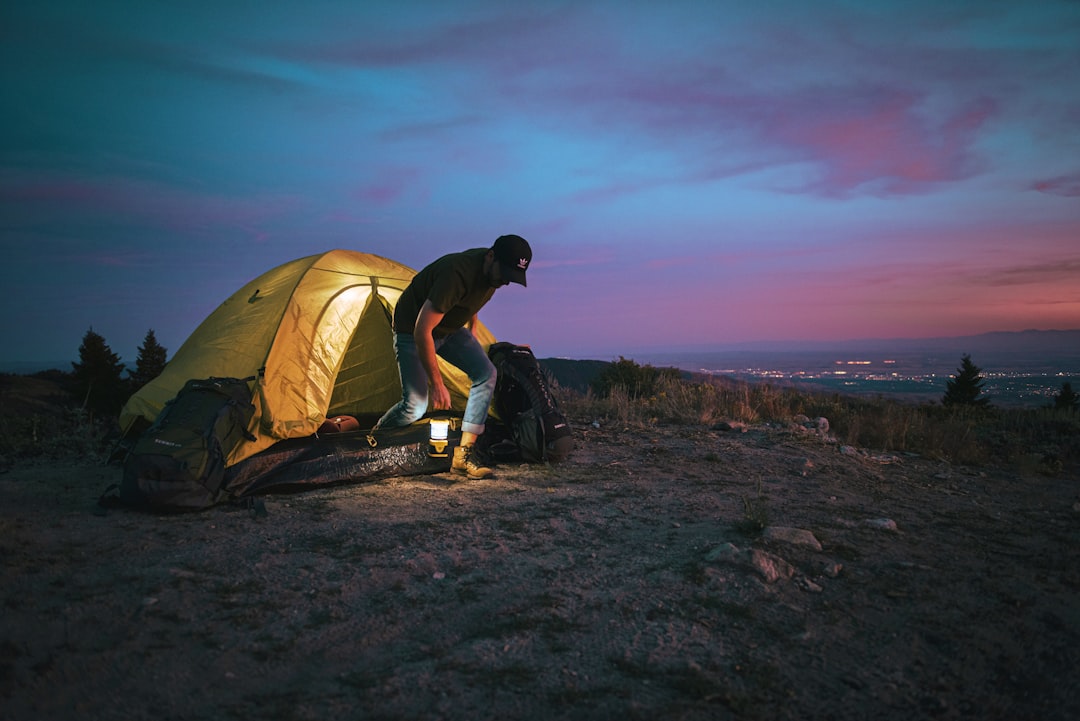
Choosing the right camping lantern can significantly enhance your outdoor experience, providing essential illumination for everything from setting up camp after dark to reading a book in your tent. With a wide array of options available, from powerful LED workhorses to ambient mood-setters, understanding the key features and current top performers is crucial. This guide explores the best camping lanterns for 2026, drawing on recent expert reviews and manufacturer specifications to help you find the perfect light for your adventures.
| Category | Product | Key Features | Lumens (Max) | Runtime (Max) | Power Source | Weight | Notable Aspects |
|---|---|---|---|---|---|---|---|
| Best Overall (Consensus Split) | BioLite AlpenGlow 500 | Ambient modes, multicolor options | 500 lm | 200 hrs (low) | Rechargeable Li-ion | ~0.5 lbs | Excellent light diffusion, adjustable color temperature. BioLite AlpenGlow 500. |
| Goal Zero Lighthouse 600 | Hand-crank, USB power hub | 600 lm | 320 hrs (low) | Rechargeable Li-ion, Hand-crank | ~1.1 lbs | Versatile power, charges devices. Goal Zero Lighthouse 600. | |
| Best Budget | Coast EAL22 | AAA batteries, long runtime | ~200 lm | N/A (long) | AAA Batteries | N/A | Reliable performance for the price. Coast EAL22. |
| Black Diamond Moji R+ | Compact, rechargeable | 200 lm | 70 hrs (low) | Rechargeable Li-ion (USB-C) | ~0.35 lbs | Durable, portable, good value. Black Diamond Moji R+. | |
| Best Compact/Ultralight | Goal Zero Lighthouse Micro Flash | Collapsible, lightweight | ~100 lm | N/A | Rechargeable Li-ion | <4 oz | Highly portable, good for backpacking. |
| Best Solar | LuminAid PackLite Max 2-in-1 | Solar & USB charging, phone charging | 360 lm | 50 hrs (low) | Solar, USB | N/A | Eco-friendly, packable, dual functionality. LuminAid PackLite Max 2-in-1. |
| Best Brightness | UST 60-Day DURO LED Lantern | Extreme durability, long runtime | 1,200 lm | 60 days (low) | N/A (battery-powered) | N/A | Exceptional brightness and runtime for emergencies. |
| Best Basecamp | Black Diamond Apollo | Dual hanging hooks, collapsible | 250 lm | 90 hrs (low) | Rechargeable Li-ion | N/A | Stable, good for area lighting. REI lists similar models. |
| Best Classic (Open Flame) | UCO Original Candle Lantern | Windproof, warm glow | N/A (candlelight) | ~9 hrs/candle | Candle | N/A | Ambiance, simple operation. UCO Original Candle Lantern. |
| Coleman Powerhouse Dual Fuel | Propane/kerosene compatible | N/A (high output) | N/A | Propane, Kerosene | N/A | High output for large areas. Coleman offers modern alternatives. | |
| Best Multicolor | Fenix CL20R V2 | Red/white modes, compact | 300 lm | 200 hrs (low) | Rechargeable Li-ion | N/A | Versatile lighting options. Fenix CL20R V2. |
The landscape of camping lanterns is constantly evolving, with manufacturers pushing the boundaries of brightness, battery life, and portability. For 2026, expert reviews indicate a split in the “best overall” category, with the BioLite AlpenGlow 500 and the Goal Zero Lighthouse 600 each leading different reputable publications. This suggests that the ideal lantern often depends on individual priorities, whether that’s ambient lighting or robust power options.
Understanding Camping Lantern Essentials
When selecting a camping lantern, several key specifications can help you differentiate between models and choose the one that best suits your needs. Lumens, runtime, power source, durability, and portability are all critical factors to consider for effective and reliable illumination in the outdoors.
Lumens: Measuring Brightness
Lumens are the standard unit for measuring the brightness of a light source. For general campsite illumination, a brightness of 300 to 500 lumens is typically sufficient to light up a small area or tent. If you require brighter light for tasks, navigating a larger campsite, or emergency situations, look for lanterns with 800 lumens or more. Many modern lanterns offer adjustable brightness settings, allowing you to conserve battery power by using only the light you need.
Runtime and Power Options
Runtime refers to how long a lantern can operate on a single charge or set of batteries. A good baseline to aim for is a lantern that can last at least 10 to 12 hours on a moderate setting. High-end models can offer significantly longer runtimes, sometimes exceeding 70 to 320 hours on their lowest settings. Power sources vary widely, including rechargeable lithium-ion batteries (the most common), solar panels, USB charging, traditional disposable batteries (like AAA or D-cell), and even fuel-based options like propane or kerosene for specialized lanterns.
Durability and Weather Resistance
Camping often involves exposure to the elements, so a durable and weather-resistant lantern is essential. Look for lanterns with an IP (Ingress Protection) rating of IPX4 or higher, which indicates resistance to splashing water. Materials such as rugged ABS plastic, aluminum, and impact-resistant lenses contribute to a lantern’s ability to withstand drops and rough handling. For emergency preparedness, models like the UST 60-Day DURO LED Lantern are noted for their exceptional durability.
Portability: Size and Weight
The ideal size and weight of a camping lantern depend heavily on your type of camping. Backpackers prioritize lightweight and compact designs, often favoring collapsible or inflatable lanterns that take up minimal space in a pack. Car campers, on the other hand, can generally accommodate larger, heavier, and potentially brighter lanterns without significant inconvenience.

Top Picks for 2026: Leading the Pack
Current expert reviews highlight several standout lanterns across different categories, catering to a variety of camping styles and needs. While there isn’t a single universal “best,” these models consistently receive high marks for their performance and features.
The Contenders for Best Overall
The title of “best overall” camping lantern is currently shared, reflecting different strengths. The BioLite AlpenGlow 500 is frequently cited for its excellent light diffusion, ambient lighting capabilities, and multicolor modes, making it ideal for creating a pleasant atmosphere at the campsite. Its spherical design helps to spread light evenly, avoiding harsh glare. With a maximum output of 500 lumens and a runtime of up to 200 hours on its lowest setting, it offers a good balance of brightness and longevity, powered by a rechargeable Li-ion battery.
Conversely, the Goal Zero Lighthouse 600 earns top spots for its versatility and robust power options. It boasts a higher maximum output of 600 lumens and an impressive runtime of up to 320 hours on its low setting. A key advantage is its dual power system: it features a rechargeable Li-ion battery that can also power USB devices, and a built-in hand crank for emergency charging when power sources are unavailable. This makes it a highly reliable choice for extended trips or situations where power is uncertain. You can find more details on the Goal Zero Lighthouse 600 official page.
Budget-Friendly Brilliance
For campers mindful of their budget, the Coast EAL22 and the Black Diamond Moji R+ offer excellent value. The Coast EAL22 provides reliable performance with a long runtime, powered by readily available AAA batteries. While its lumen output is around 200 lm, it’s sufficient for basic needs. The Black Diamond Moji R+ is a more modern option, offering 200 lumens and up to 70 hours of runtime on its low setting, powered by a rechargeable USB-C battery. It’s praised for its compact size, durability, and overall good value, making it a strong contender for those seeking a capable yet affordable lantern. The Black Diamond Moji R+ is available on the manufacturer’s website.
Specialized Lanterns for Specific Needs
Beyond general use, several lanterns excel in specific niches:
- Best Compact/Ultralight: The Goal Zero Lighthouse Micro Flash is a standout for backpackers, weighing less than 4 ounces and featuring a collapsible design, making it incredibly easy to pack.
- Best Solar: The LuminAid PackLite Max 2-in-1 is an eco-friendly choice, offering both solar and USB charging capabilities, along with the ability to charge your phone. It provides up to 50 hours of light on its low setting. Check out the LuminAid PackLite Max 2-in-1 for more information.
- Best Brightness: For situations demanding extreme illumination, the UST 60-Day DURO LED Lantern delivers an impressive 1,200 lumens and is noted for its exceptional durability and an astonishing 60-day runtime on its lowest setting, making it ideal for emergency kits.
- Best Basecamp: The Black Diamond Apollo is designed for basecamp use, featuring dual hanging hooks and a collapsible design for stability and convenience. It offers a good balance of brightness and runtime.
- Best Classic (Open Flame): For those who appreciate the ambiance of traditional lighting, the UCO Original Candle Lantern remains a popular choice. It’s windproof and provides a warm, inviting glow for approximately 9 hours per candle. The UCO Original Candle Lantern is a timeless option.
- Best Multicolor: The Fenix CL20R V2 offers versatility with multiple lighting modes, including red and white light options, alongside its 300-lumen maximum output and 200-hour runtime on low. The Fenix CL20R V2 is a feature-rich option.

Considering Older or Uncertain Models
It’s important to be aware that some previously popular models may be discontinued or have uncertain specifications. For instance, the original Black Diamond Moji has likely been superseded by the rechargeable Moji R+. Claims regarding the Duracell 2000 Lumen Tri-Power‘s runtime and brightness lack official verification on Duracell’s site, and some high-priced models like the Goal Zero Skylight lack official manufacturer pages, making their specifications uncertain.

Safety and Responsible Use
When using any type of lantern, especially open-flame models, safety is paramount. Always ensure adequate ventilation, keep flammable materials away from the heat source, and never leave a lit lantern unattended. For battery-powered and rechargeable lanterns, familiarize yourself with their charging requirements and battery life to avoid being left in the dark. Resources from organizations like the U.S. National Park Service offer guidance on campfire and light safety, which can be extended to general campsite lighting practices. FEMA also provides guidance on emergency lighting, useful for preparedness.

Frequently Asked Questions
What is the difference between lumens and lux?
Lumens measure the total amount of light emitted by a source, while lux measures the intensity of light at a specific point. For lanterns, lumens are the primary indicator of overall brightness.
How long should a camping lantern’s battery last?
Ideally, a lantern should last at least 10-12 hours on a moderate setting for typical evening use. High-end models can offer much longer runtimes, especially on lower brightness settings.
Are propane lanterns safe for tent use?
Propane lanterns produce carbon monoxide and heat, making them unsafe for use inside tents or enclosed spaces. They are best suited for outdoor area lighting.
What does an IPX4 rating mean for a lantern?
An IPX4 rating means the lantern is protected against splashing water from any direction, making it suitable for use in light rain or damp conditions.
Can I use my camping lantern to charge my phone?
Some lanterns, like the Goal Zero Lighthouse 600 and LuminAid PackLite Max 2-in-1, include USB power bank functionality, allowing you to charge small electronic devices.