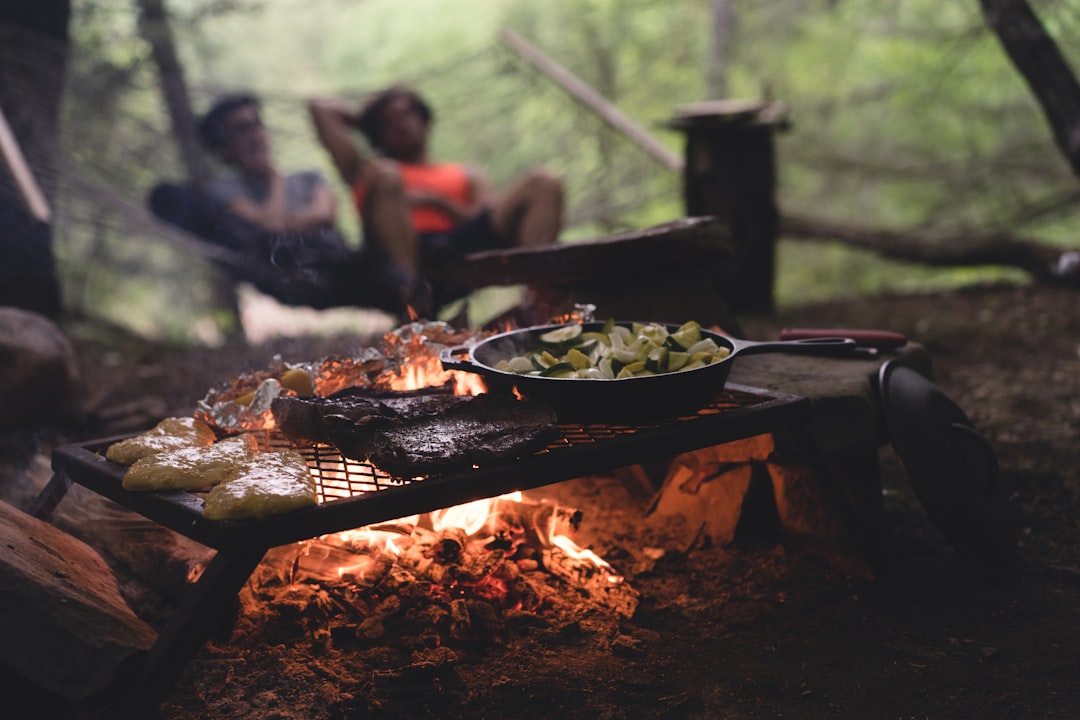
Selecting the right food for your camping adventures is as vital as choosing your shelter and gear. It’s the fuel that powers your explorations, the comfort that warms you after a day outdoors, and often, the centerpiece of memorable moments. In 2026, the market offers a diverse range of options, from ultra-lightweight backpacking meals to more substantial, car-camping-friendly choices. This guide focuses on current, verified top picks and essential factors to consider for your next outdoor culinary experience.
| Category | 2026 Top Pick | Key Facts | Source |
|---|---|---|---|
| Best Overall | Stowaway Gourmet | $18, 2.5 servings, freeze-dried, high taste score | |
| Best Vegan/Vegetarian | Farm to Summit | $15, plant-based, 300+ kcal/serving | |
| Best Regional Cooking | Itacate | $13, Mexican-inspired, authentic spices | |
| Largest Servings | Right on Trek | $15, 3+ servings, high calorie density | |
| Best Chili | Packit Gourmet | $14, vegetarian option, 500+ kcal | |
| Best Budget | Mountain House | $11, classic freeze-dried, 5–10 yr shelf life | |
| Best All-Around (REI) | Good To-Go Herbed Mushroom Risotto | Savory, 2 servings, quick rehydrate | |
| Best Pasta (REI) | PEAK REFUEL Chicken Alfredo Pasta | High protein, 2.5 servings | |
| Best Vegetarian (REI) | PEAK REFUEL Butternut Dal Bhat | 350 kcal, lentil-based | |
| Best Dessert (REI) | Backpacker’s Pantry Blueberry Peach Crisp | Freeze-dried fruit, 2 servings |
Core Selection Factors for 2026 Camping Foods
Weight Considerations
For backpacking and any activity where carrying your supplies is necessary, weight is a paramount concern. Freeze-dried and dehydrated meals are the primary choices due to their significantly lower weight compared to their fresh or canned counterparts. These meals typically weigh between 0.5 to 1 ounce per serving, making them ideal for minimizing pack load. Conversely, canned goods are generally too heavy and bulky for trail use, making them more suitable for car camping scenarios where weight is not a limiting factor.
Shelf-Life Realities
The shelf-life of camping food is a critical aspect, especially for extended trips or for stocking emergency kits. While some manufacturers may make marketing claims of exceptionally long shelf lives, realistic tested durations for freeze-dried meals under ideal storage conditions (cool, dry, and protected from light) are typically between 5 to 10 years. It is important to store these foods properly to maximize their longevity and ensure they remain safe and palatable. Always check the manufacturer’s specific recommendations for storage and best-by dates.
Preparation Time and Ease
The convenience of meal preparation at a campsite can significantly enhance the outdoor experience. Most modern freeze-dried and dehydrated meals are designed for simplicity, requiring only the addition of boiling water and a short rehydration period, usually between 10 to 12 minutes. This minimal preparation is ideal for situations where cooking facilities are basic or time is limited. For very low-energy nights or when cooking is not feasible, no-cook options such as jerky, nut bars, and pre-made trail mixes are excellent alternatives.
Calorie Density and Nutritional Value
Sustaining energy levels during outdoor activities is crucial. When selecting camping foods, prioritizing calorie density—the number of calories per unit of weight—is essential, particularly for backpacking. Aim for meals and snacks that offer a high calorie-to-weight ratio. Top performers in this category include almonds, which provide around 170 kcal/oz, and olive oil, offering approximately 240 kcal/oz. For complete meals, bars like ProBar Meal can deliver around 370 kcal per bar. This focus ensures you get sufficient energy without carrying excessive weight.

Nutrition and Safety on the Trail
Meeting Increased Energy Demands
Camping and outdoor activities inherently increase your body’s energy expenditure. To compensate, your diet should focus on providing sustained energy. Prioritize complex carbohydrates, such as instant rice and quinoa, which release energy slowly. Protein sources like jerky and lentils are vital for muscle repair and satiety. Healthy fats, found in nut butters and olive oil, are calorie-dense and contribute to warmth and fullness. Balancing these macronutrients ensures you have the stamina for your adventures.
The Importance of Electrolytes
During strenuous activities or in hot weather, your body loses essential electrolytes through sweat. Replenishing these is critical for maintaining proper bodily function, preventing cramps, and avoiding heat exhaustion. Carrying electrolyte powders or sports drinks that can be mixed with water is a simple yet effective way to manage electrolyte balance. This is particularly important on multi-day trips or during high-exertion activities like long hikes or climbs.
Building a Non-Perishable Pantry
A reliable selection of non-perishable foods forms the backbone of any camping food supply. Essential items include trail mix, a variety of nuts, jerky, granola bars, peanut butter, canned tuna or salmon (for car camping), instant rice, and dehydrated fruits. These items are versatile, require minimal preparation, and provide essential calories and nutrients. Having a well-stocked pantry ensures you have reliable food options regardless of your location or cooking capabilities.
Accommodating Dietary Restrictions
Enjoying your camping trip means eating food that suits your dietary needs and preferences. The market for specialized camping meals has expanded significantly, offering a wide array of vegan, vegetarian, gluten-free, dairy-free, and low-sodium options. Many brands clearly label their products, making it easier to find suitable choices. When planning meals for a group, it’s important to consider everyone’s requirements to ensure inclusivity and avoid cross-contamination, especially for those with severe allergies or intolerances.

Verified Product Highlights and Considerations
Top Picks by Category
Current reviews highlight several standout brands and meals for 2026. For an overall excellent taste and texture experience, Stowaway Gourmet is frequently cited. For those seeking plant-based options, Farm to Summit offers nutritious vegan meals. Adventurers interested in regional flavors might explore Itacate for its Mexican-inspired dishes. If you need larger portions, Right on Trek is noted for providing meals with high calorie density and generous servings. For chili lovers, Packit Gourmet offers a well-regarded option, including a vegetarian choice. For budget-conscious campers, Mountain House remains a classic, reliable choice, known for its affordability and long shelf life.
REI’s 2026 Selections
Retailer REI also features specific recommendations for 2026. Their top all-around pick is Good To-Go Herbed Mushroom Risotto, praised for its savory flavor and quick rehydration. For pasta enthusiasts, PEAK REFUEL Chicken Alfredo Pasta is highlighted for its high protein content and substantial serving size. Vegetarians can look to PEAK REFUEL Butternut Dal Bhat, a hearty lentil-based meal. And for a sweet finish, Backpacker’s Pantry Blueberry Peach Crisp offers a delightful freeze-dried dessert option.
Products Requiring Verification or Caution
While some brands have long-standing reputations, it’s wise to verify specific claims and product availability. The claim of a 30-year shelf life for some Mountain House products is often exaggerated; their official guidance suggests a more realistic 5–10 years under optimal storage conditions. Meals like Peak Refuel Chicken Pesto Pasta may not be among the current top-ranked items, so it’s advisable to check for updated reviews or alternatives. Similarly, Good To-Go Thai Curry has been superseded in some rankings by their Herbed Mushroom Risotto. For car camping, while convenient, canned chili and cornbread mixes are heavy and create significant waste, making them less ideal for backcountry trips.

Water Safety and Waste Management
Ensuring Safe Drinking Water
Access to safe drinking water is non-negotiable in the outdoors. Always carry a sufficient supply of bottled water or sports drinks. If you plan to use natural water sources, ensure you have a reliable water purification method, such as a filter, chemical treatment, or boiling. Never assume water from streams, lakes, or rivers is safe to drink without proper treatment. Proper hydration is key to preventing fatigue and maintaining health during your trip.
Leave No Trace Principles
Adhering to Leave No Trace principles is crucial for preserving the natural environment. This includes packing out all food waste, such as cores, rinds, and wrappers. Leaving food scraps can attract wildlife, disrupt natural ecosystems, and create unsanitary conditions. Properly dispose of all trash in designated receptacles or pack it out with you. This practice helps protect wildlife and ensures that natural areas remain pristine for future visitors.
Frequently Asked Questions
What is the realistic shelf life of freeze-dried camping meals?
Under ideal storage conditions (cool, dry, and protected from light), most freeze-dried camping meals have a realistic shelf life of 5 to 10 years. Claims of 30 years are generally considered marketing exaggerations.
Are canned foods suitable for backpacking?
Canned foods are generally not recommended for backpacking due to their significant weight and the bulk of the empty cans. They are more appropriate for car camping where weight is less of a concern.
How much water do I need to rehydrate a typical camping meal?
Most freeze-dried meals require approximately 1 to 2 cups (8-16 fl oz) of boiling water per serving. Always check the specific instructions on the meal packaging, as amounts can vary.
What are the best snacks for high-energy output activities?
For sustained energy, opt for calorie-dense snacks like nuts (almonds, walnuts), nut butters, dried fruits, jerky, energy bars, and trail mix. These provide a good balance of carbohydrates, protein, and fats.
How can I ensure I have enough calories for a multi-day trip?
Calculate your estimated daily calorie needs based on your activity level and duration. Aim for meals and snacks with a high calorie-to-weight ratio. Supplementing main meals with calorie-dense snacks is essential for maintaining energy levels on longer expeditions.