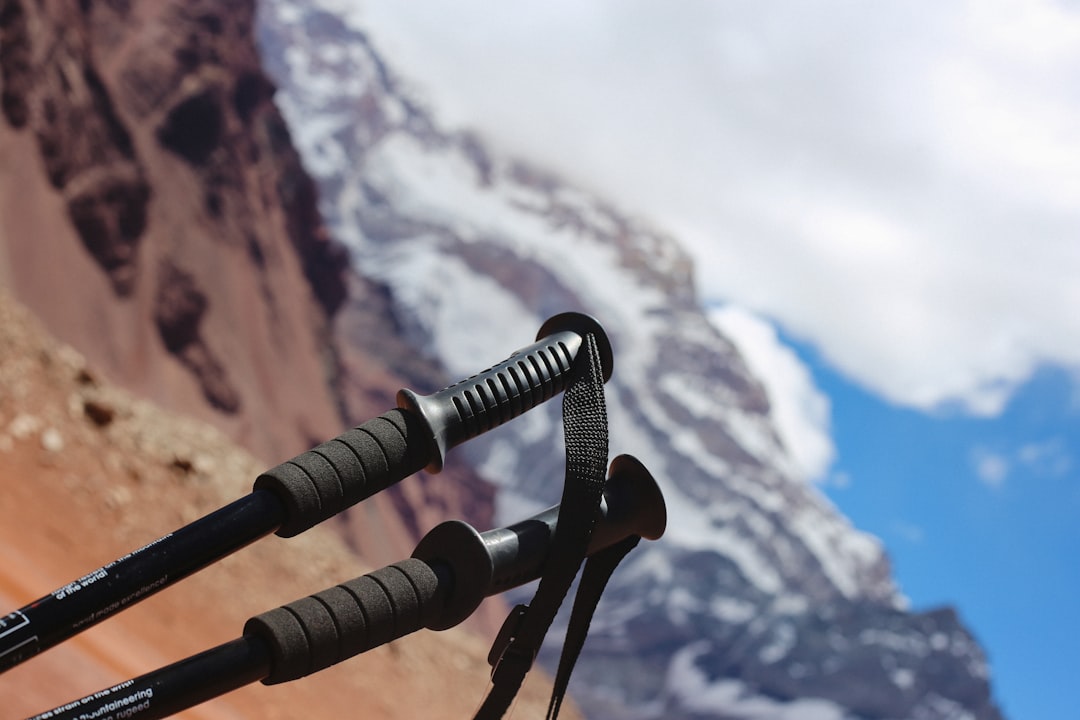
Trekking poles can be an invaluable tool for hikers, offering improved balance, reduced joint strain, and enhanced stability on varied terrain. While high-end models can come with a hefty price tag, it’s entirely possible to find reliable and functional trekking poles without exceeding a $50 budget. This guide focuses on identifying the best budget trekking poles available, prioritizing durability, ease of use, and essential features that make a difference on the trail.
| Model | Approximate Price | Material | Locking Mechanism | Key Features |
|---|---|---|---|---|
| Cascade Mountain Tech Quick Lock | ~$40 | 7075 Aluminum | External Lever Lock | Widely recognized as a top budget pick under $50; durable aluminum construction. |
| REI Co-op Trailmade | ~$50–$60 (often on sale for <$50) | 6061 Aluminum | External Lever Lock | Excellent value, balancing weight and durability; REI’s dedicated budget line. |
| Kelty Range 2.0 | ~$50 | 6061 Aluminum | External Lever Lock | Recommended for beginners, known for durability but can be heavier. |
| Trekology Trek-Z 2.0 | ~$56 (often considered a top budget alternative slightly over $50) | Aluminum | External Lever Lock | A strong contender if a slightly higher budget is acceptable, offering good performance. |
Understanding Budget Trekking Pole Features
When shopping for trekking poles under $50, understanding the key components and materials will help you make an informed decision. The primary considerations revolve around the pole’s material, its locking mechanism, weight, and the types of tips and baskets included. These elements directly impact the pole’s performance, durability, and overall user experience on the trail.
Material Matters: Aluminum vs. Carbon Fiber
The majority of reliable budget trekking poles are constructed from aluminum. You’ll commonly find two types: 7075 aluminum and 6061 aluminum. 7075 aluminum is generally considered stronger and more durable, making it a preferred choice for poles that need to withstand significant stress. 6061 aluminum is typically lighter but may be slightly less robust. While carbon fiber is known for its lightweight properties and strength, finding genuine, high-quality carbon fiber trekking poles for under $50 is exceptionally rare. Most carbon fiber options in this price range are often made with lower-grade composites that may compromise durability.
Locking Mechanisms: Reliability and Ease of Use
The locking mechanism is crucial for ensuring your poles stay at the desired length and provide stable support. The most recommended type for budget poles is the external lever lock. These mechanisms are generally more reliable, easier to adjust, especially when wearing gloves, and less prone to slipping under load compared to internal twist locks. Internal twist locks, while sometimes offering a sleeker profile, can be more susceptible to loosening over time or in challenging conditions, potentially leading to a loss of support.
Weight and Durability Considerations
For most budget-friendly aluminum trekking poles, you can expect a weight range of approximately 18 to 22 ounces per pair. While lighter poles are often desirable, especially for long-distance hikers, this weight range is typical for durable aluminum options. Poles significantly lighter than this in the under-$50 category might be sacrificing material quality or structural integrity. If weight is a primary concern, you might need to consider slightly increasing your budget or looking for sales on models that offer a better weight-to-durability ratio.
Tips and Baskets for Varied Terrains
Most trekking poles come equipped with carbide tips, which offer excellent grip on rock and hard surfaces. Many also include interchangeable rubber tips, which are useful for reducing noise on harder surfaces, providing better traction on wet roots or mud, and protecting sensitive trail surfaces. Better budget models may also include mud baskets, which prevent the pole from sinking too deeply into soft ground like mud or snow. Ensure the poles you choose come with the tip and basket options that best suit the types of trails you frequent.

Top Budget Trekking Pole Recommendations for 2026
Based on current reviews and expert analyses, several models stand out for their performance and value within the sub-$50 price point. These poles have been recognized for their reliable construction, user-friendly features, and overall suitability for a wide range of hiking activities.
Cascade Mountain Tech Quick Lock: The Leading Budget Choice
The Cascade Mountain Tech Quick Lock poles are frequently cited as the top-performing budget option under $50. Constructed from durable 7075 aluminum, these poles feature a reliable external lever lock system that allows for quick and secure length adjustments. They often come with a set of interchangeable baskets, adding to their versatility. Their widespread availability and consistent positive feedback make them a go-to choice for hikers seeking dependable performance without a high cost. You can find more information and purchase directly from the manufacturer’s website.
REI Co-op Trailmade: Best Value Proposition
The REI Co-op Trailmade trekking poles are often highlighted as an excellent value, typically priced around $50–$60 but frequently available on sale for under $50. These poles utilize 6061 aluminum, offering a good balance between weight and durability. They feature user-friendly external lever locks and are designed to meet the needs of recreational hikers. As REI’s own budget line, they benefit from the retailer’s commitment to quality and customer support. Check current pricing and details on the REI website.
Kelty Range 2.0: A Solid Option for Beginners
For those new to trekking poles, the Kelty Range 2.0 is a recommended choice, often priced around $50. These poles are built with 6061 aluminum and employ a dependable external lever lock system. While they might be slightly heavier than some other options, their robust construction makes them a durable and reliable companion for various trails. Kelty is a well-established brand known for its outdoor gear, and the Range 2.0 reflects this commitment to quality. Details are available on the Kelty website.
Trekology Trek-Z 2.0: A Top Alternative
While the Trekology Trek-Z 2.0 might slightly exceed the $50 mark, often retailing around $56, it is frequently mentioned as a top budget alternative for those willing to spend a little more for enhanced performance. These poles utilize aluminum construction and feature a reliable external lever lock. They are praised for their overall quality and functionality, making them a worthwhile consideration if your budget allows for a small increase. You can find more information on the Trekology website.

Safety and Proper Usage of Trekking Poles
Using trekking poles effectively not only enhances your hiking experience but also ensures safety. Proper adjustment, technique, and maintenance are key to maximizing their benefits and preventing potential issues. Consulting resources from land management agencies and experienced outdoor organizations can provide valuable guidance.
Adjusting Poles for Optimal Fit
The correct length for your trekking poles is crucial for comfort and efficiency. When standing upright with the pole on the ground, the tip should reach your elbow, forming a 90-degree angle at your elbow joint. For ascents, you may want to shorten the poles slightly, while for descents, extending them can provide better support and reduce strain on your knees. Always ensure the locking mechanisms are securely fastened before you begin your hike.
The Importance of Wrist Straps
Trekking pole wrist straps are more than just a place to hook your hands; they are designed to transfer weight efficiently from your hands to your wrists and forearms. This reduces fatigue in your hands and arms, allowing you to hike longer and more comfortably. When using the straps, slide your hands up through the bottom, resting your wrists on the top of the straps. Avoid gripping the handles too tightly; let the straps do the work.
Adapting to Different Terrains
The tips on your trekking poles play a significant role in how they perform on various surfaces. Carbide tips offer excellent grip on hard, rocky ground. When hiking on wet, slippery surfaces like roots or mud, switching to rubber tips can provide increased traction and prevent the pole from sliding out from under you. For softer ground, such as mud or snow, using baskets can prevent the poles from sinking too deeply, which can be both annoying and inefficient.
Maintenance for Longevity
Proper care will extend the life of your trekking poles. After each hike, especially if you’ve been through mud or water, clean the poles and their locking mechanisms. Wipe down the shafts and ensure the lever locks are free of debris. If you have twist-lock poles, avoid overtightening them, as this can damage the mechanism. Periodically check for any signs of wear or damage, and address them promptly.

What to Avoid in Budget Trekking Poles
While the under-$50 market offers great value, it’s also important to be aware of potential pitfalls. Some products may make claims that don’t hold up in real-world use, or they might use materials and designs that compromise performance and durability.
Questionable “Carbon Fiber” Claims
As mentioned earlier, genuine, high-quality carbon fiber trekking poles are rarely found under $50. Many poles advertised as “carbon fiber” in this price range may use lower-grade composites or a blend of materials that don’t offer the same strength-to-weight ratio as premium carbon fiber. If a deal seems too good to be true for a carbon fiber pole, it’s wise to be skeptical and research the brand and materials thoroughly.
Unreliable Locking Mechanisms
While external lever locks are generally preferred, some budget poles might feature poorly designed or cheaply made lever locks that can fail or loosen unexpectedly. Similarly, internal twist locks in this price bracket are more prone to slipping. If a pole’s locking mechanism feels flimsy or difficult to secure, it’s a red flag. Always prioritize poles with robust and easy-to-operate locking systems.
Fictitious or Discontinued Models
It’s important to note that some specific models mentioned in older or less reputable reviews may no longer be available or may never have been real products. For instance, models like the “TrailBlazer Pro XT,” “SummitSeeker Ultralight,” “RidgeRanger Duraflex,” “EcoTrek Carbon Lite,” and “BaseCamp All-Terrain” do not appear in current 2026 expert reviews or on manufacturer websites, suggesting they are likely fictitious or discontinued. Always rely on current information from trusted sources when making purchasing decisions.

Frequently Asked Questions
Are trekking poles necessary for day hikes?
Trekking poles are not strictly necessary for day hikes, but they can significantly enhance comfort and stability, especially on longer or more challenging routes. They help reduce strain on your knees and ankles and can improve your overall balance.
What is the best material for budget trekking poles?
For budget trekking poles under $50, aluminum (specifically 7075 or 6061 aluminum) is the best material. It offers a good balance of durability, strength, and affordability. High-quality carbon fiber is typically found in more expensive models.
How do I adjust my trekking poles to the correct length?
When standing upright with the pole on the ground, your elbow should be bent at approximately a 90-degree angle. For ascents, you may shorten them, and for descents, you might lengthen them slightly. Always ensure the locking mechanism is secure.
What’s the difference between lever locks and twist locks?
External lever locks are generally considered more reliable and easier to adjust, especially in cold weather or with gloves. Internal twist locks can offer a sleeker profile but may be more prone to slipping or loosening over time.
Can I use trekking poles in national parks?
Yes, trekking poles are generally permitted in national parks and on most trails. However, always check specific park regulations, as some sensitive areas might have restrictions. Using poles with rubber tips can help minimize trail erosion.