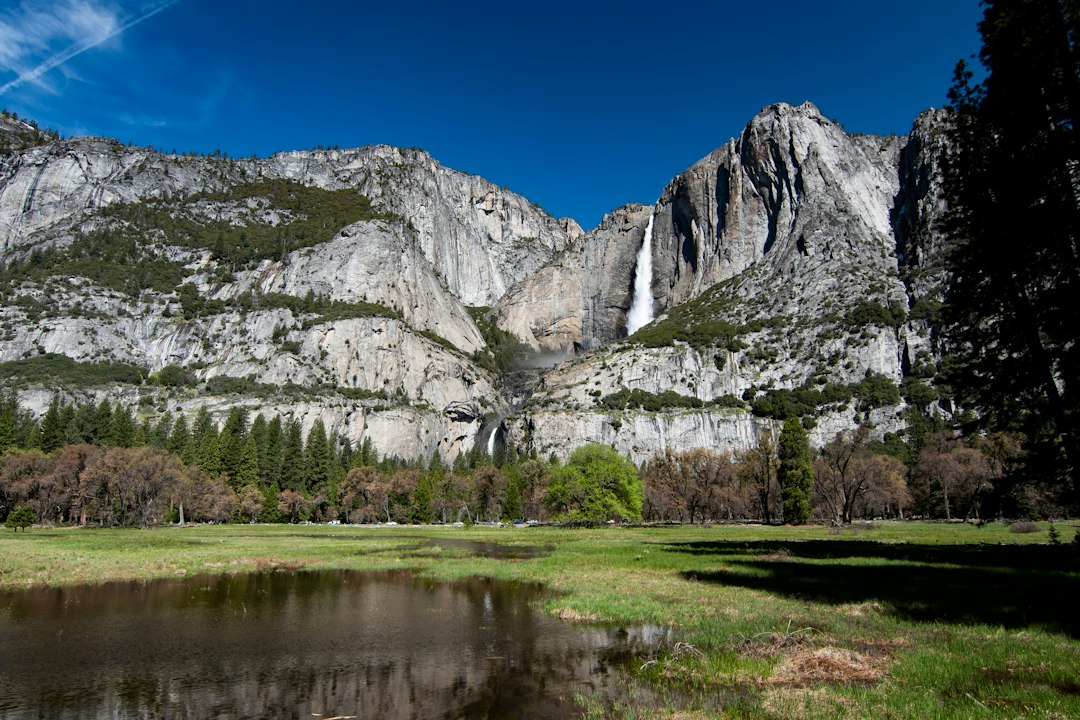
Yosemite National Park is a hiker’s paradise, boasting granite cliffs, giant sequoias, and abundant waterfalls that draw millions of visitors each year. For those looking to experience the park’s natural wonders on foot, day hiking offers an incredible opportunity. From easy strolls to challenging summit climbs, Yosemite has a trail for every fitness level and interest. This guide highlights the best day hikes for 2026, offering practical advice and detailed descriptions to help you plan your unforgettable adventure.
Best Day Hikes in Yosemite National Park 2026: Quick Comparison
| Hike Name | Distance | Difficulty | Est. Time | Elevation Gain | Best Season | Key Feature |
|---|---|---|---|---|---|---|
| Mist Trail to Vernal Fall and Nevada Fall | 3 to 7 miles (round trip) | Moderate to Strenuous | 3-6 hours | 1000-2000 ft | Spring to Fall | Soaking waterfalls, granite stairs |
| Yosemite Falls Trail | 7.2 miles (round trip) | Strenuous | 6-8 hours | 2700 ft | Spring to Fall | Iconic waterfall, panoramic views |
| Panorama Trail | 8.5 miles (one-way) | Strenuous | 5-7 hours | 3200 ft (descent) | Summer to Fall | Epic valley views, varied scenery |
| Mirror Lake Loop | 2 miles (loop) | Easy | 1-2 hours | 100 ft | Year-round (peak reflection in spring) | Reflective lake, Half Dome views |
| Half Dome via the John Muir or Mist Trail Route | 14-16 miles (round trip) | Extremely Strenuous | 10-14 hours | 4800 ft | Late Spring to Fall (permit required) | Cables to the summit of Half Dome |
| Glacier Point via Four Mile Trail | 9.6 miles (round trip) | Strenuous | 6-8 hours | 3200 ft | Late Spring to Fall | Unrivaled Yosemite Valley vistas |
| Sentinel Dome and Taft Point Loop | 5 miles (loop) | Moderate | 3-4 hours | 1000 ft | Summer to Fall | Dramatic granite domes and fissures |
| Clouds Rest Trail | 14.5 miles (round trip) | Strenuous | 8-12 hours | 1775 ft | Summer to Fall | 360-degree summit views, above Half Dome |
| Cathedral Lakes Trail | 7-8 miles (round trip) | Moderate | 4-6 hours | 1000 ft | Summer to Fall | Stunning alpine lakes, granite peaks |
| North Dome Trail | 6.4 miles (round trip) | Moderate | 3-5 hours | 800 ft | Summer to Fall | Unique views of Half Dome and the valley |
| Lower Yosemite Fall Trail | 1 mile (loop) | Easy | 30 minutes | 50 ft | Year-round | Paved, accessible path to the base of Yosemite Falls |
| Cook’s Meadow Loop | 1 mile (loop) | Easy | 30-60 minutes | Flat | Year-round | Meadow views, Half Dome and waterfall panoramas |
| Bridalveil Fall Trail | 0.5 miles (round trip) | Easy | 20 minutes | 80 ft | Year-round | Short, paved walk to the base of Bridalveil Fall |
Best Day Hikes in Yosemite National Park 2026 by Hiker Type
Choosing the right hike depends on your comfort level and physical condition. For beginners, gentle, paved paths offer stunning scenery without steep climbs. Families might prefer loops with educational opportunities and less demanding terrain. Experienced hikers seeking a challenge can tackle strenuous ascents to iconic summits. Moderate hikes provide a balanced experience for those who enjoy a good workout with rewarding views.
Best Day Hikes in Yosemite National Park 2026 by Season
The best time to hike varies throughout the year. Spring offers roaring waterfalls fueled by snowmelt, but higher elevations may still be snow-covered. Summer provides access to nearly all trails, including the high country, but can be hot and crowded. Fall brings cooler temperatures, fewer crowds, and beautiful foliage, though waterfalls diminish. Winter offers a serene, snow-dusted landscape, but accessibility is limited to Yosemite Valley and requires preparedness for icy conditions.
Best Day Hikes in Yosemite National Park 2026: Yosemite Valley Classics
Yosemite Valley, the heart of the park, offers a concentration of iconic trails that showcase its most famous features. These hikes range from invigorating waterfall ascents to gentle meadow strolls, providing a taste of Yosemite’s grandeur for every visitor.
Mist Trail to Vernal Fall and Nevada Fall
⚖️ Difficulty: Moderate to Strenuous
🔋 Est. Time: 3-6 hours
👍 Pros
- Incredible, up-close views of Vernal and Nevada Falls
- Invigorating experience of walking through waterfall spray (Mist Trail section)
- Option to extend to Nevada Fall for a longer hike
- Well-maintained, though steep, granite staircases
👎 Cons
- Can be extremely crowded, especially during peak season
- The Mist Trail section is very wet and slippery from spring to early summer
- Steep ascent can be challenging for some hikers
The Mist Trail is one of Yosemite’s most popular, and for good reason. The trail follows the Merced River, leading hikers up a steep granite staircase alongside Vernal Fall. During spring and early summer, the immense flow of water creates a “mist” that saturates the trail and hikers. Continuing to Nevada Fall offers a more strenuous climb but rewards with a second magnificent waterfall and expansive views. The John Muir Trail offers a slightly longer but drier alternative for ascending or descending, providing different perspectives.
This trail is a quintessential Yosemite experience, offering direct engagement with powerful waterfalls. The climb to the top of Vernal Fall is steep and requires careful footing, particularly on the exposed granite steps. The mist can be intense, necessitating waterproof gear for comfort. For those seeking more, the hike continues to Nevada Fall, presenting a more challenging ascent but a grander scale of scenery. Hikers can choose to loop back via the John Muir Trail for a varied perspective and a less demanding descent, though it adds mileage.

Yosemite Falls Trail
⚖️ Difficulty: Strenuous
🔋 Est. Time: 6-8 hours
👍 Pros
- Leads to the top of North America’s tallest waterfall
- Offers spectacular, sweeping views of Yosemite Valley
- Challenging but rewarding climb
- Well-maintained trail with switchbacks
👎 Cons
- Very strenuous with significant elevation gain
- Can be hot and exposed during summer months
- Crowded at the trailhead and upper viewpoints
- Waterfall flow diminishes significantly by late summer/fall
The trail to the top of Yosemite Falls is a demanding trek that ascends nearly 2,700 feet via a series of switchbacks. The primary draw is the awe-inspiring view from the brink of the Upper Yosemite Fall. While the waterfall’s volume is most impressive in spring, the trail remains accessible and offers incredible vistas throughout the summer and fall. The ascent is relentless, requiring good physical condition, and hikers should be prepared for sun exposure and potential heat.
This hike is a serious undertaking, designed for those looking for a significant challenge and unparalleled views. The trail begins near Camp 4 and climbs steadily, offering progressively wider perspectives of Yosemite Valley. Reaching the summit provides a breathtaking overlook and the chance to peer over the edge of the massive waterfall. Packing plenty of water and sun protection is crucial, especially for hikes during warmer months. The reward is immense: a sense of accomplishment coupled with one of the most iconic vistas in the park.
Panorama Trail
⚖️ Difficulty: Strenuous
🔋 Est. Time: 5-7 hours
👍 Pros
- World-class, expansive views of Yosemite Valley, Half Dome, and surrounding peaks
- Traverses diverse landscapes from high country to the valley floor
- Can be combined with other trails for longer or shorter variations
- Fewer crowds than more accessible valley floor trails
👎 Cons
- Requires transportation logistics (shuttle or car drop) as it’s one-way
- Significant descent can be hard on knees
- Trailhead access (Glacier Point) is seasonal and requires reservation/planning
- Can be hot and exposed during summer
The Panorama Trail is renowned for its continuous, breathtaking vistas. Typically hiked from Glacier Point down to Yosemite Valley (often descending via the Mist Trail or John Muir Trail), it offers a spectacular perspective of iconic landmarks. The trail meanders through forests and along ridgelines, providing dynamic views that change with every turn. The one-way nature necessitates planning for transportation, either by utilizing the park’s shuttle system (seasonal) or arranging a car drop. Glacier Point Road access is typically open from late May/early June through October/November, weather permitting.
For an immersive visual experience of Yosemite’s grandeur, the Panorama Trail is unparalleled. Its name accurately reflects the constant sweep of dramatic scenery. Hikers are treated to jaw-dropping overlooks of Yosemite Valley, including iconic views of Half Dome, Vernal Fall, and Nevada Fall. The descent is substantial, making it a challenging but immensely rewarding journey. Proper preparation, including water, sun protection, and a plan for returning to the starting point (or continuing down to the valley floor), is essential for a successful trip.
Mirror Lake Loop
⚖️ Difficulty: Easy
🔋 Est. Time: 1-2 hours
👍 Pros
- Stunning reflections of Half Dome when water levels are high
- Easy, relatively flat terrain suitable for most
- Accessible trailhead near shuttle stop
- Offers a peaceful alternative to more strenuous hikes
👎 Cons
- The “lake” can be more of a meadow or stream during dry periods
- Can be very crowded due to its accessibility
- Reflections are best in spring and early summer
Mirror Lake is famed for its potential to offer near-perfect reflections of Half Dome, particularly in the spring and early summer when Tenaya Creek is flowing robustly. The trail itself is mostly paved or a maintained dirt path, making it an easy walk. While the full loop is about 2 miles, a shorter out-and-back to the lake is also possible. The experience can vary significantly with the season; in late summer and fall, it often resembles a sandy creek bed with minimal water, though the views of the surrounding cliffs remain impressive.
This easy loop provides a different perspective on Yosemite’s iconic granite formations. The main attraction is the potential for classic mirror-like reflections of Half Dome, which is most reliable during the spring snowmelt. Even when the water is low, the walk through the forest alongside Tenaya Creek offers a pleasant and accessible experience. It’s an ideal hike for families or those looking for a less strenuous introduction to the park’s beauty, located conveniently near shuttle stop #17.
Best Day Hikes in Yosemite National Park 2026: Iconic Summit and Viewpoint Hikes
For those aiming for the park’s most dramatic panoramas and challenging climbs, these hikes lead to renowned summits and viewpoints that offer an unforgettable Yosemite experience.
Half Dome via the John Muir or Mist Trail Route
⚖️ Difficulty: Extremely Strenuous
🔋 Est. Time: 10-14 hours
👍 Pros
- The ultimate Yosemite day hike challenge
- Unparalleled 360-degree summit views
- The thrill of ascending the famous cables
- Accomplishment of summiting an iconic granite monolith
👎 Cons
- Requires a highly competitive lottery permit
- Extremely strenuous, long, and physically demanding
- The cable section is exposed and can be intimidating
- Requires excellent fitness, sturdy gear, and early start
- Potential for thunderstorms during summer afternoons
Summiting Half Dome is an achievement reserved for the most prepared and determined hikers. The hike involves a significant ascent, culminating in the infamous cable route, which requires ascending a steep granite face using metal cables. Permits are mandatory and obtained through a lottery system administered by the National Park Service. Hikers must start very early, typically before dawn, to complete the round trip within daylight hours and avoid afternoon thunderstorms. Proper equipment, including gloves for the cables, and a high level of fitness are non-negotiable.
This is not just a hike; it’s an expedition. The journey to Half Dome is epic, involving miles of trail before the final, thrilling ascent. The climb up the cables, while aided, demands strength, endurance, and a strong head for heights. The reward is a summit experience unlike any other, offering commanding views that stretch across the Sierra Nevada. Given the permit requirements, length, and difficulty, this hike is best undertaken by experienced and exceptionally fit individuals who have planned meticulously.
Glacier Point via Four Mile Trail
⚖️ Difficulty: Strenuous
🔋 Est. Time: 6-8 hours
👍 Pros
- Spectacular, iconic views of Yosemite Valley, Half Dome, and Yosemite Falls
- Less crowded than driving to Glacier Point itself
- A challenging but manageable ascent for fit hikers
- Trail is well-maintained and offers varied scenery
👎 Cons
- Significant elevation gain makes it strenuous
- The trail is exposed to sun for much of its length
- Glacier Point Road access is seasonal
- Requires careful planning for trailhead access
The Four Mile Trail is a historic path connecting Yosemite Valley to Glacier Point, offering a strenuous climb with continuously rewarding views. It’s named for its approximate length, though surveys indicate it’s closer to 4.8 miles one-way. The trail ascends steeply, providing unparalleled perspectives of Yosemite Falls, El Capitan, and Half Dome as you gain elevation. Hiking up to Glacier Point allows for a more immersive experience than simply driving to the viewpoint, and descending provides a different perspective. The trail is typically snow-free from late May to November, depending on the year’s snowfall.
For those who want to earn their view of Yosemite’s most famous landmarks, the Four Mile Trail is an excellent choice. This demanding hike steadily climbs from the valley floor, rewarding effort with progressively more spectacular panoramas. Reaching Glacier Point via foot offers a profound sense of accomplishment. While the destination is popular, hiking it bypasses the immediate crowds at the viewpoint, allowing for a more contemplative experience. Proper hydration and sun protection are essential due to the trail’s exposure.
Sentinel Dome and Taft Point Loop
⚖️ Difficulty: Moderate
🔋 Est. Time: 3-4 hours
👍 Pros
- Incredible 360-degree summit views from Sentinel Dome
- Dramatic cliffside views and fissures at Taft Point
- Relatively short and moderate difficulty for the rewards
- Accessible via Glacier Point Road (seasonal)
👎 Cons
- Can be very crowded, especially at sunset
- Glacier Point Road is seasonal, typically closed in winter
- The trail to Taft Point has unfenced drop-offs
- Summit of Sentinel Dome is exposed and can be windy
This loop hike, accessible from Glacier Point Road, offers two distinct and breathtaking viewpoints. Sentinel Dome provides a relatively easy scramble to its summit for sweeping panoramic views of Yosemite Valley, Half Dome, and the High Sierra. Taft Point features dramatic fissures in the granite and dizzying views looking straight down into Yosemite Valley, with a famous “The Fissures” photo spot. The loop connects these two points, offering a moderate-difficulty hike with immense scenic payoff. Hikers should exercise extreme caution near cliff edges, especially at Taft Point.
Combining Sentinel Dome and Taft Point in a loop is a highly efficient way to experience some of Yosemite’s most dramatic and accessible viewpoints. Sentinel Dome offers a 360-degree panorama that rivals those from more difficult hikes, while Taft Point provides a unique, heart-stopping perspective looking down into the valley. The trail is generally well-maintained but requires awareness of footing and significant drop-offs, particularly at Taft Point. This hike is a favorite for sunset, but be prepared for company and carry a headlamp for the return trip.

Best Day Hikes in Yosemite National Park 2026: Best Moderate Scenic Hikes
These moderate hikes strike an excellent balance between physical challenge and stunning scenery, offering deep immersion into Yosemite’s natural beauty without the extreme demands of summit climbs.
Clouds Rest Trail
⚖️ Difficulty: Strenuous
🔋 Est. Time: 8-12 hours
👍 Pros
- Unrivaled 360-degree summit views, often considered superior to Half Dome
- Less crowded than Half Dome, despite comparable views
- The final ridge walk is exhilarating
- Accessible from Tioga Road (seasonal)
👎 Cons
- Long distance and significant elevation gain
- The narrow, exposed final ridge requires comfort with heights
- Tioga Road is seasonal (typically June-October)
- Can be a full-day commitment
Clouds Rest is a truly magnificent hike, offering arguably one of the best panoramic views in Yosemite. The trail begins from the Tenaya Lake trailhead on Tioga Road and climbs steadily through forests before reaching a narrow granite spine that leads to the summit. While the final ridge is exposed and can be daunting for those with a fear of heights, it is wider than the Half Dome cables. The 360-degree vista from the summit is breathtaking, encompassing Yosemite Valley, Half Dome, and the High Sierra peaks. The hike requires a full day and good physical condition.
Many experienced hikers argue that Clouds Rest offers a superior overall view to Half Dome, without the permit hassle and with a less intimidating final ascent (though still exposed). The journey to the summit is a substantial trek, characterized by consistent climbing and expansive wilderness. The summit itself is a broad, open space providing an unparalleled perspective. This hike is a must-do for those seeking grand mountain scenery and a challenging, rewarding day out in the Yosemite high country.
Cathedral Lakes Trail
⚖️ Difficulty: Moderate
🔋 Est. Time: 4-6 hours
👍 Pros
- Stunning alpine scenery with pristine lakes
- Iconic views of Cathedral Peak
- Relatively moderate climb for the beauty offered
- Accessible from Tioga Road (seasonal)
👎 Cons
- Tioga Road is seasonal
- Can be crowded due to its popularity
- Higher elevation means potential for cooler temperatures and snow early/late season
The Cathedral Lakes Trailhead, located off Tioga Road, leads hikers into a landscape of alpine beauty. The trail ascends gradually to Lower Cathedral Lake, a stunningly situated body of water beneath the dramatic granite spires of Cathedral Peak. An optional, slightly more strenuous addition leads to Upper Cathedral Lake. The area is known for its clear waters, granite surroundings, and relative accessibility, making it a popular choice for day hikers seeking high-mountain scenery. The elevation means trails can hold snow into early summer and experience frost in September.
This hike is a gem for experiencing Yosemite’s high country. The trail is well-defined and offers a moderate challenge, leading hikers through lodgepole pine forests to breathtaking alpine lakes. Cathedral Peak serves as a dramatic backdrop throughout the hike, particularly at Lower Cathedral Lake. It’s an ideal excursion for those wanting to immerse themselves in a high-Sierra environment without the extreme commitment of longer, higher-altitude treks. Be sure to check Tioga Road status as it is only open seasonally.
North Dome Trail
⚖️ Difficulty: Moderate
🔋 Est. Time: 3-5 hours
👍 Pros
- Unique, unobstructed views of Half Dome from the north
- Less crowded than many other viewpoint hikes
- A moderate distance with manageable elevation gain
- Passes through interesting geological features
👎 Cons
- Requires access via Tioga Road (seasonal)
- The final approach to the dome requires careful navigation
- Can be hot and exposed in summer
The North Dome Trail, accessed from Tioga Road, offers a distinctive perspective on Yosemite’s famous landmarks. It leads to the summit of North Dome, a granite dome that provides a remarkable, head-on view of Half Dome, unfettered by other formations. The trail itself traverses varied terrain, including sections of Washington Column and through forest. The final approach to the summit requires careful footing on granite slabs. This hike is often overlooked in favor of more famous trails, making it a good option for those seeking solitude with spectacular views.
For a different angle on Half Dome and a less crowded experience, the North Dome Trail is an excellent moderate option. The hike is engaging, leading through forests and across granite landscapes before culminating in a striking viewpoint. The unobstructed view of Half Dome from this vantage point is a significant draw, offering a perspective rarely seen by most visitors. It’s a rewarding hike that provides a sense of discovery and impressive scenery, particularly appealing to photographers and those seeking quieter trails.
Best Day Hikes in Yosemite National Park 2026: Best Easy Hikes for Beginners and Families
Yosemite’s accessibility is a hallmark, and these easy trails are perfect for visitors of all ages and fitness levels, offering incredible scenery without demanding exertion.
Lower Yosemite Fall Trail
⚖️ Difficulty: Easy
🔋 Est. Time: 30 minutes
👍 Pros
- Paved, wheelchair-accessible path
- Direct views of the base of Lower Yosemite Fall
- Short and easy, suitable for all ages and abilities
- Close proximity to Yosemite Village and shuttle stops
👎 Cons
- Extremely crowded
- Waterfall flow is significantly reduced by late summer/fall
- Lacks the dramatic scale of upper trail options
The Lower Yosemite Fall Trail is a short, paved loop that leads to the base of the thundering Lower Yosemite Fall. It is designed for maximum accessibility, making it a popular choice for families with strollers, individuals using wheelchairs, and anyone seeking a quick, scenic experience. While the waterfall is most powerful in the spring, the trail is enjoyable year-round. The viewing area can become very congested, particularly during peak hours.
This is arguably the most accessible and popular short trail in Yosemite Valley, offering a powerful encounter with one of the park’s most famous waterfalls. The easy stroll leads directly to viewpoints where you can feel the mist from Lower Yosemite Fall. It’s an ideal introduction to Yosemite’s natural wonders and a perfect option for a quick visit or for those with limited mobility. Be prepared for crowds, especially if visiting during peak season.
Cook’s Meadow Loop
⚖️ Difficulty: Easy
🔋 Est. Time: 30-60 minutes
👍 Pros
- Flat, easy walking path through a scenic meadow
- Excellent, unobstructed views of Yosemite Falls, Half Dome, and Glacier Point
- Boardwalk sections protect the meadow
- Great for photography, especially in morning light
👎 Cons
- Can be very crowded
- Exposed to sun
- Limited shade
Cook’s Meadow Loop is a flat, easy trail situated in the heart of Yosemite Valley, offering iconic views of Yosemite Falls, Half Dome, and Sentinel Rock. Parts of the trail are on boardwalks to protect the fragile meadow ecosystem. It provides a serene walking experience with unparalleled photographic opportunities, especially during the golden hours of sunrise and sunset. The loop is accessible from shuttle stops and offers a gentle way to experience the valley’s grand scale.
This gentle loop is perfect for experiencing the classic Yosemite Valley panorama without any significant physical exertion. Walking through Cook’s Meadow provides unobstructed, postcard-worthy views of the valley’s most famous features. It’s an ideal spot for leisurely strolls, family outings, and photography. The relatively short distance makes it an easy addition to any itinerary, offering a peaceful respite amidst the grandeur of the surrounding cliffs and waterfalls.
Bridalveil Fall Trail
⚖️ Difficulty: Easy
🔋 Est. Time: 20 minutes
👍 Pros
- Short, paved, and accessible walk to a major waterfall
- Experience the spray and power of Bridalveil Fall
- Iconic view upon entering Yosemite Valley
- Suitable for all ages and abilities
👎 Cons
- Very short
- Can be extremely crowded
- Trail may be wet and slippery from waterfall spray
- Significant portion of trail may be closed for restoration
The Bridalveil Fall Trail is a short, paved path leading to the base of the elegant Bridalveil Fall. This waterfall is often the first major cascade visitors see upon entering Yosemite Valley from the west. The trail provides an up-close experience with the waterfall’s mist, which can be quite substantial, especially during wetter periods. While the trail itself is brief, the impact of the waterfall is significant. Note that the trail has undergone significant restoration and may have partial or full closures, so checking current conditions is advised.
This easily accessible trail offers a rewarding glimpse of Bridalveil Fall, a delicate yet powerful waterfall near the park entrance. The short walk is suitable for everyone, providing an immediate connection to Yosemite’s natural splendor. Visitors should be prepared for the waterfall’s spray, which can make the path damp and slippery. It’s a convenient stop that delivers a memorable scenic experience with minimal effort, showcasing the dramatic beauty of the valley.
Best Day Hikes in Yosemite National Park 2026: Best Hikes for Waterfalls, Views, and Photography
Yosemite is a photographer’s and nature lover’s paradise. These hikes are specifically highlighted for their exceptional waterfall encounters, sweeping vistas, and opportunities for capturing stunning images.
Best Day Hikes in Yosemite National Park 2026 for Waterfall Views
⚖️ Peak Flow: Spring to Early Summer
🔋 Key Experience: Immersive waterfall spray and powerful cascades
👍 Pros
- Direct, up-close encounters with Yosemite’s most famous waterfalls
- Incredible opportunities for dynamic photography
- The sound and mist provide a sensory experience
👎 Cons
- Trails can be extremely crowded and wet
- Waterfall volume decreases significantly later in the season
- Requires careful footing on slick surfaces
For waterfall enthusiasts, Yosemite delivers in spades, particularly during the spring snowmelt. The Mist Trail offers an immersive experience walking alongside and through the spray of Vernal and Nevada Falls. The Yosemite Falls Trail leads to the brink of North America’s tallest waterfall, while the Bridalveil Fall Trail provides an accessible encounter with its namesake cascade. Peak flow typically occurs in May and June, diminishing through the summer and fall months, though year-round beauty can still be found.
Experiencing Yosemite’s waterfalls is a highlight for most visitors. Trails like the Mist Trail put you right in the heart of the action, with Vernal and Nevada Falls providing thunderous displays. Yosemite Falls offers a chance to stand near the top of a colossal cascade, while Bridalveil Fall provides an elegant, accessible spectacle. Timing your visit for spring is ideal for maximum water volume, ensuring a truly awe-inspiring encounter with these natural wonders.
Best Day Hikes in Yosemite National Park 2026 for Half Dome Views
⚖️ Best Vantage Points: Various elevations and angles
🔋 Key Experience: Iconic granite monolith from different perspectives
👍 Pros
- Offers diverse and breathtaking views of the iconic Half Dome
- Hikes range from easy meadow strolls to strenuous climbs
- Excellent photographic opportunities throughout the day
👎 Cons
- Half Dome views can be impacted by weather (clouds, haze)
- Popular viewpoints can be crowded
- Some trails require seasonal access
Half Dome is Yosemite’s most recognizable feature, and several trails offer spectacular views of it. The Panorama Trail provides sweeping vistas from above, while Sentinel Dome offers a commanding 360-degree perspective that includes Half Dome prominently. The North Dome Trail gives a unique, direct view from the north, and even easy walks like Cook’s Meadow Loop frame Half Dome beautifully against the valley backdrop. Each offers a different way to appreciate this geological marvel.
Capturing the perfect image or simply soaking in the presence of Half Dome is a must-do for many Yosemite visitors. Trails like the Panorama Trail and Sentinel Dome provide elevated, expansive perspectives that showcase its grandeur. For a more unique angle, the North Dome Trail is exceptional. Even shorter, easier walks around the valley floor, such as Cook’s Meadow Loop, offer classic, postcard-worthy views that highlight Half Dome’s iconic shape against the sky.
Best Day Hikes in Yosemite National Park 2026 for Sunset and Panorama Photos
⚖️ Best Time: Golden Hour (late afternoon/evening)
🔋 Key Experience: Dramatic lighting on granite cliffs and valley vistas
👍 Pros
- Unbeatable lighting for photography
- Spectacular panoramic views from high vantage points
- Memorable and dramatic scenic experiences
👎 Cons
- Trails can be very crowded at popular sunset spots
- Requires hiking in the dark on return; headlamp essential
- Glacier Point Road access is seasonal
- Weather dependent
For photographers and sunset enthusiasts, Yosemite offers world-class opportunities. Sentinel Dome and Taft Point, accessible via Glacier Point Road, provide dramatic, wide-open views bathed in the warm glow of sunset. Hiking the Four Mile Trail up to Glacier Point offers similar vistas. The Panorama Trail, especially if timed to end near dusk, also delivers stunning light. It is crucial to carry a reliable headlamp for the descent after sunset, as trails become dark and potentially hazardous.
Witnessing the sunset paint Yosemite’s granite cliffs in hues of orange and pink is an unforgettable experience. Hikes leading to viewpoints like Sentinel Dome, Taft Point, and Glacier Point are prime locations for this spectacle. The changing light transforms the landscape, offering unparalleled photographic opportunities. Remember that safety is paramount; always bring a headlamp for the return trip and be aware of your surroundings, especially near cliff edges after dark.
Best Day Hikes in Yosemite National Park 2026: Planning Details
Successful day hiking in Yosemite requires careful planning, from understanding permit requirements to knowing the best times to visit and how to access trailheads.
Permits and Reservations
⚖️ Peak Season Vehicle Entry: Reservations may be required
🔋 Other Areas: Wilderness permits for overnight, no permits for most day hikes
👍 Pros
- Permits help manage crowds and protect resources
- Lottery system for Half Dome ensures fairness (though difficult)
👎 Cons
- Half Dome permits are extremely hard to get
- Peak season vehicle reservations add complexity
- Last-minute planning can be challenging
Most day hikes in Yosemite do not require permits. However, the iconic Half Dome ascent necessitates a permit obtained through a lottery system, with applications typically opening months in advance. Additionally, during peak visitation seasons (typically spring through fall), Yosemite National Park often implements a reservation system for vehicle entry to manage congestion. Visitors should always check the official Yosemite National Park website (nps.gov/yose) for the most current information on permit requirements, lottery dates, and vehicle reservation policies well before their planned trip.
Securing the necessary permits and reservations is a critical first step for planning a Yosemite hike, especially for Half Dome or during peak season vehicle access. The National Park Service provides detailed information on their website regarding application windows, lottery procedures, and reservation systems. Failing to obtain required permits or reservations can result in being denied entry or access to certain trails. Thorough pre-trip research is essential.
Best Time of Year for Each Hike
⚖️ Summer (June-August): All trails generally accessible, warmer, crowded
🔋 Fall (September-October): Cooler, fewer crowds, fall colors, reduced waterfall flow
💡 Winter (November-March): Snow closures, ice, limited access (Yosemite Valley accessible)
👍 Pros
- Spring offers spectacular waterfall displays
- Fall provides pleasant weather and fewer crowds
- Summer allows access to high country trails
👎 Cons
- Higher elevation trails may be snow-covered until mid-summer
- Waterfalls diminish by late summer/fall
- Winter significantly limits access and requires specialized gear
- Summer brings peak crowds
The optimal time for hiking in Yosemite varies greatly depending on the specific trail’s elevation and features. Spring (April-May) is prime time for waterfalls, but higher trails may still hold snow. Summer (June-August) opens up the high country like Tioga Road and Glacier Point Road, offering access to trails like Clouds Rest and Cathedral Lakes, but also brings the largest crowds and potential heat. Fall (September-October) offers cooler temperatures, fewer people, and beautiful autumn colors, though waterfalls will have reduced flow. Winter drastically limits access, with most high-country roads closed and valley trails often icy.
Choosing the right season is paramount for maximizing your Yosemite hiking experience. For waterfall enthusiasts, spring is unparalleled. For accessing the high country and generally snow-free trails, summer and early fall are ideal. Fall also presents a quieter, more colorful Yosemite. Winter hiking is possible in the Valley but requires careful attention to icy conditions. Always check current trail and road conditions before your visit, as they are highly variable.
Trailhead Access, Parking, and Shuttle Tips
⚖️ Glacier Point Rd/Tioga Rd Trailheads: Seasonal road access, parking can fill quickly
🔋 Recommendations: Utilize shuttles, arrive early, consider alternatives
👍 Pros
- Yosemite Valley shuttle is efficient and reduces parking stress
- Early arrival maximizes parking and trail opportunities
- Planning ahead bypasses many logistical headaches
👎 Cons
- Parking in Yosemite Valley is extremely limited and fills early
- Shuttle system can be crowded
- Seasonal road closures impact access to many trailheads
Navigating Yosemite’s trailheads requires strategic planning. In Yosemite Valley, parking is notoriously difficult to find, especially during peak hours and seasons. The free Yosemite Valley shuttle bus system is highly recommended for accessing popular trailheads like the Mist Trail and Lower Yosemite Fall. For trailheads located off Glacier Point Road or Tioga Road, which are only open seasonally, arriving very early in the morning is crucial, as parking lots often fill by mid-morning. Consider using a park map and shuttle route planner to strategize your access.
Efficiently reaching your chosen trailhead is key to a smooth Yosemite hiking experience. In Yosemite Valley, embracing the shuttle system is almost essential due to severe parking limitations. For trailheads accessible via Glacier Point or Tioga Roads, an early start is paramount to secure a parking spot. Researching your specific trailhead’s access, parking availability, and nearest shuttle stops in advance will save significant time and reduce stress on the day of your hike.
What to Pack for Yosemite Day Hikes
⚖️ Layering: Appropriate clothing for changing conditions
🔋 Optional/Situational: Trekking poles, insect repellent, bear spray (check regulations), gloves (for cables)
👍 Pros
- Being prepared ensures safety and comfort
- Proper gear enhances the hiking experience
- Reduces risk of injury or discomfort
👎 Cons
- Overpacking can lead to unnecessary fatigue
- Weather can change rapidly, requiring adaptability
A well-packed daypack is crucial for any Yosemite hike. Essential items include ample water (at least 1-2 liters per person for moderate hikes), high-energy snacks, sunscreen, a hat, sunglasses, a detailed trail map (don’t rely solely on phone signal), and a basic first-aid kit. Layering clothing is highly recommended, as mountain weather can shift quickly. Sturdy, broken-in hiking boots or shoes are vital. For specific hikes like Half Dome, gloves are essential for the cables. Always check weather forecasts and trail conditions before heading out.
Packing smart is fundamental for enjoying Yosemite’s trails safely. Beyond the essentials like water and food, consider layers of clothing that can be added or removed as conditions change. Sturdy footwear is non-negotiable. For longer or more challenging hikes, trekking poles can provide stability and reduce strain. Being prepared with the right gear ensures you can handle the demands of the trail and fully appreciate the park’s magnificent scenery.
Best Day Hikes in Yosemite National Park 2026: Safety and Trail Conditions
Understanding potential hazards and practicing safe hiking habits are paramount for a positive experience in Yosemite’s wild environment.
Water, Heat, Snow, and Altitude Considerations
⚖️ Heat: Can be intense on exposed trails in summer
🔋 Snow/Ice: Common at higher elevations into early summer; requires caution
💡 Altitude: Yosemite Valley is ~4,000 ft; higher trails reach 8,000+ ft
👍 Pros
- Being aware of risks allows for preparedness
- Proper hydration prevents heat-related illnesses
- Altitude acclimatization minimizes discomfort
👎 Cons
- Dehydration can occur quickly
- Heat exhaustion/stroke is a serious risk
- Snow/ice can linger on trails, causing falls
- Altitude sickness symptoms can affect anyone
Yosemite’s environment presents several natural challenges. Dehydration is a primary concern; carry more water than you think you’ll need and drink frequently. Summer heat, especially on exposed trails like Yosemite Falls or parts of the Panorama Trail, can be dangerous. Higher elevation trails, particularly those off Tioga Road, can retain snow and ice well into June or even July, requiring appropriate footwear and caution. Altitude sickness, with symptoms like headaches and nausea, is possible at elevations above 8,000 feet. Pace yourself, stay hydrated, and be prepared to turn back if conditions become unsafe.
Yosemite’s beauty comes with inherent risks that hikers must be prepared for. Staying adequately hydrated is non-negotiable, especially during warmer months and on strenuous climbs. Be mindful of the intense sun exposure on many trails and seek shade when possible. Snow and ice can persist on higher trails even into summer, making traction devices potentially useful. For those unaccustomed to altitude, taking it easy on the first day and staying hydrated can help mitigate symptoms.
Crowds, Timing, and Start-Early Strategy
⚖️ Best Times to Avoid Crowds: Early morning, late afternoon, weekdays, shoulder seasons
🔋 Start-Early Benefit: Secure parking, cooler temperatures, fewer people on trail
👍 Pros
- Starting early maximizes daylight and opportunities
- Avoids the peak midday heat and crowds
- Secures better parking and a more peaceful hike
- Better photographic lighting in the morning
👎 Cons
- Requires an early wake-up call
- May involve hiking in the dark for the return trip (if starting very early/ending late)
Yosemite is an incredibly popular park, and its most famous trails can become quite congested. To enhance your experience and safety, adopting a “start early” strategy is highly recommended. Arriving at trailheads before 8:00 AM, or even earlier during peak season, often means securing parking, enjoying cooler temperatures, and having significant stretches of trail to yourself. This is particularly true for popular hikes like the Mist Trail or trails originating from Yosemite Valley. Ending your hike in the late afternoon or early evening can also mean fewer people.
The secret to a more enjoyable and less stressful Yosemite hiking experience often lies in simply starting your day early. By beating the rush, you gain access to scarce parking, enjoy more comfortable hiking temperatures, and significantly reduce encounters with other hikers on the trail. This strategy is particularly effective for the park’s most renowned hikes, transforming a potentially crowded trek into a more serene encounter with nature.
Trail Closures and Seasonal Restrictions
⚖️ Seasonal Roads: Glacier Point Road, Tioga Road typically closed Nov-May/June
🔋 Always Check: Official NPS website for current conditions
👍 Pros
- Closures protect hikers and preserve the environment
- Information is readily available on the NPS website
- Planning around closures is part of responsible visitation
👎 Cons
- Unexpected closures can disrupt plans
- Seasonal road openings/closings can be delayed or extended
- Information may not always be real-time
Yosemite’s trails and access roads are subject to closures due to various factors, including winter snow, rockfalls, wildfires, construction, and ecological restoration projects. Roads like Tioga Road and Glacier Point Road are typically closed from November through May or June due to snow. It is imperative to check the official Yosemite National Park website (nps.gov/yose) for the most up-to-date information on trail status, road conditions, and any alerts or closures before and during your visit. Relying on outdated information can lead to significant disappointment.
Staying informed about trail and road conditions is a vital part of responsible planning for any Yosemite hike. Seasonal road closures are a fact of life for accessing much of the park’s high country. Beyond that, be aware that rockfalls, fires, or maintenance can temporarily close specific trails. Always consult the National Park Service’s official Yosemite website for the latest alerts and advisories to ensure your planned hikes are feasible and safe.
Best Day Hikes in Yosemite National Park 2026: Which Hike to Choose
With so many incredible options, selecting the right hike depends on your available time, fitness level, and desired experience.
Best Day Hikes in Yosemite National Park 2026 for a Half Day
⚖️ Duration: 1-3 hours
🔋 Focus: Iconic sights, easy access, minimal exertion
👍 Pros
- Accessible and rewarding for short timeframes
- Showcase Yosemite’s most famous landmarks
- Suitable for all fitness levels
👎 Cons
- Can be very crowded
- Limited scope for deep wilderness experience
If you have only a few hours to spare, Yosemite still offers magnificent experiences. Short, easy trails like Mirror Lake Loop, Lower Yosemite Fall Trail, Cook’s Meadow Loop, and Bridalveil Fall Trail provide accessible ways to witness the park’s grandeur. These hikes focus on iconic views and natural features, requiring minimal time and effort, making them perfect for fitting into a busy itinerary or for visitors with limited mobility.
For visitors with limited time, Yosemite doesn’t disappoint. Several easily accessible trails offer incredible rewards in just a few hours. These shorter hikes are ideal for capturing classic photos, experiencing the power of waterfalls, or enjoying serene meadow walks, ensuring that even a brief visit leaves a lasting impression of Yosemite’s beauty.
Best Day Hikes in Yosemite National Park 2026 for a Full Day
⚖️ Duration: 6-12 hours
🔋 Focus: Significant elevation gain, immersive scenery, challenging climbs
👍 Pros
- Experience the vastness and diversity of Yosemite’s landscapes
- Significant sense of accomplishment
- Opportunity to escape crowds on less popular sections
👎 Cons
- Requires high level of fitness and preparation
- Longer time commitment
- Weather dependent
For those dedicating a full day to exploring Yosemite’s trails, the options expand to include more challenging and rewarding treks. Hikes like the full Mist Trail to Nevada Fall, the strenuous Yosemite Falls Trail, the epic Panorama Trail, or the demanding Clouds Rest Trail offer deep immersion into the park’s wilderness. These hikes require a solid level of fitness, ample supplies, and an early start to complete safely within daylight hours.
A full day in Yosemite opens the door to truly epic hikes. These longer treks allow you to cover more ground, gain significant elevation, and experience the park’s diverse ecosystems. They are ideal for seasoned hikers looking for a challenge and a profound connection with the Sierra Nevada landscape. Proper planning and physical readiness are essential for successfully completing these demanding yet incredibly fulfilling adventures.
Best Day Hikes in Yosemite National Park 2026 for First-Time Visitors
⚖️ Duration: 30 minutes to 4 hours
🔋 Focus: Iconic views, ease of access, introduction to park highlights
👍 Pros
- Provides a memorable introduction to Yosemite’s famous features
- Accessible and manageable for most visitors
- High scenic reward for effort
👎 Cons
- Tend to be the most crowded trails
- May not offer a true wilderness experience
For first-time visitors, Yosemite offers several trails that provide an excellent introduction to its most iconic scenery without being overly demanding. Easy, accessible hikes like the Lower Yosemite Fall Trail, Cook’s Meadow Loop, and Mirror Lake Loop offer stunning views of major landmarks. A portion of the Mist Trail up to the footbridge of Vernal Fall also provides an incredible waterfall experience that is manageable for most. These trails balance accessibility with showcasing the park’s unparalleled beauty.
Making the most of a first visit to Yosemite means experiencing its most celebrated sights. The suggested hikes for first-time visitors are chosen for their ability to deliver maximum scenic impact with manageable effort and accessibility. They serve as a perfect gateway to understanding why Yosemite is considered one of the world’s natural wonders, leaving visitors eager to explore more on future trips.