Red Equipment Review 2026: Build a Smarter Paddle-Board Day-Trip Kit
A useful SUP setup is more than a board. It is the board, paddle, flotation, dry storage and post-water layer working together so launching, paddling and packing away feel straightforward.
Red Equipment’s US range is broad enough to build a complete paddle-board setup, but that can make shopping harder: an all-round inflatable, a carbon-composite paddle, a waterproof backpack and an insulated changing robe solve four different problems. Buying them in the wrong order can leave you with premium accessories around a board that does not suit your water.
This research-led guide starts with the essentials, then explains where Red’s products fit for a typical lake, calm-river or sheltered-coast day. It does not claim hands-on testing. Specifications and performance language are based on current manufacturer information, so confirm the live listing before checkout. If you want to see the whole assortment as you read, open the current Red Equipment US collection in a separate tab.
What Red Equipment does best
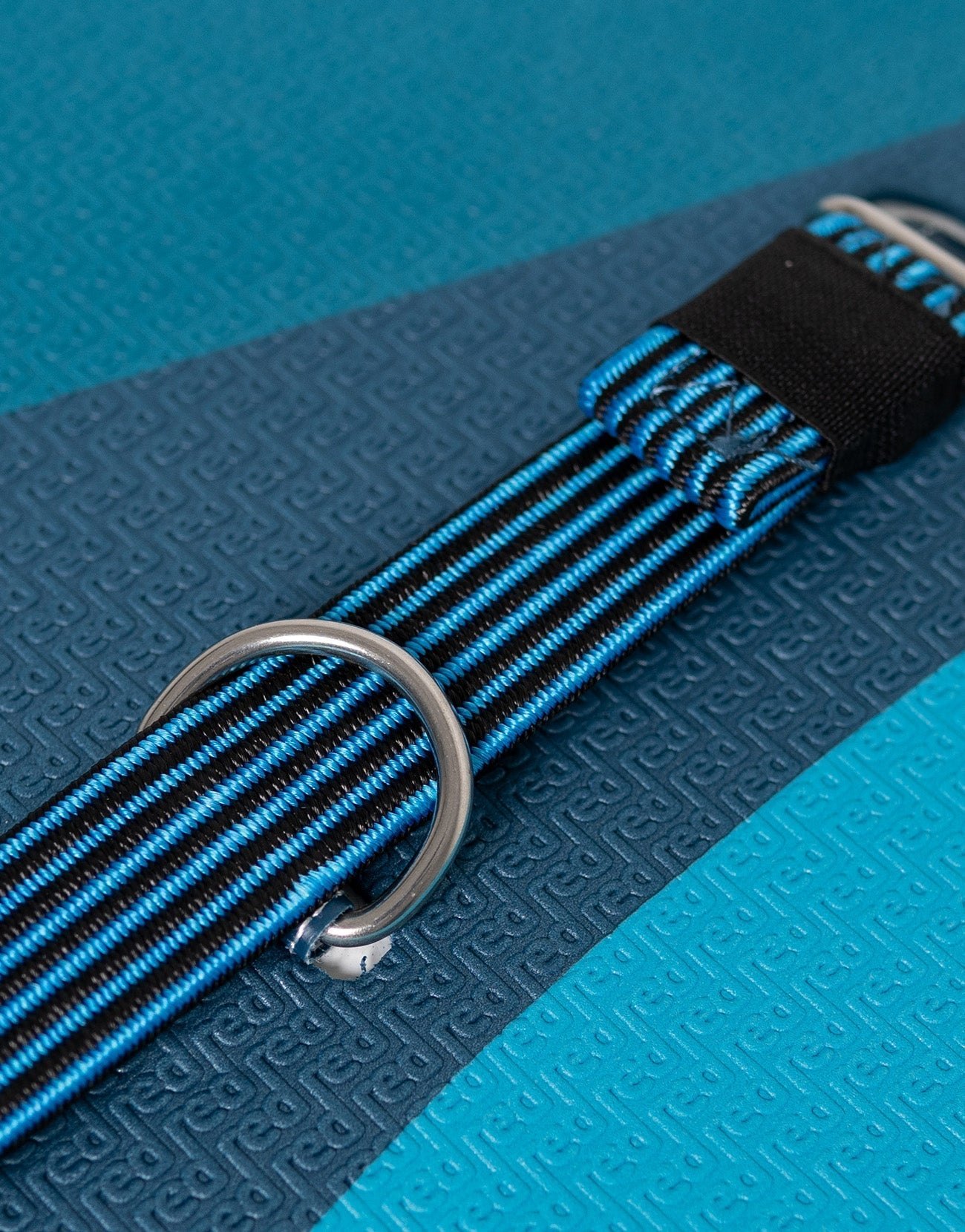
Red organizes its paddle-board range by use rather than offering one generic inflatable in multiple colors. Ride models focus on approachable all-round paddling; Sport moves toward longer, faster crossover shapes; Voyager targets touring and cargo; Compact prioritizes packed size; specialist boards cover racing, whitewater, multi-person use and higher-support applications.
The accessory range follows the same system-building logic. Three-piece paddles travel inside a bag, waterproof backpacks move gear from parking area to shoreline, and changing robes address the cold and privacy problems that begin when the paddling ends. That ecosystem is the brand’s main appeal: shoppers can keep the board, paddle and shore gear within one coordinated range without assuming every item is essential.
Step one: choose the board around repeatable trips
For many first-time buyers, the 10’6" Ride is the clearest entry point. Red publishes it as a 32-inch-wide all-round board for riders up to 100 kg, with a shape intended to balance stability, maneuverability and easy paddling. The package information lists a Titan II pump, waterproof phone case, repair kit and All-Terrain Backpack. Red also describes fixed, durable fins and a high-density MSL drop-stitch construction designed to create a relatively thin, rigid platform.
That profile suits short recreational sessions, learning basic strokes and sharing calm-water days with family. It is not automatically the best fit for every paddler. Someone carrying camping gear may need more volume and cargo points, while an improving paddler covering several miles at a time may value the glide of a Sport or Voyager. A frequent traveler with a small car or apartment may find Compact’s smaller pack more valuable than maximum deck capacity.
| Red board family | Best use case | What to prioritize | Watch for |
|---|---|---|---|
| Ride | Learning, recreation and mixed casual use | Stability, simple setup and suitable rider guidance | Less efficient than a touring board over distance |
| Sport | Fitness sessions and faster all-water paddling | Glide without moving to an extreme race width | Extra performance may be unnecessary for short outings |
| Voyager | Touring, exploration and carrying equipment | Tracking, cargo space and model-specific width | Longer boards need more turning and storage room |
| Compact | Travel, small cars and limited home storage | Pack dimensions and included multi-piece paddle | Compact construction may add cost you do not need |
Board families contain several sizes and model years. Always check the selected listing rather than applying one specification to the whole family.
A practical first shortlist
Start with Ride if you want a forgiving all-round board. Look at Sport if longer, faster sessions are the goal; Voyager if distance and cargo are central; and Compact if the normal board bag is what would stop you traveling or storing the kit. You can compare the available Red paddle-board families here.
Step two: treat the paddle as your engine
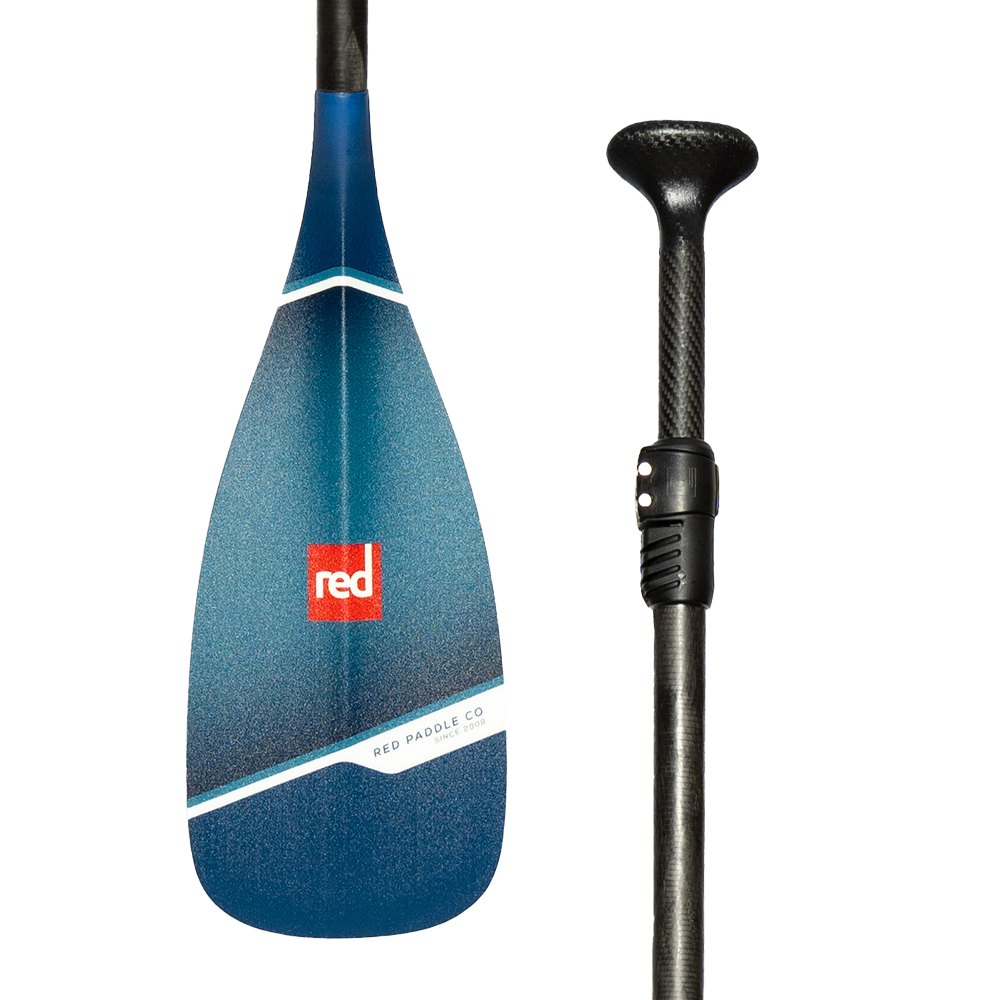
A paddle is easy to underestimate because it looks simpler than the board. In practice, every stroke lifts and moves it, so weight, adjustment and blade behavior influence fatigue across a full session. Red’s Hybrid three-piece adjustable SUP paddle uses a carbon-fiberglass composite shaft intended to blend lower weight and strength with some fiberglass flex. The company describes an Armour Tech blade with a protective polymer membrane, a scooped face and a narrow edge for cleaner release.
The three-piece format matters for inflatable-board ownership because it can break down for transport. Adjustment also lets households share one paddle more easily, provided the available length range works for each paddler. A locking system that stays aligned is useful, but buyers should still rinse it after salt water and occasionally inspect the clamp and joints for grit.
When a paddle upgrade makes sense
- You paddle long enough that swing weight becomes tiring.
- Your current blade feels too large or harsh for your cadence.
- You need a travel-friendly paddle that packs with an inflatable board.
- Your household needs reliable adjustment for different paddler heights.
A premium paddle is a lower priority if the board fit, flotation equipment or cold-water clothing is still unresolved. It is an efficiency upgrade—not a substitute for the basic safety system.
Step three: size dry storage by what cannot get wet
Red’s 30-liter roll-top dry bag backpack is positioned for day-long water activities. The product description lists welded seams, wipe-clean material, two padded shoulder straps, an internal zipped pocket and a reflective logo. Thirty liters is large enough for more than a phone and keys: it can hold spare layers, food and selected trip essentials without immediately forcing everything into multiple small bags.
But “waterproof” does not mean careless packing. Roll the top the required number of times, keep hard or sharp objects from pressing against the fabric, and place especially critical electronics or medication in a second protective pouch. If the bag will ride on deck, test its attachment points and secure it so a capsize does not turn it into floating luggage.
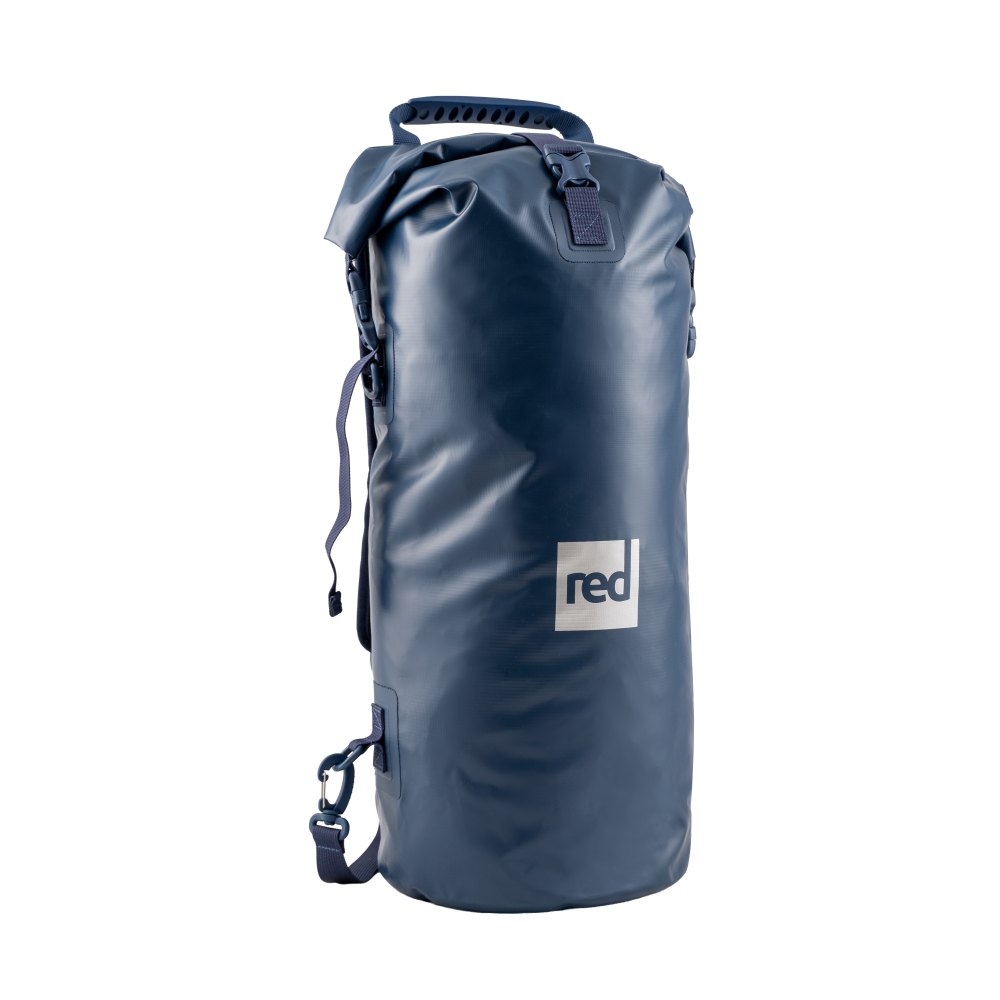
For short summer sessions, a smaller dry bag may be enough. For a full day with insulation, food and group items, 30 liters is easier to justify. Review Red’s current waterproof bag sizes and colors, then choose the smallest size that carries the necessary kit without difficult closure.
Step four: plan the first ten minutes after paddling
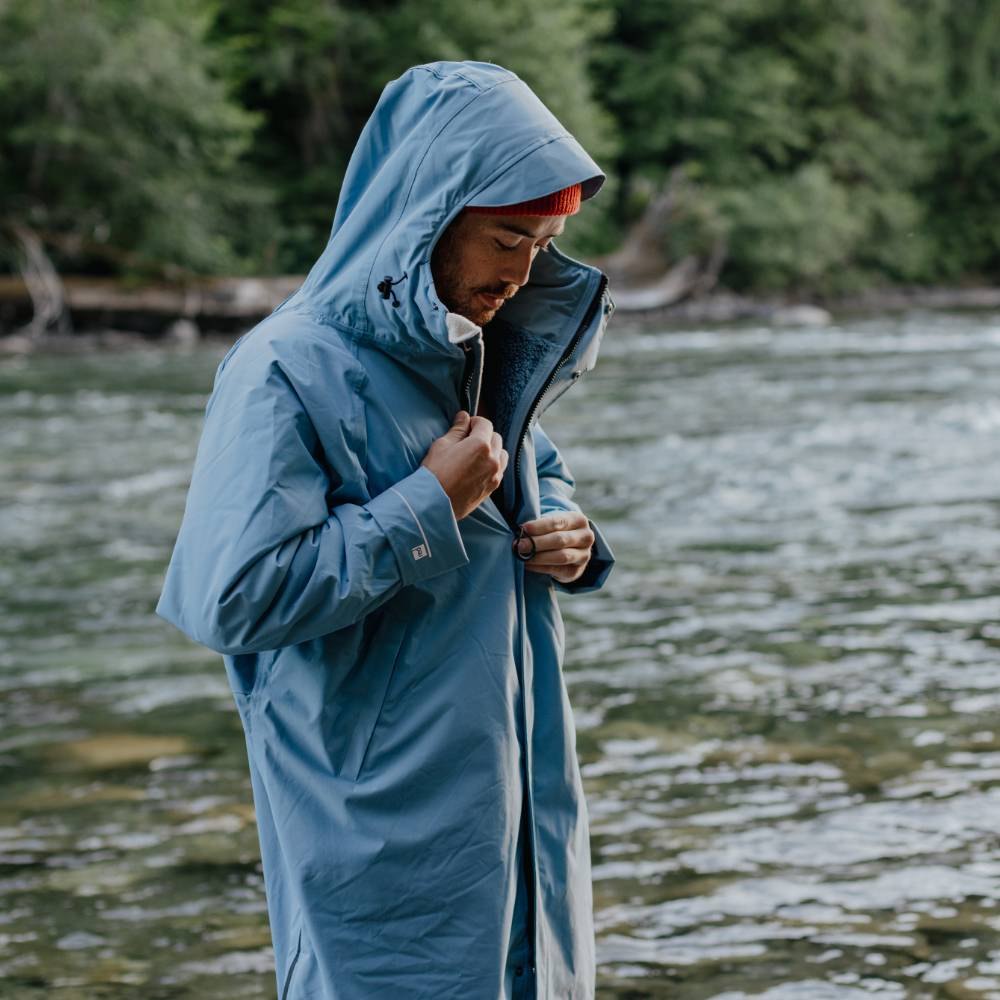
The transition from wet clothing to a warm vehicle is often the least organized part of a paddle day. A changing robe creates privacy and weather protection in one oversized layer. Red’s Alter EVO Pro robe is published with a 15k waterproof and 8k breathable rating, insulation and fleece-related features. The men’s Alpine Blue version used here represents one color and cut; the current range includes multiple men’s, women’s and children’s options.
A robe is most useful when the launch is exposed, the walk back is cold or there is nowhere private to change. It is less compelling for hot-weather paddlers who already change at home or use a simple towel poncho. Pay attention to size charts and intended changing room: a closer fit may look neater, while a roomier cut is easier for pulling arms out of wet layers.
The essential safety kit Red accessories do not replace
Even a well-chosen board package is not a complete safety plan. Wear a properly fitted personal flotation device appropriate to the activity and local rules. Dress for the water temperature, not just the air. Carry communication that works in the area, tell someone your route, check wind and current, and understand the launch’s access and exit points.
Leash choice is environment-specific. A coiled ankle leash commonly used on open water can be hazardous in flowing water where entanglement is possible; rivers may require a quick-release waist system and training. No general shopping guide can replace local instruction. If you are new to the sport, a lesson is often a better early investment than a fourth accessory.
A five-step buying sequence that controls overspending
Map your normal route
Write down distance, water type, launch surface, wind exposure and how far the kit must be carried. Buy for this repeatable trip before imagining an expedition.
Match board, rider and load
Use the exact model’s rider guidance and account for dry bags, water, a dog or passenger. Width and volume matter as much as length.
Complete the safety system
Budget for a suitable PFD, leash choice, clothing, communication and instruction before comfort upgrades.
Remove the biggest friction point
If carrying is awkward, improve the bag. If strokes are tiring, consider the paddle. If packing wet clothes is miserable, add dry storage or a changing robe.
Verify every live package
Included paddles, pumps, fins, bags and accessories can vary. Check current Red Equipment bundles and availability before comparing total cost.
Build your Red Equipment shortlist
Start with the board, then add only the paddle, dry storage and shore gear your usual trip will use.
Pros and limitations of building one-brand SUP kit
Where the range is strong
- Board families are organized around recognizable use cases.
- Inflatable-board packages can include transport and inflation essentials.
- Three-piece paddles and backpack formats suit portable SUP ownership.
- Waterproof bags and changing layers address genuine day-trip problems.
- Multiple sizes and specialist boards allow a more precise fit.
What needs scrutiny
- A complete brand-matched setup can become expensive quickly.
- Not every accessory is essential for every climate or route.
- Package contents and availability can differ by model and promotion.
- Manufacturer durability and performance claims are not independent tests.
- Safety equipment must be selected for the environment, not visual coordination.
Care checklist for an inflatable SUP setup
- Rinse board, paddle joints, fins and bag hardware after salt-water use.
- Dry the board and soft goods before long-term storage to reduce odor and mildew.
- Keep grit away from valves, pump fittings, roll-top closures and paddle clamps.
- Follow the board’s pressure guidance and do not leave it inflated in intense heat.
- Inspect seams, fin boxes, leash points and the paddle locking mechanism before remote trips.
- Store insulated robes clean and dry, following the garment care label rather than generic advice.
Frequently asked questions
Is Red Equipment the same as Red Paddle Co?
The US Red Equipment store carries Red Paddle Co inflatable boards alongside paddles, waterproof bags, changing robes and other watersports equipment. Product names and branding should be checked on the exact current listing.
Which Red paddle board is the best first board?
The 10’6" Ride is a logical general-purpose starting point because Red positions it around stability and easy all-round paddling. It is not universal: rider weight, cargo, water and storage can point toward another size or family.
Do I need a carbon paddle immediately?
Not necessarily. A lighter, better-fitting paddle can improve longer sessions, but board fit and safety equipment come first. Upgrade when paddle weight, stiffness or packability is a real limitation.
Is a 30-liter dry bag too large for paddle boarding?
It can be appropriate for a full day, spare insulation or group items. It may be excessive for a short warm-weather session. The bag must also be secured correctly on the board.
Does a changing robe replace cold-water clothing?
No. A changing robe helps before and after the session. It does not replace a wetsuit, drysuit or other immersion clothing selected for the water temperature and activity.
Final verdict: buy the system in the right order
Red Equipment makes it possible to build a coherent SUP day-trip setup, but the smartest route is sequential. Choose a board for the rider and water. Complete the flotation, leash and clothing plan. Then improve paddling efficiency, dry storage and post-water comfort where the routine actually needs help.
The 10’6" Ride is the approachable anchor for many recreational paddlers, the Hybrid three-piece paddle is a travel-friendly efficiency option, the 30-liter backpack targets all-day dry storage, and the Alter EVO robe solves cold, exposed changes. They do not all need to be bought together. Compare the current Red Equipment range, verify each package and invest first in the item that gets you safely onto the water more often.
Ready to compare the current range?
Check live board packages, accessories, sizes and available colors on the US store.