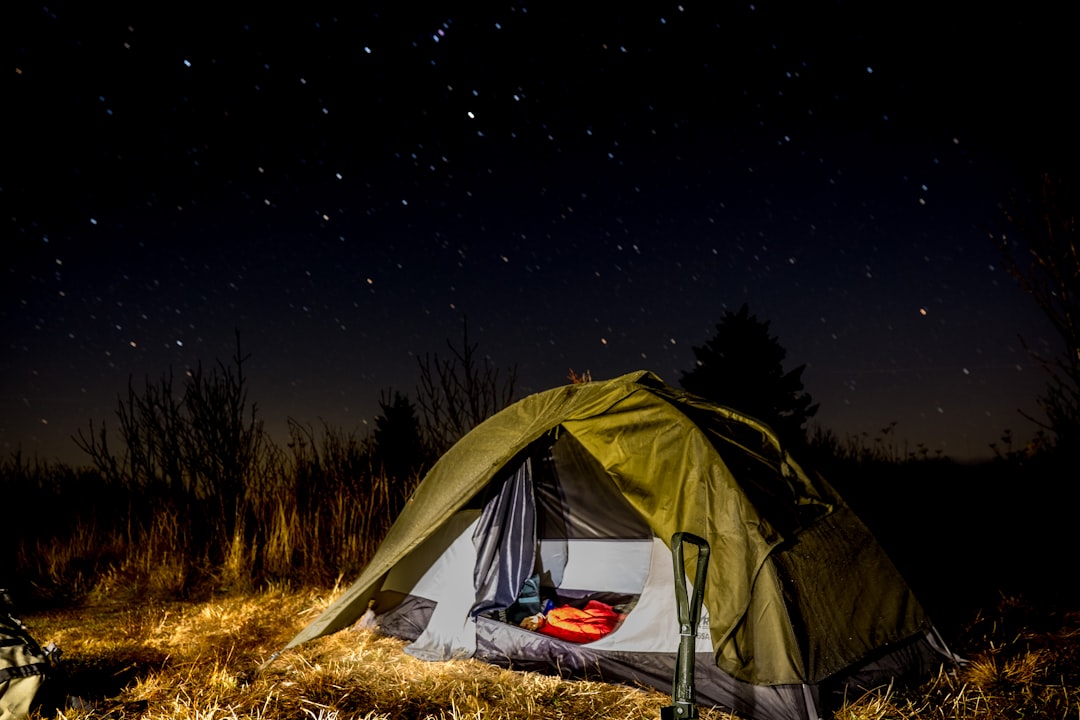
How to Stay Warm Sleeping in a Tent: The Complete Cold-Night Camping Guide
Camping offers a unique connection to nature, but a chilly night can quickly turn an adventure into an ordeal. Understanding how to effectively stay warm in a tent is crucial for comfort and safety, especially as temperatures drop. This guide will equip you with the knowledge to enjoy your camping trips, no matter the weather.
What this guide covers
This comprehensive guide will walk you through every step of staying warm while camping, from preparing your gear at home to optimizing your sleeping setup in the tent. We’ll cover essential equipment choices, campsite selection, pre-sleep routines, and strategies for staying warm throughout the night. We will also address common mistakes to avoid and how to adapt your approach for different cold-weather conditions.
Why tents feel colder at night
Tents are not inherently insulated structures; they are primarily shelters from the elements like wind and rain. During the day, they can trap heat from the sun. However, at night, they lose heat rapidly to the colder surrounding air and the ground. Your body heat is the main source of warmth, and without proper insulation and management, this heat can escape, making the tent feel significantly colder than the ambient temperature.
How to Stay Warm Sleeping in a Tent Before You Leave Home
Preparation is key to a warm night’s sleep. The gear you choose and how you pack it can make a significant difference in your overall comfort.
Choose the right sleeping bag for the forecast
Your sleeping bag is your primary defense against the cold. Look for bags with a temperature rating that is at least 10-15 degrees Fahrenheit lower than the lowest temperature you expect. Synthetic fill is often a good budget-friendly option, while down offers superior warmth-to-weight ratio but is more expensive and less effective when wet. Pay attention to the bag’s shape; mummy bags are generally warmer than rectangular ones as they reduce dead air space.
Pick a sleeping pad with enough insulation
Often overlooked, your sleeping pad provides crucial insulation from the cold ground, which can suck away body heat. The R-value measures a pad’s insulation. For cold weather camping, aim for an R-value of 3 or higher. Inflatable pads offer more comfort and insulation than closed-cell foam pads, but both can be used effectively. Some campers use a combination of both for maximum warmth.
Pack dry sleep clothes only
It’s vital to have a dedicated set of dry clothes specifically for sleeping. Never sleep in the clothes you wore during the day, as they will likely be damp with sweat. Cotton is a poor choice for cold weather as it holds moisture and loses its insulating properties when wet. Opt for synthetic or merino wool base layers, mid-layers, and socks for your sleepwear.
Build a cold-weather layering plan
Layering your clothing is essential for regulating body temperature. Start with a moisture-wicking base layer, add an insulating mid-layer (like fleece or down), and finish with a windproof and waterproof outer shell. For sleeping, focus on keeping your base layers and socks dry and clean. Avoid wearing too many layers inside your sleeping bag, as this can trap moisture from your sweat and make you colder.
Bring small warmth boosters
Small items can make a big impact. Consider bringing a fleece liner for your sleeping bag to add extra warmth. A reusable hand warmer or a hot water bottle wrapped in a sock can also provide targeted warmth, especially for your feet or core. A warm hat is also essential, as you lose a significant amount of heat through your head.
How to Stay Warm Sleeping in a Tent When You Set Up Camp
Your campsite choice and how you set up your tent play a significant role in how well it retains heat.
Pick a sheltered campsite
When choosing a spot for your tent, look for natural windbreaks such as large rocks, dense bushes, or hillsides. Avoid open, exposed areas where wind can directly hit your tent, chilling the interior. Positioning your tent to face away from the prevailing wind can also help. Consider the sun’s path; a spot that gets morning sun can help warm up your tent.
Pitch the tent correctly
Ensure your tent is pitched tautly. A sagging tent can create pockets where cold air can gather. Use all the guy lines and stakes to secure your tent firmly. This not only makes it more stable in wind but also reduces drafts. If possible, orient the smallest wall of your tent into the wind to minimize exposure.
Protect yourself from the ground
The ground is a major heat sink. Ensure your sleeping pad is positioned correctly under your sleeping bag. If you have an inflatable pad, check for leaks. For extra insulation, you can place a closed-cell foam pad underneath your inflatable one, or even a layer of pine boughs (if available and permitted) or a car’s emergency blanket. Make sure your backpack or other gear isn’t creating a cold spot by compressing your sleeping pad.
Manage condensation early
Condensation can form inside your tent from your breath and body moisture, and it can make your sleeping bag damp and colder. Ventilate your tent properly by slightly opening the vents or a small portion of the rainfly zipper. This allows moist air to escape. Do this even in cold weather, but be mindful of not letting too much cold air in.
How to Stay Warm Sleeping in a Tent in the Hour Before Bed
The hour before you hit the sleeping bag is crucial for setting yourself up for a warm night.
Eat for warmth without overeating
Your body generates heat as it digests food. A warm, calorie-rich meal before bed can help boost your internal temperature. However, avoid eating a very large meal right before sleeping, as digestion can sometimes cause discomfort or even make you feel warmer initially but then colder as your body expends energy. A good, hearty dinner is ideal.
Warm up your body, not your sleeping bag
It’s a common misconception to try and warm up your sleeping bag by zipping yourself inside and shivering. Instead, engage in light physical activity outside your tent for a few minutes to get your blood circulating and generate internal heat. A brisk walk or some jumping jacks can do the trick. This will raise your core body temperature before you get into your sleeping bag.
Put on dry thermal layers
Once your body is warm, change into your dedicated dry sleepwear. This typically includes thermal base layers, clean socks, and a warm hat. Ensure these layers are not too tight, as this can restrict blood circulation and make you colder. The goal is to trap your body heat effectively.
Prep your bed with heat-retention tactics
Before you get into your sleeping bag, take a few minutes to prepare it. If you have a hot water bottle, fill it with hot (not boiling) water, seal it tightly, and place it in your sleeping bag at your core or feet. You can also use hand warmers similarly. This pre-warms your sleeping bag, making it more inviting and comfortable from the moment you get in.
How to Stay Warm Sleeping in a Tent While You Sleep
Even with good preparation, you need to know how to optimize your sleeping setup for continuous warmth.
Keep your head covered
A significant amount of body heat is lost through the head. Always wear a warm hat to bed, even if you don’t feel particularly cold. This simple step can dramatically improve your overall warmth. Ensure your sleeping bag has a good hood that can be cinched around your face to minimize heat loss.
Use your sleeping bag correctly
Zip your sleeping bag up completely. Cinch the hood around your face, leaving just enough opening to breathe comfortably. Avoid letting your head or limbs poke out of the bag. If your sleeping bag has a draft collar, make sure it’s positioned properly around your neck to seal in warmth.
Add insulation around your body
If you find yourself getting cold, don’t immediately resort to wearing more clothes inside your bag, which can lead to sweating. Instead, try using extra insulation around your body. You can place your spare clothes, a fleece jacket, or even your backpack inside the sleeping bag with you to create a warmer microclimate. A liner can also add a significant warmth boost.
Stay dry through the night
Moisture is the enemy of warmth. If you start to feel a little damp from sweat, try adjusting your sleeping bag’s ventilation or briefly removing a layer. Ensure your sleeping bag is not in direct contact with the tent walls, which can become damp from condensation. If your sleeping bag gets damp, try to air it out during the day.
How to Stay Warm Sleeping in a Tent Without Risky Mistakes
Certain common practices can be dangerous or counterproductive when trying to stay warm.
Don’t use unsafe heat sources
Never bring portable heaters, camp stoves, or other fuel-burning devices inside your tent. These pose a serious risk of carbon monoxide poisoning, which is odorless and deadly. Similarly, avoid using candles in your tent due to fire hazards. Rely on proper insulation and clothing layers for warmth.
Don’t sleep in cotton
As mentioned before, cotton absorbs moisture and loses its insulating properties when damp. This can lead to hypothermia in cold conditions. Always opt for synthetic or wool fabrics for your sleepwear and base layers. If you’re unsure about a fabric, err on the side of caution and avoid cotton.
Don’t let your insulation get compressed
Your sleeping bag and sleeping pad work by trapping air. If they become compressed, their ability to insulate is significantly reduced. Ensure your sleeping pad isn’t squashed under your body weight or by heavy gear. Avoid overstuffing your sleeping bag. Keep dry, fluffy items like spare down jackets or pillows in your bag.
Don’t start the night already cold
Getting into a cold sleeping bag when your body temperature is already low makes it very difficult to warm up. Follow the pre-sleep routines recommended earlier, including light exercise and changing into dry, warm layers. Warming your core before getting into your sleeping bag is crucial.
How to Stay Warm Sleeping in a Tent in Different Cold-Weather Conditions
Adjusting your strategy based on the specific weather can enhance your comfort.
Cool nights
For cool nights (just above freezing), a good quality 3-season sleeping bag rated for around 20-30°F (-6 to -1°C) and a sleeping pad with an R-value of 2-3 should suffice. Focus on wearing a base layer and socks to bed and ensuring your tent is well-ventilated to prevent condensation.
Near-freezing nights
When temperatures approach or dip below freezing, you’ll need a warmer sleeping bag, ideally rated for 0-15°F (-18 to -10°C), and a sleeping pad with an R-value of 4 or higher. A sleeping bag liner can add significant warmth. Consider bringing a hot water bottle and always wear a hat and warm socks.
Wet or humid conditions
Moisture is your biggest enemy. Synthetic sleeping bags perform better than down in damp conditions. Ensure your tent’s rainfly is properly deployed and your gear is kept as dry as possible. Good ventilation is critical to manage internal moisture. Consider bringing extra dry layers and a waterproof bag for your sleeping bag.
Windy conditions
Wind accelerates heat loss. Choose a campsite with natural windbreaks. Ensure your tent is pitched securely, and consider using a tent with a robust aerodynamic design. A good windproof outer layer for your sleeping bag or a tent footprint placed inside can add an extra layer of protection against drafts.
How to Stay Warm Sleeping in a Tent With Budget Gear
You don’t need top-of-the-line gear to stay warm. Smart choices can make a difference.
Upgrade the pad before the bag
A good sleeping pad is often more critical for warmth than a slightly warmer sleeping bag. Prioritize investing in a pad with a decent R-value, even if it means getting a more budget-friendly sleeping bag initially. A comfortable, insulated pad can make a world of difference.
Use low-cost warmth boosters
Inexpensive items like wool socks, a warm fleece hat, and a fleece sleeping bag liner can add significant warmth without breaking the bank. A simple hot water bottle made from a sturdy plastic bottle can also be very effective. Even layering with spare dry clothes can help.
Borrow or repurpose smartly
Consider borrowing gear from friends or family for your first few trips. Look for opportunities to repurpose items from home; a thick blanket can sometimes serve as an extra layer on your sleeping pad, and an emergency thermal blanket can add a reflective layer inside your sleeping bag.
How to Stay Warm Sleeping in a Tent for the Best Overnight Routine
Establishing good habits will ensure consistent comfort throughout your camping trip.
Check warmth before lights out
Before settling in for the night, take a moment to assess your comfort level. Are your feet cold? Do you feel a draft? Address these small issues before you get too settled, as it’s much harder to fix them once you’re zipped into your sleeping bag.
What to do if you wake up cold
If you wake up cold, don’t just shiver. First, try zipping up your sleeping bag more and cinching the hood. If that doesn’t work, try a few light exercises like tensing and releasing your muscles or doing some gentle stretches to generate body heat. If you have a hot water bottle or hand warmer, use it. You can also try eating a high-energy snack.
What to do the next morning
Air out your sleeping bag and tent as much as possible during the day, ideally in direct sunlight, to dissipate any accumulated moisture. Hang your sleeping bag over a tree branch or lay it flat in the sun. Ensure all your damp gear is dried before packing it away or using it again for the next night.
How to Stay Warm Sleeping in a Tent: Quick Checklist
Here’s a concise summary of essentials to remember.
Essential gear
- Sleeping bag rated for the expected temperatures
- Insulated sleeping pad (R-value 3+ for cold weather)
- Warm hat and socks
- Dry synthetic or wool sleep clothes
- Optional: Sleeping bag liner, hand warmers, hot water bottle
Essential habits
- Choose a sheltered campsite
- Pitch your tent properly
- Insulate from the ground
- Ventilate your tent
- Eat a warm meal
- Warm up your body before bed
- Change into dry sleep clothes
- Keep your head covered
- Use your sleeping bag correctly
- Stay dry
How to Stay Warm Sleeping in a Tent: Final Takeaways
Mastering the art of staying warm in a tent enhances your camping experience significantly, turning potentially uncomfortable nights into restful ones.
The 3 biggest warmth rules
- Insulate: Proper sleeping pads and bags are your primary defense.
- Stay Dry: Moisture from sweat or condensation will make you cold.
- Seal it Up: Minimize heat loss by closing drafts and covering your head.
The simplest action plan
Before heading out, check the forecast and pack accordingly. At the campsite, pick a sheltered spot and set up your tent securely. Before bed, eat a warm meal, get your body temperature up with light exercise, change into dry layers, and prepare your sleeping bag. Sleep with your head covered and your bag zipped tight. By following these steps, you’ll be well on your way to comfortable, warm nights under the stars.