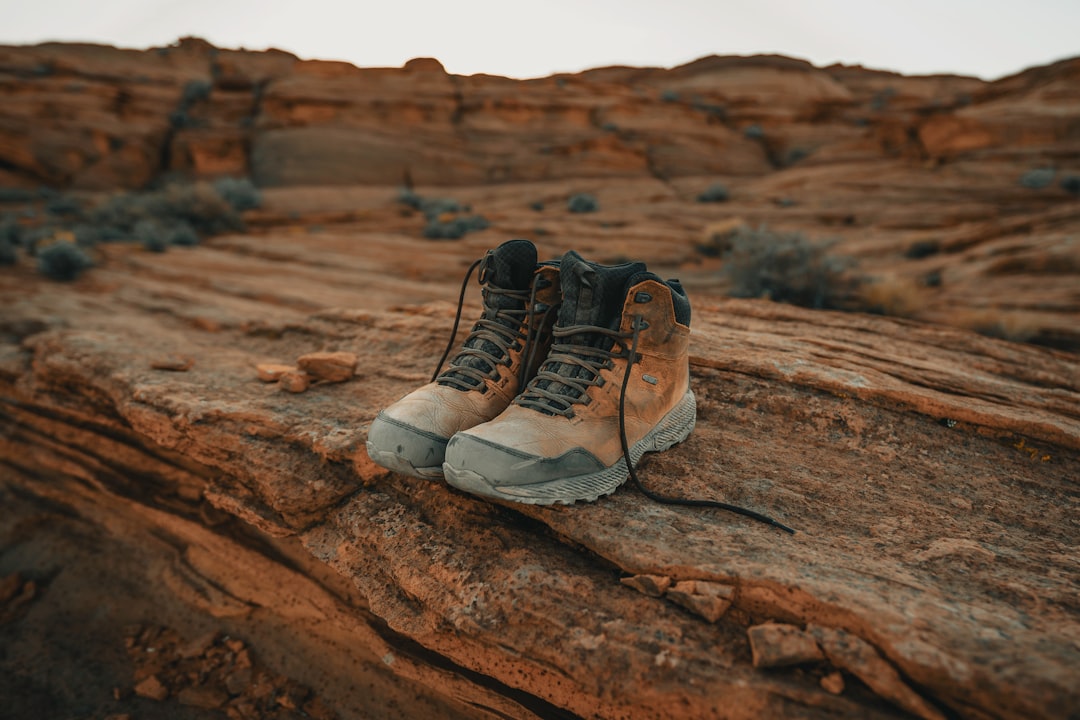
Quick Answer: Durability Advantages of Leather vs. Synthetic Hiking Boots
Leather hiking boots generally boast superior long-term durability due to their inherent toughness, resistance to abrasion, and excellent repairability. However, modern synthetic materials offer competitive durability in specific scenarios, often with the advantage of being lighter and requiring less break-in time. The choice between leather and synthetic materials hinges on your specific hiking needs, terrain, and maintenance willingness.
The Verdict on Long-Term Durability
When considering sheer lifespan and the ability to withstand rigorous use over many years, full-grain leather typically emerges as the more durable option. Its natural fibers interlock to create a robust material that can endure repeated stress, abrasion, and exposure to the elements. Synthetic boots, while durable, may be more susceptible to tearing, delamination, and degradation from prolonged UV exposure or chemical contact, though advancements in materials are continually narrowing this gap. Ultimately, the lifespan of any boot is significantly influenced by construction quality, maintenance, and the specific demands placed upon it.
Understanding Hiking Boot Materials: Leather vs. Synthetics
The durability of a hiking boot is fundamentally tied to the materials used in its construction, primarily the upper. Understanding the properties of leather and various synthetic fabrics is key to appreciating their differences in longevity. Beyond the upper, components like the midsole, outsole, and internal waterproof membranes also play critical roles in a boot’s overall lifespan.
What are Leather Hiking Boots Made Of?
Leather hiking boots are typically crafted from various types of leather, each offering different levels of durability and characteristics. The most robust and traditionally favored for its longevity is full-grain leather. This material utilizes the entire hide with the natural grain intact, offering exceptional resistance to abrasion, punctures, and a degree of water resistance. Top-grain leather is a close second, where the very top layer has been sanded or buffed; it’s slightly less durable but more resistant to stains and scuffs. Split leather, derived from the lower layers of the hide, is less durable and water-resistant and is often used in combination with other materials or for less demanding parts of the boot. The quality of the tanning and finishing process also significantly impacts leather’s resilience.
What are Synthetic Hiking Boots Made Of?
Synthetic hiking boots utilize a diverse range of man-made materials, engineered for specific performance characteristics. Nylon and polyester are common, prized for their lightweight nature, strength, and quick-drying properties; ripstop variants enhance tear resistance. Synthetic leather, often made from polyurethane (PU) or polyvinyl chloride (PVC), mimics the look and feel of natural leather but can sometimes be less breathable and more prone to UV degradation. Mesh, frequently integrated for ventilation, can be a point of vulnerability for abrasion and tearing if not reinforced. The specific blend and weave of these materials greatly influence a synthetic boot’s durability.
Beyond the Upper: Other Materials Affecting Durability
While the upper is the most visible component, other materials significantly impact a boot’s lifespan and overall durability. The midsole, typically made of EVA (Ethylene Vinyl Acetate) or PU (Polyurethane), provides cushioning and support; PU is generally denser and more durable, offering better long-term support as EVA can compress over time. The outsole, usually composed of rubber compounds, dictates traction and wear resistance; harder rubber is more durable but can be less grippy, while softer rubber offers better traction but wears down faster. Specific lug patterns also affect how the sole interacts with the terrain and its susceptibility to wear. Furthermore, waterproof-breathable liners like Gore-Tex, while crucial for performance, can be punctured or delaminated, compromising their integrity and thus the boot’s functional lifespan.
| Feature | Leather Hiking Boots | Synthetic Hiking Boots |
|---|---|---|
| Abrasion Resistance | Excellent; tough fibers resist scuffs and tears. | Good to Very Good; varies by material, can snag/tear. |
| Puncture Resistance | High; provides a solid barrier against sharp objects. | Moderate; depends on material thickness and reinforcement. |
| Tear Strength | Very High; resilient to ripping. | Good; some materials are prone to tearing. |
| UV Resistance | Generally good; can dry out without maintenance. | Varies; some synthetics degrade with prolonged UV. |
| Chemical Resistance | Good; natural material is less reactive. | Varies widely; some can be affected by oils/solvents. |
| Repairability | Excellent; readily stitched, patched, and resoled. | Moderate; repairs can be more complex, resoling varies. |
| Water Resistance | Good (when treated); absorbs water but can be waterproofed. | Varies; many are inherently water-resistant, membranes key. |
| Drying Time | Slow; can become heavy when wet. | Fast; typically lighter and quicker to dry. |
| Weight | Generally heavier. | Generally lighter. |
| Break-in Period | Longer; requires time to mold to the foot. | Shorter to non-existent. |
Direct Comparison: Leather vs. Synthetic Hiking Boots Durability
The practical implications of material choice become clear when comparing how leather and synthetic boots hold up under real-world trail conditions. The interplay of abrasion resistance, seam integrity, sole longevity, and repairability dictates which material might offer superior durability in different scenarios.
Abrasion Resistance and Trail Wear
Leather, particularly full-grain, excels in abrasion resistance. Its dense, fibrous structure can withstand constant rubbing against rocks, scree, and underbrush without significant damage. Synthetic materials, while often tough, can be more prone to snagging on sharp objects or developing small tears that can propagate over time. Mesh panels in synthetic boots are particularly vulnerable to abrasion and require careful inspection for wear. The ability of leather to resist punctures from sharp rocks and roots also gives it an edge in rugged terrain.
Stitching, Seam Integrity, and Common Failure Points
The construction of a boot is as critical as its material for long-term durability. High-quality leather boots often feature robust stitching, frequently using thicker threads and fewer seams to minimize potential failure points. Goodyear welting, a common construction method for durable leather boots, not only enhances longevity but also allows for resoling. Synthetic boots may utilize lighter stitching or bonding methods, which can sometimes delaminate or tear under extreme stress, especially around stressed areas like eyelets or flex points. The quality of the adhesive used to bond the sole to the upper is also a critical factor for both types of boots.

Midsole and Outsole Longevity
Polyurethane (PU) midsoles found in many durable leather boots offer superior long-term support and resistance to compression compared to EVA, which tends to break down and lose its cushioning more quickly. This makes PU-based midsoles ideal for boots that will see heavy use and long-distance trekking. Outsole durability depends heavily on the rubber compound and intended use; harder, more durable compounds are often found on boots designed for rough terrain, regardless of upper material. However, the bond between the outsole and the upper can be a failure point for both types of boots, particularly with aggressive adhesives that may degrade over time or with prolonged exposure to heat.
Repairability and Resoling Potential
This is a significant advantage for traditional leather boots. Many high-quality leather hiking boots, especially those with stitched welts (like Goodyear or Norwegian welts), can be readily repaired and resoled by skilled cobblers. This process can extend the life of the boots by many years, making them a more sustainable and cost-effective choice in the long run. Repairing synthetic boots can be more challenging; while some manufacturers offer resoling services, the synthetic materials themselves may not withstand the stresses of resoling as well as leather, and replacing damaged panels or liners is often difficult and not cost-effective.
Real-World Lifespan Expectations: Miles and Years
It’s difficult to provide exact figures, as lifespan depends heavily on usage intensity, terrain, maintenance, and boot quality. However, a well-maintained pair of full-grain leather hiking boots can realistically last anywhere from 5 to 10 years or even longer for moderate use, potentially covering thousands of miles. Synthetic boots, depending on their quality and construction, might last 2 to 5 years for similar use, with lighter-duty synthetic boots potentially lasting less. These are general estimates, and an individual pair’s longevity can vary significantly.
Durability Deep Dive: Leather Hiking Boots
Leather’s natural properties lend themselves to exceptional durability, making it a traditional favorite for demanding hiking conditions. Its inherent toughness and ability to conform to the foot contribute to a long and reliable service life, provided it receives appropriate care.
Strengths: Why Leather Boots Often Outlast Synthetics
- Inherent Toughness: The dense, interlocking fibers of leather provide superior resistance to abrasion, cuts, and punctures from sharp objects.
- Moldability: Leather naturally conforms to the wearer’s foot over time, creating a personalized fit that remains comfortable even as the material ages and wears.
- Water Resistance: While leather absorbs water, it can be effectively treated with waterproofing agents and conditioners to maintain its water resistance and prevent drying and cracking. It doesn’t easily develop leaks from tiny punctures.
- Repairability: As mentioned, stitched leather boots are highly repairable, with resoling being a key factor in extending their useful life significantly.
Weaknesses: Factors Affecting Leather Boot Lifespan
- Water Absorption: Without proper treatment, leather can become saturated, heavy, and prone to damage from prolonged wetness. This can also lead to material degradation if not managed properly.
- Drying Time: Wet leather takes a considerable amount of time to dry, which can be inconvenient and may lead to material issues if boots are not dried correctly.
- Maintenance Requirements: Leather requires regular cleaning, conditioning, and waterproofing to prevent drying, cracking, and premature wear. Neglecting this can drastically shorten its lifespan.
- Weight: Leather is generally heavier than synthetic materials, which can lead to increased fatigue on long treks, though this is often a trade-off for increased durability.
Maintenance Strategies for Maximizing Leather Durability
- Regular Cleaning: Remove dirt and debris after each hike using a soft brush or damp cloth. This prevents abrasive particles from damaging the leather.
- Conditioning: Apply a quality leather conditioner periodically (e.g., every few months or after significant wet use) to keep the leather supple, prevent cracking, and restore its natural oils.
- Waterproofing: Use waterproofing treatments (waxes, sprays) to enhance water repellency, especially before trips in wet conditions. Reapply as needed based on usage and environmental factors.
- Proper Drying: Avoid direct heat sources like fires or radiators, as they can dry out and damage the leather. Stuff boots with newspaper to absorb moisture and allow them to air dry naturally at room temperature.

Durability Deep Dive: Synthetic Hiking Boots
Modern synthetic materials have evolved significantly, offering compelling alternatives to leather, especially for hikers prioritizing weight, quick drying, and immediate comfort. While they may not match the sheer longevity of premium leather in all scenarios, they offer robust durability for their intended purposes.
Strengths: When Synthetic Boots Can Be Sufficiently Durable
- Lightweight: Synthetics are significantly lighter than leather, reducing trail fatigue over long distances and challenging terrain.
- Quick Drying: They absorb less water and dry much faster than leather, making them ideal for variable conditions or multi-day trips where drying time is crucial for comfort and preventing material degradation.
- No Break-in Period: Most synthetic boots are comfortable right out of the box, offering immediate trail-ready performance without the extended break-in period often required for leather.
- Breathability: Many synthetic constructions incorporate mesh panels or use breathable synthetic fabrics for excellent ventilation, which can be a significant comfort factor in warmer climates.
- Cost-Effectiveness: Often, synthetic boots have a lower initial purchase price, making them a more accessible option for many hikers.
Weaknesses: Common Durability Issues with Synthetic Materials
- Abrasion and Snagging: While durable, many synthetics can be more susceptible to tears and snags from sharp rocks, roots, or scree compared to robust leather. Fine mesh panels can be particularly vulnerable.
- UV Degradation: Some synthetic materials can become brittle or degrade over time with prolonged exposure to sunlight, especially if not treated with UV inhibitors during manufacturing.
- Lamination/Delamination: The various layers in synthetic boots, especially those incorporating waterproof membranes, can sometimes separate or delaminate over time or with repeated flexing and exposure to moisture.
- Limited Repairability: Resoling can be more difficult or impossible depending on the boot construction. Repairing torn synthetic panels or damaged membranes is often not feasible or cost-effective, leading to premature retirement of the boot.
Maintaining Synthetic Boots for Extended Wear
- Regular Cleaning: Wash off dirt and mud with water and a soft brush. Avoid harsh detergents, as they can degrade synthetic materials and coatings.
- Inspect Linings: Periodically check for any signs of wear or damage to waterproof membranes, as this is a common point of failure for the boot’s overall performance and lifespan.
- Spot Cleaning: Address any stains or grime promptly to prevent them from becoming ingrained and potentially damaging the materials.
- Proper Drying: Like leather, avoid direct heat sources. Air dry them thoroughly after each use. Ensure all components, including the tongue and lining, are completely dry before storing.
- Check Adhesives: Periodically inspect where the sole meets the upper for any signs of separation or loosening. Promptly address minor delaminations with appropriate footwear adhesives if possible.
How Hiking Conditions Impact Leather vs. Synthetic Durability
The environment in which you hike plays a crucial role in how your boots will fare over time. Different terrains and conditions place unique stresses on boot materials, influencing their wear patterns and overall longevity.
Durability in Rough Terrain and Off-Trail Exploration
For challenging, rocky, or off-trail environments where boots frequently encounter sharp objects, abrasive surfaces, and significant impact, full-grain leather generally offers superior protection and longevity due to its inherent puncture and abrasion resistance. Synthetic boots with reinforced toe caps and robust uppers can suffice, but they may be more prone to snagging and tearing on sharp edges, potentially leading to quicker wear and tear.
Durability in Wet, Muddy, and Cold Environments
In consistently wet conditions, both materials present trade-offs. Treated leather can remain water-resistant for extended periods but becomes heavy when saturated and is slow to dry. Synthetic boots with waterproof membranes are lighter and dry faster, but if the membrane fails or the boot becomes saturated through the upper, they can be slow to recover and may lead to material degradation from prolonged dampness. Repeated saturation and drying cycles can degrade both types of materials over time, though synthetics might show signs of delamination more readily.
Durability in Hot, Dry, and Dusty Conditions
Dry, dusty conditions can be harsh on leather if not properly conditioned, leading to drying, cracking, and reduced flexibility. Synthetic materials may fare better in terms of not drying out, but they can be susceptible to abrasion from fine, sharp dust particles that can work their way into the material’s weave or coatings. Prolonged UV exposure in sunny, arid environments can also lead to degradation of some synthetic materials, causing them to become brittle.
Durability for Long-Distance Backpacking vs. Day Hikes
For extended backpacking trips covering hundreds or thousands of miles, the repairability and robust nature of well-maintained leather boots often make them the more durable, long-term investment. Their ability to withstand sustained abuse and be resoled gives them a significant advantage in terms of overall lifespan and cost-effectiveness over time. For day hikes or shorter trips, lighter synthetic boots offer a good balance of durability, comfort, and performance without the extensive maintenance burden that leather requires, making them a practical choice for less demanding adventures.
Factors Beyond Material: Boot Construction and Durability
While the upper material is a primary determinant of durability, the way a boot is constructed plays an equally crucial role in its longevity. The quality of stitching, the design of eyelets and lacing systems, the robustness of gussets, the compound of the outsole, and the type of midsole all contribute significantly to a boot’s ability to withstand the rigors of hiking over time.
The Role of Eyelets, Lacing Systems, and Gussets
The points where laces pass through the boot, known as eyelets, can be weak points for durability. Metal eyelets, especially if they are well-integrated and reinforced, tend to be more durable than plastic ones, which can crack or break. The lacing system itself, including the laces and how they are sewn into the upper, can also be a point of failure. Gusseted tongues, where the tongue is attached to the sides of the boot for its entire length, are essential for preventing debris and water from entering and also contribute to the overall structural integrity of the boot, reducing stress on seams.
Outsole Compounds and Tread Patterns for Durability
The rubber compound used for the outsole significantly impacts its durability. Harder, denser rubber compounds are generally more resistant to abrasion and wear, making them suitable for long-term use on abrasive surfaces like rock and gravel. However, these harder compounds may offer less grip on wet or slick surfaces. Softer rubber compounds provide excellent traction but tend to wear down more quickly. Tread patterns also influence durability; deep, widely spaced lugs are better for shedding mud but can be more susceptible to chipping on rocky terrain. The way the outsole is attached to the upper—whether through stitching, vulcanization, or adhesives—is also a critical factor in preventing delamination and ensuring the boot’s longevity.
Midsole Materials and Their Lifespan
The midsole is the shock-absorbing layer between the outsole and the insole, and its durability directly impacts the boot’s long-term comfort and support. Polyurethane (PU) is denser and more durable than Ethylene Vinyl Acetate (EVA). While EVA offers lighter weight and better initial cushioning, it tends to compress and lose its supportive properties over time and with repeated impacts. PU midsoles, on the other hand, are more resilient, providing consistent support for a longer period, making them a preferred choice for heavy-duty hiking boots designed for extended use and heavy loads. The lifespan of the midsole is critical, as a compressed or broken-down midsole can lead to foot fatigue and discomfort long before the upper shows significant wear.
Leather vs. Synthetic Hiking Boots: Comfort, Weight, and Break-In vs. Durability
The choice between leather and synthetic hiking boots often involves a trade-off between raw durability and other performance factors such as comfort, weight, and ease of use. Understanding these differences is key to selecting the right boot for your specific needs.
Break-In Period and Initial Comfort
One of the most significant differences lies in the break-in period. Traditional leather hiking boots, especially those made from full-grain leather, can require a substantial break-in period—sometimes dozens of miles—to mold to the wearer’s foot and achieve optimal comfort. During this phase, they can feel stiff and potentially cause blisters. Synthetic boots, on the other hand, generally require little to no break-in. They are often comfortable right out of the box, making them an attractive option for those who want to hit the trail immediately or are prone to foot issues during break-in periods.
Weight Differences and Trail Performance
Weight is a critical factor in hiking performance, and synthetic materials generally have a significant advantage here. Synthetic hiking boots are typically much lighter than their leather counterparts. This difference in weight can translate to reduced fatigue over long distances, allowing hikers to cover more ground with less effort. While leather boots might offer superior durability for extreme conditions, the added weight can be a considerable drawback for those who prioritize agility and speed on the trail.
Long-Term Comfort and Foot Fatigue
While synthetic boots offer immediate comfort, the long-term comfort and reduction of foot fatigue can sometimes favor well-broken-in leather boots. As leather molds to the foot, it creates a personalized fit that can remain comfortable for years. Furthermore, the inherent robustness of leather and the typically more substantial construction of leather boots (often including more supportive midsoles) can provide better overall foot protection and stability over varied and rugged terrain, reducing strain on the feet and ankles during extended hikes.
Water Resistance and Drying Time: Durability Implications
The way hiking boots handle moisture is a crucial aspect of their performance and can indirectly affect their durability. How well they resist water initially and how quickly they dry after getting wet can have significant consequences.
Performance in Wet Conditions
When properly treated, full-grain leather offers excellent water resistance. It can absorb a significant amount of water without immediate leakage, providing a reliable barrier in wet conditions. However, once saturated, it becomes heavy and takes a long time to dry. Synthetic boots often incorporate waterproof-breathable membranes (like Gore-Tex) to provide waterproofing. While effective, the durability of these membranes can be a concern, as they can be punctured or delaminate. If water penetrates the upper of a synthetic boot, it tends to dry much faster than saturated leather, which is a major advantage.
Drying Speed and Material Degradation
The speed at which a boot dries is directly linked to its durability. Prolonged dampness can lead to material degradation in both leather and synthetics. For leather, extended wetness can weaken fibers and, if not dried properly, lead to rot or mold. Synthetic materials can also degrade, and waterproof membranes can lose their effectiveness if repeatedly exposed to prolonged moisture without adequate drying. The faster drying time of synthetic boots is a key benefit in this regard, reducing the window for potential damage.
The Role of Waterproof Membranes
Waterproof-breathable membranes are a common feature in modern synthetic hiking boots, and their durability is paramount. These membranes are designed to keep water out while allowing sweat vapor to escape. However, they are susceptible to damage from abrasion, sharp objects, and chemical exposure. If the membrane is compromised, the boot loses its waterproofness, and the fabric layers can begin to delaminate. The overall lifespan of the boot can be significantly shortened if the waterproof membrane fails prematurely.
Extending the Lifespan: Maintenance for Both Boot Types
Regardless of whether you choose leather or synthetic hiking boots, proper and consistent maintenance is crucial for maximizing their lifespan and ensuring they perform reliably on the trail.
Essential Cleaning and Conditioning for Leather Boots
Leather boots require diligent care. After each hike, they should be cleaned of mud and debris. Periodic conditioning with a quality leather conditioner is essential to keep the material supple, prevent it from drying out and cracking, and maintain its natural water resistance. Regular application of waterproofing treatments (waxes or sprays) will further enhance their ability to shed water and resist saturation.
Proper Care for Synthetic Hiking Boots
Synthetic boots are generally lower maintenance but still require attention. Regular cleaning with water and a soft brush to remove dirt and grime is important. It’s also vital to inspect the boot regularly for any signs of wear on seams, fabric, or waterproof membranes. While they don’t require conditioning like leather, keeping them clean prevents abrasive particles from causing premature wear.
Drying Techniques to Prevent Material Damage
For both leather and synthetic boots, the correct drying method is critical. Avoid direct heat sources like fires, heaters, or prolonged direct sunlight, as these can dry out leather excessively, leading to cracking, or cause synthetic materials to warp and degrade. The best approach is to remove the insoles, loosen the laces, and allow the boots to air dry naturally at room temperature. Stuffing them with newspaper can help absorb internal moisture more quickly.
When and How to Repair Hiking Boots
Minor repairs can significantly extend the life of any hiking boot. For leather boots, this might include stitching loose seams or replacing worn eyelets. Resolving is a major repair that can give a boot a new lease on life. For synthetic boots, repairs might focus on re-gluing delaminated areas or patching small tears, though larger structural damage is often irreparable. It’s often best to consult with a professional cobbler or the manufacturer for specialized repair services.
Cost Over Time: Leather vs. Synthetic Hiking Boots Durability and Value
When considering the long-term value of hiking boots, their initial purchase price is only one factor. Durability, lifespan, and repairability play a significant role in the total cost of ownership.
Initial Purchase Price Comparison
Generally, synthetic hiking boots tend to have a lower initial purchase price compared to leather hiking boots. This is often due to the manufacturing processes and the cost of raw materials. This makes synthetic boots a more accessible entry point for many hikers, especially those who are new to the sport or on a tighter budget.
Total Cost of Ownership: Lifespan and Replacement Frequency
While leather boots may have a higher upfront cost, their superior durability and repairability can lead to a lower total cost of ownership over time. A well-maintained pair of high-quality leather boots can last 5-10 years or more, with the option of resoling extending their life even further. Synthetic boots, with a shorter average lifespan of 2-5 years, may need to be replaced more frequently. This means that over a decade, two or even three pairs of synthetic boots might be purchased to match the lifespan of a single pair of durable leather boots, potentially making leather the more economical choice in the long run for avid hikers.
Value Proposition for Different Types of Hikers
The “better value” proposition depends on the individual hiker. For casual day hikers or those who hike infrequently, lighter-weight, more affordable synthetic boots might offer the best balance of performance and cost. For dedicated backpackers, thru-hikers, or those who frequently tackle rugged terrain, the long-term durability, repairability, and robust support of leather boots often justify the higher initial investment, providing greater value and reliability over many years of intense use.
Making the Right Choice: Leather vs. Synthetic Hiking Boots for Durability Needs
Selecting the right hiking boots involves balancing various factors, with durability being a key consideration. Understanding your hiking style, the typical terrain you’ll encounter, and your maintenance habits will help you make an informed decision between leather and synthetic options.
Identifying Your Hiking Style and Needs
Consider the type of hiking you do most often. Are you a casual day hiker, a weekend warrior, or a long-distance backpacker? Do you primarily stick to well-maintained trails, or do you venture into rugged, off-trail terrain? Your answers will dictate the level of durability and support you require. For demanding conditions and extended trips, durability becomes paramount, often leaning towards leather. For lighter use, speed, and comfort on moderate trails, synthetics can be an excellent choice.
Key Durability Features to Look For in Any Boot
Regardless of material, several construction features indicate durability. Look for robust stitching, high-quality leather or reinforced synthetic uppers, durable rubber outsoles with deep lugs, and supportive midsole materials like PU. A well-constructed boot will minimize potential failure points and be built to withstand trail abuse. The quality of the adhesive used to bond the sole to the upper is also critical.
Recommendations Based on Durability Priorities
- For Maximum Lifespan and Rugged Terrain: Full-grain leather boots with Goodyear welting or similar construction methods are the top choice. They offer the best resistance to abrasion, punctures, and can be resoled, providing decades of service with proper care.
- For a Balance of Durability and Modern Performance: High-quality synthetic boots with reinforced panels, robust construction, and excellent waterproof-breathable membranes can offer good durability for demanding use, especially when weight and quick drying are important.
- For Lighter Use and Casual Hikers: Mid-weight synthetic boots provide a good blend of comfort, performance, and reasonable durability for day hikes and less demanding trails, often at a more accessible price point.
Conclusion: Leather vs. Synthetic Hiking Boots for Long-Term Durability
The enduring debate between leather and synthetic hiking boots often boils down to a nuanced understanding of durability. While both materials have evolved considerably, their inherent properties and construction methods dictate their performance over time.
Final Verdict on Maximum Lifespan
For sheer, uncompromised longevity and the ability to withstand the most demanding conditions over many years, full-grain leather hiking boots, particularly those with robust construction like Goodyear welting, typically hold the edge. Their natural resilience, resistance to abrasion and punctures, and exceptional repairability—especially resoling—make them a long-term investment that can last for decades with diligent care.
Best Choice for Balanced Durability and Performance
Modern synthetic hiking boots have closed the gap significantly, offering a compelling alternative that balances durability with other desirable traits like reduced weight, faster drying times, and immediate comfort. For hikers who prioritize these aspects or engage in activities where these factors are critical (e.g., fastpacking, multi-day trips in varied weather), high-quality synthetic boots with reinforced construction and reliable waterproof membranes can provide excellent durability for their intended use. The key is choosing well-made synthetics designed for the specific demands of the trail.
Your Personal Durability Decision Guide
Ultimately, the “more durable” boot is the one that best suits your individual hiking needs, your willingness to perform maintenance, and the specific environments you explore. If your priority is the absolute longest possible lifespan and you don’t mind the weight and break-in period, invest in premium leather. If you value lighter weight, quicker drying, and immediate comfort for moderate trails or specific disciplines, well-constructed synthetics are an excellent and durable choice. For most hikers, the ideal solution might involve understanding the strengths of each material and choosing accordingly for different types of trips or simply selecting the best-constructed boot within your chosen material category.