PLAUD AI Note-Taker Review: Useful for Trail Notes, Trip Debriefs and Everyday Capture?
A small voice recorder can be more useful on a trip than another app buried inside a phone. PLAUD’s Note family is built to capture conversations, calls and spoken ideas, then turn them into searchable transcripts and structured summaries. Here is how that translates to outdoor planning, road-trip documentation and practical everyday use.
Research note: This is a research-led review based on PLAUD’s current EU product information, not a first-hand field test. Features, plans, regional availability and pricing may change; confirm the live product page before ordering.
Outdoor trips generate more spoken information than most people expect: a guide explains a route, a friend suggests a detour, a ranger shares a local-history detail, or a campsite conversation produces the perfect story idea. The problem is rarely a lack of things worth remembering. It is the friction of stopping to type while the moment is moving.
PLAUD positions itself as an AI note-taking platform that bridges in-person conversations, phone calls and online meetings. The current EU storefront presents devices including PLAUD Note, PLAUD Note Pro and the wearable NotePin line, with PLAUD Intelligence handling transcription, speaker labels, multilingual output, templates, summaries and workflow tools. If that sounds useful for your next trip, explore the current PLAUD device lineup before deciding which capture style fits your routine.
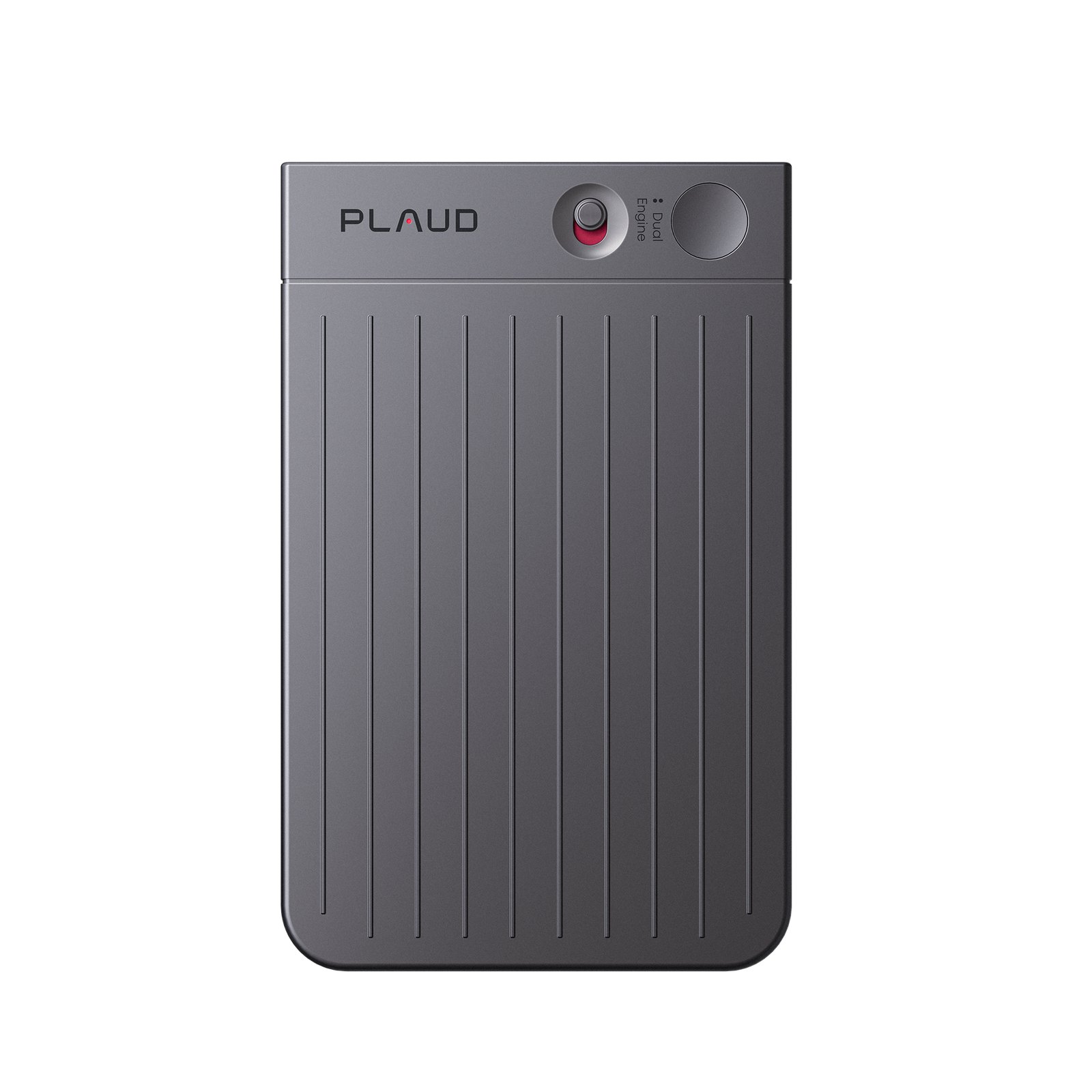
Quick Verdict: What PLAUD Actually Adds to a Trip
PLAUD is not a replacement for a map, satellite communicator, field notebook or emergency plan. It is a memory-and-workflow tool. Its value appears after the recording: the conversation can become a transcript, a concise recap, a list of actions, a set of research notes or the first rough version of a trip report.
The most convincing outdoor use case is the “capture now, sort later” habit. Record a pre-hike briefing, a post-route debrief or an interview with a local maker, then use the app to locate names, decisions and memorable details when you are back on reliable power and Wi-Fi. The least convincing use case is recording everything indiscriminately. A device only saves time if the resulting notes are useful and ethically collected.
Which PLAUD Device Makes Sense Outdoors?
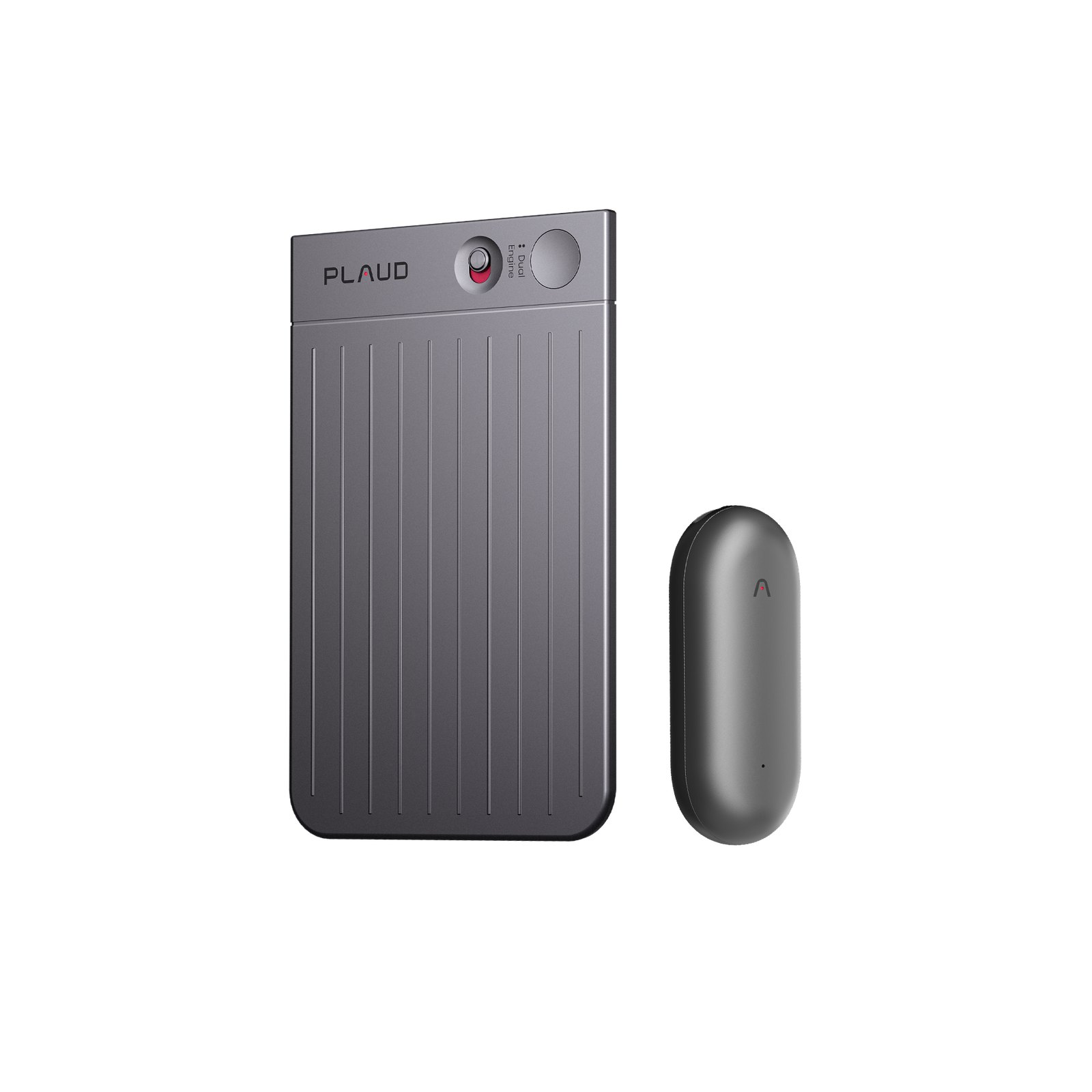
The current range is easier to understand by carrying method than by marketing name. PLAUD Note is the phone-adjacent option; Note Pro is positioned for teams and larger spaces; NotePin is designed for hands-free, in-person capture. Those distinctions matter more on a trail than a small difference in feature lists.
| Device direction | How it is carried | Best outdoor use | Trade-off to consider |
|---|---|---|---|
| PLAUD Note | Magnetic case on a phone or standalone | Road-trip interviews, phone-call notes, trip planning and daily carry | Requires deliberate placement and a clear recording habit |
| PLAUD Note Pro | Standalone recorder, aimed at larger spaces | Group briefings, workshops, meetings and multi-person debriefs | More capability may be unnecessary for a solo hiker |
| PLAUD NotePin | Magnetic pin, clip, lanyard or wristband | Hands-free walking conversations, guided outings and quick voice capture | Small wearable hardware is easy to misplace; check accessories and tracking options |
For a road-tripper who wants one device to document calls, planning chats and interviews, PLAUD Note is the clearest starting point. For a trip leader who regularly gathers several voices around a table or campsite, the Pro positioning is more relevant. For a person who thinks aloud while moving and dislikes pulling out a phone, NotePin is the natural fit.
Three Field-Note Scenarios Where PLAUD Could Help
A group leader can capture the spoken version of a route plan: meeting points, water expectations, turnaround rules and who is carrying what. The value is not a dramatic “AI moment.” It is having a searchable record when someone asks later, “What time did we agree to regroup?”
When travelling through a new region, a short conversation with a guide, craftsperson or local business owner can contain names and details that are hard to write down politely in real time. A recorder can preserve the raw material for a trip journal, provided everyone knows the conversation is being recorded.
After a long day, a two-minute spoken debrief is easier than opening a notebook. Mention the route, weather, gear lessons, small surprises and what you would change next time. Later, turn that audio into a checklist or a cleaner story outline.
These are deliberately modest examples. PLAUD cannot make a poor plan safe, improve weak reception or replace a human memory check for critical instructions. Its role is to reduce the friction between experience and documentation. See how the current PLAUD lineup is built for different capture situations if this “voice first, edit later” workflow matches the way you travel.
From Audio to Useful Notes: The PLAUD Workflow
PLAUD’s current product pages describe a four-part flow: capture audio, extract information, use AI to organize it, then export, share or integrate it. For outdoor readers, the workflow becomes practical when each stage has a defined job.
- Capture only the useful conversation. Start recording before the briefing, interview or debrief begins. Avoid creating hours of unlabelled ambient audio that will be difficult to review.
- Add context while it is still fresh. A short title such as “West Ridge route briefing” or “Campervan repair notes” makes the later transcript much easier to find.
- Ask for the right output. Use a summary for a group debrief, action items for trip planning, a mind-map style structure for research, or a clean outline for a future article.
- Verify the important details. AI can mishear names, place names, numbers and technical terms. Check water locations, distances, times, permits and safety instructions against the original audio or a trusted source.
PLAUD lists transcription in 112 languages, speaker labels, custom vocabulary and multidimensional summaries among its AI capabilities. Those features could be helpful for multilingual travel conversations or groups with several speakers, but “could” is the honest word: accuracy depends on noise, distance, overlap, accents and the language involved. Outdoor audio is not a quiet studio recording, so treat the transcript as a first draft rather than a perfect log.
Battery, Storage and Carrying: The Practical Questions
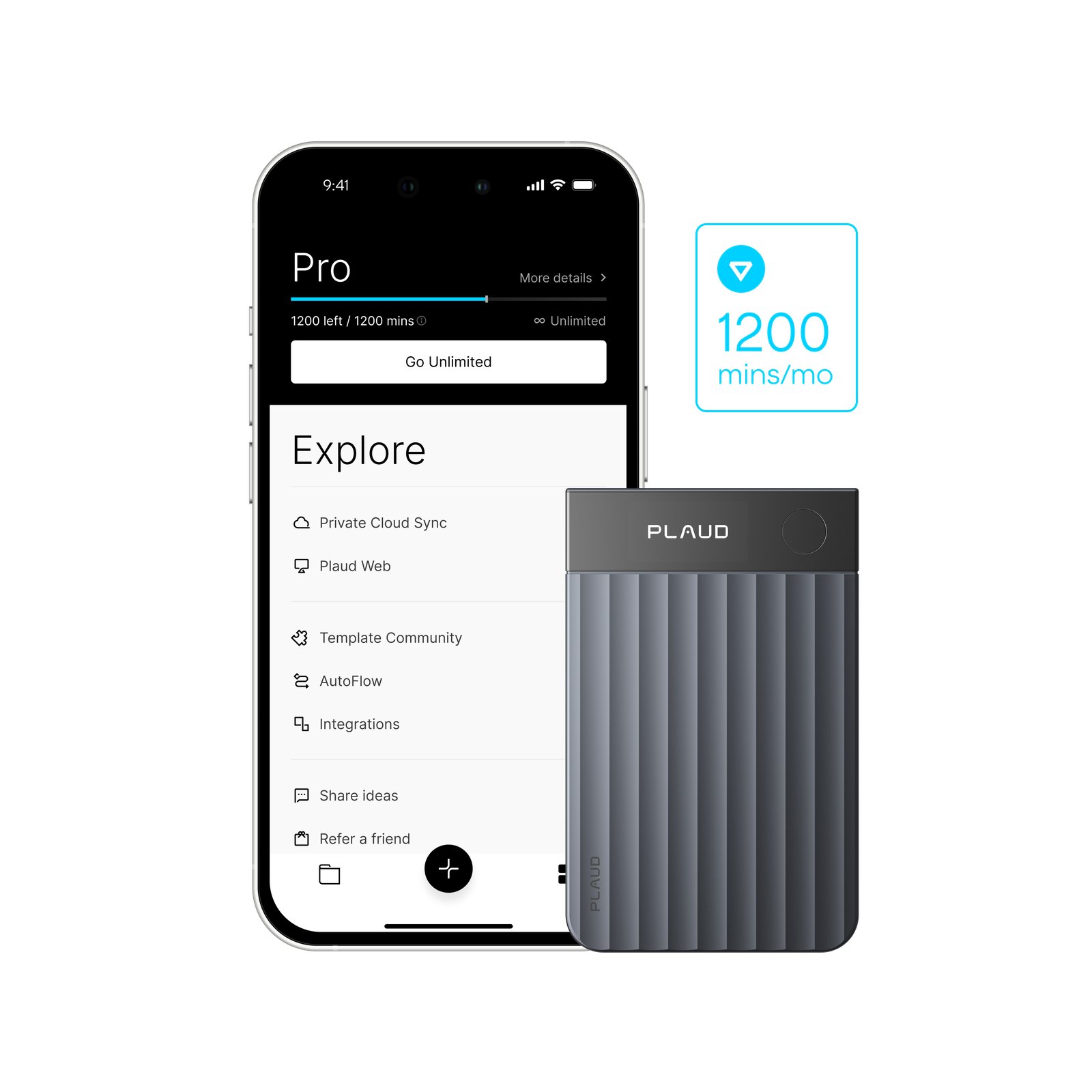
PLAUD Note’s EU product information lists a 400mAh battery, 64GB storage, Bluetooth and Wi-Fi connectivity, a two-hour charging time and an effective recording range of up to three metres. The comparison information lists up to 30 hours of continuous recording and 60 days of standby for PLAUD Note. These figures are useful planning references, not guarantees for every temperature, connection state or recording mode.
For a weekend trip, the more important question is whether your charging ritual is reliable. Top up before leaving, pack the correct cable, and keep the recorder in a known pocket rather than loose in a tent or vehicle. If you use NotePin, decide whether the magnetic pin, clip, lanyard or wristband is the safest carrying option for the activity. A device that is technically light but easy to lose is not practical gear.
Storage is generous on paper, but 64GB does not remove the need for file management. Delete duplicate takes, label the recordings you want to keep, and export important material before a long trip. If a workflow depends on cloud sync or a paid AI plan, check what works offline and what requires the app or an internet connection before leaving coverage.
PLAUD Note vs NotePin: A Simple Buying Decision
Choose the device around the moment you most often fail to take notes.
- If you miss phone-call details: start with PLAUD Note and its phone-adjacent design.
- If you miss walking ideas: consider NotePin’s wearable format and hands-free accessories.
- If you record group sessions: compare the Pro positioning for larger spaces and multi-person clarity.
- If you only need occasional audio: calculate the device price and any transcription-plan cost against how often you will actually review the output.
Compare PLAUD Note, Note Pro and NotePin on the current EU storefront before checkout, especially if the advertised bundle includes a plan or accessories you do not need.

Where PLAUD Fits—and Where It Does Not
PLAUD fits a specific gap between a paper notebook and a full productivity system. It is strongest when the information begins as speech and needs to become something more structured later. That includes trip debriefs, interviews, planning calls, class or workshop notes, and the voice memos that would otherwise stay trapped in a phone.
It is less compelling when the task is visual. A map annotation, gear measurement, plant identification or weather observation may still be faster with a photo and a written label. It is also not the right tool for critical navigation or emergency communication. Keep your map, power bank, offline information and safety equipment independent of the recorder.
Think of PLAUD as a documentation accessory, not core survival gear. Add it after the essentials are covered, then give it a dedicated pouch, a charging plan and a repeatable naming system.
Privacy, Consent and Good Recording Habits
Any recorder changes the social context of a conversation. Before recording another person, tell them what you are doing and get their agreement. Respect local laws, venue rules and the wishes of anyone who does not want to be captured. This matters even more on guided trips, in shared accommodation, at community events and during interviews.
Keep the recording indicator visible when possible, avoid recording private conversations by accident, and delete material you do not need. If a transcript contains personal details, store and share it with the same care you would give a written notebook. Good etiquette protects the usefulness of the device; people speak more openly when the boundaries are clear.
PLAUD Pros and Cons for Outdoor Storytellers
What works
- Voice-first capture removes the need to stop and type every idea.
- Note, Note Pro and NotePin provide distinct carrying approaches rather than one fixed format.
- Transcription, speaker labels and summaries can turn a long debrief into a usable outline.
- 64GB internal storage and listed long recording runtimes suit multi-day documentation better than a short voice memo session.
- The wearable NotePin concept is appealing for hands-free conversations and quick thought capture.
What to consider
- AI output still needs checking for names, numbers, accents and technical terms.
- Noise, distance and overlapping speakers can reduce transcript quality outdoors.
- Subscription or quota details may affect the real cost of an AI-heavy workflow.
- Recording another person without consent can create legal and ethical problems.
- It adds another device, cable and file-management habit to an already busy pack list.
A Pre-Checkout Checklist
Before buying, answer these questions honestly:
- Do I regularly have spoken information that I later need to search, summarize or share?
- Will I use a phone-attached recorder, a standalone device or a wearable format most often?
- Do I understand which transcription minutes, templates, exports and integrations are included?
- Can I charge it, label files and protect it during the trips I actually take?
- Have I considered how I will ask for consent before recording?
For the current details, bundles and regional availability, check the official PLAUD EU offer before you decide. The exact combination of hardware, AI plan and accessories matters more than a headline feature list.
Final Recommendation: A Useful Memory Tool, Not a Magic Outdoor Gadget
PLAUD makes the most sense for outdoor people who collect stories, lead groups, conduct interviews or return from every trip with too many half-formed notes. The strongest proposition is simple: keep moving while the recorder captures the raw material, then do the organizing when you have time and power.
Choose PLAUD Note if your conversations and phone calls are the main source of missed details. Consider NotePin if hands-free, in-person capture is the recurring problem. Look at Note Pro when larger group clarity is the priority. Whichever route you choose, verify the AI output, keep the device separate from safety-critical gear, and record only with clear consent.
Explore the PLAUD AI note-taking range and decide whether its capture-first workflow deserves a place in your next trip kit.
See PLAUD on the EU Storefront
Product information and feature references were reviewed in August 2026. Prices, plans, availability and specifications may change; confirm current retailer information before purchasing.