BuyBestGear Review: Choosing an E-Bike for Trails, Campsites and Everyday Rides
BuyBestGear is a multi-brand electric-bike retailer with a broad catalogue spanning folding commuters, step-through trekking bikes, fat bikes, cargo-oriented designs and full-suspension e-MTBs. That range is useful, but it also creates the main buying challenge: the biggest motor or battery is not automatically the best bike for your route.
This review takes a practical OutdoorStoryLab approach. Instead of treating every specification as a score, we look at how frame shape, motor class, battery capacity, sensor type, weight and support affect real trips. You can browse the current BuyBestGear e-bike range here while using the checks below to narrow it intelligently.
What Kind of Store Is BuyBestGear?
BuyBestGear is organised more like an e-bike marketplace than a single-brand manufacturer. Its navigation lets shoppers filter by riding category, frame style, motor layout, sensor type, wheel size, motor power and price. That is more valuable than it first appears. A rider can start with “folding” or “step-through,” for example, rather than opening dozens of visually similar product pages and comparing them from scratch.
The catalogue covers relatively conventional 250W city and trekking bikes alongside high-power fat bikes and off-road-oriented machines. It also lists accessories and replacement parts for selected models. For a buyer planning campsite transport, a caravan companion or a utility bike for short town trips, this breadth makes BuyBestGear’s category filters worth using before individual model comparisons.
The trade-off is that a wide catalogue transfers more responsibility to the shopper. Specifications, legal classification, stock location, delivery availability and warranty coverage can vary by model and destination. Treat the site as a strong comparison starting point, then verify the final product page and checkout information for your country.
Start With the Ride, Not the Motor Number
Step-through or compact folding bike
Prioritise easy mounting, stable low-speed handling, practical lights, racks and a manageable folded size. A 20-inch folding design can be convenient, but check its folded dimensions and lift weight before assuming it will fit a car boot or motorhome storage bay.
Trekking or hardtail e-bike
Look for appropriate tyres, predictable assistance, useful low gearing and brakes suited to the total system weight. Front suspension can improve comfort on rough access roads, but tyre volume and pressure matter just as much.
Purpose-built e-MTB
Geometry, suspension control, braking and local trail rules should outweigh headline power. Full suspension adds capability and complexity; it is worthwhile only when the terrain and rider skill make use of it.
A fat-bike silhouette can look ready for everything, yet wide tyres, heavy frames and large batteries may be cumbersome on stairs, roof racks and narrow storage spaces. Conversely, a compact folding bike may be easy to store but less composed on broken tracks. Define where the bike will spend 80 percent of its time. That answer usually matters more than the most exciting specification.
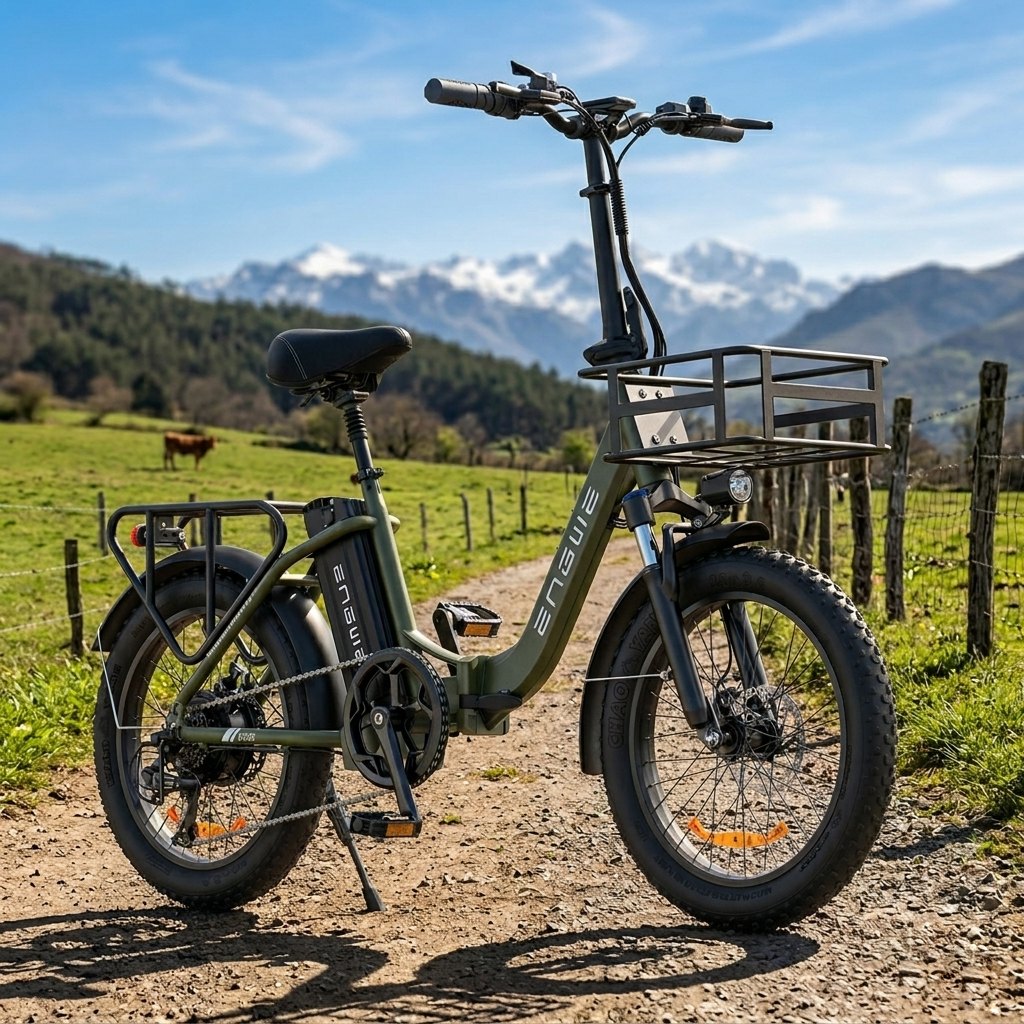
A Representative Compact Option: Engwe L20 SE
One useful reference point in the catalogue is the Engwe L20 SE, listed as a 250W folding, step-through e-bike with a 36V 15.6Ah battery—about 561Wh when voltage and amp-hours are multiplied. Those numbers place it conceptually closer to everyday trekking, errands and campsite mobility than to aggressive mountain-bike use.
The step-through frame can help riders who dislike swinging a leg over luggage or a high top tube. The folding mechanism may improve storage flexibility, although “folding” should never be read as “lightweight.” The official product data lists substantial packaged-bike weight, so buyers should confirm the assembled weight and physically measure the intended storage area.
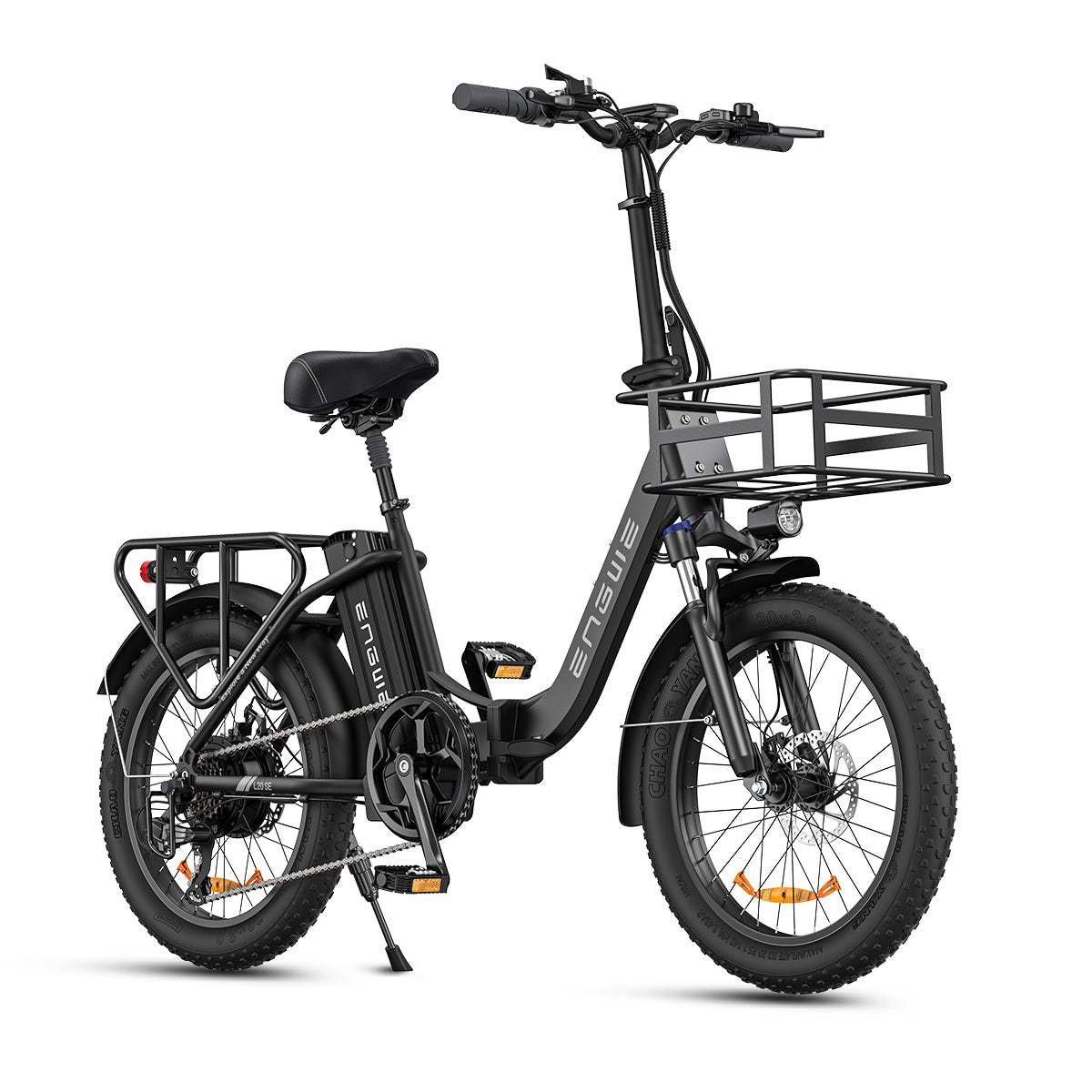
For a motorhome or cabin bike, perform a “lift test” before buying: estimate whether one person can safely raise the bike over a boot lip, onto a rack or up accommodation steps. Battery removal may reduce lift weight, but only if the battery is designed to be removed easily and stored safely.
Battery Capacity: Use Watt-Hours as the Starting Point
Battery capacity is easier to compare in watt-hours than in amp-hours alone. Multiply nominal voltage by amp-hours: a 36V, 15.6Ah pack is roughly 561Wh; a 48V, 20Ah pack is roughly 960Wh. This does not predict an exact range, but it creates a fairer basis for comparison.
Wind, cold weather, stop-start riding, tyre pressure and elevation can move real range far away from a promotional estimate. Build a reserve into any ride that ends far from charging. For camping, also confirm whether the battery can be removed for indoor charging, how the charger behaves on your electrical setup, and whether the campsite permits charging large lithium-ion batteries in shared facilities.
When comparing models, open the current BuyBestGear specifications and compare voltage, amp-hours and battery weight together. A larger pack is useful only if the resulting bike remains practical to transport and control.
Torque Sensor or Cadence Sensor?
BuyBestGear groups bikes by torque, cadence and switchable sensor systems. A cadence sensor generally detects that the cranks are rotating and then delivers a chosen assistance level. It can feel simple and energetic, but on some bikes the support arrives with less nuance at low speed. That matters when weaving through a campsite, starting on loose gravel or turning on a narrow path.
A torque sensor responds to how hard the rider presses the pedals. Well-tuned systems tend to feel more natural because assistance builds with effort. That can improve traction and control on variable gradients. It does not automatically make every torque-sensor bike superior: software tuning, gearing, motor layout and total weight still shape the experience.
| Question | Why it matters outdoors | What to check |
|---|---|---|
| How does assistance begin? | Abrupt engagement can be awkward on loose ground or tight turns. | Sensor type, start-up behaviour and review footage from the exact model. |
| Rear hub or mid-drive? | Motor position changes weight distribution, climbing feel and drivetrain load. | Motor layout, gearing, service access and intended terrain. |
| Can power be controlled precisely? | Low-speed control matters around pedestrians, tents and technical trail features. | Assist levels, walk mode, throttle configuration and local legality. |
| Is the system serviceable locally? | An unusual display, controller or battery can be difficult to replace during ownership. | Parts listings, warranty route and compatible local workshops. |
Trail Models Need More Than Big Numbers
The Lankeleisi MG600 Pro illustrates the trail-facing end of BuyBestGear’s range. Its presentation emphasises full suspension and mountain-bike use. For this class of bike, focus on the complete chassis rather than motor output alone: suspension travel and adjustment, brake type, rotor size, tyre construction, wheel security, gearing, frame fit and total system weight all influence safety and confidence.
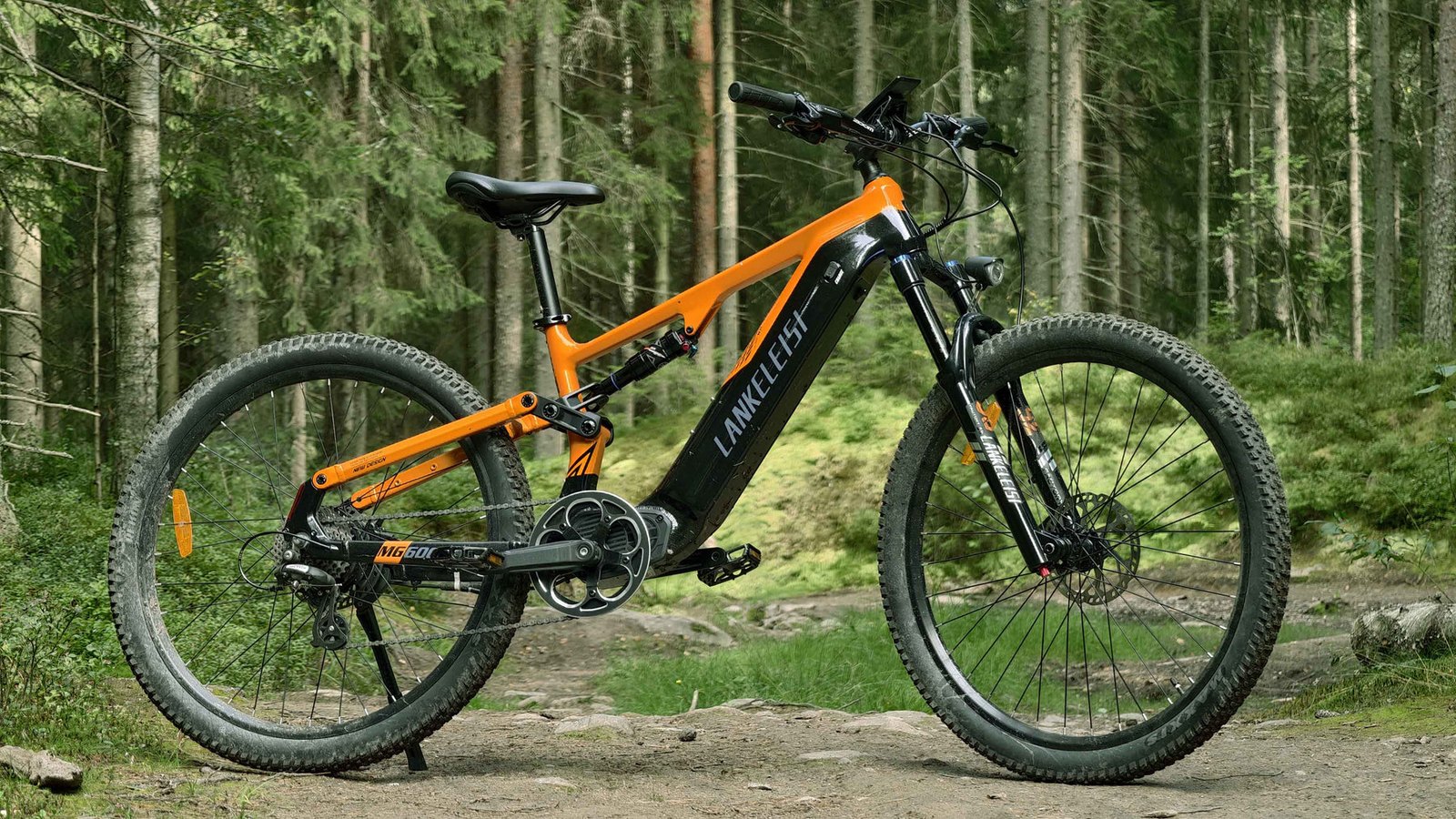
Full suspension can help wheels track uneven terrain, but it brings pivots, bearings and shock setup into the maintenance picture. Heavy e-bikes also place more energy into the brakes on descents. Match the machine to routes where powered bicycles are permitted, ride within the component limits, and do not assume a motorcycle-like power figure makes a bike suitable for public bicycle infrastructure.
Power, Speed and Road Legality Come Before Checkout
This is particularly important for dual-motor and high-output fat bikes such as the Vakole CO20 Max category. Folding hardware and compact wheels may make a bike look transport-friendly, but they do not change its legal classification. Some configurations may be intended for private land or off-road use rather than ordinary cycle lanes.
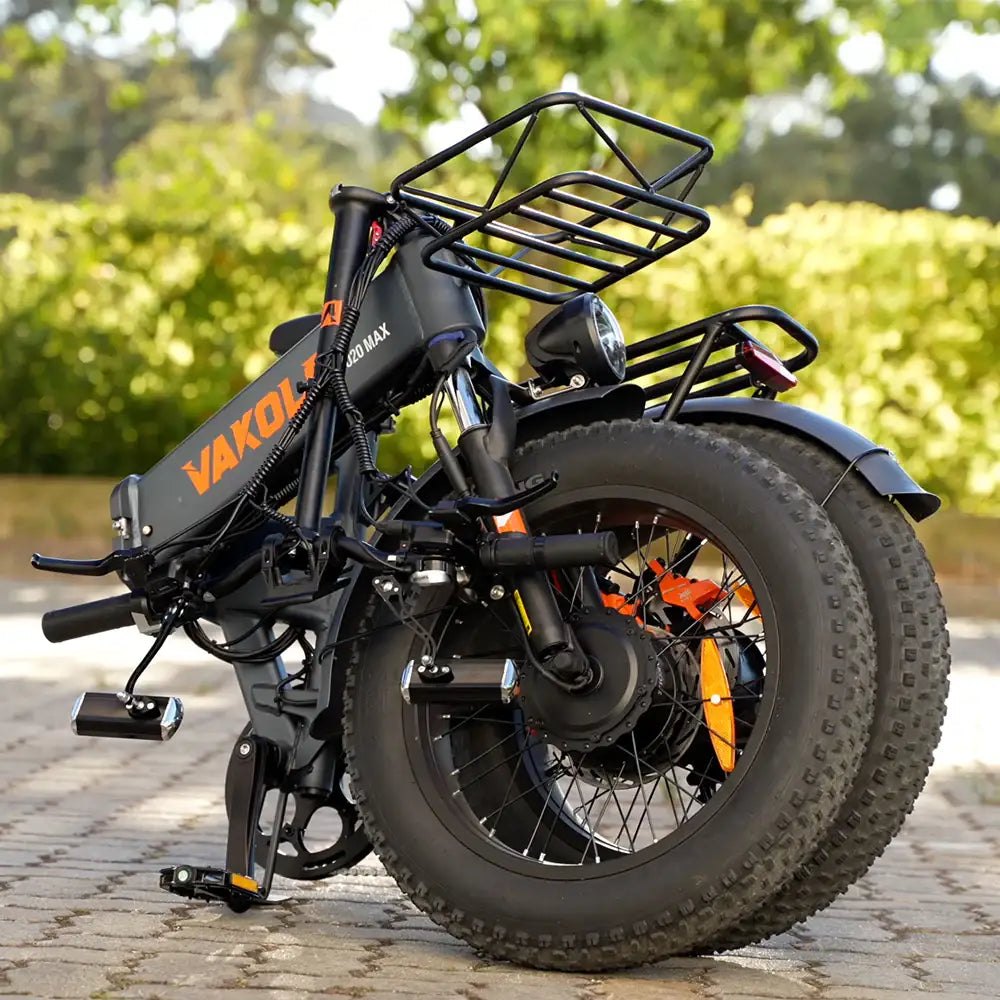
Check whether the delivered configuration matches the compliant mode you expect. Look for exact continuous rated power, assisted cut-off speed and throttle behaviour—not only peak-output marketing. If the product page is unclear, obtain written clarification before payment.
Fit, Weight, Brakes and Carrying Capacity
Confirm rider fit
Compare the recommended height range with standover, reach and saddle-adjustment data. A step-through frame helps access but does not guarantee correct reach or knee position.
Measure storage and transport
Record the available length, height and width in your car, camper or shed. Include handlebars, pedals and racks. Check the carrying limit of any vehicle rack; many standard racks are not rated for heavy e-bikes.
Check loaded weight
Add rider, panniers, child seat or cargo to the bike itself. Stay within the manufacturer’s total payload and rack limits, which may be different figures.
Review stopping hardware
Bike mass, hills and luggage raise braking demands. Confirm brake type, rotor size, replacement-pad availability and whether a local workshop will service the system.
Plan routine parts
Tyres, tubes, brake pads, derailleur parts and suspension service should be available without an international scavenger hunt. Proprietary electrical parts deserve extra attention.
Shipping, Assembly and the First Inspection
BuyBestGear currently promotes free shipping and a 7–10-business-day delivery message for many destinations, while its policy pages also list exceptions and destination-specific fees. Product stock, dispatch timing and the warehouse serving an order can change, so treat the final checkout and current shipping page as authoritative.
Large e-bikes usually arrive partly assembled. Before riding, inspect the carton for impact or puncture damage and record the unboxing with photographs. Confirm the model, colour, battery and charger; check that the frame and fork are undamaged; then follow the manufacturer assembly instructions. Critical fasteners, handlebar alignment, wheel security, brake function and tyre pressure deserve a competent check. If you are not comfortable doing that work, budget for a local bicycle mechanic.
Do not discard packaging immediately. Keep the box, internal supports and shipping labels until the bike has been assembled, powered on and checked, because return or damage procedures may require evidence or original packing.
Before ordering, check the live BuyBestGear product page for stock, dispatch timing and delivery conditions for the exact model and destination.
Returns, Warranty and Spare Parts
BuyBestGear publishes separate shipping, returns and warranty pages, and its warranty table distinguishes coverage by product category and component. The electric-bike section lists one-year coverage for several electrical and structural components, but solutions and eligibility depend on the fault, timing, evidence and policy terms. Policies can change, so save the applicable pages and order documentation at purchase.
For a large boxed bicycle, a return is more complicated than sending back clothing. Clarify who pays return freight, whether restocking or depreciation rules apply, what evidence is needed for transit damage, and whether the retailer may first offer replacement parts or repair. Also check whether model-specific batteries, controllers, displays, brake pads and chargers are listed. Parts availability can be a meaningful ownership advantage, but only when it covers the exact version you buy.
BuyBestGear Pros and Cons
Advantages
- Broad selection across folding, city, trekking, fat and mountain e-bike formats
- Useful filters for frame, sensor, motor, wheel size and power class
- European-oriented delivery information and multi-country reach
- Accessories and replacement parts listed for selected models
- Options ranging from compact 250W designs to specialist off-road machines
Limitations
- Large catalogue requires careful model-by-model verification
- Heavy bikes may be impractical despite folding frames
- High-power configurations may not be road legal in every destination
- Online specifications cannot replace a fit and handling test
- Returns for boxed e-bikes can involve significant logistics
A Final Pre-Purchase Checklist
If those answers line up, compare the shortlisted models at BuyBestGear and take screenshots of the final specifications before checkout. This creates a useful record if product details or availability later change.
Final Recommendation
BuyBestGear is most compelling for riders who already understand their use case and want to compare several e-bike formats in one place. A compact step-through model can make an excellent campground and errands companion. A trekking bike may suit mixed roads and gentle gravel. A full-suspension or fat bike can serve more demanding terrain—but only when its weight, component package and legal status fit the plan.
The sensible route is to buy the least extreme bike that comfortably handles your regular rides. That usually produces easier transport, better low-speed control and fewer ownership surprises than chasing the largest battery or highest output. Use BuyBestGear’s broad filters to form a shortlist, then verify every important figure on the exact product page.
Review current models, availability, specifications, shipping and terms directly before ordering.