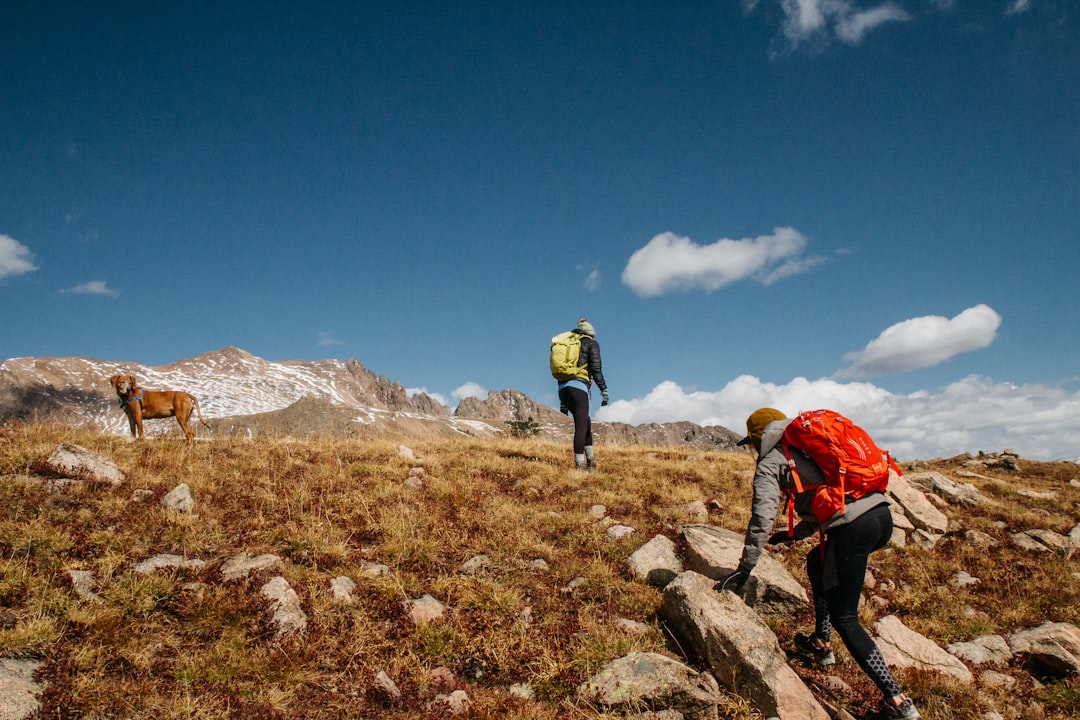
When it comes to investing in a quality backpacking pack, Osprey consistently emerges as a top contender. For the 2026 season, two flagship models, the Osprey Aether and the Osprey Atmos AG, continue to dominate discussions among hikers and trekkers. While both are designed for carrying significant loads over challenging terrain, they cater to subtly different needs and preferences. The Aether, a perennial favorite for its robust load-carrying capabilities and durable construction, often appeals to those tackling extended expeditions and carrying heavier gear. Conversely, the Atmos AG, renowned for its innovative Anti-Gravity suspension system, prioritizes unparalleled comfort and ventilation, making it a strong choice for those who value a supremely comfortable carry, especially in warmer conditions or on longer thru-hikes. This comparison will delve into the nuances of each pack, helping you determine which of these titans of the trail is the right fit for your adventures.
| Feature | Osprey Atmos AG (2026) | Osprey Aether (2026) |
| Suspension System | Anti-Gravity (AG) – Full trampoline-style mesh backpanel and hipbelt | AirScape with Internal Frame – Contoured foam backpanel with ridged channels |
| Optimal Load Range | Moderate to Heavy (up to ~45-50 lbs) | Heavy to Expeditionary (up to ~50+ lbs) |
| Ventilation | Exceptional – Unparalleled airflow due to AG system | Very Good – AirScape promotes airflow, but less than AG |
| Stability (Heavy Loads) | Good – AG system offers excellent comfort but can feel less rigid with extreme weight | Excellent – Designed for maximum stability and control with heavy, shifting loads |
| Weight (Approximate for 65L) | ~4.5 – 4.8 lbs | ~5.0 – 5.3 lbs |
| Primary Design Focus | Comfort, Ventilation, and a “Hugging” Fit | Load Support, Stability, and Durability |
| Material Durability | High – Built with robust nylon fabrics | Very High – Utilizes more abrasion-resistant and reinforced materials |
| Hipbelt/Harness Adjustability | Fit-on-the-Fly™ Hipbelt and Shoulder Harness | Adjustable harness and robust hipbelt |
| Access | Top-loading with front J-zip access | Top-loading with front J-zip and panel access |
| External Features | Stretch mesh side pockets, front shove-it pocket, dual ice axe loops, sleeping bag compartment | Stretch mesh side pockets, front shove-it pocket, dual ice axe loops, sleeping bag compartment, trekking pole attachments |
Understanding Your Backpacking Needs: Aether vs. Atmos AG
The choice between the Osprey Aether and Atmos AG for 2026 hinges on a fundamental understanding of your backpacking style, the typical loads you carry, and the conditions you most frequently encounter. Are you a weekend warrior tackling shorter trips with moderate gear, or an expedition-level adventurer embarking on multi-week journeys with a fully loaded pack? Do you often hike in hot, humid climates where staying cool is paramount, or do you traverse rugged, off-trail terrain where pack stability and durability are non-negotiable? Answering these questions will illuminate the path toward the pack that best aligns with your outdoor aspirations. The Atmos AG, with its revolutionary Anti-Gravity suspension, excels in providing an almost weightless sensation by suspending the load away from your back, offering supreme comfort and ventilation. This makes it an attractive option for thru-hikers, long-distance backpackers, and anyone prioritizing a comfortable carry, especially when the mercury rises. The Aether, on the other hand, is built with a more traditional yet highly refined internal frame and AirScape backpanel system, engineered to provide exceptional support and stability, even under the most demanding loads. Its focus is on delivering a solid, unwavering platform for your gear, ensuring that even heavy, expeditionary loads feel secure and manageable on challenging trails.
Key Differences at a Glance: Who Wins When?
The core distinction between the Osprey Aether and Atmos AG lies in their suspension systems and, consequently, their primary design philosophies. The Atmos AG features Osprey’s proprietary Anti-Gravity (AG) system, a full-contact, trampoline-style mesh that wraps around your back and hips. This system is designed to create an extraordinary amount of space between your back and the pack’s load, allowing for unparalleled airflow and a sensation of the pack floating on your body. This is a game-changer for comfort and ventilation. The Aether, while also offering excellent ventilation with its AirScape backpanel, employs a more direct load-bearing structure. Its internal frame and contoured foam backpanel are engineered to transfer weight efficiently to the hips, providing superior stability and control, particularly with heavier loads. If maximum ventilation and a “barely there” feel are your top priorities, the Atmos AG likely wins. If rock-solid stability, maximum load support for heavier gear, and robust durability on rugged trails are more critical, the Aether takes the lead.
2026 Model Updates and Considerations
For the 2026 season, both the Osprey Aether and Atmos AG benefit from refinements that build upon their already impressive legacies. Osprey is known for its iterative design process, meaning these updates are less about radical overhauls and more about enhancing user experience, durability, and sustainability. Expect subtle improvements in fabric choices, perhaps a slight increase in recycled content for a greener footprint, and refined harness and hipbelt adjustments for even more precise fitting. Zipper pulls might be redesigned for easier grip with gloves, and pocket configurations may see minor tweaks for improved accessibility. The core technologies, the Anti-Gravity suspension for the Atmos AG and the AirScape system for the Aether, remain the defining features, but the execution is likely to be even more polished. When considering the 2026 models, it’s wise to research the specific liters available for each pack, as capacity can significantly influence your choice for different trip lengths. The Atmos AG is typically available in a range of sizes from around 50L to 70L, while the Aether often extends to larger capacities, sometimes exceeding 80L for expedition needs.
Deep Dive into the Osprey Atmos AG
The Osprey Atmos AG is a pack engineered for supreme comfort and ventilation, making it a standout choice for long-distance hikers and backpackers who prioritize a pleasant carry above all else. Its defining feature is the revolutionary Anti-Gravity (AG) suspension system. This isn’t just a mesh backpanel; it’s a fully integrated system that includes a taut, trampoline-style mesh that wraps from the top of the shoulder harness all the way down the hipbelt. This creates a significant gap between your back and the pack’s main body, allowing air to flow freely and dramatically reducing heat buildup. The result is a pack that feels like it’s floating on your body, distributing weight evenly and minimizing pressure points.
The Anti-Gravity Suspension System: Comfort Engineered
The magic of the Atmos AG lies in its AG system. The 3D tensioned mesh backpanel not only provides exceptional ventilation but also conforms to the wearer’s body, creating a snug yet breathable fit. The hipbelt is an extension of this system, also featuring the suspended mesh, which wraps around the hips and distributes the load comfortably. This design significantly reduces the feeling of weight on your shoulders and hips, making even moderately heavy loads feel lighter. For those who suffer from back sweat or find traditional packs uncomfortable on long treks, the AG system is a revelation. It cradles your body rather than pressing against it, promoting a more dynamic and comfortable carry, especially on varied terrain where your body is constantly moving.
Fit-on-the-Fly™ Hipbelt and Shoulder Harness
Osprey’s Fit-on-the-Fly™ system is a key component of the Atmos AG’s comfort. This allows for on-the-go adjustments to both the hipbelt and shoulder harness, ensuring a personalized and precise fit. The hipbelt can be extended or retracted to perfectly match your hip circumference, crucial for optimal weight transfer. Similarly, the shoulder harness can be fine-tuned to prevent chafing and ensure proper load distribution. This adjustability is vital for maximizing the benefits of the AG system and ensuring that the pack feels secure and comfortable regardless of your body shape or the load you’re carrying. A well-adjusted pack is a happy hiker, and the Fit-on-the-Fly™ system makes achieving that ideal fit much easier.
Ventilation and Breathability Features
Ventilation is arguably the Atmos AG’s strongest suit. The entire backpanel and hipbelt are constructed from the suspended Anti-Gravity mesh, which allows for maximum airflow around your torso. Unlike padded backpanels that can trap heat, the AG system promotes constant air circulation. This is a significant advantage for hikers who often find themselves sweating heavily, especially in warmer climates or during strenuous ascents. The breathability also contributes to overall comfort by reducing the clammy feeling that can occur with less ventilated packs. This feature alone can be a deciding factor for many long-distance hikers aiming to stay cooler and drier on the trail.
Load Carrying Capacity and Distribution
While the Atmos AG prioritizes comfort, it doesn’t sacrifice load-carrying capability. It’s designed to comfortably handle moderate to heavy loads, typically in the range of up to 45-50 lbs for its larger volumes. The AG suspension system is adept at distributing this weight evenly, minimizing pressure points and preventing the load from feeling unstable. However, it’s important to note that for extremely heavy, expeditionary loads (consistently over 50 lbs), some users might find the Aether’s more rigid frame provides a slightly more controlled and stable carry. The Atmos AG excels when the load is well-packed and balanced, allowing its suspension system to work its magic.
Access Points, Pockets, and Organization
The Atmos AG offers thoughtful organization and access. It features a large main compartment accessed from the top, with a floating lid that can be extended for extra volume. A prominent J-zip on the front panel provides convenient access to the main compartment without needing to unpack everything. External stretch-mesh pockets on the sides are perfect for water bottles or tent poles, and a large front shove-it pocket offers quick storage for a rain jacket or other essentials. A dedicated sleeping bag compartment with a removable divider and dual ice axe loops add to its versatility. These features are designed for practical on-trail use, ensuring you can easily reach your gear when you need it.
Durability and Material Construction (2026 Spec)
Osprey employs high-quality nylon fabrics for the Atmos AG, ensuring good durability for typical backpacking use. The 2026 models are likely to feature robust, ripstop nylon materials that can withstand abrasion from branches and rocks. While not as heavily reinforced as some expedition-grade packs, the Atmos AG is built to last for many seasons of regular backpacking. The AG suspension system, while designed for comfort, is also constructed with durable mesh and robust internal frame components to handle the stresses of the trail. Careful packing and mindful use will ensure its longevity.
Deep Dive into the Osprey Aether
The Osprey Aether has long been a staple for backpackers who demand unwavering stability and support for heavy loads. It is the pack of choice for those venturing into remote territories, undertaking demanding multi-day expeditions, or simply carrying a comprehensive gear list. The Aether’s design philosophy centers on a robust internal frame and a highly engineered backpanel that prioritizes direct load transfer and control. This makes it incredibly capable of handling significant weight, ensuring that even when fully loaded, the pack feels secure and responsive on challenging terrain. Its construction also leans towards maximum durability, utilizing more abrasion-resistant materials suitable for rugged environments.
The AirScape Back Panel and Load Support
The Aether’s AirScape backpanel is the cornerstone of its load-carrying prowess. This system features a molded foam panel with prominent channels that promote airflow, preventing excessive heat buildup, though not to the same degree as the Atmos AG’s Anti-Gravity system. Crucially, the AirScape panel works in conjunction with a strong internal frame to transfer weight efficiently and directly to the hipbelt. This creates a stable and supportive platform, preventing the pack from swaying or shifting uncomfortably, especially when navigating steep ascents, descents, or uneven ground. The foam is firm enough to provide structure but contoured to offer a comfortable fit against the wearer’s back.
Robust Harness and Hipbelt System
Complementing the AirScape backpanel is the Aether’s robust harness and hipbelt system. The hipbelt is generously padded and designed to wrap securely around the iliac crest, effectively bearing the brunt of the pack’s weight. Its structure provides excellent support and stability, crucial for managing heavy loads. The shoulder harness is also well-padded and contoured to distribute weight comfortably across the shoulders. While it may not feature the same “floating” sensation as the Atmos AG, the Aether’s harness system offers a reassuringly solid and controlled carry that inspires confidence on challenging trails. The adjustability on the shoulder straps and the ability to fine-tune the hipbelt ensure a customizable and secure fit.
Load Carrying Capacity and Stability Under Weight
The Aether is built to excel with heavy loads. Its optimal load range extends into the expeditionary category, comfortably handling weights of 50 lbs and often exceeding that for shorter periods or with expert packing. The combination of its strong internal frame, supportive backpanel, and substantial hipbelt is specifically designed to keep heavy loads stable and manageable. This is particularly important on technical terrain or when navigating obstacles, where pack stability can significantly impact your balance and safety. The Aether provides a feeling of control, ensuring that the weight is kept close to your center of gravity and moves with you, rather than fighting against you.
Access Points, Pockets, and Organization
Organization on the Aether is both practical and accessible. It features a large, top-loading main compartment, similar to the Atmos AG, often with a floating lid that can be extended for additional capacity. A significant J-zip access on the front panel allows for easy retrieval of gear from the main compartment. The pack also includes a dedicated sleeping bag compartment at the bottom, often with a removable divider. External stretch-mesh pockets on the sides are perfect for water bottles, and a generous front shove-it pocket offers quick storage for items like rain gear. Dual ice axe loops and trekking pole attachments further enhance its utility for varied outdoor pursuits. The Aether’s organization is designed to provide quick access to essential items without compromising the pack’s structural integrity.
Durability and Material Construction (2026 Spec)
Durability is a hallmark of the Osprey Aether. For the 2026 models, expect continued use of high-denier, abrasion-resistant nylon fabrics, often with reinforced panels in high-wear areas. These materials are chosen for their ability to withstand the rigors of off-trail travel, scrambling over rocks, and general rough use that can be encountered on extended expeditions. The frame and suspension components are also built for longevity, designed to maintain their support and integrity over many years and miles. The Aether is a pack intended to be a long-term companion for serious adventurers, and its construction reflects that commitment to enduring performance.
Head-to-Head: Atmos AG vs. Aether Performance Metrics
When comparing the Osprey Atmos AG and Aether, it’s essential to look beyond their individual features and evaluate their performance on the trail. How do they truly stack up against each other when carrying weight, managing heat, and navigating varied terrain? This section breaks down their performance across key metrics.
Comfort on the Trail: Load Distribution and Feel
The comfort experience is where the Atmos AG and Aether diverge most significantly. The Atmos AG’s Anti-Gravity suspension system creates a sensation of the pack floating, distributing weight over a wider area and allowing for exceptional freedom of movement. This is particularly noticeable with lighter to moderate loads. The Aether, conversely, offers a more planted and direct feel, with its robust suspension system firmly transferring weight to the hips. This can be perceived as more secure and less dynamic, especially under heavier loads.
Comfort with Lighter Loads (Under 30 lbs)
With lighter loads, the Atmos AG truly shines. The AG suspension system provides an almost ethereal lightness, making the pack feel less intrusive. The excellent ventilation also contributes to a more comfortable experience, as heat buildup is minimized. The Aether is still comfortable with lighter loads, but its more structured system might feel slightly over-engineered in comparison, offering excellent support that isn’t always necessary at this weight range.
Comfort with Moderate Loads (30-45 lbs)
As the load increases into the moderate range, both packs perform admirably, but their comfort profiles differ. The Atmos AG continues to impress with its ability to keep the wearer cool and distribute weight evenly, making longer days feel less taxing. The Fit-on-the-Fly™ adjustments become more critical here to ensure optimal weight transfer. The Aether also provides excellent comfort, with its robust hipbelt and harness system managing the load effectively. Some might find the Aether’s direct load transfer more reassuring at this weight, while others will still prefer the breezy feel of the Atmos AG.
Comfort with Heavier Loads (Over 45 lbs)
This is where the Aether often gains a definitive edge for many users. Its rigid internal frame and supportive structure are designed to handle significant weight with exceptional stability. The load feels securely anchored, minimizing sway and fatigue. While the Atmos AG can handle loads up to around 50 lbs, some users may find that the suspended mesh system, while incredibly comfortable, can allow for slightly more movement or less direct control with extreme weights compared to the Aether’s more locked-in feel. For expedition-level loads, the Aether’s stability becomes a paramount comfort factor, preventing the pack from becoming a hindrance.
Ventilation and Heat Management
The Atmos AG is the undisputed champion in ventilation. The Anti-Gravity system’s full trampoline-style mesh backpanel and hipbelt create a substantial air gap, allowing for unparalleled airflow. This dramatically reduces sweat buildup and keeps the wearer cooler, especially during strenuous activity or in warm weather. The Aether’s AirScape backpanel, with its channeled foam, offers very good ventilation, significantly better than many traditional packs. It allows air to circulate, but the direct contact with the foam panel means it cannot match the extreme breathability of the Atmos AG’s suspended mesh.
Stability and Agility on Uneven Terrain
Stability is a critical factor when navigating challenging trails. The Aether’s robust internal frame and direct load transfer system are engineered for superior stability, especially with heavy loads. The pack feels more planted and less prone to shifting, allowing for greater agility and confidence on steep, technical terrain. The Atmos AG offers good stability for its design, and its conforming fit can provide a sense of connection to the pack. However, with extremely heavy or shifting loads, the Aether’s more rigid structure may provide a slightly more secure and controlled carry, reducing the effort required to maintain balance.
Pack Organization and Accessibility
Both packs offer excellent organization and accessibility, with thoughtful pocket placement and multiple access points. The Atmos AG features a convenient J-zip for main compartment access and ample external pockets. The Aether also provides easy access through its J-zip and top-loading design, along with similar external storage options. The choice between them here is largely a matter of personal preference, as both are well-designed for practical on-trail use. Features like dedicated sleeping bag compartments and trekking pole attachments are common to both, making them versatile for various backpacking scenarios.
Durability and Long-Term Wear Resistance
Both the Aether and Atmos AG are constructed with high-quality materials designed for longevity. However, the Aether typically employs slightly more robust and abrasion-resistant fabrics, especially in high-wear areas, making it arguably the more durable option for extremely rugged environments or frequent off-trail excursions. The Atmos AG’s materials are still highly durable for standard backpacking use, but the Aether’s construction is often geared towards extreme durability for expeditionary demands. The AG suspension system itself is engineered for durability, but the Aether’s more traditional, reinforced construction might offer a slight advantage in terms of long-term wear resistance against rocks and abrasive surfaces.
Capacity and Load Range: Which Pack Fits Your Trip?
Selecting the right backpack is intrinsically linked to the volume of gear you need to carry and the weight you anticipate. The Osprey Aether and Atmos AG, while both high-capacity packs, are optimized for slightly different load ranges and trip lengths. Understanding these nuances is crucial for ensuring your pack not only carries your essentials but does so comfortably and efficiently.
Comparing Liters: Atmos AG vs. Aether (2026 Models)
Both the Atmos AG and Aether are available in a variety of sizes, typically ranging from mid-sized day-to-weekender packs up to large volume expedition packs. For example, you might find the Atmos AG in 50L, 65L, and 75L options, while the Aether could be available in 65L, 70L, and even larger expedition-focused volumes like 85L or more. The liter capacity directly correlates to the amount of gear you can stow. A 65L pack is a popular choice for many multi-day trips, offering a balance between capacity and manageability. For extended trips or winter backpacking with bulkier gear, larger volumes (70L+) become more appropriate. The specific liter counts for the 2026 models should be verified, but the general trend of available sizes remains consistent.
Maximum Recommended Load: When to Choose Aether
The Osprey Aether is engineered to comfortably and stably carry heavier loads. Its robust internal frame, supportive AirScape backpanel, and substantial hipbelt are designed to manage weights of 50 lbs and well beyond. If your typical backpacking trips involve carrying a lot of gear, such as for extended expeditions, winter camping with extra insulation, or trips requiring specialized equipment (like climbing gear), the Aether is the pack that will provide the necessary support and stability. Its design prioritizes keeping these heavy loads securely in place, minimizing fatigue and maximizing control on challenging terrain.
Optimal Load Range: When Atmos AG Shines
The Osprey Atmos AG excels in the moderate to heavy load range, typically up to around 45-50 lbs for its larger capacities. Within this range, its Anti-Gravity suspension system provides exceptional comfort and ventilation, making long-distance hikes feel more enjoyable. The AG system is particularly effective at distributing weight evenly and reducing pressure points, which can be a significant benefit on multi-day treks where comfort is paramount. If your gear list generally falls within this weight bracket, and you prioritize a cool, comfortable carry, the Atmos AG is an outstanding choice.
Expedition and Extended Trip Considerations
For true expedition-style trips or prolonged backpacking adventures where carrying capacity and sustained comfort under maximum load are critical, the Aether often holds the advantage. Its construction is geared towards the demands of carrying maximum gear for extended periods. While the Atmos AG is comfortable, the Aether’s more rigid and supportive structure is inherently better suited for managing the sheer volume and weight often associated with expedition-level travel. If you’re planning a thru-hike with a minimalist approach, the Atmos AG might be preferable for its comfort and ventilation. However, if your expeditions require a comprehensive kit, the Aether’s load-hauling prowess becomes invaluable.
Fit and Sizing for Optimal Performance
The best backpacking pack is useless if it doesn’t fit you properly. Both the Osprey Aether and Atmos AG are available in a range of sizes and incorporate features to help you achieve a personalized fit. Understanding how to properly size and adjust your pack is fundamental to maximizing comfort, stability, and load-bearing efficiency.
Torso Length Adjustment and Fine-Tuning
The most critical measurement for fitting a backpack is your torso length. Both the Aether and Atmos AG feature adjustable harnesses that allow you to fine-tune the torso length. This ensures that the shoulder straps sit correctly on your shoulders and the hipbelt is positioned at your iliac crest. Many Osprey packs, including these models, utilize a hook-and-loop system for easy torso adjustment. It’s essential to measure your torso length (from the C7 vertebra to the top of your hipbones) and consult Osprey’s sizing charts to select the correct base size. Fine-tuning the harness height allows the load to be transferred effectively to the hipbelt, taking the strain off your shoulders.
Hipbelt Fit and Its Impact on Comfort
The hipbelt is responsible for carrying the majority of your pack’s weight (typically 70-80%). A properly fitting hipbelt should sit comfortably on your iliac crest, not your waist. The padding should wrap around your hips, and the buckle should connect without excessive strain or pressure points. Both the Aether and Atmos AG feature well-padded and supportive hipbelts. The Atmos AG’s Fit-on-the-Fly™ system allows for greater customization in hipbelt length, which can be a significant advantage for individuals with specific hip circumferences. A snug, comfortable hipbelt is paramount for reducing fatigue on long hikes.
Shoulder Strap Contour and Load Transfer
Shoulder straps, while not bearing the primary load, play a crucial role in stabilizing the pack and preventing it from pulling backward. They should contour comfortably over your shoulders without chafing or digging in. The load lifter straps, which connect the top of the shoulder harness to the top of the pack frame, help to pull the load closer to your body, improving balance and further transferring weight to the hipbelt. Both packs offer well-contoured shoulder straps designed for comfort and effective load transfer. Proper adjustment of the load lifters is key to achieving the optimal carry feel.
Men’s vs. Women’s Specific Designs in 2026
For 2026, both the Osprey Aether and Atmos AG will continue to be offered in both men’s and women’s specific designs. These designs are not merely cosmetic; they are tailored to the different anatomical structures of men and women. Women’s specific packs typically feature shorter torso lengths, narrower shoulder harnesses that are curved to accommodate busts, and hipbelts that are shaped to fit higher and more contoured hips. Selecting the correct gender-specific model can make a substantial difference in fit and comfort, ensuring the pack works with your body rather than against it.
Weight, Materials, and Construction in 2026
The materials and construction of a backpack directly influence its durability, weight, and overall performance. For the 2026 models of the Osprey Aether and Atmos AG, Osprey continues to utilize advanced fabrics and robust construction techniques to create packs that are both reliable and relatively lightweight for their intended purpose.
Pack Weight Comparison: Atmos AG vs. Aether
Generally, the Osprey Atmos AG tends to be slightly lighter than the Aether, especially when comparing packs of similar volume. For instance, a 65L Atmos AG might weigh around 4.5-4.8 lbs, while a comparable 65L Aether might be in the 5.0-5.3 lb range. This difference in weight is primarily due to the Aether’s more robust frame and potentially heavier-duty materials used for maximum durability and load support. While the weight difference might seem small, it can be noticeable over long distances. However, the Aether’s slightly higher weight is a trade-off for its enhanced stability and load-carrying capability.
Fabric Technologies and Durability Ratings
Both packs utilize high-quality nylon fabrics, a standard in the backpacking industry for their blend of strength, durability, and relatively low weight. The Atmos AG often features a combination of ripstop nylon for abrasion resistance and lighter-weight fabrics in less stressed areas. The Aether, on the other hand, typically uses higher-denier nylon, particularly in the base and critical wear zones, to enhance its resistance to tears and abrasion from rough terrain. For 2026, expect refinements in fabric technology, possibly incorporating more recycled materials or advanced coating treatments for improved water resistance and longevity, without compromising performance.
Frame Structure and Support Systems
The frame structure is a fundamental differentiator. The Atmos AG utilizes its Anti-Gravity system, which incorporates a lightweight internal frame combined with the suspended mesh that acts as a load-carrying platform. This design prioritizes flexibility and ventilation. The Aether employs a more traditional, yet highly engineered, internal frame made of durable materials like aluminum or composite rods, coupled with a rigid backpanel. This combination provides exceptional stiffness and load transfer capabilities, ideal for carrying heavy and awkward loads. The frame’s design is integral to each pack’s primary function: comfort and ventilation for the Atmos AG, and unwavering stability and load support for the Aether.
Value Proposition: Price and Features in 2026
When investing in a high-quality backpacking pack like the Osprey Aether or Atmos AG, understanding the value proposition—the balance between price, features, and expected performance—is crucial. Both packs represent a significant investment, but they offer considerable long-term benefits for serious backpackers.
MSRP Comparison of Atmos AG and Aether Models
Historically, the Osprey Aether and Atmos AG are positioned in a similar premium price bracket, reflecting their advanced technologies, high-quality materials, and robust construction. For the 2026 models, you can expect their Manufacturer’s Suggested Retail Prices (MSRPs) to be comparable, likely falling within a range of $300 to $400 USD, depending on the specific volume (e.g., 65L vs. 75L) and any new feature introductions. The Aether might sometimes carry a slightly higher MSRP due to its focus on expedition-grade durability and load-carrying features, but this can vary. It’s always advisable to check current pricing with retailers, as sales and discounts are common.
Cost Per Pound Carried and Durability Index
While a direct “cost per pound carried” calculation is complex, both packs offer excellent value when considering their expected lifespan and the comfort they provide under load. A well-maintained Aether or Atmos AG can last for a decade or more of regular use. Their durability index is high; they are built to withstand the rigors of the trail. The investment in a premium pack like these translates to fewer replacements over time and a more enjoyable hiking experience, which has significant intangible value. The Aether, with its robust materials, might edge out the Atmos AG in a pure “durability index” for extreme environments, but both are built for sustained performance.
Feature Set vs. Price: Which Offers Better Value?
The “better value” proposition depends entirely on your individual needs and priorities. If your primary concern is staying cool and comfortable on long, warm-weather treks with moderate to heavy loads, the Atmos AG’s innovative Anti-Gravity system and exceptional ventilation offer immense value for its price. The unique comfort it provides is a significant feature. If, however, you regularly carry very heavy loads, tackle technical terrain, or embark on rugged expeditions where maximum stability and durability are paramount, the Aether’s robust construction and superior load-hauling capabilities offer exceptional value. Its price is justified by its ability to reliably carry and control heavy gear in demanding conditions. Ultimately, the best value is derived from choosing the pack that most effectively addresses your specific backpacking challenges.
Choosing Your Perfect Pack: A Decision Framework
Deciding between the Osprey Atmos AG and the Aether in 2026 isn’t about one pack being definitively “better” than the other; it’s about identifying which pack is the optimal tool for your specific adventures. By considering your typical trip types, load weights, and environmental conditions, you can make an informed choice that will enhance your time on the trail.
Scenarios Favoring the Osprey Atmos AG
The Osprey Atmos AG is the ideal choice for hikers who prioritize comfort and ventilation above all else. This includes:
- Long-Distance Hikers and Thru-Hikers: The AG system’s ability to reduce fatigue and heat buildup over many miles and days is invaluable.
- Backpackers in Warm Climates: The unparalleled airflow of the Anti-Gravity system keeps you cooler and drier in hot and humid conditions.
- Hikers with Lighter to Moderate Gear Loads: If your typical load is under 45-50 lbs, the Atmos AG will provide a supremely comfortable and almost weightless carry.
- Individuals Prone to Back Sweat: The significant ventilation gap drastically reduces sweat, leading to a more pleasant experience.
- Those Seeking a “Hugging” and Conforming Fit: The AG system wraps around the body, offering a unique, comfortable connection.
Scenarios Favoring the Osprey Aether
The Osprey Aether is the powerhouse pack for those who need maximum support, stability, and durability. Consider the Aether if you:
- Are an Expedition-Level Backpacker: Carrying heavy and bulky gear for extended periods is its forte.
- Hike in Rugged or Off-Trail Terrain: Its robust construction and stable frame provide confidence and control on challenging ground.
- Consistently Carry Heavy Loads (50+ lbs): The Aether’s design prioritizes managing significant weight with stability and efficiency.
- Prioritize Long-Term Durability in Harsh Conditions: Its reinforced materials are built for extreme wear and tear.
- Seek a More Traditional, Firm Load Transfer Feel: The Aether offers a planted and secure carry that many appreciate for its control.
The Case for Trying Both in Person
While this comprehensive comparison provides a strong foundation for your decision, the ultimate test is how each pack feels on your body. If possible, visit an outdoor gear retailer that allows you to try on both the Atmos AG and Aether, ideally with some weight added to simulate a real load. Pay attention to how the hipbelt sits, how the shoulder straps conform, and how the backpanel feels against your back. The subtle differences in suspension systems and fit can be very pronounced when actually wearing the packs. This hands-on experience, combined with the information presented here, will empower you to make the best choice for your backpacking journeys.
Frequently Asked Questions (FAQ) – 2026 Edition
Here are answers to some common questions about the Osprey Aether and Atmos AG to further assist you in making your decision for the 2026 models.
Which pack is better for a beginner backpacker?
For a beginner who might not yet have a fully dialed-in gear system and is still learning about weight management, the Osprey Atmos AG might offer a more forgiving and comfortable introduction due to its exceptional ventilation and the “floating” feel of the AG system. However, if the beginner anticipates carrying heavier loads from the outset or plans on rugged terrain, the Aether’s supportive structure could also be a good, albeit potentially more complex, starting point. Trying both on is highly recommended.
Can the Atmos AG handle a 40lb load comfortably?
Yes, absolutely. The Osprey Atmos AG is designed to comfortably handle loads in the moderate to heavy range, with 40 lbs falling well within its optimal capacity. The Anti-Gravity suspension system excels at distributing this weight evenly and providing excellent ventilation, making it a very comfortable carry for a 40 lb load.
Which pack offers superior ventilation for hot weather?
The Osprey Atmos AG offers superior ventilation for hot weather. Its revolutionary Anti-Gravity suspension system creates a significant air gap between your back and the pack, allowing for unparalleled airflow and dramatically reducing heat buildup. The Aether’s AirScape system provides very good ventilation, but it cannot match the extreme breathability of the Atmos AG.
What are the key differences in suspension systems?
The primary difference lies in their approach to load carrying and ventilation. The Atmos AG uses the “Anti-Gravity” (AG) system, a full trampoline-style mesh that suspends the load away from the body for maximum airflow and a “floating” feel. The Aether utilizes the “AirScape” system, a contoured foam backpanel with channels for very good ventilation, combined with a robust internal frame designed for direct load transfer and maximum stability, especially with heavy loads.
Is the Aether worth the extra weight for heavy loads?
For many, yes, the Aether’s slightly higher weight is a worthwhile trade-off for its superior stability and load-carrying capabilities when dealing with heavy loads. Its robust frame and construction are specifically designed to keep heavy gear secure and manageable, which can be crucial for safety and comfort on demanding treks. If you consistently carry 50+ lbs, the Aether’s performance often justifies the marginal weight increase.
Which pack is more durable for rugged terrain?
The Osprey Aether is generally considered more durable for rugged terrain. It often utilizes higher-denier, more abrasion-resistant nylon fabrics, particularly in high-wear areas, and its robust frame structure is built to withstand the stresses of frequent off-trail use and challenging environments. While the Atmos AG is durable for standard backpacking, the Aether’s construction is geared towards maximum resilience in the most demanding conditions.
What are the current MSRPs for the 2026 models?
The MSRPs for the 2026 models of the Osprey Aether and Atmos AG are expected to be in a similar premium range, typically between $300 and $400 USD for popular volumes like 65L. Prices can vary based on exact capacity and retailer promotions. It’s best to check current listings from major outdoor retailers for the most up-to-date pricing.