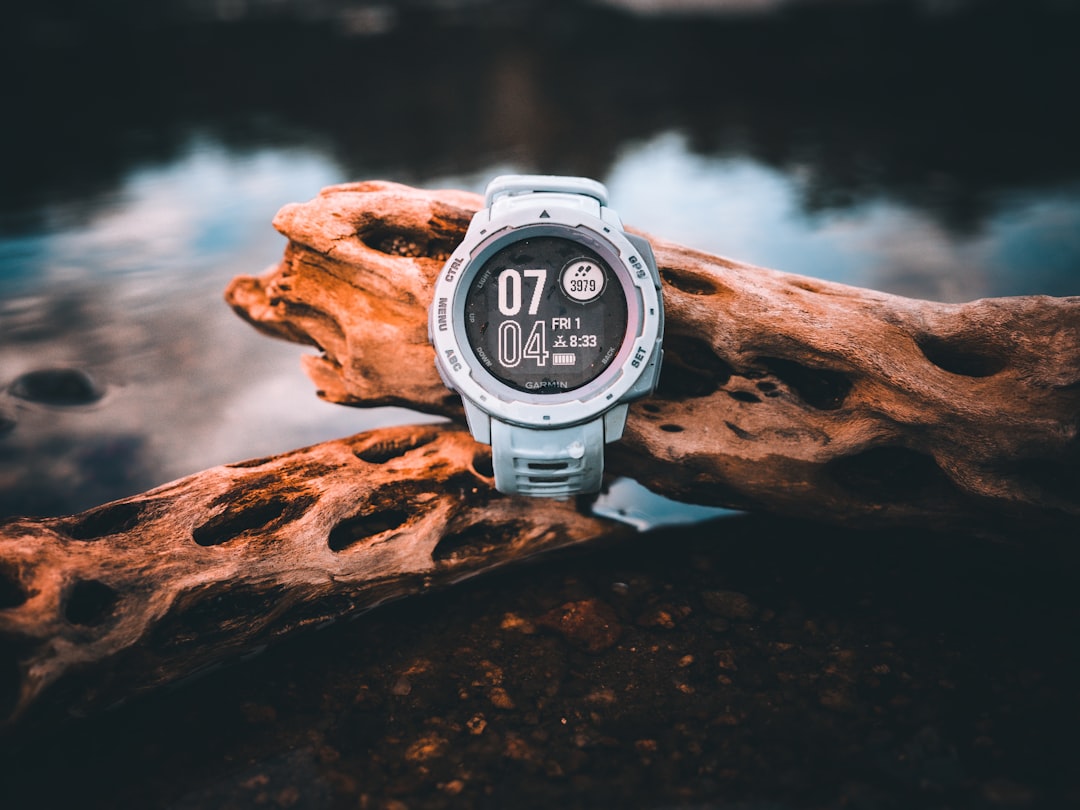
The Garmin Fenix 7 series, released in early 2022, continues to be a formidable contender in the high-end multisport GPS watch market, even with the introduction of newer models like the Fenix 8. For outdoor enthusiasts who prioritize exceptional battery life, robust construction, and in-depth performance analytics, the Fenix 7 remains a compelling choice. This guide explores the Fenix 7’s enduring strengths, its various configurations, and what buyers should consider in 2026.
| Attribute | Garmin Fenix 7 Series | Garmin Fenix 8 Series (for comparison) |
| Release Date | January 18, 2022 | Late 2025 (estimated) |
| Current Status | Active, but not the latest flagship | Current flagship model |
| Model Sizes | 7S (42mm), 7 (47mm), 7X (51mm) | Sizes vary, typically 42mm, 47mm, 51mm |
| Editions | Standard, Solar, Sapphire Solar | Standard, Solar, Sapphire Solar (with potential new material options) |
| Key New Features (vs. Fenix 7) | N/A | Animated maps, voice navigation, potentially Gen 5 HR sensor |
| Touchscreen | Hybrid touchscreen + 5-button | Hybrid touchscreen + 5-button (likely enhanced) |
| Battery Life (Smartwatch Mode) | Up to 5 weeks (Fenix 7X Sapphire Solar) | Potentially longer due to newer chipsets and optimizations |
| GPS Mode Battery Life | Up to 89 hours (Fenix 7X Sapphire Solar) | Potentially longer |
| Integrated Flashlight | 7X models only | Likely available on larger models |
| GPS Accuracy | Multi-band GPS (L5 on Sapphire models) | Multi-band GPS (likely enhanced) |
| Heart Rate Sensor | Gen 4 Elevate (some 7X Pro Sapphire Solar verified with Gen 5) | Gen 5 Elevate (standard) |
| Mapping | TopoActive maps (WiFi download), Up Ahead | Animated TopoActive maps, enhanced navigation |
| Durability | 10 ATM water resistance, rugged build | 10 ATM water resistance, rugged build (potential material upgrades) |
| Software Support (2026) | Security patches and compatibility updates | Ongoing feature and security updates |
| Starting Price (Approx. 2026) | $699.99 (Fenix 7 Standard) | Higher than Fenix 7, likely starting above $800 |
Design and Durability: Built for the Elements
The Garmin Fenix 7 series embodies ruggedness. Constructed with robust materials, including fiber-reinforced polymer cases and durable bezels (stainless steel, titanium, or DLC titanium), these watches are engineered to withstand harsh conditions. The display is protected by either Corning Gorilla Glass or scratch-resistant sapphire crystal on the Sapphire Solar models, ensuring clarity and resilience against abrasions. Water resistance is rated at 10 ATM, making them suitable for swimming and water sports.
A significant advancement for the Fenix 7 generation was the introduction of a hybrid interface, combining a responsive touchscreen with the traditional, reliable five-button control system. This dual approach offers versatility: the touchscreen allows for intuitive map navigation and menu scrolling, while the physical buttons provide dependable operation in challenging environments, such as when wearing gloves or in wet conditions.
Model Sizes and Editions
Garmin offers the Fenix 7 in three distinct case sizes to accommodate a range of wrist dimensions and user preferences:
- Fenix 7S: The most compact option at 42mm, ideal for smaller wrists or those who prefer a lighter feel.
- Fenix 7: The standard 47mm model, offering a balanced size for most users.
- Fenix 7X: The largest at 51mm, providing maximum screen real estate and housing additional features like the integrated flashlight.
Beyond size, users can choose between Standard, Solar, and Sapphire Solar editions. The Solar editions incorporate Garmin’s Power Glass lens, which harvests solar energy to extend battery life. The Sapphire Solar models further enhance durability with a sapphire crystal lens and often feature premium titanium bezels. It’s important to note that the integrated LED flashlight is exclusive to the Fenix 7X models.

Battery Life: A Marathoner’s Dream
Battery performance has always been a cornerstone of the Fenix line, and the Fenix 7 series excels in this regard, particularly with its solar charging capabilities. The Power Glass lens on Solar and Sapphire Solar models continuously trickles charge from sunlight, significantly extending the time between manual recharges. While solar charging alone cannot fully power the watch, it demonstrably increases operational duration, especially during extended outdoor activities in sunny conditions.
The battery life figures vary considerably by model size, edition, and usage patterns, especially GPS mode. The Fenix 7X, in particular, stands out for its exceptional endurance.
Extended Battery Performance
- Fenix 7S: Offers up to 11 days in smartwatch mode (non-solar) and up to 14 days with solar charging.
- Fenix 7: Extends to approximately 18 days in smartwatch mode (non-solar) and up to 22 days with solar.
- Fenix 7X: The powerhouse, delivering up to 28 days in smartwatch mode (non-solar) and an impressive 37 days with solar. The Sapphire Solar 7X can reach up to 5 weeks (35+ days) in smartwatch mode.
In GPS mode, the Fenix 7X Sapphire Solar can last up to 89 hours, while even the standard Fenix 7 offers around 40-55 hours with solar assistance. For extreme endurance events, the Expedition GPS mode offers multi-day tracking capabilities, reducing power consumption by updating location less frequently.

GPS Accuracy and Navigation: Precision on the Trail
The Fenix 7 series is renowned for its advanced navigation features, designed to keep users on course in any environment. It supports multiple global navigation satellite systems (GNSS) including GPS, GLONASS, and Galileo, ensuring reliable positioning. For enhanced accuracy, especially in challenging terrains like dense forests or urban canyons where satellite signals can be weak or reflected, the Sapphire models feature multi-band GPS (L1+L5) support. This technology allows the watch to receive signals on multiple frequencies, significantly improving positional accuracy and reducing errors.
Mapping and On-Watch Tools
Garmin equips the Fenix 7 with comprehensive TopoActive maps, which can be downloaded directly to the watch via Wi-Fi. These detailed, full-color maps display terrain contours, elevation data, points of interest, and more, making on-the-go route planning and exploration feasible.
Key navigation features include:
- ClimbPro: Provides real-time information about current and upcoming climbs, including gradient, elevation gain, and distance to the top.
- SkiView: Maps for ski resorts worldwide, showing piste names and difficulty ratings.
- Up Ahead: A feature that displays upcoming points of interest on your route, such as trail junctions, aid stations, or specific terrain features, allowing for better preparation and pacing.
- Trackback: Allows users to navigate back to their starting point along the same route.
The hybrid touchscreen and button interface makes interacting with maps—panning, zooming, and setting waypoints—more fluid and accessible than ever before on a Fenix device.

Training Metrics and Health Tracking
Beyond its outdoor navigation capabilities, the Fenix 7 is a sophisticated tool for athletes and fitness enthusiasts. It offers a deep suite of performance metrics designed to help users understand their training load, recovery status, and overall fitness level.
Key training and health features include:
- Real-Time Stamina: Estimates your remaining energy reserves during an activity, helping you manage your effort and avoid overexertion.
- Training Readiness: Assesses your body’s preparedness for training based on sleep, recovery time, HRV status, and recent activity load.
- Visual Race Predictor: Provides an estimate of your target race pace based on your current fitness level.
- HRV Status: Monitors heart rate variability during sleep to provide insights into your recovery and overall well-being.
- Body Battery: Tracks your energy levels throughout the day, combining data from sleep, heart rate, and stress to indicate when you’re ready for activity or need rest.
- VO2 Max: Measures your aerobic capacity, a key indicator of cardiovascular fitness.
- Health Snapshot: A 2-minute feature that records key stats like heart rate, heart rate variability, blood oxygen saturation (SpO2), and respiration rate.
The Fenix 7 utilizes Garmin’s Gen 4 Elevate heart rate sensor, with some later Fenix 7X Pro Sapphire Solar models reportedly featuring the newer Gen 5 sensor based on user reports in 2026. This comprehensive data set allows for highly personalized training plans and informed recovery strategies.

Firmware, Support, and Value in 2026
As of 2026, the Garmin Fenix 7 series continues to receive essential support, primarily in the form of security patches and operating system compatibility updates, ensuring its continued reliability and security. While it will not receive major new feature updates or the advanced capabilities found on the newer Fenix 8, such as animated maps or voice navigation, its core functionality remains robust. The latest firmware version available is typically around v26.09 or v28.20, with Garmin providing updates through mid-2026.
Pricing and Buyer Considerations
The Fenix 7 series, while no longer the absolute newest offering, presents an increasingly attractive value proposition in 2026. As newer models take center stage, discounts on the Fenix 7 can make its advanced features more accessible. The starting price for a standard Fenix 7 or 7S is around $699.99, with Solar and Sapphire Solar editions, particularly the larger 7X models, costing more, potentially reaching up to $999 for a Fenix 7X Sapphire Solar. The non-solar Fenix 7X is not available, with the lineup starting at the Solar edition for the 7X.
Who Should Buy the Fenix 7?
- Users who require exceptional multi-week battery life for extended adventures.
- Individuals who value rugged, reliable hardware built for demanding environments.
- Athletes and outdoor enthusiasts seeking deep, actionable training metrics and advanced navigation tools.
- Those who appreciate the convenience of an integrated flashlight (7X models only).
- Buyers looking for a highly capable outdoor watch at a potentially reduced price point compared to the latest flagships.
Who Should Consider Other Options?
- Users who prioritize the very latest smart features, such as animated trail maps or voice-controlled navigation, which are exclusive to newer models like the Fenix 8.
- Individuals who need the absolute cutting-edge heart rate sensor technology (Gen 5), which is standard on the Fenix 8.
- Those who prefer a lighter, more streamlined smartwatch experience without the extensive data and rugged build.
Frequently Asked Questions
Is the Garmin Fenix 7 still worth buying in 2026?
Yes, for many users, the Garmin Fenix 7 remains an excellent choice in 2026, especially if you prioritize battery life, rugged durability, and comprehensive training metrics over the newest smart features. It continues to receive security updates and offers proven performance for outdoor activities.
What is the main difference between the Fenix 7 and Fenix 8?
The Fenix 8, as the newer flagship, introduces features like animated maps and voice navigation that are not present on the Fenix 7. It also typically includes the latest generation of sensors, such as the Gen 5 heart rate monitor, and potentially improved battery efficiency due to newer chipsets.
Does the Fenix 7 have a touchscreen?
Yes, the Fenix 7 series features a hybrid interface that includes a responsive touchscreen alongside the traditional five-button control system, offering flexibility in operation.
Which Fenix 7 model has a flashlight?
The integrated LED flashlight is a feature exclusive to the larger Fenix 7X models (7X, 7X Solar, and 7X Sapphire Solar).
How long does the battery last on a Fenix 7?
Battery life varies by model and usage. In smartwatch mode, non-solar models range from about 11 days (7S) to 28 days (7X). Solar editions extend this significantly, with the 7X Sapphire Solar potentially lasting over 5 weeks. In GPS mode, battery life ranges from approximately 38 hours to up to 89 hours for the 7X Sapphire Solar.