When venturing into the unpredictable embrace of the outdoors, staying dry is paramount. The effectiveness of your outerwear hinges on its ability to repel water while allowing perspiration to escape. Two terms frequently surface in discussions about waterproof-breathable gear: Gore-Tex and DWR (Durable Water Repellent). While both play roles in managing moisture, they are fundamentally different technologies with distinct performance characteristics. Understanding these differences is crucial for selecting the right gear for your adventures.
| Attribute | Gore-Tex | DWR (Durable Water Repellent) |
|---|---|---|
| Primary Function | Physical waterproof barrier with breathability | Surface hydrophobic coating |
| Mechanism | Microporous membrane (ePTFE or ePE) with billions of pores per square inch; pores are 20,000 times smaller than a water droplet and 20 billion times larger than a water vapor molecule. | Reduces surface tension, causing water to bead and roll off the fabric. |
| Waterproof Guarantee | Guaranteed to keep you dry (durably waterproof). | Does not provide waterproofing; prevents outer fabric from “wetting out.” |
| Breathability | Yes, allows water vapor to pass through the membrane. | None by itself; preserves the breathability of the underlying fabric or membrane. |
| Durability | Long-lasting, designed to withstand repeated washings and heavy use. | Wears off over time due to abrasion, dirt, and washing; requires reapplication. |
| Typical Application | Waterproof-breathable jackets, pants, footwear, gloves. | Applied to the face fabric of outerwear, tents, and other gear. |
Gore-Tex: The Science of Guaranteed Dryness
Gore-Tex is a brand name representing a sophisticated, multi-layered system engineered to provide durable waterproofness and breathability. At its heart lies a membrane, typically made from expanded polytetrafluoroethylene (ePTFE) or, in newer iterations, expanded polyethylene (ePE). This membrane is the key to Gore-Tex’s performance, acting as a physical barrier against liquid water while allowing water vapor to escape.
The Microporous Membrane Explained
The Gore-Tex membrane is characterized by its incredibly dense structure, containing billions of microscopic pores per square inch. These pores are strategically sized: they are approximately 20,000 times smaller than a single water droplet, effectively blocking rain and snow from penetrating the fabric. Simultaneously, these same pores are about 20 billion times larger than a water vapor molecule, which is the form that sweat takes when it evaporates from your skin. This size differential allows perspiration vapor to pass through the membrane, facilitating breathability and preventing the clammy feeling associated with trapped moisture.
Gore-Tex Product Lines for Every Adventure
Gore-Tex offers a range of product lines, each tailored to specific outdoor pursuits and performance demands. These lines ensure that users can find a solution optimized for their needs, whether they are scaling icy peaks or embarking on a multi-day trek.
- Gore-Tex Pro: This is the most rugged and breathable option within the Gore-Tex family, designed for extreme conditions. It is the preferred choice for activities such as intense mountaineering, backcountry skiing, and alpinism where durability and maximum protection are essential.
- Gore-Tex Performance: Offering a versatile balance of robust waterproofing and good breathability, Gore-Tex Performance is suitable for a wide array of outdoor activities. Hikers, trekkers, and cyclists often rely on this technology for reliable protection in varied conditions.
- Gore-Tex Paclite: Engineered for lightweight and packability, Gore-Tex Paclite is ideal for emergency rain protection or for minimalist adventurers who prioritize reducing weight and bulk. This version often omits an inner lining, relying on the membrane itself for comfort against the skin.
- Gore-Tex Active: Designed for high-aerobic activities, Gore-Tex Active maximizes breathability. It is the go-to choice for fast-and-light pursuits where managing sweat and maintaining comfort during intense exertion are critical.
In 2026, Gore-Tex continues to innovate with the introduction of next-generation ePE fabrics. These new materials aim to provide the same durable waterproof protection but in a lighter package, offering a more “barely-there” feel without compromising performance.

DWR: The First Line of Defense
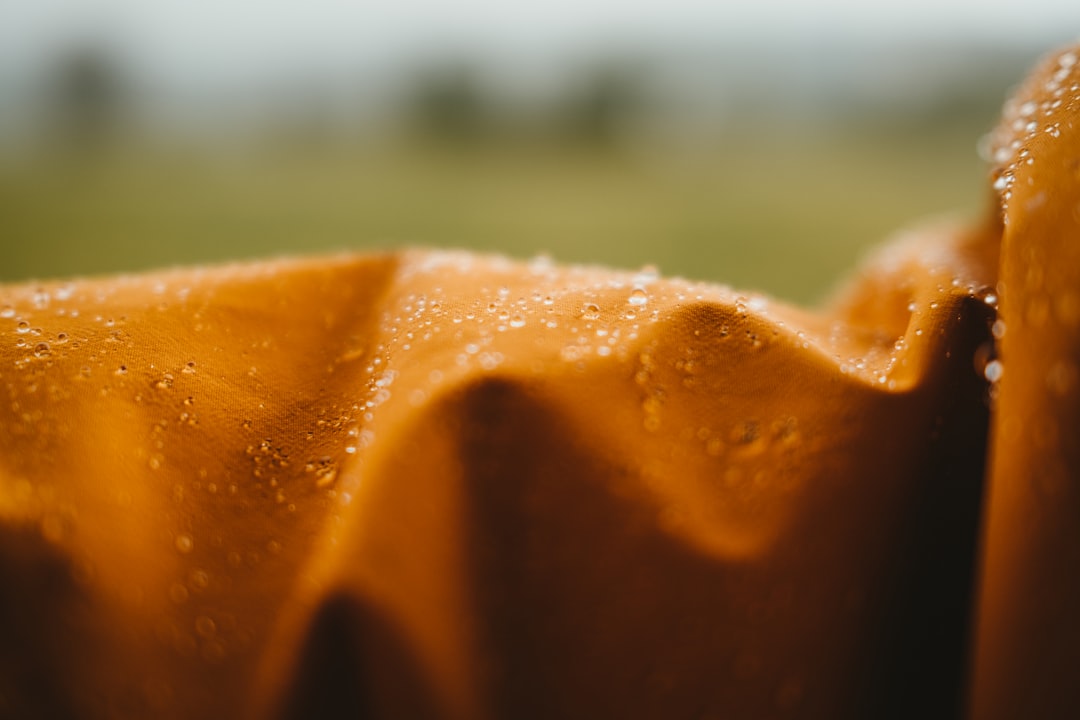
Durable Water Repellent (DWR) is not a waterproof barrier in itself but rather a crucial surface treatment applied to the exterior fabric of garments and gear. Its primary function is to reduce the surface tension of water, causing it to bead up and roll off the fabric rather than soaking into the material. This “beading up” effect is a visual indicator of a functional DWR treatment.
How DWR Works and Its Limitations
DWR treatments are typically fluorocarbon-based chemical coatings that create a hydrophobic surface. When water encounters this treated surface, it forms distinct droplets that can easily be shed. This is vital because if the outer fabric of a waterproof-breathable garment becomes saturated with water—a condition known as “wetting out”—it can significantly impede the fabric’s ability to breathe. This leads to a feeling of clamminess and discomfort, even if the underlying waterproof membrane is still functioning.
However, DWR is a temporary treatment. Its effectiveness diminishes over time due to factors such as abrasion from backpacks, dirt accumulation, body oils, and repeated washing. Unlike Gore-Tex, which provides a physical waterproof barrier, DWR alone does not offer true waterproofing. Its role is to maintain the performance of the underlying fabric or membrane by preventing the face fabric from absorbing water.

Gore-Tex vs. DWR: A Performance Comparison
When comparing Gore-Tex and DWR, it’s essential to recognize their different roles. Gore-Tex is the primary waterproofing technology, while DWR is a complementary treatment that enhances the performance of waterproof-breathable systems.
Waterproofness and Breathability
Gore-Tex, with its engineered membrane, provides a guaranteed waterproof barrier. This means it actively prevents external water from entering the garment while allowing internal moisture vapor to escape. This dual function is critical for comfort during strenuous activities in wet conditions. DWR, on the other hand, does not provide waterproofing. Its contribution to breathability is indirect: by ensuring the outer fabric repels water, it allows the underlying membrane (like Gore-Tex) to continue releasing perspiration vapor effectively. If the DWR fails and the outer fabric wets out, the breathability of the entire system is compromised.
Durability and Longevity
The Gore-Tex membrane is designed for long-term durability, intended to last for the functional life of the garment when properly cared for. It can withstand repeated washings and significant wear and tear. DWR treatments, however, are inherently less durable. They wear off with use, typically lasting for weeks to months of active use before reapplication is needed. This necessitates regular maintenance to ensure optimal performance.
Maintenance and Care
Both Gore-Tex garments and DWR treatments benefit from proper care, but their maintenance needs differ. Gore-Tex gear requires technical washing to remove dirt and oils that can clog the membrane’s pores and reduce breathability. Periodically, the DWR treatment on the face fabric of Gore-Tex garments needs to be replenished to maintain water repellency. DWR-only products, or the DWR treatment on Gore-Tex gear, require regular cleaning and frequent reapplication of DWR products (sprays or wash-ins) to restore their water-repellent properties.

Choosing the Right Technology for Your Needs
The choice between relying on Gore-Tex or understanding the role of DWR depends entirely on the level of protection required for your outdoor activities.
When Guaranteed Dryness is Non-Negotiable
If your adventures involve exposure to persistent rain, snow, or storms, and you need absolute assurance of staying dry, Gore-Tex is the clear choice. Its “Guaranteed to Keep You Dry” promise means you can trust it to perform in challenging conditions. This is essential for preventing hypothermia and maintaining comfort during extended periods outdoors.
The Essential Role of DWR Maintenance
For any waterproof-breathable garment, especially those featuring Gore-Tex, maintaining the DWR treatment on the outer fabric is crucial. A well-functioning DWR ensures that water beads off the surface, preventing the face fabric from becoming saturated. This, in turn, allows the Gore-Tex membrane to breathe effectively and prevents the garment from feeling heavy and clammy. Reapplying DWR is a standard part of caring for high-performance outerwear.
Avoiding “DWR-Only” for Serious Adventures
It is important to note that garments relying solely on DWR for water repellency are not suitable for serious outdoor adventures where prolonged exposure to wet weather is expected. While DWR can handle light showers or brief periods of rain, it will eventually fail, leading to the outer fabric wetting out. This compromises both waterproofing and breathability. For reliable protection, a waterproof membrane like Gore-Tex is necessary.

The Future of Waterproofing
The outdoor industry is continuously evolving, with manufacturers like Gore-Tex investing in research and development to improve performance and sustainability. The introduction of ePE membranes signifies a move towards lighter, potentially more environmentally conscious materials without sacrificing the core waterproof-breathable technology that adventurers rely on.
While DWR technology remains a vital component in managing outerwear performance, the focus is often on enhancing its durability and exploring more sustainable formulations. However, for the foreseeable future, the fundamental distinction remains: Gore-Tex provides the waterproof barrier, and DWR helps that barrier, and the garment’s overall breathability, function optimally by keeping the outer fabric dry.

Frequently Asked Questions
What is the main difference between Gore-Tex and DWR?
Gore-Tex is a waterproof and breathable membrane system that acts as a physical barrier against water. DWR is a surface treatment that repels water from the outer fabric, preventing it from “wetting out” and maintaining the breathability of the underlying material.
Can a jacket be waterproof with just DWR?
No, a jacket with only a DWR treatment is not waterproof. DWR only prevents the outer fabric from absorbing water; it does not provide a waterproof barrier against significant or prolonged water exposure.
How often should I reapply DWR to my Gore-Tex jacket?
The frequency of DWR reapplication depends on how often you use your jacket and the conditions it’s exposed to. A general guideline is to reapply when you notice water no longer beads up and rolls off the fabric’s surface. This can range from several weeks to many months of use.
Is Gore-Tex still the best waterproof technology?
Gore-Tex remains a leading and highly trusted brand for waterproof-breathable technology, offering a guaranteed level of performance. While other waterproof-breathable membranes exist, Gore-Tex’s established reputation, extensive product lines, and commitment to innovation, including new ePE materials, keep it at the forefront for many outdoor enthusiasts.