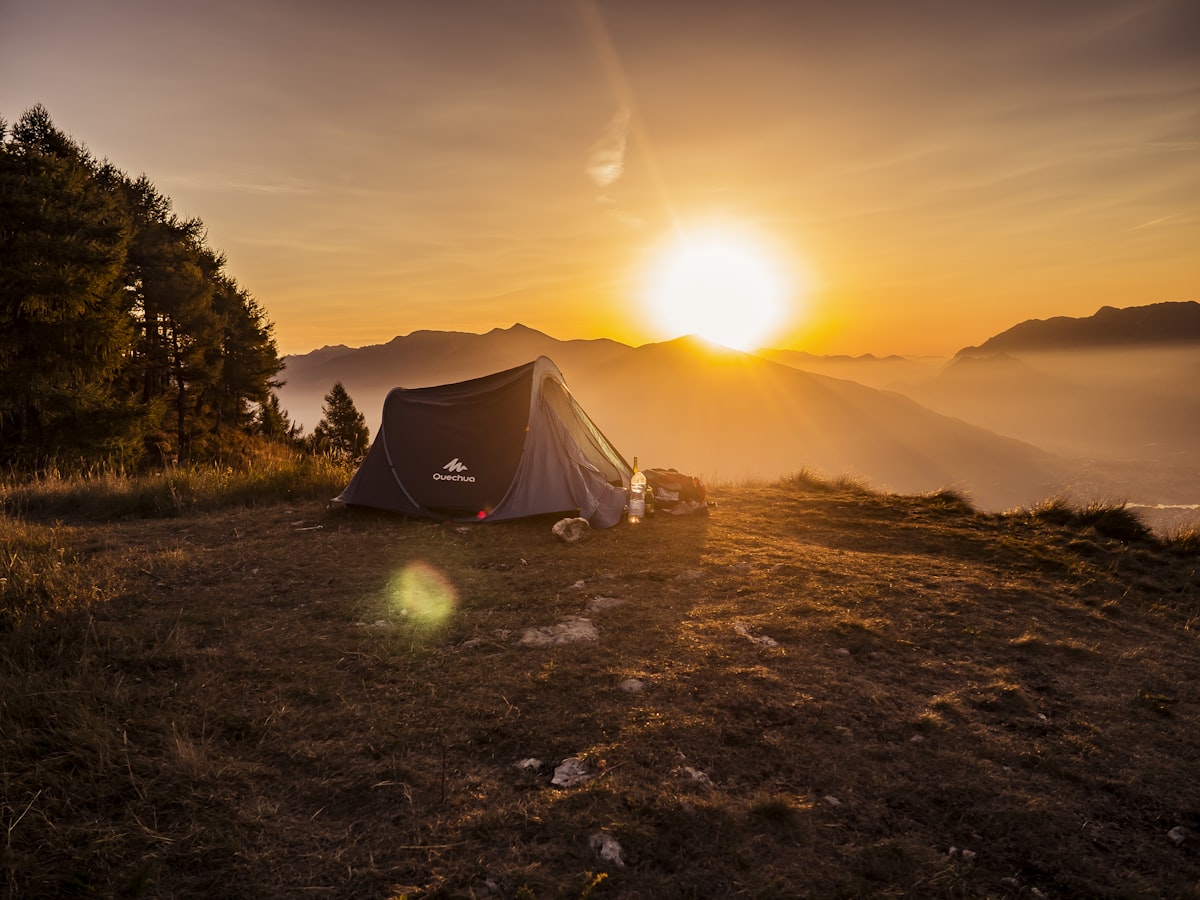
Selecting the right sleeping bag is crucial for a comfortable and restorative night’s sleep in the backcountry. The best hiking sleeping bags strike a balance between warmth, weight, packability, and durability to meet the demands of various environments and seasons. This guide explores top contenders for 2026, offering insights to help you choose the perfect bag for your adventures.
| Category | Product | Temp Rating (Comfort) | Fill Power | Weight (approx.) | Price (approx.) | Source |
|---|---|---|---|---|---|---|
| Best Overall | REI Co-op Magma 15 | 15°F | 850-fill | ~1 lb 7 oz | $269–$319 | 1, 2, 13 |
| Best Premium | Western Mountaineering UltraLite 20 | 20°F | 850+ fill | ~1 lb 13 oz | $480–$590 | 2, 7 |
| Best Ultralight | Therm-a-Rest Hyperion 32F | 32°F | 900-fill | ~12.9 oz | $400–$460 | 1, 12 |
| Best Warm/Expedition | Mountain Hardwear Phantom 0 | 0°F | 850-fill (hydrophobic) | ~2 lbs 10 oz | $480+ | 2, 8, 13 |
| Best Value | Kelty Cosmic Down 20 | 20°F | 650-fill | ~2 lbs 4 oz | $120–$190 | 2, 7, 8 |
| Best for Side Sleepers | Western Mountaineering TerraLite 25 | 25°F | 850-fill | ~1 lb 14 oz | $625 | 2, 6 |
| Best Sustainable | NEMO Disco 15 Endless Promise | 15°F | 800-fill (PFC-free) | ~1 lb 10 oz | $300 | 2, 5, 8 |
| Best Women’s Specific | Feathered Friends Egret UL 20 | 20°F | 900-fill | ~1 lb 4 oz | $659 | 2, 4 |
Understanding Sleeping Bag Ratings and Features
When choosing a sleeping bag, understanding temperature ratings, fill power, and material technologies is essential. Modern sleeping bags are designed with specific conditions and user needs in mind, offering a range of options from ultralight summer bags to expedition-grade winter protection.
Temperature Ratings: EN/ISO Standards and Practical Application
Most reputable sleeping bags manufactured for 2026 adhere to international standards like EN 13537 or ISO 23537 for temperature ratings. These standards provide a more consistent and reliable measure of a bag’s warmth. It’s important to note that the “comfort” rating typically refers to the temperature at which a “standard woman” can sleep comfortably. The “limit” rating is for a “standard man,” and the “extreme” rating indicates survival temperature, not comfort. For safety and comfort, it is generally recommended to select a bag rated 10–15°F lower than the coldest temperature you anticipate encountering on your trip . This buffer ensures you remain warm even if conditions are harsher than expected or if your personal metabolism runs cooler.
Fill Power and Hydrophobic Treatments
The insulating capability of down fill is measured by its “fill power,” which indicates how much loft or volume one ounce of down occupies. Higher fill power means more air trapped, leading to better insulation for a given weight. In 2026, premium sleeping bags commonly feature 850 to 900-fill power down. A significant advancement in down technology is the application of hydrophobic treatments or Durable Water Repellent (DWR) coatings. These treatments, often PFC-free, help the down resist moisture from humidity and light precipitation, maintaining its loft and insulating properties much better than untreated down . While budget-friendly bags might use 650-fill down, it generally offers less warmth for its weight and is more susceptible to moisture.
Bag Shape and Design for Comfort and Warmth
The shape of a sleeping bag significantly impacts its warmth and comfort. Mummy-shaped bags, such as the REI Co-op Magma or Feathered Friends Egret, are designed to minimize dead air space around the body, maximizing warmth-to-weight efficiency. They typically feature a snug fit with a shaped hood to retain heat. In contrast, rectangular or semi-rectangular bags, like the NEMO Disco or Kelty Cosmic Down, offer more freedom of movement and are often preferred by side sleepers. However, these shapes tend to be heavier and less thermally efficient due to the larger volume of air that needs to be heated.

Comparing Top Sleeping Bag Models for 2026
The market offers a diverse range of sleeping bags, each excelling in different areas. Whether you prioritize ultralight performance, expedition-level warmth, or exceptional value, there’s a bag to suit your needs.
REI Co-op Magma 15: The All-Around Performer
The REI Co-op Magma 15 stands out as a top choice for many backpackers. It offers an excellent balance of warmth, weight, and price. With a comfort rating of 15°F and utilizing 850-fill power down, it provides reliable warmth for three-season use. Its approximate weight of 1 lb 7 oz makes it manageable for backpacking, and its price point of $269–$319 positions it as a strong contender in the mid-to-high range . The mummy shape and well-designed hood contribute to its thermal efficiency.
Western Mountaineering UltraLite 20: Premium Craftsmanship
For those seeking the pinnacle of down insulation and craftsmanship, the Western Mountaineering UltraLite 20 is a leading option. This bag boasts 850+ fill power down and a temperature rating of 20°F, making it suitable for cooler conditions. While heavier at approximately 1 lb 13 oz, its premium construction and superior down quality justify its higher price range of $480–$590 . Western Mountaineering is renowned for its durable designs and attention to detail, making this a long-term investment for serious backpackers.
Therm-a-Rest Hyperion 32F: The Ultralight Champion
When every ounce counts, the Therm-a-Rest Hyperion 32F is an exceptional choice. This bag features an impressive 900-fill power down and a comfort rating of 32°F, making it ideal for warmer climates or fast-and-light adventures. Weighing in at just around 12.9 oz, it is one of the lightest options available. Its price ranges from $400–$460, reflecting the high-performance materials and ultralight design . This bag is best suited for summer backpacking or for individuals who sleep warm.
Mountain Hardwear Phantom 0: Expedition-Ready Warmth
For expeditions into extreme cold or winter camping, the Mountain Hardwear Phantom 0 is engineered for ultimate warmth. It features 850-fill power hydrophobic down and a 0°F comfort rating, providing robust protection against sub-zero temperatures. The approximate weight is around 2 lbs 10 oz, which is substantial but necessary for its intended use. With a price point of $480+, this bag is a serious investment for those who venture into harsh winter environments . Its design prioritizes maximum insulation and draft protection.
Kelty Cosmic Down 20: The Best Value Pick
The Kelty Cosmic Down 20 offers an outstanding combination of performance and affordability, making it a top pick for value. It uses 650-fill power down and has a 20°F comfort rating, providing reliable warmth for three-season use. Weighing approximately 2 lbs 4 oz, it’s a bit heavier than premium options but offers excellent performance for its price range of $120–$190 . This bag is an excellent choice for budget-conscious hikers and casual backpackers.
Western Mountaineering TerraLite 25: Ideal for Side Sleepers
The Western Mountaineering TerraLite 25 is designed with comfort for side sleepers in mind. It features 850-fill power down and a 25°F comfort rating. While its weight is around 1 lb 14 oz, the slightly more generous cut compared to traditional mummy bags enhances comfort for those who toss and turn. Priced at $625, it represents a premium option for those prioritizing sleep comfort on multi-day trips .
NEMO Disco 15 Endless Promise: Sustainable Comfort
For the environmentally conscious backpacker, the NEMO Disco 15 Endless Promise offers a sustainable option without compromising on comfort. It uses 800-fill power down with a PFC-free DWR treatment and has a 15°F comfort rating. Weighing approximately 1 lb 10 oz, it provides good warmth for three-season use. Priced around $300, it’s a solid choice for those looking for eco-friendly gear . The bag also incorporates features like a spoon shape for added room.
Feathered Friends Egret UL 20: Women’s Specific Design
The Feathered Friends Egret UL 20 is a high-performance sleeping bag specifically designed for women. It features 900-fill power down and a 20°F comfort rating, offering excellent warmth-to-weight. Weighing approximately 1 lb 4 oz, it is remarkably light. The tailored fit and insulation distribution are optimized for female physiology, making it a premium choice at $659 .

Addressing Discontinued or Fictional Models
It’s important to clarify that some product names mentioned in older discussions, such as “FeatherLite Ascend Pro,” “TrailSeeker Explorer,” and “Arctic Apex Expedition,” do not appear to correspond to current or widely recognized models from major outdoor brands in 2026. These names may be misremembered, represent discontinued lines, or be entirely fictional.
For instance, a description matching the “FeatherLite Ascend Pro” (800-fill, 20°F, ~2.25 lbs) closely aligns with the specifications of the Feathered Friends Swallow UL 20 or Egret UL 20, which are actual, high-quality bags . Similarly, specs for the “TrailSeeker Explorer” (650-fill, 30°F, ~2.6 lbs) are comparable to the Kelty Cosmic Down 20 or REI Co-op Magma 30, representing the value-oriented segment of the market . The “Arctic Apex Expedition” (900-fill, 0°F, ~3.5 lbs) specifications are similar to the Mountain Hardwear Phantom 0 or Therm-a-Rest Questar 0, which are indeed designed for extreme cold conditions . Always verify product names and specifications with current manufacturer information.

Essential Considerations for Sleeping Bag Care and Use
Proper care and understanding of your sleeping bag’s features will extend its lifespan and ensure optimal performance.
Maintaining Down Loft and Water Resistance
Down-filled sleeping bags are prized for their warmth-to-weight ratio and compressibility. To maintain the loft and insulating properties of down, it’s crucial to store the bag uncompressed in a large mesh or cotton sack when not in use. Avoid storing it in its compression sack for extended periods, as this can permanently damage the down’s ability to loft. When washing, use a down-specific cleaner and follow the manufacturer’s instructions carefully, typically involving a front-loading washing machine and low-heat tumble drying with dryer balls to help break up clumps of down .
The Importance of Hydrophobic Treatments
Modern sleeping bags, especially those with down insulation, increasingly feature hydrophobic treatments on both the down fill and the shell fabric. These treatments, often referred to as DWR (Durable Water Repellent), help the bag shed light moisture from condensation or dew, preventing the insulation from becoming saturated. This is critical because wet down loses its loft and insulating power significantly. Look for bags with PFC-free DWR treatments, which are more environmentally friendly .
Packing and Compression Strategies
While down bags are highly compressible, it’s essential to use the right methods to avoid damaging the insulation. Use a dedicated compression sack designed for sleeping bags to reduce volume for transport in your backpack. However, remember to remove the bag from the compression sack as soon as possible upon reaching camp or returning home. For longer-term storage, a large, breathable stuff sack is ideal. This practice ensures the down retains its maximum loft and insulating capacity for future trips .

Frequently Asked Questions
What is the most important factor when choosing a sleeping bag?
The most critical factor is the temperature rating. Always choose a bag rated at least 10–15°F lower than the coldest temperature you expect to encounter to ensure warmth and safety.
How do I know if a sleeping bag’s temperature rating is accurate?
Look for bags that comply with EN 13537 or ISO 23537 standards. These standardized ratings provide a more reliable measure of a bag’s performance compared to unverified marketing claims.
Is down or synthetic insulation better for sleeping bags?
Down offers superior warmth-to-weight ratio and compressibility, making it ideal for backpacking where weight and packability are key. However, it loses insulating ability when wet unless treated with hydrophobic coatings. Synthetic insulation is generally more affordable, retains some warmth when wet, but is heavier and less compressible.
How should I care for my down sleeping bag?
Store your down sleeping bag uncompressed in a large, breathable sack. Wash it only when necessary using a down-specific cleaner and dry it thoroughly on low heat with dryer balls to restore loft. Avoid prolonged storage in a compression sack.
What does “fill power” mean for down insulation?
Fill power (e.g., 650, 800, 900) indicates the loft or volume that one ounce of down occupies. Higher fill power means more trapped air, better insulation for a given weight, and greater compressibility.
What is a hydrophobic treatment on a sleeping bag?
A hydrophobic treatment, often a DWR coating, is applied to down insulation and/or the bag’s shell fabric to make it resistant to water. This helps the bag maintain its loft and warmth even in damp conditions.