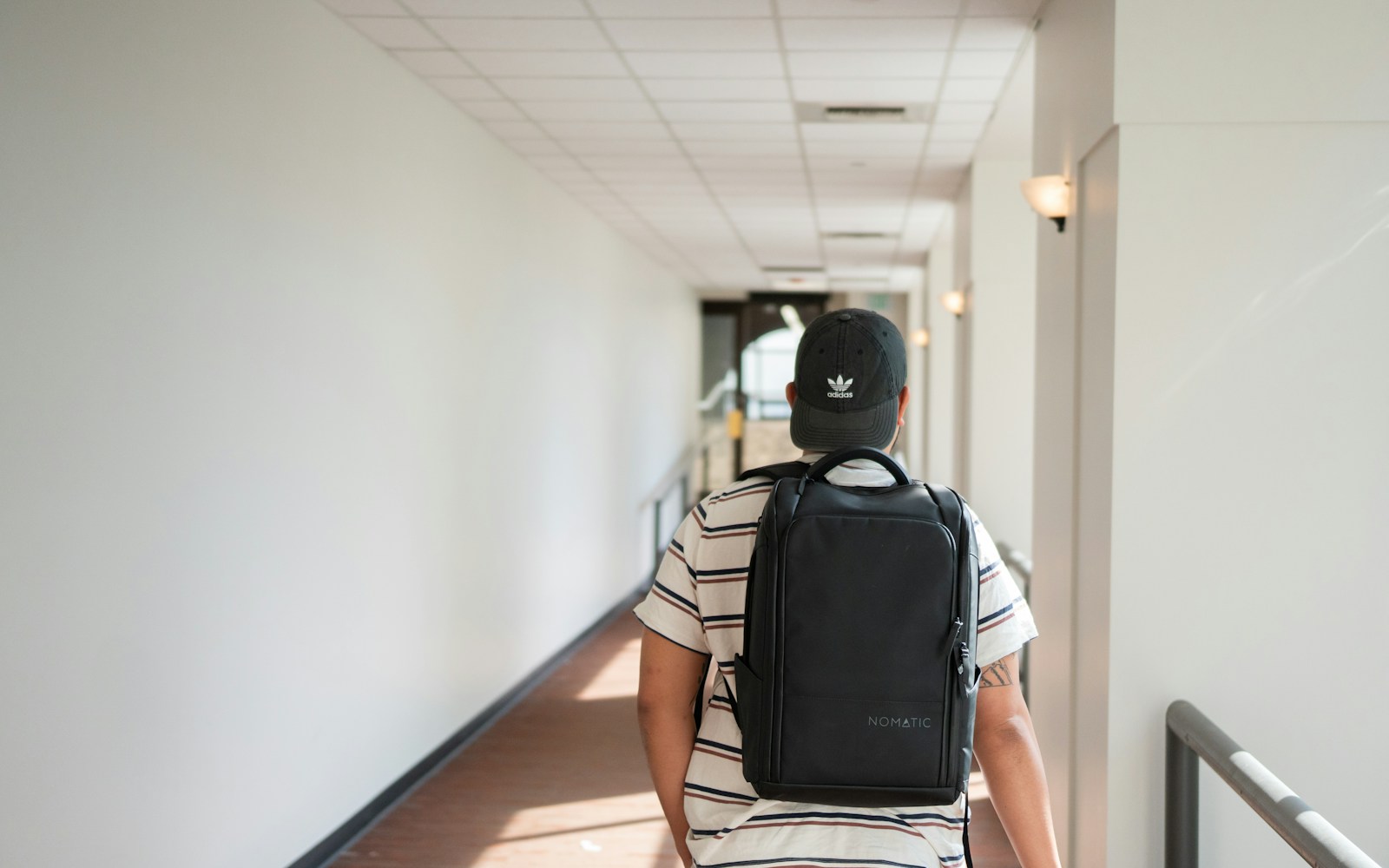
Selecting the right work backpack is crucial for professionals who need to carry their essentials comfortably and efficiently. Whether you’re commuting to an office, working remotely from a coffee shop, or traveling for business, a well-designed backpack can significantly impact your daily routine. This guide explores some of the top contenders, focusing on durability, organization, and comfort, drawing on recent assessments of the market.
| Backpack | Key Feature | Capacity | Material | Best For | Notes |
|---|---|---|---|---|---|
| Bellroy Tokyo Tote Pack Compact | Tote-backpack hybrid design | Varies (check manufacturer) | Durable, often recycled materials | Everyday urban professionals | Clean aesthetic, versatile carrying options. |
| The North Face Router 2025 | Professional organization, durability | 35L (approx.) | Durable synthetic fabrics | Business travel, daily commute | Dedicated laptop sleeve, smart compartments. |
| Patagonia Refugio 28L 2025 | Lightweight, comfortable, versatile | 28L | Recycled polyester | Commuting, general use | Breathable back panel, suitable for various activities. |
| NYT Wirecutter Laptop Backpack (Unnamed) | Recycled materials, vegan leather accents | Varies (check manufacturer) | Recycled plastic bottle fabric, vegan leather | Laptop-focused users | Sturdy construction, eco-conscious materials. |
Choosing a Work Backpack: Key Considerations
The ideal work backpack should seamlessly integrate into your professional life, offering a balance of functionality, comfort, and style. When evaluating options, consider the primary purpose it will serve. Will it primarily carry a laptop and a few documents, or will it need to accommodate gym clothes, lunch, and other personal items alongside work essentials? The capacity, organization, and material of a backpack play significant roles in its suitability for daily use.
Durability is another critical factor. A work backpack is an investment that should withstand the rigors of daily commutes, whether that involves navigating crowded public transport, cycling through varied weather, or simply being placed on various surfaces throughout the day. Look for robust stitching, high-quality zippers, and abrasion-resistant fabrics. Comfort is paramount, especially if you carry your backpack for extended periods. Padded shoulder straps, a well-ventilated back panel, and an adjustable sternum strap can make a significant difference in reducing fatigue.
Material Matters: Durability and Weather Resistance
The materials used in a backpack’s construction directly influence its longevity and ability to protect your belongings. Many reputable brands now utilize durable synthetic fabrics like polyester and nylon, often incorporating recycled content to reduce environmental impact. These materials are chosen for their resistance to abrasion, tearing, and general wear and tear. For instance, the Patagonia Refugio 28L 2025 is noted for its construction from recycled polyester, offering a blend of durability and sustainability.
When it comes to weather resistance, manufacturers employ various strategies. Water-repellent coatings can protect against light rain and splashes, while more robust solutions like TPU coatings and welded seams are necessary for true waterproofness. It’s important to note that terms like “waterproof” should ideally be backed by specific ratings, such as an IPX rating, or clearly described construction methods like sealed seams, rather than relying solely on marketing language. While anecdotal evidence of water protection can be compelling, verified specifications offer a more reliable indicator of performance.

Top Work Backpacks for Professional Use
Several backpacks stand out for their suitability in professional environments, offering a combination of features that cater to the needs of modern workers. These selections are based on recent assessments and highlight specific strengths that make them compelling choices.
Bellroy Tokyo Tote Pack Compact: Versatile Urban Carry
The Bellroy Tokyo Tote Pack Compact offers a unique hybrid design, functioning as both a tote bag and a backpack. This versatility makes it an excellent option for professionals who appreciate adaptable carrying solutions. Its clean, urban aesthetic ensures it fits seamlessly into most professional settings, from casual offices to more formal environments. The design prioritizes everyday usability, making it easy to access essentials while on the go. While specific capacity details can vary, Bellroy is known for optimizing internal space within a compact form factor, often utilizing durable materials, sometimes sourced from recycled content.
The North Face Router 2025: The Business Traveler’s Companion
For those who frequently travel for business or require a highly organized pack for daily commutes, The North Face Router 2025 emerges as a strong contender. This model is recognized for its professional design, which avoids overly technical or casual aesthetics. Its durability is a key selling point, suggesting it can withstand the demands of frequent use. The Router 2025 also excels in organization, featuring a dedicated laptop sleeve designed to protect valuable electronics and multiple compartments to keep various work items neatly arranged. Its approximate 35L capacity provides ample space for clothing, accessories, and tech gear needed for both daily work and short business trips.
Patagonia Refugio 28L 2025: Lightweight Commuting Essential
The Patagonia Refugio 28L 2025 is highlighted for its lightweight construction and comfortable carrying experience, making it an ideal choice for daily commuters. Its 28L capacity strikes a good balance, offering enough room for essentials without becoming overly bulky. A significant feature contributing to its comfort is the breathable back panel, which helps to reduce heat buildup during active commutes. The versatile design of the Refugio line means it can also serve well for weekend outings or light travel, adding to its overall value. The use of recycled polyester in its construction aligns with growing consumer demand for sustainable products.
NYT Wirecutter Laptop Backpack: Eco-Conscious Tech Carry
Recent evaluations have pointed to a laptop backpack, as reviewed by the NYT Wirecutter, that emphasizes sustainability through its material choices. This unnamed model is constructed using fabric derived from recycled plastic bottles, paired with accents of vegan leather. This combination not only appeals to environmentally conscious consumers but also suggests a commitment to durable and modern materials. While specific organizational features and capacity would need to be verified with the manufacturer, the focus on recycled content and vegan leather indicates a thoughtful approach to design for users who prioritize both their technology and their impact on the planet.

Organization and Comfort: Features for Daily Use
Beyond capacity and material, the internal organization and comfort features of a work backpack are critical for daily usability. A well-organized backpack allows for quick access to items like laptops, chargers, notebooks, and pens, saving valuable time and reducing frustration. Look for dedicated padded sleeves for laptops and tablets, multiple zippered pockets for smaller accessories, and perhaps external pockets for items needed frequently.
Comfort is equally important, especially for those who carry their backpacks for extended periods or over long distances. Padded shoulder straps distribute weight evenly across the shoulders, preventing discomfort and strain. A breathable back panel, often featuring mesh or ventilation channels, helps to keep the wearer cool and dry, which is particularly beneficial during warmer months or active commutes. An adjustable sternum strap can further enhance stability and comfort by helping to secure the backpack to the body.

Durability Claims: What to Look For
When manufacturers or reviewers discuss the durability of a backpack, it’s often accompanied by terms like “bombproof” or descriptions of robust materials. While these terms convey a sense of toughness, it’s beneficial to understand what contributes to a backpack’s longevity. High-denier fabrics, such as 500D Cordura, are known for their exceptional abrasion and tear resistance. Strong stitching, reinforced stress points, and high-quality zippers and buckles are also indicators of a well-built pack designed to last.
However, it’s important to approach marketing claims with a critical eye. Terms like “bombproof” are subjective and not based on standardized testing. Similarly, claims about ergonomic design or superior comfort, while potentially true, often lack third-party certification. When evaluating durability, consider the materials, construction quality, and the reputation of the brand for producing long-lasting gear. For specific performance metrics, such as waterproofness, look for official ratings or detailed descriptions of construction methods.

Frequently Asked Questions
What makes a backpack suitable for work?
A work backpack typically features a professional aesthetic, dedicated compartments for electronics like laptops and tablets, and sufficient organization for work-related documents and accessories. Comfort for daily carrying and durability to withstand regular use are also key characteristics.
How important is laptop protection in a work backpack?
Laptop protection is crucial. Most work backpacks include a padded sleeve designed to cushion the device against impacts and prevent scratches. The size of the sleeve should match the dimensions of your laptop.
Are waterproof work backpacks necessary?
Waterproof or highly water-resistant backpacks are beneficial if you frequently commute in wet weather or need to protect sensitive electronics from moisture. Look for features like sealed seams, roll-top closures, or specific waterproof material ratings.
Can a hiking backpack be used for work?
While some hiking backpacks offer excellent comfort and durability, their often technical or rugged aesthetic may not be suitable for all professional environments. However, simpler, more streamlined hiking packs could potentially serve as work backpacks if they meet your organizational and capacity needs.