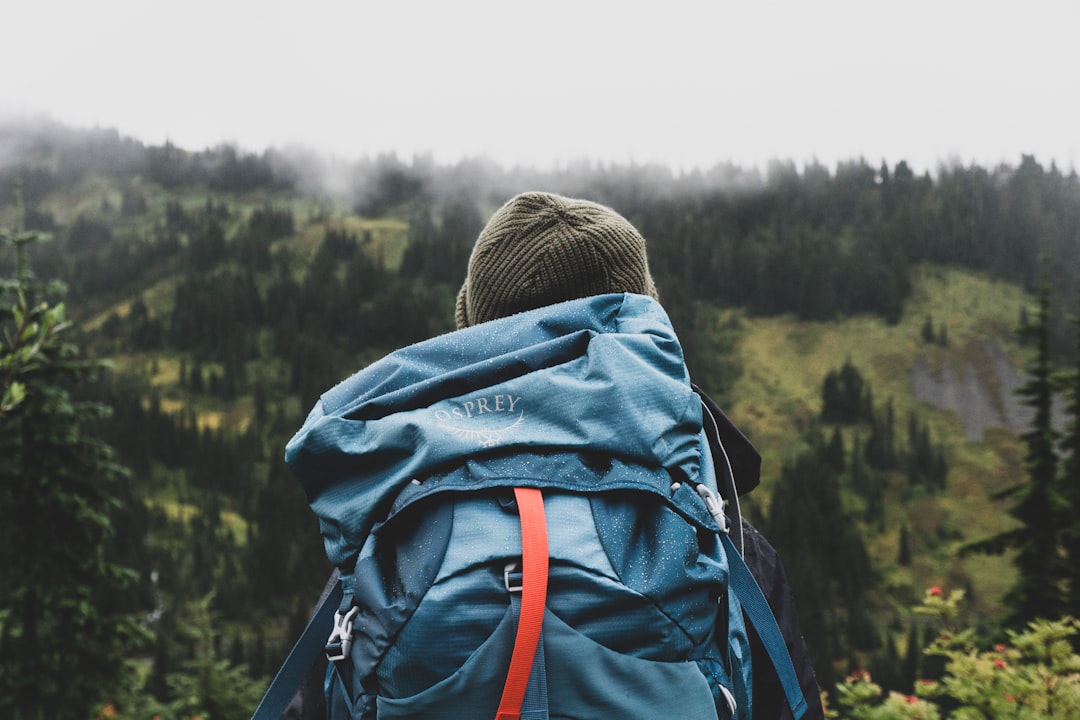
The Hyperlite Mountain Gear Southwest 3400 has long been a benchmark in the ultralight backpacking community. Known for its innovative use of Dyneema Composite Fabric (DCF), this pack offers a compelling combination of low weight, exceptional durability, and waterproof performance. As backpackers continue to push the boundaries of multi-day and thru-hiking, understanding the capabilities and nuances of such specialized gear is crucial. This guide delves into the specifics of the Southwest 3400, examining its construction, features, and suitability for various backcountry pursuits, while also providing context within the broader ultralight backpack market.
| Attribute | Hyperlite Mountain Gear Southwest 3400 (Standard) | Hyperlite Mountain Gear Southwest 3400 (Ultra) | Osprey Exos 48 | ULA Circuit |
|---|---|---|---|---|
| Capacity | 55 L | 55 L | 48 L | 68 L |
| Weight | 31.5 oz (893 g) | 29.5 oz (837 g) | 27.2 oz (771 g) | 34 oz (964 g) |
| Material | Dyneema Composite Fabric (DCF) Ultra 200 | Dyneema Composite Fabric (DCF) Ultra 100 | 100D Ripstop Nylon | Robic Nylon |
| Price | $349 | $399 | $210 | $255 |
| Max Load Capacity | 40 lbs (18 kg) | 40 lbs (18 kg) | 35 lbs (16 kg) | 50 lbs (23 kg) |
| Waterproof | Yes | Yes | No (requires liner) | No (requires liner) |
Hyperlite Mountain Gear Southwest 3400: Construction and Materials
The cornerstone of the Hyperlite Mountain Gear Southwest 3400’s performance is its use of Dyneema Composite Fabric (DCF). This advanced material, also known as Cuben Fiber, is a laminate of Dyneema fibers and polyester films. The standard version of the Southwest 3400 utilizes DCF Ultra 200, while the “Ultra” variant employs the even lighter DCF Ultra 100. Both versions offer exceptional strength-to-weight ratios, making them highly resistant to tears and abrasions while remaining remarkably lightweight. A key benefit of DCF is its inherent waterproofness, meaning the pack itself will not absorb water, a significant advantage in wet conditions.
The fabric’s construction contributes to its durability. DCF is known for its resistance to UV degradation and its ability to withstand harsh environmental conditions. This makes it a preferred material for high-performance outdoor gear where longevity and reliability are paramount. The fully waterproof nature of the DCF means that, in many scenarios, a separate pack liner may not be necessary for keeping contents dry during rain, though seam sealing is still recommended for optimal long-term performance and water resistance.
Weight and Capacity
The Southwest 3400 model offers a substantial 55-liter capacity, making it suitable for extended trips requiring a significant amount of gear. The standard version of the pack weighs in at 31.5 ounces (893 grams). For those seeking to shave off additional weight, the Southwest 3400 Ultra variant, constructed with the lighter DCF Ultra 100 fabric, reduces the weight to 29.5 ounces (837 grams). This difference, while seemingly small, can be significant for ultralight enthusiasts who meticulously manage every ounce.
The pack’s design is a roll-top closure system, which allows for some adjustability in capacity depending on how tightly it is rolled. This system, combined with buckle straps, ensures a secure closure and helps to keep the elements out. Unlike some packs that feature zippered main compartments, the roll-top is a hallmark of many ultralight designs, prioritizing simplicity and weight reduction.

Key Features and Design Elements
Beyond its core material, the Southwest 3400 incorporates several design features aimed at enhancing functionality and user experience. The pack includes a removable foam back panel, which provides structure and comfort, preventing the pack’s contents from pressing directly against the wearer’s back. This feature addresses a common concern with minimalist ultralight packs that might otherwise lack internal support.
External storage is thoughtfully arranged. Two large zippered pockets are integrated into the hip belt, offering convenient access to essentials like snacks, a phone, or a GPS device. A spacious front “shove-it” pocket is ideal for stashing frequently needed items or wet gear, such as a rain jacket or a tent. Additionally, a removable side water bottle pocket provides further storage flexibility.
Load Carrying and Comfort
Hyperlite Mountain Gear recommends a maximum load capacity of 40 pounds (18 kg) for the Southwest 3400. This limit is supported by the pack’s shoulder straps and hip belt, which are designed to distribute weight effectively. Proper fit is crucial for maximizing comfort and load transfer. The hip belt, available in sizes S, M, L, and XL, must be correctly sized to ensure it rests comfortably on the hips, transferring the majority of the pack’s weight away from the shoulders and onto the stronger leg muscles.
While DCF is known for its durability, it’s important to note that the material can produce a crinkling sound during movement, a characteristic that some users find noticeable. However, this is generally considered a trade-off for the material’s exceptional performance and is not indicative of a defect. The pack’s minimalist design, while efficient, does require a degree of organization to pack effectively, ensuring that the load is balanced and comfortable for extended wear.

Durability and Maintenance
The Dyneema Composite Fabric used in the Southwest 3400 is renowned for its exceptional durability and resistance to abrasion. This makes the pack well-suited for rugged terrain and demanding conditions. However, like all gear, proper care can extend its lifespan. Hyperlite Mountain Gear advises against machine washing; instead, cleaning should be done with mild soap and water. Prolonged exposure to direct sunlight should also be avoided, as UV rays can degrade the fabric over time.
While the DCF material is highly resistant to punctures and tears, it’s not indestructible. Users should be mindful of sharp objects or extreme abrasion that could potentially damage the fabric. The manufacturer’s recommended maximum load of 40 pounds is a guideline to prevent undue stress on the pack’s construction, particularly the shoulder straps and back panel, which could lead to failure if consistently exceeded.

Southwest 3400 in Context: Comparison with Other Ultralight Packs
The Hyperlite Mountain Gear Southwest 3400 occupies a premium segment of the ultralight backpack market. Its use of DCF positions it as a high-performance, high-cost option. For comparison, consider other popular ultralight packs:
- Osprey Exos 48: This pack offers a more budget-friendly entry into ultralight backpacking. It utilizes durable ripstop nylon and features Osprey’s well-regarded suspension system for comfort and ventilation. However, it is not inherently waterproof and requires a pack liner for rain protection. Its capacity is also smaller at 48 liters.
- ULA Circuit: A favorite among thru-hikers, the ULA Circuit boasts a larger 68-liter capacity and is constructed from robust Robic nylon. While heavier than the Southwest 3400, it offers excellent durability and a comfortable internal frame, making it suitable for carrying heavier loads over long distances. It also requires a pack liner.
- Gossamer Gear Mariposa 60: This pack strikes a balance between weight and durability, using Robic nylon in key areas. With a 60-liter capacity, it offers ample space and comfortable padding. It is less waterproof than DCF packs and features a roll-top closure.
- Zpacks Arc Haul Ultra: Another DCF pack, the Arc Haul Ultra is exceptionally lightweight and features a contoured aluminum frame for superior comfort. Its 62-liter capacity and waterproof construction make it a high-end option for those prioritizing comfort and low weight, though it comes with a significant price tag.
The choice between these packs often comes down to a trade-off between weight, durability, waterproofness, capacity, and cost. The Southwest 3400 excels in offering a lightweight, fully waterproof, and highly durable solution, albeit at a higher price point.

Understanding Ultralight Backpacks: What to Look For
When selecting an ultralight backpack, several key factors should be considered to ensure it meets your specific needs and hiking style. The primary goal of ultralight gear is to reduce overall pack weight without compromising essential functionality or safety. This often involves choosing lighter materials, simplifying designs, and sometimes accepting trade-offs in features or comfort compared to traditional, heavier packs.
Material Choices
The materials used in backpack construction significantly impact weight, durability, and water resistance. Dyneema Composite Fabric (DCF) is a leading choice for ultralight packs due to its exceptional strength-to-weight ratio and inherent waterproofness. However, it is also the most expensive option. Other common materials include various grades of nylon, such as ripstop nylon and Robic nylon. These materials offer good durability and abrasion resistance at a lower cost but are generally not fully waterproof and can be heavier than DCF.
Capacity and Volume
Backpack capacity, measured in liters, dictates how much gear you can carry. Ultralight packs come in a wide range of volumes, from smaller packs suitable for weekend trips to larger ones designed for extended thru-hikes. Choosing the right capacity involves assessing the length of your typical trips and the bulk of your gear. It’s important to avoid selecting a pack that is excessively large, as this can lead to overpacking and unnecessary weight. Conversely, a pack that is too small will not accommodate your essentials.
Frame and Suspension System
The frame and suspension system are critical for comfort, especially when carrying moderate to heavy loads. Ultralight packs may feature internal frames, external frames, or no frames at all (frameless packs). Frameless packs are the lightest but rely heavily on proper packing and the user’s ability to distribute weight effectively. Internal frames, often made of aluminum or carbon fiber, provide structure and help transfer weight to the hips. Suspension systems include shoulder straps, hip belts, and sternum straps, all of which should be adjustable for a personalized fit.
Features and Organization
Ultralight packs often feature minimalist designs with fewer pockets and compartments compared to traditional backpacks. This simplification helps reduce weight. Common features include a main compartment, external “shove-it” pockets for quick access items, hip belt pockets, and side water bottle pockets. The closure system is typically a roll-top or a simple drawstring, which is lighter than zippers. While fewer features can mean less organization, it also reduces potential failure points and weight.
Safety and Best Practices
Using any backpack, especially an ultralight model, requires attention to safety and proper usage. Understanding the manufacturer’s recommendations for load capacity is crucial. Exceeding the recommended weight can strain the pack’s components, potentially leading to damage or failure, which could compromise your safety in the backcountry.
For packs not made of fully waterproof materials like DCF, using waterproof stuff sacks or a pack liner is essential to protect gear from moisture. Even with waterproof packs, seam sealing can enhance long-term water resistance. Proper fit of the hip belt and shoulder straps is not just about comfort; it’s also about efficient weight distribution, which can prevent fatigue and injury. Always ensure your hip belt is snug and rests on your iliac crest (hip bones) to effectively transfer the load.
Frequently Asked Questions
Is the Hyperlite Mountain Gear Southwest 3400 truly waterproof?
Yes, the Southwest 3400 is constructed from Dyneema Composite Fabric (DCF), which is inherently waterproof. This means the fabric itself will not absorb water, helping to keep your gear dry in wet conditions.
What is the maximum weight I should carry in the Southwest 3400?
Hyperlite Mountain Gear recommends a maximum load capacity of 40 pounds (18 kg) for the Southwest 3400. Exceeding this limit can put undue stress on the pack’s components.
How should I care for my DCF backpack?
To maintain your DCF backpack, avoid machine washing. Clean it with mild soap and water. It’s also advisable to limit prolonged exposure to direct sunlight, as UV rays can degrade the fabric over time.
Is the DCF material noisy?
Dyneema Composite Fabric can produce a crinkling sound during movement. While this is a characteristic of the material, it is subjective and not considered a defect.
What is the difference between the standard Southwest 3400 and the Ultra version?
The primary difference is the type of DCF used. The standard version uses DCF Ultra 200, while the Ultra version uses the lighter DCF Ultra 100 fabric, resulting in a weight saving of approximately 2 ounces for the Ultra model.