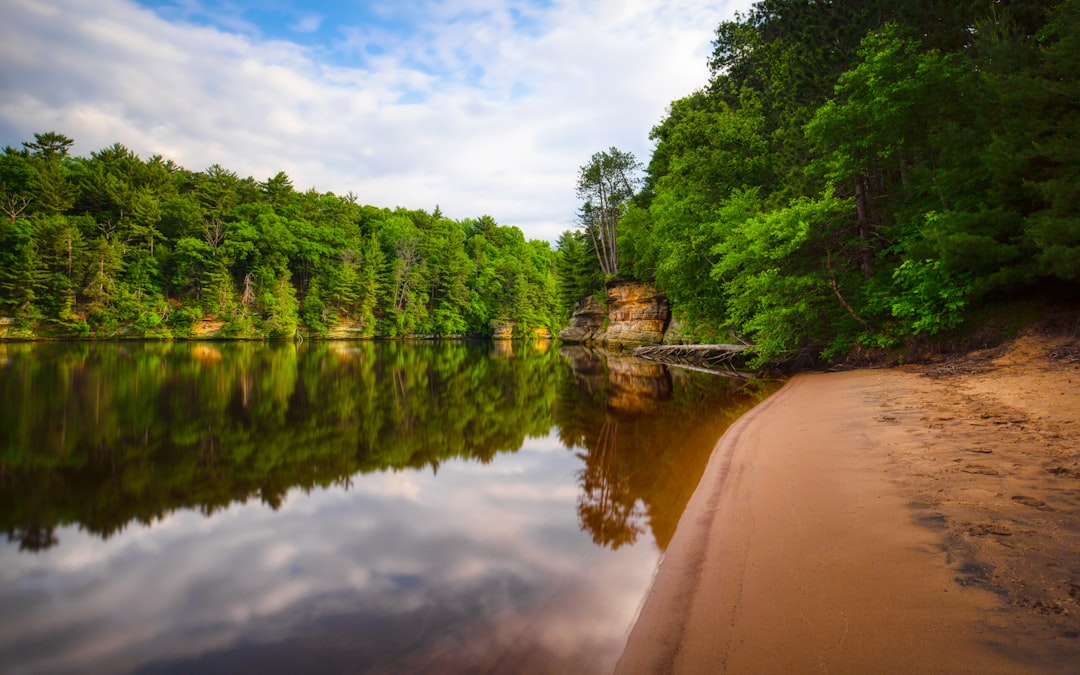
Wisconsin offers a diverse range of hiking experiences, from the dramatic bluffs of Devil’s Lake to the island wonders of the Apostle Islands National Lakeshore. While some trails are well-known, others provide a more secluded adventure. This guide explores some of the premier hiking destinations in Wisconsin, focusing on accessibility, scenery, and the unique natural features each location offers. Whether you’re seeking a family-friendly day hike or a multi-day backpacking trip, Wisconsin’s trails provide ample opportunities to connect with nature.
| Trail | Length (mi) | Elevation Gain | Key Features | Best For | Access Notes | 2026 Considerations |
|---|---|---|---|---|---|---|
| Devil’s Lake State Park | 0.5–5 (multiple trails) | Up to 500 ft (bluff trails) | Quartzite bluffs, lake views, geological formations | Families, day hikers, scenic overlooks | Day-use only; parking fees may apply; can be very crowded on weekends. | Check park website for current conditions, parking availability, and potential event schedules. |
| Apostle Islands National Lakeshore | Varies by island | Minimal–moderate | Sea caves, sandstone cliffs, beaches, historic lighthouses | Scenery enthusiasts, kayakers, boaters, island exploration | Requires ferry or boat access; Stockton, Oak, and Basswood Islands offer extensive trail networks. | Ferry schedules and tour availability are seasonal; book in advance. Sea cave access can be weather-dependent. |
| Northern Highland-American Legion State Forest | 100+ mi (total trail system) | Low–moderate | Lakes, forests, wetlands, diverse wildlife | Backpacking, solitude, nature observation, no-pass hiking | No state trail pass required for hiking; open year-round. | Trail conditions can vary; consult WI DNR for updates. |
| Potawatomi Trail | 100 (loop) | ~1,200 ft (total) | Northwoods scenery, varied terrain | Thru-hikers, experienced backpackers, loop hikers | Point-to-point or loop options; maintained by WI DNR. | Check WI DNR for any trail maintenance or access advisories. |
| Ice Age National Scenic Trail (WI segments) | 1,200 (total in WI) | Varies significantly by segment | Glacial topography, kettle moraines, varied landscapes | Long-distance hikers, segment hikers, geological interest | Numerous access points across Wisconsin; maintained by Ice Age Trail Alliance. | Trail conditions and maintenance vary by segment; consult the Ice Age Trail Alliance for specific area updates. |
Exploring Wisconsin’s Natural Wonders
Wisconsin’s landscape is shaped by its geological past, offering a surprising variety of hiking environments. From the ancient quartzite bluffs that frame Devil’s Lake to the rugged, glacier-carved terrain of the Ice Age National Scenic Trail, the state provides ample opportunities for outdoor exploration. The northern reaches of Wisconsin, including the Apostle Islands National Lakeshore and the vast Northern Highland-American Legion State Forest, showcase the wild beauty of the Northwoods, characterized by pristine lakes, dense forests, and abundant wildlife. These areas are ideal for those seeking a more immersive wilderness experience.
The state’s commitment to preserving its natural heritage is evident in its well-maintained state parks, forests, and national lakeshores. These protected areas offer a range of hiking experiences, from short, accessible nature walks to challenging multi-day backpacking routes. Understanding the unique characteristics of each trail system is key to planning a successful and enjoyable hiking trip in Wisconsin.

Devil’s Lake State Park: A Family Favorite
Devil’s Lake State Park, located in Baraboo, is Wisconsin’s most visited state park, and for good reason. Its centerpiece is the stunning 5-acre Devil’s Lake, nestled between towering 500-foot quartzite bluffs. The park offers a network of trails catering to all skill levels, making it an excellent destination for families and casual hikers.
The park’s most popular trails, such as the East and West Bluff trails, provide breathtaking panoramic views of the lake and the surrounding Baraboo Hills. These trails involve significant elevation gain and can be rugged, featuring rocky terrain and steep inclines. For those seeking a less strenuous experience, shorter, flatter trails like the Balanced Rock Trail offer accessible routes to enjoy the park’s natural beauty. Devil’s Lake State Park is a prime example of Wisconsin’s unique geological history, with its bluffs showcasing millions of years of erosion and uplift.
Navigating Devil’s Lake Crowds and Conditions
Due to its popularity, Devil’s Lake State Park can become extremely crowded, especially on summer weekends and holidays. Visitors planning a trip during peak times should arrive early in the morning or consider visiting on weekdays to avoid the largest crowds. The park’s website provides up-to-date information on parking availability, trail conditions, and any special events or closures that might affect your visit. Proper footwear with good grip is recommended for the bluff trails, and it’s always wise to carry water and snacks, even for shorter hikes.

Apostle Islands National Lakeshore: Island Adventures
The Apostle Islands National Lakeshore, situated in Lake Superior off the Bayfield Peninsula, is an archipelago of 21 islands and a stretch of mainland shoreline. This unique destination offers a hiking experience unlike any other in Wisconsin, characterized by dramatic sandstone cliffs, pristine beaches, and the iconic sea caves that draw visitors from around the globe.
Hiking within the Apostle Islands often involves combining trails with boat or ferry excursions. Stockton, Oak, and Basswood Islands are known for their extensive trail systems, winding through lush forests and along the island shores. These trails provide intimate encounters with the natural beauty of the region, offering opportunities to explore sea caves, discover hidden beaches, and observe the diverse flora and fauna. The relatively gentle terrain on many of the island trails makes them accessible, though the true adventure lies in reaching the islands themselves.
Planning Your Apostle Islands Excursion
Access to the Apostle Islands is primarily via ferry services or private boat. Several ferry operators run scheduled trips to the islands during the warmer months, and booking tickets in advance is highly recommended, especially during peak season. The National Park Service provides detailed information on ferry schedules, island access, and regulations. Weather on Lake Superior can change rapidly, so hikers should be prepared for varying conditions and pack accordingly. Insect repellent is essential during the summer months due to the prevalence of mosquitoes.

Northern Highland-American Legion State Forest: Wilderness Immersion
Spanning over 220,000 acres in northern Wisconsin, the Northern Highland-American Legion State Forest (NH-ALSF) is a vast wilderness area offering more than 100 miles of hiking trails. This expansive forest is a haven for those seeking solitude and a deep connection with nature, featuring a landscape dotted with numerous lakes, dense woodlands, and diverse wetland ecosystems.
The NH-ALSF provides a more rugged and less developed hiking experience compared to many state parks. Trails here range from short nature walks to longer routes that can be combined for multi-day backpacking trips. The forest is home to a rich variety of wildlife, including black bears, deer, and numerous bird species, making it an excellent destination for nature observation. Unlike many state-managed areas, hiking within the NH-ALSF does not require a state trail pass, making it an accessible option for budget-conscious hikers.
Exploring the Northwoods Trails
The trail system within the Northern Highland-American Legion State Forest is designed to immerse visitors in the Northwoods environment. Hikers can expect varied terrain, including rolling hills, sandy paths, and areas that may be marshy, especially after rain. The forest’s remote nature means that self-sufficiency and good navigation skills are important. Consulting the Wisconsin Department of Natural Resources (WI DNR) for the latest trail maps and conditions is advisable before embarking on a hike. The forest is open year-round, offering distinct experiences in each season.

Potawatomi Trail: An Overlooked Gem
The Potawatomi Trail, located in northwestern Wisconsin, is a 100-mile loop that offers a substantial backpacking or long-distance hiking challenge, yet often remains less crowded than more prominent trails. This trail system, maintained by the WI DNR, winds through diverse Northwoods scenery, providing a rewarding experience for those who seek it out.
This trail is well-suited for thru-hikers or those looking to complete a significant loop over several days. The terrain is varied, offering a moderate challenge with approximately 1,200 feet of total elevation gain spread throughout the loop. Its point-to-point or loop nature allows for flexible trip planning, catering to different hiking preferences. The Potawatomi Trail represents a significant undertaking for hikers looking for an extended adventure within Wisconsin’s forests.
Planning for the Potawatomi Trail
As a less-trafficked trail, hikers should be prepared for a more primitive experience. Information on trail conditions, access points, and any potential advisories can typically be found on the WI DNR’s official website. Proper planning, including carrying sufficient supplies, navigation tools, and understanding the trail’s layout, is crucial for a successful trek on the Potawatomi Trail.
Ice Age National Scenic Trail: A Journey Through Glacial History
The Ice Age National Scenic Trail is a monumental 1,200-mile footpath that traces the path of the last continental glacier across Wisconsin. This National Scenic Trail offers an unparalleled opportunity to explore the unique geological features left behind by the retreating ice sheets, including kettle moraines, eskers, and outwash plains.
While the entire trail is extensive, it is comprised of numerous segments that can be hiked individually or linked together for longer journeys. These segments vary greatly in length and difficulty, offering options for day hikers, weekend backpackers, and long-distance trekkers. The Ice Age Trail Alliance is dedicated to maintaining and promoting the trail, working with volunteers to ensure its preservation and accessibility.
Experiencing the Ice Age Trail
With 1,200 miles of trail spread across Wisconsin, hikers can choose segments that best suit their interests and fitness levels. Popular sections often highlight the most dramatic glacial features. Information on specific segments, including trail maps, conditions, and volunteer-led maintenance updates, is available through the Ice Age Trail Alliance. This trail provides a unique educational and recreational experience, connecting hikers with the profound geological forces that shaped the Wisconsin landscape.
Frequently Asked Questions
What is the most popular hiking trail in Wisconsin?
Devil’s Lake State Park is generally considered the most popular hiking destination in Wisconsin due to its accessibility, stunning scenery, and variety of trails suitable for families and casual hikers. However, its popularity also means it can be very crowded, especially on weekends.
Are there any long-distance backpacking trails in Wisconsin?
Yes, Wisconsin offers several options for long-distance backpacking. The 100-mile Potawatomi Trail provides a challenging loop, and segments of the 1,200-mile Ice Age National Scenic Trail are popular for thru-hiking and multi-day trips. The Northern Highland-American Legion State Forest also has extensive trail networks suitable for backpacking.
Do I need a pass to hike in Wisconsin state forests?
For hiking only, a state trail pass is generally not required in Wisconsin state forests like the Northern Highland-American Legion State Forest. However, fees may apply for other activities such as camping or parking in certain areas. It’s always best to check the specific regulations for the forest you plan to visit.
What are the best times of year to hike in Wisconsin?
The best times for hiking in Wisconsin are typically late spring, summer, and fall. Spring can offer lush greenery but may also bring muddy conditions and insects. Summer is ideal for exploring the Apostle Islands, though it can be hot and humid with mosquitoes. Fall is renowned for its spectacular foliage, making trails like Devil’s Lake and the Ice Age Trail particularly scenic.
Are there any trails in Wisconsin that require boat access?
Yes, the Apostle Islands National Lakeshore is the primary example. To access the hiking trails on most of the islands, you will need to take a ferry or a private boat. This adds an adventurous element to exploring the unique island ecosystems and sea caves.