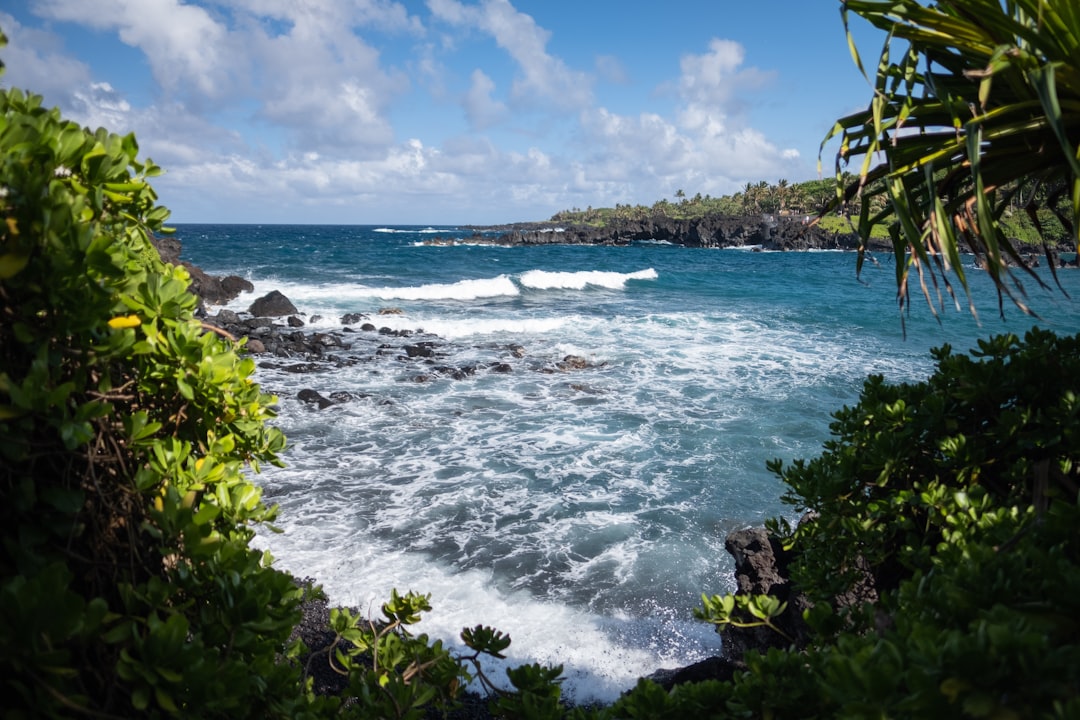
Maui, known as the “Valley Isle,” offers more than just stunning beaches; its diverse topography presents some of Hawaii’s most captivating hiking experiences. From the otherworldly volcanic landscapes of Haleakalā to the lush rainforests and dramatic coastlines, the island caters to adventurers of all levels. However, recent weather events and ongoing repairs have significantly impacted access to some of Maui’s most celebrated trails, particularly within Haleakalā National Park. This guide provides an updated look at the best hiking trails for 2026, emphasizing current access, safety, and essential planning information.
| Trail Name | Current Status (2026) | Location | Difficulty | Length (Roundtrip) | Est. Time | Elevation Gain | Key Notes |
|---|---|---|---|---|---|---|---|
| Pipiwai Trail / Waimoku Falls | ✅ Open (Kīpahulu District) | Haleakalā NP (Kīpahulu) | Moderate | 4 mi (6.4 km) | 2–3 hrs | ~800 ft (244 m) | Bamboo forest, 400-ft waterfall; day-use only Mon–Fri, 9 am–5 pm |
| Sliding Sands Trail (Keoneheʻeheʻe) | ⚠️ Partially Open (Summit District) | Haleakalā NP (Summit) | Strenuous | Up to 11 mi (17.7 km) | 4–8 hrs | ~2,500 ft (762 m) | First 2.5 mi open Fri–Sun only, 7 am–3 pm; steep, rocky, no shade |
| Waihee Ridge Trail | ✅ Open (Public Land) | Waihee Valley | Moderate–Strenuous | 4 mi (6.4 km) | 3–4 hrs | ~1,500 ft (457 m) | Panoramic coastal/valley views; not in NP; check local conditions |
| Kapalua Coastal Trail | ✅ Open | Kapalua | Easy | 3.5 mi (5.6 km) loop | 1.5–2 hrs | ~100 ft (30 m) | Oceanfront, lava fields, beaches; public access |
| Haleakalā Ridge Trail | ✅ Open | Polipoli Spring State Rec Area | Moderate | 1.6 mi | ~1 hr | 850 ft | Mountain forest, elevated climbs; part of 3.5-mi loop |
Navigating Haleakalā National Park in 2026
Haleakalā National Park, a crown jewel of Maui’s natural wonders, has experienced significant disruptions in early 2026 due to severe storm damage and subsequent road repairs. As of March 2026, the park’s access remains conditional, with partial reopenings implemented. It is crucial for all visitors to verify the most current status directly with the National Park Service (NPS) before planning any visit.
Summit District Access
The Summit District, home to the iconic Sliding Sands Trail, faced prolonged closures. While some access was restored by June 2026, it is not a full reopening. Currently, the first 2.5 miles of the Sliding Sands Trail are accessible only on Fridays, Saturdays, and Sundays between 7 am and 3 pm. This limited schedule is a direct result of ongoing road repairs and storm damage mitigation efforts. The NPS has indicated that this phased reopening is subject to change based on repair progress and safety assessments. Hikers planning to visit this area must check the official Haleakalā National Park website or contact the park directly for the latest updates on trail and road conditions.
Kīpahulu District and Pipiwai Trail
The Kīpahulu District, which features the popular Pipiwai Trail leading to Waimoku Falls, has seen more consistent access but with specific operational hours. As of March 2026, this district is open for day-use activities only between 9 am and 5 pm, Monday through Friday. Weekend access to the Kīpahulu District may be restricted or unavailable due to ongoing recovery efforts from storm damage that impacted the area earlier in the year. Visitors should confirm the operating days and hours for the Kīpahulu District before their trip.
Sunrise Reservations and Entrance Fees
Access to Haleakalā for sunrise viewing, a highly sought-after experience, requires advance reservations. These reservations can be made through Recreation.gov and are typically available up to 7 days in advance for sunrise viewing slots (3 am to 7 am) and up to 60 days in advance for general park entry. While the standard park entrance fee is $30 per vehicle, reports from June 2026 indicate that this fee was temporarily waived during the initial reopening phases. It is advisable to check the official park website for the most current information regarding entrance fees and reservation requirements.

Exploring Maui’s Other Premier Hiking Trails
Beyond the boundaries of Haleakalā National Park, Maui offers a variety of other exceptional hiking opportunities that remain accessible and showcase the island’s diverse ecosystems.
Waihee Ridge Trail
The Waihee Ridge Trail, located in the Waihee Valley on Maui’s north shore, provides a challenging yet rewarding hike with spectacular panoramic views. This trail is situated on public land and is not part of Haleakalā National Park, meaning its access is generally more stable. The 4-mile roundtrip hike gains approximately 1,500 feet in elevation, leading hikers through lush vegetation to ridge crests offering sweeping vistas of the coastline and the verdant valley below. Due to its popularity and the nature of the terrain, hikers should be prepared for potentially muddy and slippery conditions, especially after rain. Checking local conditions and forecasts is recommended before embarking on this hike.
Kapalua Coastal Trail
For an easier, oceanfront experience, the Kapalua Coastal Trail is an excellent choice. This relatively flat 3.5-mile loop trail winds through coastal lava fields, past golden beaches, and offers stunning views of the Pacific Ocean. It is an ideal option for families or those seeking a less strenuous walk with beautiful scenery. The trail is well-maintained and provides easy access to various points of interest along the Kapalua coastline. Its accessibility makes it a consistent favorite for visitors and locals alike.
Haleakalā Ridge Trail
Located within the Polipoli Spring State Recreation Area, the Haleakalā Ridge Trail offers a different perspective of Maui’s volcanic slopes, focusing on montane forests rather than the stark crater landscape. This moderate trail is approximately 1.6 miles long and features an elevation gain of about 850 feet, making for a good workout with rewarding views. It can be incorporated into a longer 3.5-mile loop, providing a more immersive experience in the unique high-elevation forest ecosystem. Hikers should be aware that weather conditions at this elevation can change rapidly, and appropriate gear for cooler temperatures and potential rain is advised.

Essential Safety and Preparation for Maui Hikes
Hiking in Maui, especially at higher elevations or in varied weather conditions, requires careful preparation to ensure a safe and enjoyable experience. The island’s natural beauty is matched by its potential hazards, which hikers must respect.
High Elevation Acclimatization
Haleakalā’s summit stands at over 10,000 feet, meaning the air is significantly thinner than at sea level. Visitors planning to hike in the Summit District, such as on the Sliding Sands Trail, should be aware of the effects of altitude sickness. Symptoms can include headaches, nausea, and shortness of breath. It is recommended to spend time at lower elevations before attempting strenuous hikes at high altitudes and to stay well-hydrated. Taking breaks and monitoring your body’s response to the elevation is crucial.
Weather and Trail Conditions
Maui’s weather can be unpredictable, with rain showers common in rainforest areas like the Kīpahulu District and rapidly changing conditions at Haleakalā’s summit. Trails can become muddy and slippery, particularly after rainfall. Waterproof hiking boots with good traction are highly recommended for trails like Pipiwai. The Sliding Sands Trail, conversely, offers no shade and can be intensely hot and exposed to strong winds, requiring ample sun protection, including hats, sunglasses, and high-SPF sunscreen. Always check the weather forecast before heading out and be prepared to adjust your plans if conditions become unsafe.
Trail-Specific Considerations
The Sliding Sands Trail is known for its steep, rocky, and uneven terrain, demanding careful footing. The lack of shade means sun exposure is a significant factor, and the fine volcanic gravel can make descents challenging and ascents strenuous. The Pipiwai Trail, while featuring well-maintained boardwalks and bridges, can still present slippery sections, especially on handrails due to moisture and algae, and mud after rain. Hikers should always stay on marked trails to protect the fragile environment and ensure their own safety.

Planning Your 2026 Maui Hiking Adventure
Successful hiking in Maui in 2026 hinges on accurate information and proactive planning. Given the dynamic access situation at Haleakalā National Park, verifying current conditions is paramount.
Checking Before You Go
The most critical step before visiting Haleakalā National Park is to check the official NPS website for the most up-to-date information on closures, access restrictions, and operating hours for both the Summit and Kīpahulu Districts. For trails outside the park, such as the Waihee Ridge Trail, consulting local resources or park authorities for any advisories is also prudent. Relying on outdated information can lead to disappointment or unsafe situations.
Essential Gear and Supplies
Regardless of the trail, carrying sufficient water is non-negotiable, especially on exposed trails like Sliding Sands. Sun protection, including sunscreen, hats, and sunglasses, is vital. For trails prone to wet conditions, waterproof footwear and rain gear are essential. At higher elevations, layers of clothing are recommended to adapt to temperature fluctuations. A basic first-aid kit, navigation tools (even for well-marked trails), and a fully charged mobile phone are also advisable.
Understanding Trail Etiquette
Respecting the natural environment and other hikers is part of the outdoor experience. Stay on marked trails, pack out everything you pack in, and yield to uphill hikers when appropriate. In sensitive areas, minimize noise and avoid disturbing wildlife. Following these guidelines ensures that Maui’s natural beauty can be preserved for future generations and that all visitors can enjoy their time on the trails.

Frequently Asked Questions
What is the current status of Haleakalā National Park in 2026?
As of March 2026, Haleakalā National Park is undergoing partial reopenings due to storm damage and road repairs. The Summit District has limited access (first 2.5 miles of Sliding Sands Trail) on weekends only, while the Kīpahulu District is open for day-use Monday-Friday. Visitors must verify current status with the NPS before visiting.
Do I need a reservation to hike in Haleakalā National Park?
Reservations are required for sunrise viewing in the Summit District, bookable via Recreation.gov. While general park entry fees were reportedly waived in June 2026 during reopening phases, it’s best to confirm current fee and reservation requirements on the official park website.
Which trails are most affected by closures in 2026?
The Sliding Sands Trail in the Summit District of Haleakalā National Park is significantly affected, with only a portion open on limited days. The Kīpahulu District also experienced closures earlier in 2026, impacting access to the Pipiwai Trail, though it has since reopened with restricted hours.
What are the essential safety precautions for hiking in Maui?
Key precautions include acclimatizing to high elevations in Haleakalā, being prepared for slippery conditions on rainforest trails, and protecting yourself from intense sun and wind exposure on volcanic slopes. Always check weather forecasts and trail conditions before hiking.
Are there accessible hiking options in Maui besides Haleakalā?
Yes, trails like the Kapalua Coastal Trail offer easy, oceanfront walks, while the Waihee Ridge Trail provides moderate to strenuous options with stunning valley and coastal views. These trails are generally accessible outside of national park restrictions.