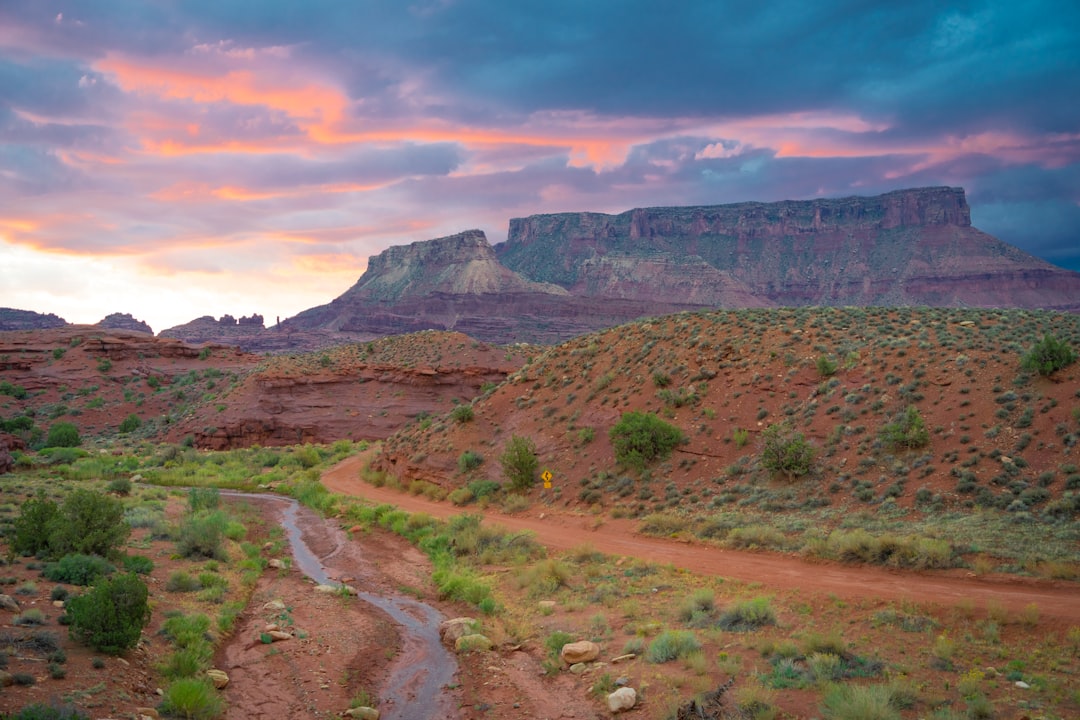
Utah, a state renowned for its dramatic landscapes and diverse geological formations, offers some of the most spectacular hiking opportunities in the United States. From the towering sandstone cliffs of Zion National Park to the unique hoodoos of Bryce Canyon and the vast wilderness of the Uinta Mountains, there’s a trail for every level of adventurer. As we look toward 2026, planning your next hiking expedition in Utah means understanding trail specifics, permit requirements, and seasonal considerations. This guide highlights some of the best trails, drawing on current information to help you prepare for an unforgettable journey through Utah’s natural wonders.
| Trail | Location | Difficulty | Length (RT) | Elevation Gain | Permit Required | Key 2026 Update/Notes |
|---|---|---|---|---|---|---|
| Angels Landing | Zion NP | Strenuous | 5.4 mi | 1,488 ft | Yes (lottery) | Permit via lottery still required; chains bolted to rock for safety |
| The Narrows (bottom-up) | Zion NP | Moderate–Strenuous | ~16 mi (varies) | Varies | No (day hike) | Top-down/overnight requires permit; water often waist-deep, neoprene socks recommended |
| Canyon Overlook | Zion NP | Moderate | ~3 mi | ~400 ft | No | Steady slickrock climb, ends at sandstone bowl framing arch |
| Fairyland Loop | Bryce Canyon NP | Moderate–Strenuous | 8 mi loop | 1,900 ft | No | Open May 2026; best in spring/fall; wildflowers + hoodoo views |
| Navajo Loop | Bryce Canyon NP | Moderate | 1.3 mi loop | 550 ft | No | Wall Street section may close if icy; connects to Queen’s Garden |
| Queen’s Garden | Bryce Canyon NP | Easy | 1.8 mi | Minimal | No | Family-friendly; close-up hoodoo views; connects to Navajo Loop |
| Delicate Arch | Arches NP | Moderate | 3 mi RT | 480 ft | No | Iconic arch; beginner-friendly with caution |
| Lake Blanche | Uinta Mtns | Moderate | 6.6 mi RT | 2,750 ft | No | Alpine lakes + mountain scenery; full-day outing recommended |
| Timpooneke | Uinta Mtns | Strenuous | 14–15 mi RT | Thousands of ft | No | Summit ridge + mountain goat sightings; remote, pack extra water |
| Jenny’s Canyon | Snow Canyon SP | Easy | 0.5 mi | Minimal | No | Children’s trail to short slot canyon; register at visitor center |
| Little Wild Horse Canyon | San Rafael Swell | Moderate | 8 mi RT | Varies | No | Combine with Bell Canyon for 8-mi epic; popular slot canyon |
| Peek-a-boo + Spooky | Grand Staircase–Escalante | Moderate | 3.5 mi loop | Varies | No | World-class slot canyon loop; nearby Coyote Gulch |
Zion National Park: Iconic Adventures
Zion National Park is a hiker’s paradise, famous for its towering sandstone cliffs, narrow canyons, and the Virgin River that carved them. The park offers a range of trails, from easy strolls to adrenaline-pumping climbs. Planning is essential, especially for the park’s most popular routes, to ensure a safe and enjoyable experience.
Angels Landing: A Permit-Controlled Challenge
The Angels Landing trail is one of Zion’s most famous and challenging hikes. This strenuous 5.4-mile roundtrip trek gains 1,488 feet in elevation and is renowned for its final half-mile ascent along a narrow spine. Here, hikers use chains bolted into the rock for support while navigating sheer drop-offs on either side. Due to its extreme popularity and the inherent safety risks, a permit has been required via a lottery system since 2022, a requirement that remains in effect for 2026. This lottery system is designed to manage crowds and enhance safety on this iconic trail.
The Narrows: Wading Through a Slot Canyon
The Narrows offers a unique slot canyon experience, where hikers wade through the Virgin River as it flows between towering sandstone walls. The bottom-up day hike from the Temple of Sinawava does not require a permit and is a popular option for many visitors. However, longer top-down or overnight trips into The Narrows do require a permit. Water levels can vary significantly, often reaching waist-deep or more, and the riverbed is notoriously slippery with algae-covered rocks. It is crucial to check the weather forecast and park alerts for flash flood potential before entering, as conditions can change rapidly, even on sunny days. Renting appropriate gear, such as neoprene socks, water boots, and a walking stick, is highly recommended for navigating the river safely and comfortably.
Canyon Overlook Trail: Accessible Views
For a less strenuous but equally rewarding experience, the Canyon Overlook trail provides stunning views. This moderate 3-mile roundtrip hike features a steady climb over slickrock, culminating in a sandstone bowl that frames a magnificent arch and offers panoramic vistas of Zion Canyon. It’s a great option for those seeking impressive scenery without the extreme exposure or permit requirements of Angels Landing.

Bryce Canyon National Park: Hoodoo Wonderland
Bryce Canyon is celebrated for its unique geological formations known as hoodoos, which create an otherworldly landscape. The park offers several trails that allow visitors to immerse themselves in this surreal environment.
Fairyland Loop: Springtime Splendor
The Fairyland Loop is an 8-mile moderate to strenuous trail that offers spectacular views of Bryce Canyon’s hoodoos. This loop is scheduled to be fully open in May 2026 and is particularly beautiful in the spring and fall. Hikers can expect to see vibrant wildflowers and enjoy close-up perspectives of the park’s iconic formations.
Navajo and Queen’s Garden Trails: Exploring the Amphitheater
The Navajo Loop and Queen’s Garden trails are two of the most popular hikes within Bryce Canyon, often combined to create a moderate loop of varying lengths. The Navajo Loop, at 1.3 miles, is known for its steep descent through Wall Street, which may close if icy. The Queen’s Garden trail is a slightly longer, 1.8-mile option that is more family-friendly and offers intimate views of hoodoos. Together, they provide an excellent way to experience the amphitheater’s unique geology. Visitors should be aware of potential trail closures, especially in the Navajo Loop’s Wall Street section during colder months.

Uinta Mountains: High Alpine Serenity
The Uinta Mountains, Utah’s highest mountain range, offer a different kind of hiking experience, characterized by alpine lakes, rugged peaks, and a sense of remote wilderness.
Lake Blanche Trail: Alpine Beauty
The Lake Blanche Trail is a moderate 6.6-mile roundtrip hike that ascends into the Uinta Mountains, leading to a series of stunning alpine lakes, including the namesake Lake Blanche, as well as Blanche Lake and Florence Lake. The trail gains approximately 2,750 feet in elevation and is a popular choice for a full-day outing, offering breathtaking mountain scenery and the chance to explore high-altitude environments. The final approach to the lakes involves some boulder scrambling, adding a touch of adventure to the hike.
Timpooneke Trail: A Strenuous Summit Push
For those seeking a more strenuous challenge, the Timpooneke Trail offers a demanding trek into the High Uintas Wilderness. This trail can extend to 14–15 miles roundtrip, with thousands of feet of elevation gain, leading to summit ridges and opportunities for mountain goat sightings. Due to its remote nature, hikers should be well-prepared with ample water and supplies. This trail is ideal for experienced hikers looking for solitude and a significant physical challenge in a high-alpine setting.

Slot Canyons of Southern Utah: Unique Geological Wonders
Southern Utah is world-famous for its intricate slot canyons, narrow passages carved by water over millennia. These canyons offer some of the most unique and visually stunning hiking experiences in the state.
Little Wild Horse Canyon: A Slot Canyon Classic
Located in the San Rafael Swell, Little Wild Horse Canyon is a popular moderate hike, often combined with the adjacent Bell Canyon for an 8-mile loop. This slot canyon is known for its smooth, sculpted walls and narrow passages, providing an adventurous and visually captivating experience. It’s a great destination for those looking to explore the unique geology of Utah’s desert landscapes.
Peek-a-boo and Spooky Gulches: An Adventurous Loop
In the Grand Staircase–Escalante National Monument, the Peek-a-boo and Spooky Gulches loop offers a thrilling 3.5-mile adventure through some of the most impressive slot canyons in the region. This moderate hike involves navigating tight squeezes, short climbs, and stunningly sculpted sandstone walls. It’s a highly recommended experience for slot canyon enthusiasts, with nearby Coyote Gulch offering another excellent option for exploration.

Snow Canyon State Park: Desert Oasis
Snow Canyon State Park, located near St. George, offers a more accessible desert hiking experience with unique geological features, including sand dunes and slot canyons.
Jenny’s Canyon: A Family-Friendly Slot
Jenny’s Canyon is an easy, short 0.5-mile trail perfect for families and those seeking a quick introduction to slot canyons. This trail leads to a beautiful, narrow canyon with towering walls. To access Jenny’s Canyon, visitors are required to register at the Snow Canyon State Park Visitor Center, a detail important for planning your visit. The park also offers other trails detailed on their 2026 Trail Guide Map Brochure.
Safety and Preparation for Utah Hikes
Regardless of the trail chosen, proper preparation is key to a safe and enjoyable hiking experience in Utah. Understanding the specific requirements and potential hazards for each area is crucial.
Permits and Regulations
As seen with Angels Landing, permit systems are becoming increasingly common for popular trails to manage visitor numbers and ensure safety. Always check the official park or land management websites for the most current permit information and application procedures well in advance of your trip. For Bryce Canyon National Park, be aware of the entrance fees, which are $35 per vehicle for a 7-day pass, $20 per person, or $80 for an annual pass, though these are subject to change and should be verified on their official site.
Weather and Environmental Awareness
Utah’s diverse climate means weather can change rapidly, especially in mountainous or canyon environments. Flash floods are a significant concern in slot canyons like The Narrows, and hikers must always check the forecast and heed park warnings. In higher elevations, be prepared for cooler temperatures, even in summer, and rapidly changing conditions. Always carry the Ten Essentials, including navigation tools, sun protection, extra water, and layers of clothing.
Gear Recommendations
Specific trails may require specialized gear. For The Narrows, water shoes, neoprene socks, and a walking stick are essential for navigating the riverbed safely. For longer or more strenuous hikes, sturdy hiking boots, trekking poles, and adequate hydration are vital. Always pack more water than you think you’ll need, especially in the desert environments where dehydration can be a serious risk.
Frequently Asked Questions
What are the best times of year to hike in Utah?
The best time to hike in Utah varies by region. Spring (April-May) and fall (September-October) generally offer the most pleasant temperatures for most of the state, avoiding the extreme heat of summer and the cold of winter. However, higher elevations like the Uinta Mountains are best hiked in summer (June-August) due to snowpack. Slot canyons can be hiked year-round, but flash flood risks are higher during monsoon season (late summer).
Do I need a permit for most Utah hikes?
Permits are not required for most Utah hikes, but they are becoming increasingly common for highly popular or sensitive trails, such as Angels Landing in Zion National Park. Always check the specific requirements for the trail and park you plan to visit.
What should I pack for a day hike in Utah?
For a day hike, essential items include plenty of water, high-energy snacks, sunscreen, a hat, sunglasses, a first-aid kit, a map and compass or GPS device, a headlamp, and layers of clothing suitable for changing weather conditions. Sturdy hiking footwear is also crucial.
Are there any specific safety concerns for hiking in Utah?
Key safety concerns include dehydration, heat exhaustion, flash floods (especially in slot canyons), steep drop-offs, wildlife encounters, and rapidly changing weather. Always inform someone of your hiking plans, stay on marked trails, and be aware of your surroundings.
What are the entrance fees for Utah’s National Parks in 2026?
National Park entrance fees are subject to change. For Bryce Canyon National Park, expect fees around $35 per vehicle for a 7-day pass, $20 per person, or $80 for an annual pass as of 2026. It is recommended to verify current fees on the official National Park Service website for each park before your visit.