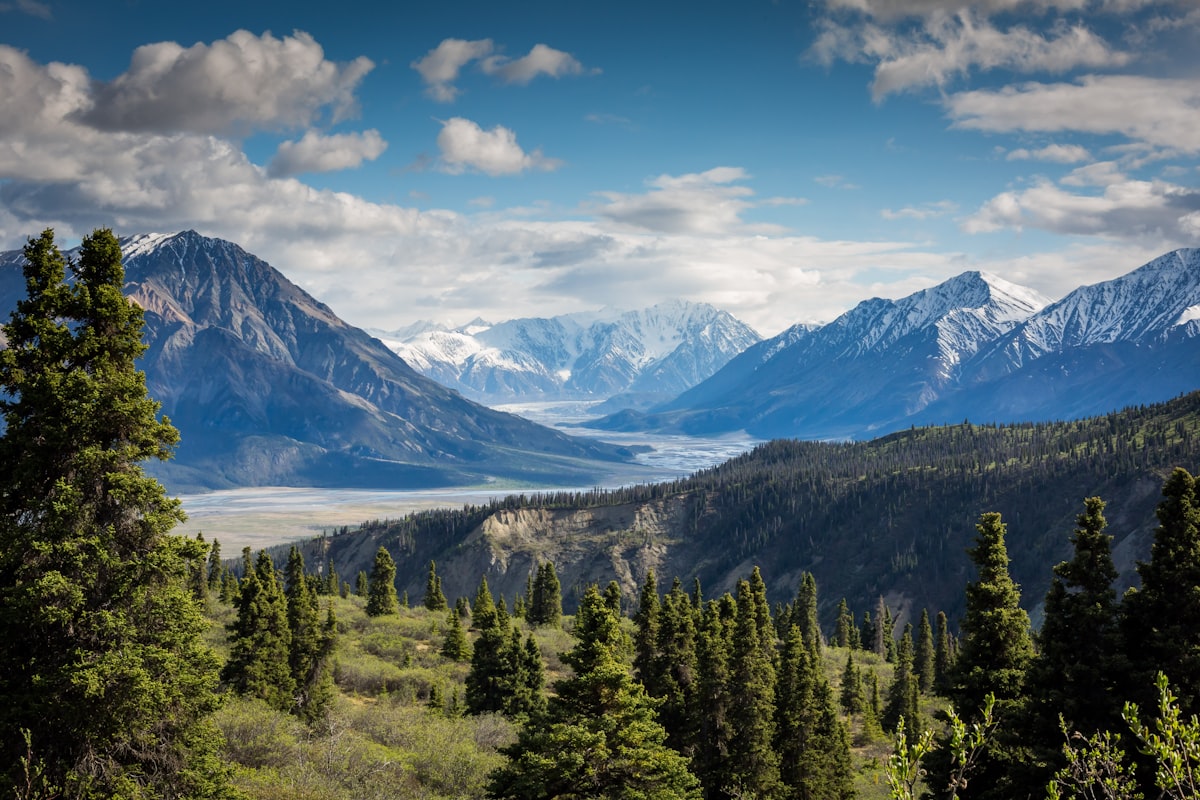
Colorado, a state synonymous with majestic peaks and breathtaking landscapes, offers an unparalleled hiking experience. From the rugged alpine zones of Rocky Mountain National Park to the dramatic red rock formations of the southwestern deserts, the Centennial State boasts a trail for every adventurer. As we look towards 2026, the allure of Colorado’s trails remains as strong as ever, promising new challenges and unforgettable vistas. This guide delves into some of the best hiking trails Colorado has to offer, focusing on verified information regarding access, difficulty, and essential requirements for 2026.
| Trail | Location | Distance (Roundtrip) | Elevation Gain | Official Difficulty | Key 2026 Requirement |
|---|---|---|---|---|---|
| Sky Pond | Rocky Mountain National Park | ~9.0 miles | ~1,780 feet | Challenging | Timed entry permit required for Bear Lake Corridor + Full Park Access. Reservations open 1 month ahead at 8 a.m. MDT. |
| Four Pass Loop | Maroon Bells-Snowmass Wilderness | ~27 miles | ~7,000 feet (cumulative) | Strenuous (Multi-day) | Backpacking permit mandatory; no day-hike access for overnight circuit. Highly competitive. |
| Bear Lake Loop | Rocky Mountain National Park | ~0.6 miles | ~50 feet | Easy | Timed entry permit required for Bear Lake Corridor during peak season (late May–mid-October). |
Navigating Colorado’s Trails in 2026: Permits, Conditions, and Safety
Colorado’s popularity as a hiking destination continues to grow, making it essential for visitors to be aware of current regulations and safety protocols. For 2026, several key areas, particularly within Rocky Mountain National Park, require advance planning. Understanding these requirements is crucial for a successful and enjoyable hiking experience.
The National Park Service (NPS) manages many of Colorado’s most iconic trails, and their regulations are designed to protect both visitors and the natural environment. For Rocky Mountain National Park, a timed entry permit system is in place during peak seasons. This system helps manage congestion and ensure a better experience for everyone. Visitors planning to hike in the Bear Lake Corridor or access the full park during these times must secure a permit in advance.
Reservations for timed entry permits typically open one month prior to the desired date, at 8 a.m. Mountain Daylight Time (MDT). A limited number of additional permits are often released the evening before, at 7 p.m. MDT. It is highly recommended to check the official NPS website for Rocky Mountain National Park for the most up-to-date information on reservation windows and availability, as these can change.
Rocky Mountain National Park: Timed Entry and Trail Access
Rocky Mountain National Park (RMNP) implements a timed entry permit system from late May through mid-October to manage visitor numbers, especially in popular areas like the Bear Lake Corridor. This system requires visitors to have a reservation to enter the park during specified hours. There are generally two types of permits: one for the Bear Lake Road Corridor, which includes access to popular trailheads like Glacier Gorge, and another for the rest of the park.
Understanding the permit system is paramount. Visitors must book their timed entry permits online through the official reservation system. These permits are in high demand, and it is advisable to book as soon as reservations become available. Failure to secure a permit can result in being denied entry to the park. Always verify the current permit requirements and reservation opening dates on the official RMNP website.
Beyond timed entry, it’s vital to check current trail conditions. RMNP’s weather can change rapidly due to its high elevation. Snow can linger at higher elevations well into summer, and afternoon thunderstorms are common. The NPS provides real-time updates on trail status, road closures, and weather advisories on their website and social media channels. Consulting these resources before and during your visit is a critical safety measure.
Backpacking in the Wilderness: Permits and Preparation
For multi-day adventures, such as the renowned Four Pass Loop in the Maroon Bells-Snowmass Wilderness, obtaining the correct permits is non-negotiable. These wilderness areas are managed to preserve their pristine nature, and overnight use is strictly regulated. The Four Pass Loop, a challenging ~27-mile circuit, requires a wilderness permit for overnight stays. These permits are highly competitive and are typically issued through a lottery system or advance reservation process via Recreation.gov.
The demand for backpacking permits in popular wilderness areas like Maroon Bells-Snowmass is exceptionally high. Hikers should research the specific permit application process well in advance of their planned trip. Information regarding permit quotas, application deadlines, and reservation availability can be found on the U.S. Forest Service website or Recreation.gov. Planning months ahead is often necessary to secure a permit for these sought-after routes.
When embarking on multi-day treks, thorough preparation is key. This includes carrying appropriate gear for varying weather conditions, sufficient food and water, navigation tools, and a first-aid kit. Understanding wilderness ethics, such as Leave No Trace principles, is also essential for minimizing impact on the environment. Always inform someone of your itinerary and expected return time.

Iconic Colorado Hikes: A Closer Look
Colorado offers a diverse range of hiking experiences, from accessible nature walks to demanding alpine ascents. Here are a few notable trails, highlighting their characteristics and any specific considerations for 2026.
Sky Pond Trail: An Alpine Gem
The Sky Pond Trail in Rocky Mountain National Park is a quintessential Colorado hike, offering a stunning progression through diverse ecosystems. This challenging ~9.0-mile roundtrip hike gains approximately 1,780 feet in elevation and leads to the breathtaking Sky Pond, nestled beneath Taylor Peak and Powell Peak. The trail passes Alberta Falls and Loch Vale before a steep ascent to Lake of Glass and the final scramble to Sky Pond.
The final section of the Sky Pond Trail involves a hand-over-hand scramble on potentially wet rock, which can be challenging, especially for those with a fear of heights or in less-than-ideal weather conditions. Hikers should be prepared for varied terrain and a significant elevation gain. As mentioned, access to this trail requires a timed entry permit for Rocky Mountain National Park during the peak season. Always check current trail conditions on the NPS website before heading out.
Four Pass Loop: The Ultimate Backpacking Challenge
For experienced backpackers, the Four Pass Loop is a legendary Colorado adventure. This strenuous ~27-mile circuit traverses four high-elevation passes—West Maroon, East Maroon, Buckskin, and Snowmass—offering unparalleled views of the Elk Mountains. The cumulative elevation gain is around 7,000 feet, presenting a significant physical challenge.
This hike is strictly for multi-day backpacking and requires a permit, which is notoriously difficult to obtain due to high demand. Hikers must be prepared for remote wilderness conditions, including rapidly changing weather, high altitudes, and potential wildlife encounters. Proper planning, including securing permits well in advance and carrying appropriate gear, is essential for a safe and rewarding experience.
Bear Lake Loop: Accessible Beauty
The Bear Lake Loop offers a gentle introduction to the stunning scenery of Rocky Mountain National Park. This easy, ~0.6-mile paved loop circles Bear Lake, providing accessible and spectacular views of Hallett Peak and Longs Peak. With only about 50 feet of elevation gain, it is suitable for families, strollers, and wheelchairs.
Despite its ease, the Bear Lake Loop is extremely popular. During the peak season (late May through mid-October), a timed entry permit is required to access the Bear Lake Road Corridor, where this trail is located. Arrive early in the day to avoid the largest crowds and to increase your chances of finding parking. The paved path makes it an ideal choice for a short, scenic outing.

Other Notable Colorado Hiking Trails
Beyond these iconic routes, Colorado boasts a vast network of trails catering to all interests and abilities. From cascading waterfalls to serene alpine lakes, there’s always a new adventure waiting to be discovered.
Waterfalls and Alpine Lakes
For those seeking the magic of waterfalls, trails like Maxwell Falls near Evergreen or the hike to The Loch in Rocky Mountain National Park offer rewarding experiences. Hanging Lake Trail, near Glenwood Springs, is a unique geological wonder, though it requires a permit and shuttle reservation due to its popularity and fragile ecosystem. The hike to Ice Lakes Basin near Silverton is renowned for its intensely turquoise alpine lakes, but it involves a steep and demanding climb at high altitude.
Beginner-Friendly Options
Beginners and families looking for less strenuous options will find plenty of choices. The Jean Lunning Trail near Crested Butte, the Crested Butte Upper/Lower Loop, and the Peaks to Plains Trail East are often recommended for their accessibility and scenic beauty. These trails provide a wonderful opportunity to experience Colorado’s natural splendor without the extreme challenges of high-altitude or long-distance hiking.

Essential Hiking Safety in Colorado
Hiking in Colorado, especially at higher elevations, requires careful preparation and adherence to safety guidelines. The altitude can significantly impact even experienced hikers, leading to altitude sickness. Staying hydrated, acclimatizing gradually, and starting hikes early in the day are crucial steps.
Weather in the mountains is notoriously unpredictable. Afternoon thunderstorms can develop rapidly, bringing lightning, heavy rain, and even snow, regardless of the season. Always check the forecast before you go and be prepared to turn back if conditions deteriorate. Carrying layers of clothing, including waterproof and windproof outer shells, is essential. A comprehensive hiking safety guide from the NPS provides further details on preparing for your trek.
Wildlife encounters are also a possibility. Maintain a safe distance from all animals, never feed them, and store food properly to avoid attracting them. Familiarize yourself with local wildlife and any specific precautions recommended by park or forest service officials. Following Leave No Trace principles ensures that these wild places remain pristine for future generations.

Frequently Asked Questions
Do I need a permit to hike in Rocky Mountain National Park in 2026?
Yes, a timed entry permit is required for most visitors entering Rocky Mountain National Park between late May and mid-October. Specific permits are needed for the Bear Lake Road Corridor and for general park access during peak hours. Check the official NPS website for the most current information and reservation details.
How difficult is the Sky Pond Trail?
The Sky Pond Trail is considered challenging. It is approximately 9.0 miles roundtrip with about 1,780 feet of elevation gain. The final section involves a scramble over rocks, which can be difficult for some hikers.
Is the Four Pass Loop suitable for day hiking?
No, the Four Pass Loop is a multi-day backpacking trip covering approximately 27 miles. It requires overnight camping and a wilderness permit, which is highly competitive.
What should I pack for a hike in Colorado?
Essential items include plenty of water, high-energy snacks, sun protection (hat, sunglasses, sunscreen), a map and compass or GPS device, a first-aid kit, layers of clothing (including rain gear), and sturdy hiking boots. Always check specific trail conditions and weather forecasts before your hike.