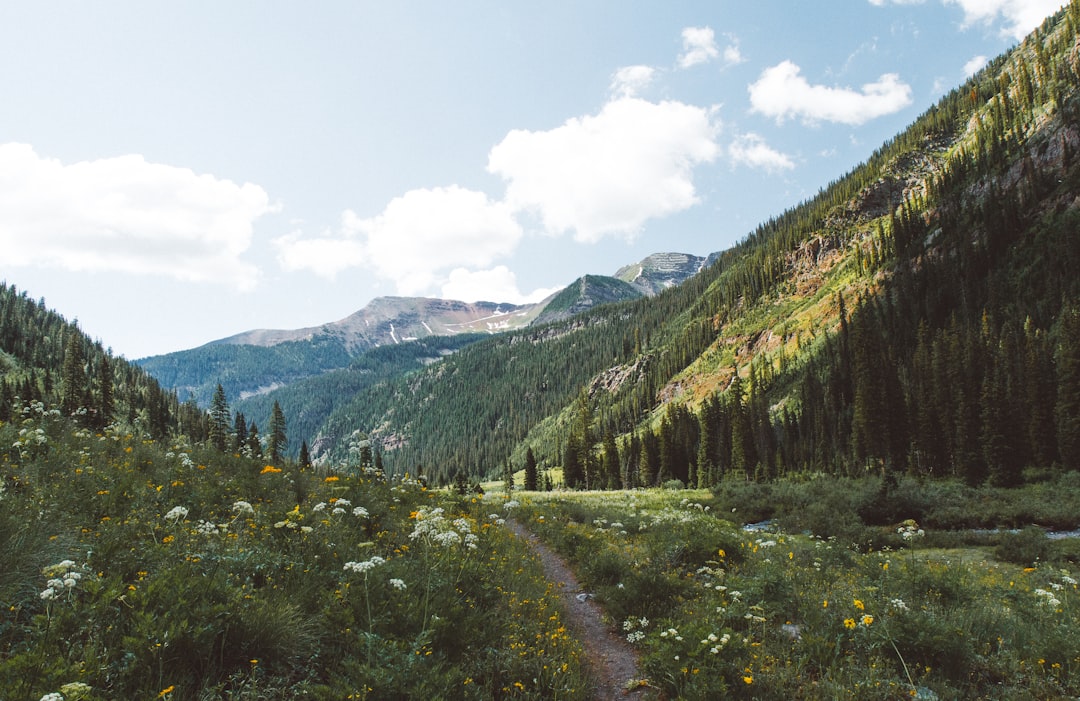
Colorado boasts a landscape sculpted by towering peaks, alpine lakes, and vast wilderness, making it a premier destination for hikers of all levels. From gentle strolls around iconic vistas to challenging ascents of fourteen-thousand-foot mountains, the Centennial State offers an unparalleled variety of trails. Planning a hiking trip requires understanding current access, safety regulations, and the unique characteristics of each trail. This guide focuses on some of Colorado’s most celebrated hiking experiences, providing essential information for your 2026 adventures.
| Trail | 2026 Status | Distance (Loop/RT) | Elevation Gain | Difficulty | Critical 2026 Notes |
|---|---|---|---|---|---|
| Maroon Bells Scenic Loop | Open May 15–Oct 31; reservations required for cars/shuttle | 1.9 mi loop | ~160–280 ft | Easy | Dogs prohibited (moose); no cell service; shuttle $16 adult; road closed to private vehicles 8am–5pm May 22–Oct 18 |
| Longs Peak (Keyhole Route) | Open (seasonal); extreme risk from weather/scree | 14.5 mi RT | ~4,850 ft | Extremely Difficult | Requires mountaineering skills; exposed to snow/wind even in summer; acclimatization essential |
| Bear Lake Nature Trail | Open (Rocky Mountain NP); paved, wheelchair/stroller accessible | ~1.0 mi loop | ~50 ft | Very Easy | Crowded in peak season; limited parking; interpretive signs present |
| Four Pass Loop | Open; overnight permit required | 26–28 mi loop | ~8,000 ft | Very Difficult | Multi-day (3–4 days); crosses 4 passes >12,000 ft; wilderness area rules apply |
Iconic Colorado Hikes: Essential Planning for 2026
Colorado’s most famous trails demand careful preparation, especially as management and access policies evolve. Understanding these changes is crucial for a safe and enjoyable experience. For 2026, key considerations include reservation systems, seasonal closures, and specific safety advisories for popular destinations like the Maroon Bells and Longs Peak.
The Maroon Bells, often cited as the most photographed peaks in Colorado, require visitors to plan ahead. Access to the scenic loop is managed through a reservation system for both private vehicles and the shuttle service, which operates during specific dates and times. This system aims to mitigate overcrowding and preserve the delicate alpine environment. It’s important to note that private vehicle access is restricted during peak hours, making the shuttle the primary mode of transport for many visitors. Always check the official Maroon Bells website for the most current reservation requirements and shuttle schedules.
For those seeking the ultimate challenge, Longs Peak via the Keyhole Route presents a formidable mountaineering objective. This strenuous trek is not for the faint of heart and requires significant physical fitness, acclimatization to altitude, and experience with exposed terrain. The mountain is notorious for its rapidly changing weather, including high winds and snow, which can occur even in summer months. The U.S. Forest Service strongly advises hikers to be prepared for extreme conditions and to possess the necessary technical skills for scrambling and navigating challenging sections. Consulting official safety guidelines from the U.S. Forest Service is paramount before attempting this ascent.

Maroon Bells Scenic Loop: A Closer Look
The Maroon Bells Scenic Loop offers an accessible yet breathtaking introduction to Colorado’s alpine beauty. This relatively short loop, approximately 1.9 miles, encircles Maroon Lake, providing stunning reflections of the iconic twin peaks. The elevation gain is minimal, typically ranging from 160 to 280 feet, making it suitable for a wide range of visitors. However, its popularity means that planning is essential.
For the 2026 season, reservations are mandatory for vehicle access and shuttle use between May 15 and October 31. The shuttle service itself runs from late May through mid-October. Visitors should be aware that dogs are not permitted on the trail due to the presence of moose, and cell service is unreliable in the area. The shuttle costs $16 per adult, and private vehicle access is restricted from 8 a.m. to 5 p.m. daily during the shuttle season. It’s also important to note that there is no drinking water available at the Maroon Bells; visitors must fill up at the Aspen Highlands Welcome Center. While the area is open year-round, winter access offers a different kind of beauty with frozen lakes and snow-covered landscapes, though conditions can be extreme. Recent reports indicate that the road has opened earlier than anticipated in some years due to significant progress in clearing avalanche debris, highlighting the dynamic nature of access in this region.

Longs Peak (Keyhole Route): The Ultimate Challenge
Longs Peak, standing at over 14,000 feet, is one of Colorado’s most iconic and demanding fourteeners. The Keyhole Route, the most popular path to the summit, is a 14.5-mile roundtrip trek with an imposing elevation gain of approximately 4,850 feet. This trail is classified as extremely difficult and requires advanced mountaineering skills, not just hiking prowess.
The Keyhole Route traverses diverse terrain, from forests and alpine tundra to exposed ridges and a significant scramble near the summit. Hikers must be prepared for severe weather, including high winds, snow, and ice, which can persist even during the summer months. The “Keyhole” itself is a natural rock formation that marks a critical point on the route, beyond which the terrain becomes more technical and exposed. Acclimatization is absolutely essential for anyone attempting this climb to mitigate the risks associated with high altitude. The U.S. Forest Service emphasizes the extreme risks, including loose scree and the potential for gear failure due to cold temperatures. This is a serious undertaking that demands respect, meticulous preparation, and a thorough understanding of one’s own physical and technical capabilities.

Bear Lake Nature Trail: Accessible Beauty
Located within Rocky Mountain National Park, the Bear Lake Nature Trail offers a gentle and accessible introduction to the park’s stunning scenery. This paved, relatively flat loop is approximately 1.0 mile in length with an elevation gain of about 50 feet, making it ideal for families, individuals with mobility challenges, and anyone seeking a leisurely walk amidst beautiful mountain vistas. The trail is wheelchair and stroller accessible, and interpretive signs provide insights into the local flora and fauna.
Despite its ease, the Bear Lake Nature Trail is incredibly popular and can become very crowded, especially during peak season. Parking at the trailhead is limited, so arriving early or considering alternative transportation options is advisable. While the trail itself is short and easy, the surrounding landscape, including views of Hallett Peak and Longs Peak, is spectacular. It serves as a gateway to other popular trails in the Bear Lake area, offering a pleasant starting point for a day of exploration.

Four Pass Loop: A Multi-Day Wilderness Adventure
For experienced backpackers seeking a multi-day challenge, the Four Pass Loop is an exceptional choice. This demanding trek covers approximately 26 to 28 miles and involves ascending and descending four high mountain passes, all above 12,000 feet, resulting in an overall elevation gain of around 8,000 feet. Typically completed over three to four days, this loop offers an immersive wilderness experience in the heart of the Elk Mountains near Aspen.
Completing the Four Pass Loop requires an overnight permit, which must be secured in advance through Recreation.gov. Hikers will traverse varied terrain, including alpine meadows, rocky slopes, and forested sections. The passes themselves can be challenging, with potential for snow and adverse weather even in mid-summer. Strict adherence to wilderness area rules is expected, including Leave No Trace principles, staying on designated trails, and proper waste disposal. This is a true test of endurance and backcountry preparedness, rewarding hikers with unparalleled views and a profound sense of accomplishment.
Safety and Preparedness in Colorado’s Mountains
Regardless of the trail chosen, safety and preparedness are paramount for hiking in Colorado. The state’s high-altitude environment presents unique challenges, including rapidly changing weather, intense sun, and the risk of altitude sickness. It is crucial to check weather forecasts immediately before heading out and to be prepared for sudden shifts in conditions.
Key safety considerations include:
- Hydration and Nutrition: Carry ample water and high-energy snacks. Dehydration can occur quickly at altitude.
- Layered Clothing: Mountain weather can change dramatically. Dress in layers, including waterproof and windproof outer shells, even on sunny days.
- Sun Protection: The sun’s rays are stronger at higher elevations. Use sunscreen, wear a hat, and consider sunglasses.
- Navigation: Carry a map and compass or GPS device, and know how to use them. Cell service is often unreliable.
- Altitude Sickness: Be aware of the symptoms of altitude sickness (headache, nausea, dizziness) and descend if symptoms worsen. Acclimatize gradually if possible.
- Wildlife Awareness: Maintain a safe distance from all wildlife and never feed animals. Be aware of your surroundings, especially in areas known for moose or bear activity.
- Leave No Trace: Pack out everything you pack in, stay on marked trails, and minimize your impact on the environment.
For specific trail information and safety alerts, always consult official sources such as the U.S. Forest Service (fs.usda.gov), National Park Service (nps.gov), and local land management agencies. These resources provide the most up-to-date information on trail conditions, closures, permits, and regulations for 2026.
Frequently Asked Questions
What are the reservation requirements for Maroon Bells in 2026?
Reservations are required for vehicle access and shuttle use at Maroon Bells from May 15 to October 31, 2026. Check the official visitmaroonbells.com for specific details and booking information.
Is Longs Peak suitable for beginner hikers?
No, Longs Peak via the Keyhole Route is an extremely difficult mountaineering challenge and is not suitable for beginner hikers. It requires significant experience, physical fitness, and technical skills.
Are dogs allowed on the Bear Lake Nature Trail?
Dogs are generally not permitted on trails within Rocky Mountain National Park, including the Bear Lake Nature Trail, to protect wildlife and the natural environment. Always verify current park regulations.
Do I need a permit for the Four Pass Loop?
Yes, an overnight permit is required to hike the Four Pass Loop. Permits are typically obtained through Recreation.gov and should be secured well in advance due to high demand.
What is the best time of year to hike in Colorado?
The primary hiking season in Colorado generally runs from late spring (June) through early fall (October), depending on the elevation and specific location. High-altitude trails may still have snow in early summer, and fall offers beautiful aspen colors but also colder temperatures and increased potential for early snow.