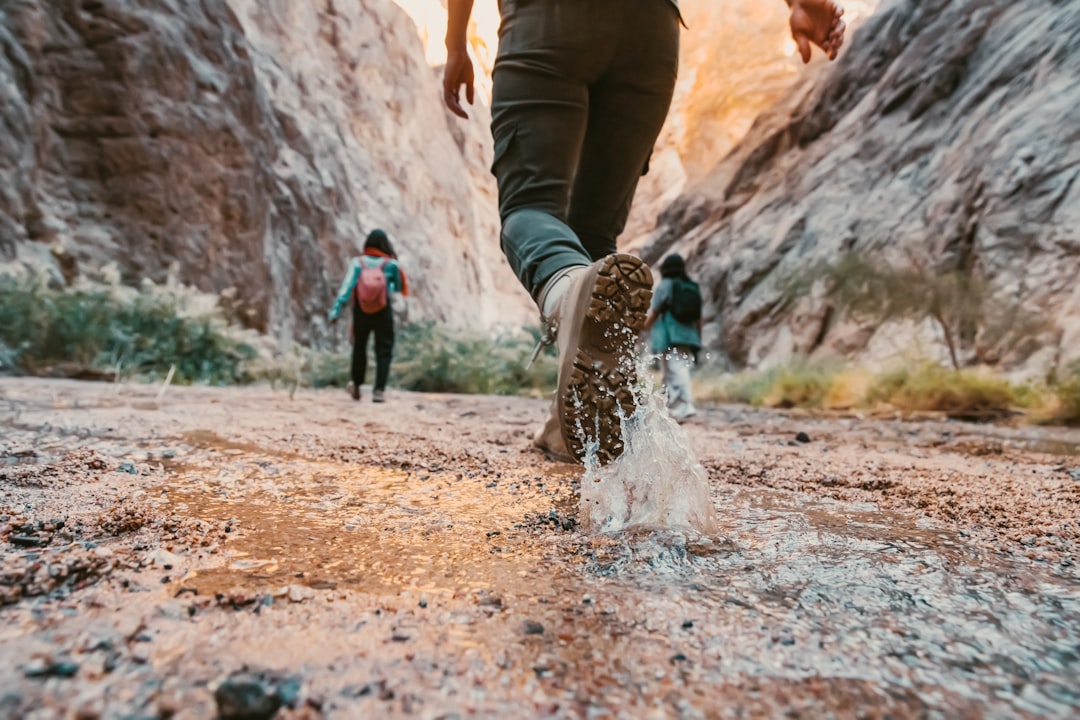
Choosing the right hiking boots is a critical step for any outdoor enthusiast. The right footwear can mean the difference between a comfortable trek and a painful ordeal. As the demands of the trail vary, so too should your boots. This guide, updated for 2026, focuses on matching boot characteristics to your specific needs, emphasizing fit, load capacity, and terrain suitability over brand names or outdated advice.
| Boot Category | Best For Terrain | Max Pack Volume | Key 2026 Considerations |
|---|---|---|---|
| Trail Runners / Low-Cut | Well-maintained trails, day hikes, minimal elevation | < 35L | Minimal ankle support; prioritize breathability for hot weather |
| Day Hiking (Mid-Cut) | Moderate/difficult day hikes, rocky trails, elevation changes | < 35L | Mid-high cut (4–5 inches) for stability; waterproofing optional in summer |
| Backpacking (High-Cut) | Multi-day treks, heavy loads, rough terrain | 70–75L | Stiff midsole/shank to distribute load; high cuff for ankle support |
| Mountaineering | Off-trail, ice, high altitude, crampon use | 75–100L | B3 rating for winter/high altitude; extreme stiffness limits long-distance comfort |
Matching Boots to Your Load and Terrain
Modern guidance for 2026 emphasizes a more nuanced approach to selecting hiking footwear, moving beyond simple “light,” “medium,” and “heavy” classifications. The key is to align the boot’s stiffness and support with the weight of your pack and the difficulty of the terrain you expect to encounter. This ensures optimal performance and comfort, preventing premature fatigue and potential injury.
Understanding Boot Categories and Load Matching
The categories of hiking footwear are best understood by considering the typical load they are designed to carry and the type of terrain they excel on. Trail runners, for instance, are ideal for minimalist day trips where pack weight is negligible and trails are smooth. Their design prioritizes agility and breathability, making them suitable for warmer conditions or fast-paced hikes.
For day hikes that involve more challenging trails, moderate elevation changes, or slightly heavier daypacks, mid-cut boots offer a crucial increase in ankle stability and protection. These boots typically feature a cuff height of around 4 to 5 inches, providing a good balance for varied conditions. While waterproofing can be beneficial, it’s not always essential for summer day hikes, as waterproof membranes can sometimes reduce breathability and contribute to foot discomfort in heat.
When embarking on multi-day backpacking trips, where pack volumes can reach 70–75 liters and weight is a significant factor, high-cut backpacking boots become indispensable. These boots are engineered with stiffer midsoles and shanks designed to effectively distribute the load across your feet and ankles, reducing strain over long distances and rough terrain. The higher cuff offers enhanced ankle support, which is vital when navigating uneven ground with a heavy pack.
At the extreme end of the spectrum are mountaineering boots, designed for off-trail adventures, ice climbing, and high-altitude expeditions. These boots often carry a “B3” rating, indicating their suitability for winter conditions and steep, icy terrain. Their extreme stiffness is necessary for crampon compatibility and maximum protection but can limit their comfort for extended periods of walking on less demanding ground.

The Paramount Importance of Fit
Regardless of category, the single most important factor in choosing hiking boots is fit. A boot that doesn’t fit correctly, even if it’s the most expensive or technologically advanced, will lead to discomfort, blisters, and potentially more serious foot issues. Modern advice strongly advises against relying on break-in periods to correct fundamental fit problems.
Essential Fit Verification Techniques
When trying on boots, it’s crucial to replicate hiking conditions as closely as possible. Always wear the socks you intend to hike in, as their thickness can significantly impact the fit. If you use custom orthotics or insoles, bring them along to ensure they integrate properly with the boot’s internal volume.
A key sizing rule is to select boots that are approximately 1 to 1.5 cm longer than your everyday shoes. This extra space is vital for preventing your toes from jamming into the front of the boot during descents, a common cause of bruised or lost toenails. Aim for about half an inch of space between your longest toe and the end of the boot when your heel is firmly seated in the back.
The most effective fit test is the “incline test.” Wear the boots for a minimum of 20 minutes on a retailer’s incline ramp. During this time, pay close attention to any heel lift or pressure points on your toes or the sides of your feet. Any significant movement or discomfort indicates a poor fit that will likely worsen on the trail, rather than improve with wear.
Beyond length, consider the boot’s volume and width. Brands can vary significantly; for example, HOKA boots are often noted for running wider and having a higher volume, which can be ideal for hikers who prefer thicker socks or have wider feet. The number of eyelets above the ankle can also be an indicator of support; boots with two or more eyelets above the ankle bone generally offer more lacing options for enhanced stability than those with only one. For beginners, starting with a mid-cut boot is often recommended due to their inherent versatility and support compared to low-cut options.

Materials, Waterproofing, and Sole Technology
The materials used in boot construction significantly influence their durability, breathability, water resistance, and break-in period. Understanding these properties helps in making an informed choice based on your hiking environment.
Leather vs. Synthetic Uppers
Full-grain leather is renowned for its exceptional durability and water resistance. It requires a longer break-in period but eventually molds to the wearer’s foot, offering a highly personalized fit and robust protection. Synthetic materials, such as nylon and polyester, offer a lighter weight, quicker drying time, and often a shorter break-in period. However, they may be less durable on very rocky or abrasive terrain compared to leather. Nubuck and suede leathers strike a balance, providing flexibility and comfort with good durability, often enhanced with water-resistant treatments.
The Reality of Waterproofing
Waterproof-breathable membranes, like Gore-Tex, are a common feature in many hiking boots. They are effective at keeping out external moisture from rain or stream crossings. However, it’s important to recognize that these membranes can significantly reduce a boot’s breathability, potentially leading to excessive sweating and blisters in warm or humid conditions. For low-cut boots, especially those intended for summer use in dry climates, waterproofing may not be a priority, and mesh uppers can offer superior ventilation. For mid-cut and high-cut boots, especially those used in wet environments or for multi-day trips, waterproofing is generally a recommended feature.
Sole Construction and Traction
The outsole, the rubber bottom of the boot, is designed for traction. The lug pattern—the tread—is crucial for grip on various surfaces. Deep, widely spaced lugs are effective at shedding mud, while a more aggressive pattern can provide better purchase on rock and hardpack. The rubber compound itself also plays a role; softer rubbers offer excellent grip on rock but wear down faster, whereas harder rubbers are more durable but can be less grippy on slick surfaces.

Essential Gear for Boot Fitting
To ensure you get the best possible fit and performance from your new hiking boots, bringing the right gear to the store is essential. This preparation helps simulate real-world hiking conditions during your fitting session.
What to Bring to the Store
The most critical items to bring are the socks you typically wear for hiking. These are usually made of moisture-wicking materials like merino wool and are thicker than everyday socks. If you use custom orthotics or specialized insoles for arch support or cushioning, you must bring these as well, as they will affect the internal volume and fit of the boot.
While not strictly necessary for the fit itself, a measuring tape can be helpful for verifying toe-to-end space, and a pen and paper can be useful for noting down specific models or fit characteristics. The primary focus, however, should be on the physical act of trying on the boots with your intended socks and insoles on the store’s testing inclines.

Safety and Foot Health Considerations
Beyond comfort, choosing the right hiking boots is a matter of safety and long-term foot health. Certain conditions and hiking practices necessitate specific footwear choices.
Addressing Foot Health and Injury Prevention
Individuals prone to ankle injuries, such as sprains or chronic instability, should prioritize footwear that offers substantial ankle support. This typically means opting for mid-cut or high-cut hiking boots over low-cut options or trail runners. Similarly, those with a history of tendonitis or other foot ailments may benefit from the structured support and cushioning provided by dedicated hiking footwear.
The weight of your pack significantly impacts your feet and the wear on your boots. For multi-day trips, it’s advisable to keep your pack weight below 20% of your body weight. Exceeding this threshold not only increases fatigue but also disproportionately accelerates boot wear and can lead to foot pain.
As mentioned earlier, improper boot fit, particularly insufficient toe room, is a primary cause of toenail damage on descents. Ensuring at least half an inch of space at the front of the boot is crucial for preventing this common and painful issue.
Frequently Asked Questions
What is the most important factor when choosing hiking boots?
The most important factor is fit. A boot must fit snugly without being tight, with no heel slippage and adequate toe room. This should be verified on an incline for at least 20 minutes.
How much longer should hiking boots be than my regular shoes?
Hiking boots should generally be 1 to 1.5 cm longer than your everyday shoes to accommodate foot swelling and prevent toes from hitting the front during descents.
Are waterproof boots always better?
Not necessarily. While waterproof boots are excellent in wet conditions, they can reduce breathability and cause overheating and blisters in warm, dry weather. Consider your typical hiking climate.
How do I test if a hiking boot fits correctly?
Wear the boots with your hiking socks and insoles for at least 20 minutes on a retailer’s incline ramp. Check for heel lift, toe pressure, and overall comfort. Any significant discomfort is a sign of a poor fit.
What is the difference between leather and synthetic hiking boots?
Full-grain leather boots are typically more durable and water-resistant but require a longer break-in period. Synthetic boots are lighter, more breathable, and dry faster but may be less durable on rough terrain.