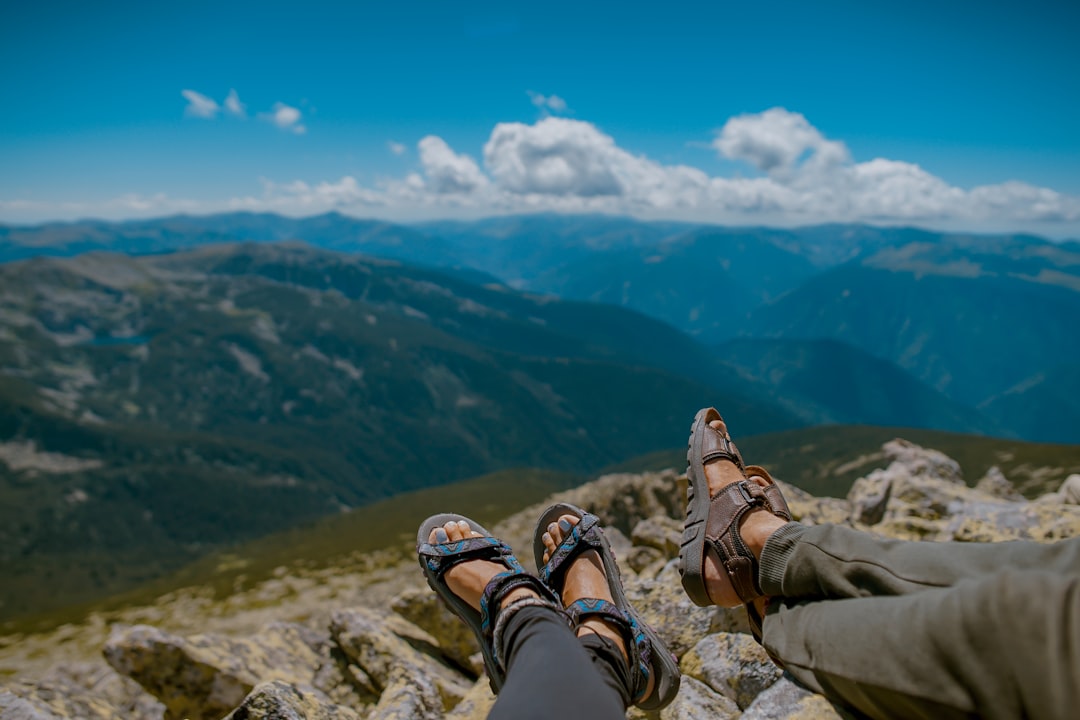
Hiking sandals offer a compelling alternative to traditional hiking shoes, providing breathability, quick drying, and a closer connection to the trail. For women seeking footwear that balances comfort, durability, and performance across varied terrains, the market offers a range of excellent options. From minimalist designs for fastpacking to robust, supportive models for rugged trails and water crossings, the best hiking sandals for women are those that meet specific needs without compromising on essential features.
| Category | Product | Key Features | Best For | Approx. Price | Sources |
|---|---|---|---|---|---|
| Best Overall | Bedrock Cairn Evo 3D Pro | Contoured footbed, Vibram® outsole, minimalist design, all-terrain capability | Versatile trails, minimalist hikers, all-terrain use | ~$140 | |
| Best Overall | Teva Hurricane XLT3 | Cushioned EVA footbed, Durabrasion rubber outsole, adjustable straps | Versatile trails, day hikes, moderate terrain | ~$100 | |
| Best Budget | Teva Original Universal | Simple webbing straps, EVA footbed, reliable traction | Casual hikes, warm weather, budget-conscious hikers | ~$60–$65 | |
| Best Arch Support | Chaco Z/1 Classic | Podiatrist-endorsed LUVSEAT™ PU footbed, Vibram® outsole, continuous strap system | Overpronation, flat feet, rough terrain, long-distance hiking | ~$95–$105 | |
| Best Closed-Toe / Water | KEEN Newport H2 | Rubber toe bumper, quick-drying materials, hydrophobic lining, deep lugs | Water crossings, river hiking, trails with submerged hazards | ~$110 | |
| Best Lightweight | Xero Shoes H-Trail | Zero-drop sole, flexible, minimalist design, secure strapping | Fastpacking, trail running, minimalist hikers | (Verify on manufacturer site) | |
| Best All-Terrain | Bedrock Cairn Evo 3D PRO | Vibram® XS Trek EVO outsole, contoured footbed, durable construction | Mixed terrain, rugged trails, demanding conditions | ~$140 | |
| Best for Flat Feet | Teva Hurricane XLT2 | Supportive footbed, adjustable straps, durable outsole | Flat feet, moderate trails, everyday wear | (Verify on manufacturer site) | |
| Best Water Trail | Chaco Z/1 Rapid Pro | Water-specific outsole, quick-drying straps, secure fit | Fast-moving water, river trekking, wet environments | (Verify on manufacturer site) |
Choosing the Right Hiking Sandal for Your Adventure
Selecting the ideal hiking sandal involves considering several key factors that align with your intended use and personal foot needs. Unlike hiking shoes or boots, sandals offer a unique blend of openness and support. The primary considerations include the type of terrain you’ll encounter, the level of support and cushioning required, water-friendliness, and the security of the fit. Understanding these elements will help you navigate the options and find a sandal that enhances your outdoor experience.
Terrain and Traction
The outsole is critical for grip and stability. For rocky, uneven trails, look for sandals with deep, multi-directional lugs and durable rubber compounds like Vibram®, which is known for its excellent traction and slip resistance on both wet and dry surfaces. Models like the Chaco Z/1 Classic and Bedrock Cairn Evo 3D Pro feature robust outsoles designed to handle challenging terrain. If your hikes frequently involve stream crossings or wet environments, prioritize sandals with siped (grooved) outsoles for enhanced grip on slippery rocks, such as those found on the KEEN Newport H2.
Support and Cushioning
Foot fatigue can be a significant issue on longer hikes. Sandals vary widely in their footbed design and cushioning. Some, like the Chaco Z/1 Classic, feature anatomically contoured footbeds with significant arch support, often endorsed by podiatrists for conditions like overpronation or flat feet. Others, like the Bedrock Cairn Evo, offer a more minimalist feel with a contoured but less aggressively supportive footbed, appealing to those who prefer a more natural foot movement. The Teva Hurricane XLT3 and XLT2 offer a balance of cushioning and support suitable for general trail use.
Water Performance
For activities involving water, such as river hiking or crossing streams, water-friendly features are paramount. Sandals designed for water use typically employ quick-drying materials like polyester webbing and hydrophobic mesh linings, which allow water to drain efficiently and prevent the sandal from becoming waterlogged and heavy. The KEEN Newport H2 is a prime example, featuring a closed-toe design for protection and excellent drainage. Other models, like the Chaco Z/1 Rapid Pro, are specifically engineered for fast-moving water environments.
Fit and Adjustability
A secure fit is essential to prevent blisters and ensure stability. Hiking sandals typically use adjustable straps, buckles, or bungee systems to customize the fit. The Teva Original Universal and Hurricane models utilize Velcro straps for easy adjustment. Chaco’s continuous strap system allows for fine-tuning the fit across the instep and heel. Bedrock Sandals employ a combination of straps that wrap around the heel and ankle for a secure, adaptable hold. It’s advisable to ensure the straps are comfortable and do not cause chafing, especially on longer hikes.

Top Hiking Sandal Picks for Women in 2026
Based on current reviews and expert recommendations, several women’s hiking sandals stand out for their performance, durability, and specific features. These selections cover a range of needs, from budget-friendly options to high-performance models for demanding adventures.
Bedrock Cairn Evo 3D Pro: The All-Terrain Minimalist
The Bedrock Cairn Evo 3D Pro is frequently cited as a top contender for its blend of minimalist design and robust performance. It features a contoured footbed for comfort and a Vibram® XS Trek EVO outsole, known for its excellent grip and durability across varied surfaces. This sandal appeals to hikers who appreciate a natural foot feel while still requiring reliable traction and protection. Its lightweight construction makes it suitable for fastpacking and long-distance treks where every ounce counts. The adjustable strap system ensures a secure fit, adapting to different foot shapes and hiking styles.
Teva Hurricane XLT3: The Versatile All-Rounder
The Teva Hurricane XLT3 is a highly recommended option for its versatility and comfort. It boasts a cushioned EVA footbed that provides ample support for day hikes and moderate trails. The Durabrasion rubber outsole offers reliable traction, and the adjustable straps allow for a customized fit. This sandal is a solid choice for women seeking a dependable option that can handle a variety of conditions, from dusty trails to casual strolls. Its balance of comfort, durability, and ease of use makes it a popular all-around performer.
Chaco Z/1 Classic: Unmatched Arch Support
For individuals prioritizing arch support and stability, the Chaco Z/1 Classic remains a leading choice. Its signature LUVSEAT™ polyurethane footbed is podiatrist-endorsed and designed to provide exceptional support, making it ideal for those with flat feet or who experience overpronation. The sandal features a durable Vibram® TC1 Web™ outsole with deep lugs for superior grip on challenging terrain. The continuous strap system allows for a highly customizable and secure fit, ensuring the sandal stays put even during strenuous activity. This makes it a go-to for serious hikers and backpackers tackling rugged trails.
KEEN Newport H2: The Water Crossing Specialist
The KEEN Newport H2 is a standout choice for any activity involving water. Its defining feature is the protective rubber toe bumper, which shields feet from impacts with rocks and submerged debris. The sandal is constructed with quick-drying polyester webbing and a hydrophobic mesh lining, ensuring efficient water drainage and rapid drying. The Razor Siped™ outsole provides reliable traction on wet surfaces, making it ideal for river crossings and exploring wet environments. While it can feel a bit bulkier on dry trails, its protective features and water performance are unparalleled for wet adventures. The newer KEEN Hyperport H2 offers similar benefits with updated design elements.
Teva Original Universal: The Best Budget Option
The Teva Original Universal continues to be a highly regarded option, particularly for its affordability and classic design. It offers a simple yet effective construction with durable webbing straps and a comfortable EVA footbed. While it may not provide the same level of ruggedness or specialized support as higher-end models, it delivers reliable comfort and traction for casual hikes, warm-weather excursions, and everyday wear. Its straightforward adjustability and quick-drying nature make it a practical and accessible choice for budget-conscious hikers.

Key Features to Compare
When comparing hiking sandals, several features directly impact their performance and suitability for different activities. Understanding these elements will help you make an informed decision.
Footbed Design
The footbed is the foundation of a sandal’s comfort and support. Options range from flat, minimalist surfaces to deeply contoured designs with pronounced arch support. EVA (ethylene-vinyl acetate) is a common cushioning material, offering a balance of softness and responsiveness. Polyurethane (PU) footbeds, like those found in Chacos, are generally more durable and offer firmer support, often preferred for extended wear on rough terrain. Some footbeds also feature antimicrobial treatments to help manage odor.
Outsole Materials and Tread
The outsole is responsible for traction and durability. Vibram® rubber is a premium material widely used in high-performance footwear due to its excellent grip, wear resistance, and reliability on various surfaces. Other sandals use proprietary rubber compounds, often designed for specific conditions, such as enhanced grip on wet rocks or durability on abrasive trails. The tread pattern, characterized by the depth and spacing of lugs, plays a crucial role in how well the sandal grips loose dirt, mud, or slick surfaces.
Strap and Closure Systems
The way a sandal secures to your foot is vital for stability and preventing slippage. Common systems include:
- Velcro Straps: Offer quick and easy adjustability, found on models like the Teva Hurricane series.
- Buckles: Provide a secure and often more robust closure, though they can sometimes be less forgiving on the skin.
- Continuous Strap Systems: Like Chaco’s design, these allow for fine-tuning the fit by pulling the strap through the midsole.
- Bungee Laces: Offer a snug, adaptable fit, often seen on water-friendly sandals like the KEEN Newport H2.
The material of the straps (e.g., polyester webbing, nylon) also affects comfort and drying time.
Weight and Packability
For backpackers and fastpackers, the weight and packability of a sandal are significant considerations. Minimalist sandals, such as the Bedrock Cairn Evo or Xero Shoes H-Trail, are exceptionally lightweight and can be easily stowed in a pack when not in use. Heavier, more robust sandals, like the KEEN Newport H2, may offer more protection but are less ideal for ultralight travel.

Safety and Foot Health Considerations
When choosing hiking sandals, prioritizing foot health and safety is paramount. The right sandal can prevent injuries and enhance comfort on the trail.
Arch Support and Foot Conditions
For individuals with specific foot conditions like flat feet or overpronation, adequate arch support is crucial. Sandals with anatomically designed footbeds, such as the Chaco Z/1 Classic with its LUVSEAT™ technology, can help align the foot and reduce strain during hiking. Wearing sandals without sufficient support on long or challenging hikes can lead to foot pain, plantar fasciitis, and other musculoskeletal issues.
Protection from Trail Hazards
While sandals offer breathability, they also expose more of the foot to the elements. Closed-toe designs, like the KEEN Newport H2, provide protection against stubbed toes, sharp rocks, and debris. For open-toed sandals, the outsole’s thickness and the strap design can offer some level of protection. It’s important to be mindful of the terrain and choose a sandal that offers appropriate coverage for the expected hazards. The National Park Service often recommends appropriate footwear for river crossings, emphasizing protection from submerged objects.
Traction and Slip Resistance
Good traction is essential for preventing slips and falls, especially on wet or loose surfaces. Reputable outsole manufacturers like Vibram® adhere to international standards for slip resistance, such as ISO 20345, ensuring reliable performance. When evaluating traction, consider the depth and pattern of the lugs, as well as the rubber compound’s properties.

Frequently Asked Questions
Are hiking sandals suitable for all types of hiking?
Hiking sandals are best suited for moderate trails, warm weather, and activities involving water. For very rugged, technical terrain, or hikes in cold or wet conditions, hiking shoes or boots generally offer better protection and support.
How do I ensure a proper fit for hiking sandals?
Ensure the straps are adjustable to accommodate your foot shape. The heel strap should keep your heel in place without rubbing, and the forefoot straps should be snug but not constricting. Many retailers recommend adding about half an inch to your foot’s length for proper sandal sizing to prevent blisters.
Can I wear hiking sandals for long-distance backpacking?
Yes, some hikers use minimalist or well-supported hiking sandals for long-distance backpacking, especially in warmer climates. However, it’s crucial to choose a model with adequate cushioning and support for your feet and to ensure the straps are comfortable and secure for extended wear.
How do I clean and maintain my hiking sandals?
Most hiking sandals can be cleaned with mild soap and water. Rinse them thoroughly and allow them to air dry away from direct heat. For specific cleaning instructions, consult the manufacturer’s guidelines.
Are closed-toe hiking sandals better than open-toe ones?
Closed-toe sandals, like the KEEN Newport H2, offer superior protection against stubbed toes and debris, making them ideal for water crossings or rocky trails. Open-toe sandals provide maximum breathability but less protection. The best choice depends on the specific environment and your personal preference.