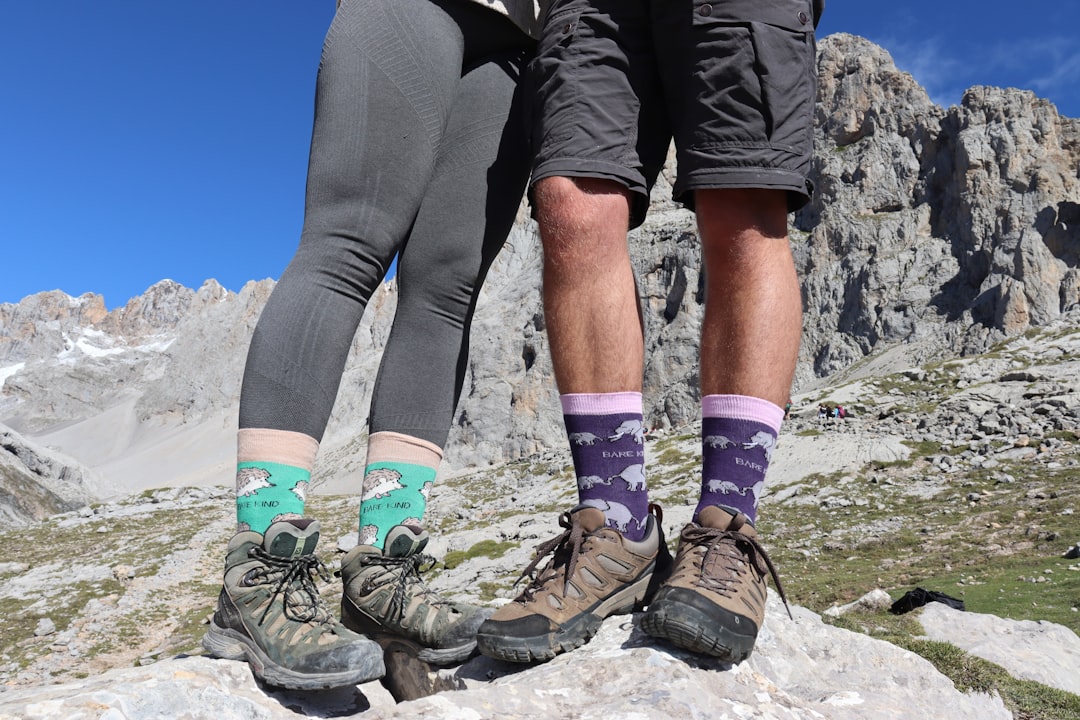
Choosing the right hiking socks is as crucial as selecting a quality pair of boots. Your socks are the unsung heroes that cushion your feet, manage moisture, and prevent painful blisters, especially on long, demanding treks. This guide explores top-rated hiking socks, focusing on materials, cushioning, height, and features that contribute to comfort and performance on the trail.
| Category | Brand & Model | Key Features | Material Blend (Typical) | Cushioning | Height | Price (Approx.) | Guarantee |
|---|---|---|---|---|---|---|---|
| Best Overall | Darn Tough Hiker Micro Crew Cushion | Durable, comfortable, excellent moisture management, lifetime guarantee | Merino Wool, Nylon, Lycra | Midweight | Micro Crew | $26–$27 | Lifetime |
| Best Lightweight/Summer | Darn Tough Light Hiker Micro Crew | Breathable, quick-drying, ideal for warm weather | Merino Wool, Nylon, Lycra | Light | Micro Crew | (Varies) | Lifetime |
| Best Budget | REI Co-op Merino Wool Lightweight Hiking Crew | Affordable Merino wool comfort, good all-around performance | Merino Wool, Nylon, Spandex | Lightweight | Crew | (Varies) | One-Year Satisfaction |
| Best Cold/Winter | Smartwool Mountaineer Classic Crew | Maximum warmth and cushioning for cold conditions | Merino Wool, Nylon, Elastane | Maximum/Heavy | Crew | (Varies) | (Varies) |
| Best Cold/Winter | Darn Tough Hiker Full Cushion | Exceptional warmth and durability for winter | Merino Wool, Nylon, Lycra | Full Cushion/Heavy | Crew | (Varies) | Lifetime |
| Best Toe Socks (Blister-Prone) | Injinji Trail Midweight | Toe separation prevents blisters, moisture-wicking | Coolmax, Nylon, Elastane | Midweight | (Varies) | (Varies) | (Varies) |
| Best Waterproof | Sealskinz Briston All Weather | Waterproof and breathable for wet conditions | (Proprietary Blend) | (Varies) | (Varies) | (Varies) | (Varies) |
| Best Synthetic Alternative | Darn Tough COOLMAX Hiker Micro Crew | Quick-drying, durable, wool-free option | Coolmax, Nylon, Spandex | (Varies) | Micro Crew | (Varies) | Lifetime |
Understanding Hiking Sock Construction
The performance and comfort of hiking socks depend on a combination of materials, cushioning, height, and specific features. Understanding these elements can help you select the best sock for your needs.
Material Matters: Merino Wool vs. Synthetics
The primary materials used in hiking socks are merino wool and synthetic fibers like nylon, polyester, and elastane (spandex/Lycra). Cotton is generally avoided for hiking due to its poor moisture-handling properties.
Merino wool is prized for its natural ability to regulate temperature, wick moisture away from the skin, and resist odor, even when damp . It offers a soft feel and remains warm in cold conditions. Blends typically include around 52–62% merino wool .
Synthetic fibers, such as nylon and polyester, are incorporated for durability and quick drying times. Spandex or Lycra is added in smaller percentages (around 2–5%) to provide stretch, ensure a snug fit, and offer arch support . Some socks, like the Darn Tough COOLMAX Hiker Micro Crew, utilize synthetic blends like Coolmax for enhanced breathability and rapid drying, offering an alternative for those who prefer to avoid wool .
Cushioning Levels for Varied Conditions
Hiking socks come in various cushioning levels, each suited to different types of hikes and weather conditions:
Light Cushion: Offers minimal padding, making it ideal for fastpacking, trail running, or warm-weather hikes where maximum breathability is a priority . Medium Cushion: This is the most versatile option, providing a good balance of comfort, impact absorption, and warmth for most general hiking and backpacking trips throughout the year . Heavy Cushion: Provides the most padding and insulation, making it the best choice for cold weather, rugged terrain, long backpacking trips, or when wearing heavier, more rigid boots that require extra foot protection .
Sock Height and Coverage
The height of a hiking sock plays a role in protection from debris, boot abrasion, and temperature regulation.
No-Show/Ankle: These are best suited for very light trails, warm weather, or when paired with low-cut trail running shoes. They offer minimal protection from external elements . Micro Crew: This height extends slightly above the ankle, offering more coverage than an ankle sock without the bulk of a traditional crew sock. It’s a popular choice for a balance of protection and breathability . Crew: The most common height, typically reaching mid-calf. Crew socks provide good protection against boot cuffs and help keep trail debris out of your footwear . Over-the-Calf: These extend higher up the leg, offering maximum protection. They are ideal for deep snow, rugged terrain, or when wearing tall boots to prevent chafing and provide additional warmth .

Top Hiking Sock Picks for 2026 Trails
Based on expert reviews and consensus, several brands and models stand out for their performance, durability, and comfort across various hiking scenarios.
Darn Tough Hiker Micro Crew Cushion: The All-Around Champion
Consistently ranked as the best overall hiking sock, the Darn Tough Hiker Micro Crew Cushion is lauded for its exceptional balance of cushioning, durability, and comfort . Made from a merino wool blend, these socks offer excellent temperature regulation and moisture-wicking properties. The midweight cushioning provides ample protection for most trails, while the micro crew height offers versatile coverage. A significant advantage is Darn Tough’s unconditional lifetime guarantee, which covers wear and tear, underscoring the brand’s confidence in its product’s longevity .
Darn Tough Light Hiker Micro Crew: Ideal for Warm Weather
For hikers tackling trails in warmer climates or engaging in high-output activities, the Darn Tough Light Hiker Micro Crew is a top choice . This version features lighter cushioning and a more breathable knit, making it suitable for hot weather and fastpacking. Like its midweight counterpart, it benefits from the durable merino-nylon blend and the brand’s lifetime guarantee.
REI Co-op Merino Wool Lightweight Hiking Crew: The Best Budget Option
The REI Co-op Merino Wool Lightweight Hiking Crew socks (or similar REI models like the Coolmax EcoMade Lightweight) offer a compelling value proposition . They provide the benefits of merino wool, including comfort and moisture management, at a more accessible price point. While they may not match the extreme durability of premium brands, they offer solid performance for everyday hiking and come with REI’s satisfaction guarantee .
Smartwool Mountaineer Classic Crew & Darn Tough Hiker Full Cushion: For Cold Conditions
When winter conditions or extreme cold are a factor, the Smartwool Mountaineer Classic Crew and the Darn Tough Hiker Full Cushion are leading contenders . These socks feature maximum cushioning and insulation, utilizing substantial amounts of merino wool to keep feet warm and comfortable in frigid temperatures. While Smartwool offers excellent warmth, Darn Tough socks are often highlighted for their lifetime warranty, a feature not typically matched by other brands for their cold-weather offerings .
Injinji Trail Midweight: For Blister Prevention
Hikers prone to blisters often find relief with toe socks, and the Injinji Trail Midweight (or Injinji Hiker) is a popular choice . By separating each toe, Injinji socks aim to prevent the skin-on-skin friction that can lead to blisters. The midweight cushioning and moisture-wicking fabric make them suitable for a variety of trail conditions.
Sealskinz Briston All Weather: Waterproof Protection
For hiking in consistently wet environments, such as rainy climates or boggy terrain, waterproof socks are essential . Sealskinz offers a range of waterproof options, including the Briston All Weather, designed to keep feet dry while remaining breathable. These are particularly useful when traditional waterproof boots might still allow moisture ingress or when dealing with prolonged exposure to rain.

Key Features to Prioritize
Beyond material and cushioning, several design elements contribute to a sock’s overall effectiveness on the trail.
Arch Support and Fit
A well-designed sock should offer good arch support, typically achieved through an integrated elastic band. This feature helps reduce foot fatigue during long hikes and ensures the sock stays securely in place, preventing uncomfortable bunching or slippage .
Seamless Toes and Ventilation
Seamless toe construction is a critical feature for preventing blisters, as it eliminates the potential rubbing point caused by traditional toe seams . Additionally, ventilation panels, often in the form of mesh knit on the top of the foot, enhance airflow and breathability, helping to keep feet cooler and drier, especially during strenuous activity or in warm weather .
Durability and Guarantees
The longevity of hiking socks can vary significantly. Brands like Darn Tough are renowned for their exceptional durability, backed by an unconditional lifetime guarantee . Other brands, like REI, offer satisfaction guarantees, which, while not lifetime, provide a level of assurance for the consumer . When purchasing, it’s always advisable to check the specific terms of any guarantee or return policy.

Avoiding Common Pitfalls
One of the most crucial pieces of advice for hikers is to avoid cotton socks. Cotton absorbs moisture and holds onto it, leading to a cold, clammy feeling, increased friction, and a significantly higher risk of developing blisters . Opting for socks made from merino wool or synthetic blends is essential for maintaining foot health on the trail.

Frequently Asked Questions
What is the best material for hiking socks?
Merino wool is widely considered the best material for hiking socks due to its natural temperature regulation, moisture-wicking capabilities, odor resistance, and comfort, even when damp. Synthetic blends are also excellent for durability and quick drying. Cotton should be avoided.
How much cushioning do I need in my hiking socks?
Cushioning depends on the conditions. Light cushioning is best for warm weather and fastpacking. Medium cushioning is versatile for most all-season hiking. Heavy cushioning is recommended for cold weather, rugged terrain, or long backpacking trips.
What sock height is best for hiking?
Crew height is the most common and versatile, offering good protection with most hiking boots. Micro crew height provides a balance of coverage and breathability. Over-the-calf socks are best for deep snow or tall boots.
Are toe socks good for hiking?
Yes, toe socks, like those from Injinji, can be very beneficial for hikers prone to blisters, as they prevent skin-on-skin friction between toes.
What does a lifetime guarantee on socks mean?
A lifetime guarantee, like that offered by Darn Tough, typically means the manufacturer will replace the socks if they wear out or develop holes, regardless of how long you’ve owned them. It’s important to check the specific terms and conditions of any guarantee.