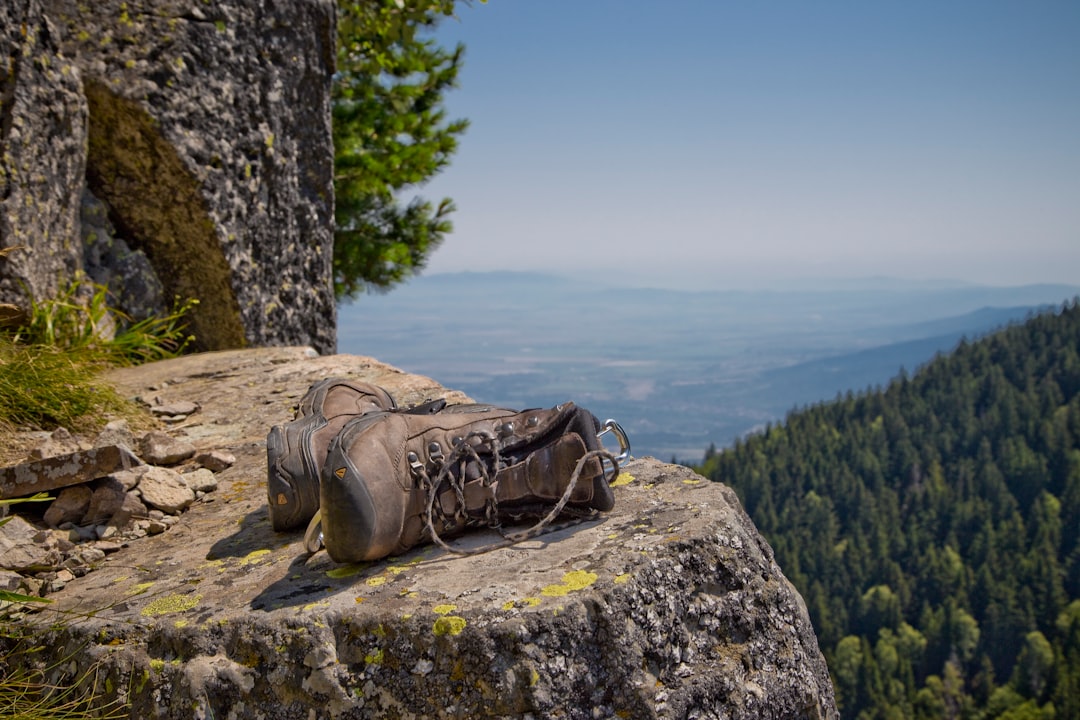
Choosing the right lightweight hiking shoe is crucial for enjoying your time on the trail. These shoes offer a balance of comfort, support, and protection without the bulk of traditional hiking boots. The market for lightweight hikers is constantly evolving, with new models and updated technologies emerging regularly. This guide explores some of the top lightweight hiking shoes available for 2026, focusing on their features, intended use, and what makes them stand out.
| Category | 2026 Product | Key Specs (Men’s 9/10) | Waterproofing | Outsole | Source |
|---|---|---|---|---|---|
| Best Overall | Salomon X Ultra 5 GTX | ~23 oz (pair) | Gore-Tex | Contagrip MA | |
| Best Budget | Merrell Moab Speed 2 | ~19–20 oz (pair) | M-Select DRY (Vent = none) | Vibram TC5+ | |
| Best Cushioning | Hoka Speedgoat 7 (trail runner) | ~18 oz | None (quick-dry) | Vibram Megagrip | |
| Best Waterproof Lightweight | Hoka Anacapa 2 Low GTX | ~22–23 oz | Gore-Tex | Vibram Megagrip | |
| Best Zero-Drop | Altra Lone Peak 9 | ~19 oz | None | MaxTrac | |
| Most Durable Hybrid | La Sportiva Spire GTX | ~25 oz | Gore-Tex | Vibram Nano | |
| Best for Technical Terrain | La Sportiva Ultra Raptor 3 | ~21 oz | Gore-Tex (Vent = none) | Vibram | |
| Best Fast-and-Light | La Sportiva Prodigio 2 | ~18 oz | Gore-Tex | Vibram |
Understanding Lightweight Hiking Shoe Features
Lightweight hiking shoes are designed to provide a comfortable and agile experience on the trail. Key features to consider include weight, waterproofing, cushioning, traction, and fit. The goal is to find a shoe that supports your foot and provides confidence on varied terrain without causing fatigue.
Weight and Its Impact
The weight of a hiking shoe directly influences how much energy you expend with each step. Lighter shoes, generally under 22 ounces per pair, can significantly reduce fatigue over long distances. This reduction in effort allows hikers to maintain a more consistent pace and enjoy their surroundings more fully. However, it’s important to note that extreme lightness can sometimes come at the expense of underfoot protection and durability, especially on very rocky or technical trails.
Waterproofing vs. Breathability
Many lightweight hiking shoes incorporate waterproof membranes, such as Gore-Tex or proprietary technologies like M-Select DRY, to keep feet dry from external moisture like rain and puddles. While effective, these membranes can sometimes reduce a shoe’s breathability, potentially leading to sweaty feet in warmer conditions. For hikers who prioritize ventilation or often hike in dry climates, non-waterproof, quick-drying models might be a better choice. It’s also important to understand that even the best waterproof shoes have limitations; water can still enter from the top or through the tongue if submerged too deeply.
Cushioning and Support
The midsole of a hiking shoe provides cushioning and absorbs impact. Lightweight hikers vary in their cushioning levels, from the maximalist approach of brands like Hoka to the more moderate cushioning found in other models. Adequate cushioning is essential for comfort, especially on long hikes or hard-packed trails, helping to reduce foot fatigue and joint stress. Support features, such as integrated shanks or chassis systems, enhance stability and protect the foot from uneven terrain.
Traction and Outsole Technology
The outsole is responsible for grip and traction. Many lightweight hiking shoes utilize specialized rubber compounds and lug patterns designed for specific conditions. Vibram is a common and respected outsole manufacturer, with different compounds like Megagrip offering excellent grip on wet surfaces, while others like TC5+ are optimized for dry, gravelly terrain. The design of the lugs—their depth, spacing, and shape—also plays a critical role in how well the shoe grips mud, rock, and loose dirt.

Top Lightweight Hiking Shoe Picks for 2026
The landscape of lightweight hiking footwear has seen several updates, with new models and revised versions of popular shoes entering the market. Here’s a look at some of the leading contenders for 2026, categorized by their strengths.
Salomon X Ultra 5 GTX: The All-Around Performer
The Salomon X Ultra line has long been a benchmark for lightweight hiking shoes, and the X Ultra 5 GTX continues this tradition. This model is often cited as the best overall choice due to its excellent balance of weight, support, and traction. It features Gore-Tex waterproofing for reliable protection against the elements and Salomon’s Contagrip MA outsole, known for its aggressive tread pattern and dependable grip on a variety of surfaces. The shoe is designed with an ADV-C Chassis that provides enhanced stability without adding significant weight, making it suitable for technical terrain and long-distance hiking. While often praised for its performance, some users find the fit to be on the narrower side, which can be advantageous for those with slimmer feet but may require consideration for wider foot shapes.
Merrell Moab Speed 2: The Budget-Friendly Champion
For hikers seeking excellent value, the Merrell Moab Speed 2 stands out as a top budget pick. Building on the legacy of the Moab line, the Speed 2 offers a lighter profile than its predecessors, making it more agile on the trail. It typically features Merrell’s M-Select DRY waterproofing (though a non-waterproof Vent version is also available) and a Vibram TC5+ outsole, which provides reliable traction for most hiking conditions. The Moab Speed 2 is known for its out-of-the-box comfort, making it a great option for day hikes and shorter backpacking trips. Its construction offers a good blend of durability and flexibility, making it a versatile choice for many types of trails.
Hoka Speedgoat 7: The Trail Runner Hybrid
While technically a trail running shoe, the Hoka Speedgoat 7 is a popular choice for hikers who prioritize maximum cushioning and a lightweight feel. Hoka is renowned for its maximalist cushioning, and the Speedgoat 7 delivers an exceptionally plush ride that can significantly reduce foot fatigue on long days. It features a Vibram Megagrip outsole, offering excellent traction on both wet and dry surfaces. This model is non-waterproof, designed for quick drying and maximum breathability, making it ideal for warm weather or for hikers who prefer not to have a waterproof membrane. The zero-drop platform and generous cushioning require an adjustment period for some users, but many find the comfort benefits well worth the transition.
Hoka Anacapa 2 Low GTX: Superior Waterproof Comfort
The Hoka Anacapa 2 Low GTX is a standout option for those seeking a highly cushioned and waterproof lightweight hiking shoe. It offers the signature Hoka cushioning that makes long miles feel more manageable. The Gore-Tex membrane ensures reliable waterproofing, while the Vibram Megagrip outsole provides excellent traction. The Anacapa 2 Low GTX is designed for durability, with updated midsole firmness for enhanced longevity. Its weight is comparable to other robust waterproof hikers, making it a solid choice for varied conditions where comfort and protection are paramount.
Altra Lone Peak 9: The Zero-Drop Trailblazer
For hikers who prefer a more natural foot position, the Altra Lone Peak 9 is an excellent choice. This shoe is characterized by its zero-drop platform, meaning there is no heel-to-toe elevation, encouraging a more natural gait. It also features Altra’s signature FootShape™ toe box, providing ample room for toes to splay naturally, which can enhance comfort and stability. The Lone Peak 9 is lightweight and features Altra’s MaxTrac outsole for good traction. While it does not have a waterproof membrane, its quick-drying materials make it suitable for wet conditions where rapid drying is a priority. Hikers new to zero-drop footwear should be aware that a gradual transition period may be necessary to avoid strain on the calves and Achilles tendons.
La Sportiva Spire GTX: Durability Meets Technicality
The La Sportiva Spire GTX is a robust hybrid option that offers excellent durability and support for more demanding trails. It features Gore-Tex waterproofing and a Vibram Nano outsole, which is known for its durability and reliable grip on technical terrain. While slightly heavier than some other lightweight options, its construction provides superior protection against abrasion and impact, making it a great choice for hikers who frequently encounter rocky or uneven ground. The Spire GTX strikes a good balance between the agility of a shoe and the protection of a boot.
La Sportiva Ultra Raptor 3: For Rugged Trails
When tackling technical terrain, the La Sportiva Ultra Raptor 3 emerges as a strong contender. This shoe is built for performance on challenging surfaces, offering excellent stability and protection. It typically comes with Gore-Tex waterproofing (though non-waterproof versions may be available) and a Vibram outsole designed for superior grip on rocks and scree. The Ultra Raptor 3 provides a secure fit and is designed to withstand the rigors of off-trail exploration and fast-paced hiking over difficult ground.
La Sportiva Prodigio 2: The Fast-and-Light Specialist
For those who move quickly and lightly, the La Sportiva Prodigio 2 is engineered for speed and efficiency. This shoe is exceptionally lightweight, making it ideal for fastpacking or long-distance hikes where minimizing weight is a priority. It often features Gore-Tex waterproofing and a Vibram outsole optimized for grip and responsiveness. The Prodigio 2 offers a snug, performance-oriented fit and is designed to provide comfort and support during high-mileage efforts on varied trails.

Safety and Trail Considerations
Beyond the specific features of each shoe, understanding how to use them safely and effectively is paramount. Proper footwear is a key component of preventing injuries and ensuring a positive hiking experience.
Understanding Waterproofing Limitations
While waterproof membranes like Gore-Tex are valuable for keeping feet dry, it’s essential to understand their limitations. They are designed to repel external water from rain and shallow splashes but are not intended for prolonged submersion. In deep water, or when water enters from the top of the shoe, the membrane’s effectiveness is compromised, and feet can become wet. For consistently wet conditions, gaiters can provide an additional layer of protection.
The Importance of Fit and Foot Width
The fit of a hiking shoe is arguably the most critical factor for comfort and preventing blisters. Different brands and models cater to various foot shapes. For example, some shoes, like the Salomon X Ultra series, are known for a narrower fit, while others, such as certain Merrell Moab models, are often considered more accommodating for wider feet. Trying on shoes at the end of the day, when feet are slightly swollen, can help ensure a proper fit.
Transitioning to Zero-Drop Footwear
For hikers considering zero-drop shoes like the Altra Lone Peak 9, a gradual transition is highly recommended. The lack of heel-to-toe drop can alter biomechanics, potentially placing increased stress on the calf muscles and Achilles tendons. Starting with shorter hikes and gradually increasing mileage allows the body to adapt, minimizing the risk of injury.
Matching Shoes to Trail Types
The best lightweight hiking shoe for you will depend heavily on the type of trails you frequent. Shoes with aggressive lugs and durable outsoles, like the La Sportiva Ultra Raptor 3 or Salomon X Ultra 5 GTX, are well-suited for rocky, technical terrain. For faster hiking on smoother trails, lighter, more flexible options like the Hoka Speedgoat 7 or La Sportiva Prodigio 2 might be preferable. Always consider the primary conditions you’ll encounter when making your selection.

Conclusion
The 2026 lineup of lightweight hiking shoes offers a diverse range of options to suit nearly every type of hiker and trail. Whether you prioritize plush cushioning, robust waterproofing, exceptional value, or a natural zero-drop feel, there’s a shoe designed to enhance your outdoor adventures. By understanding the key features and considering your personal needs and the terrain you’ll be exploring, you can confidently select a lightweight hiking shoe that will keep your feet comfortable and protected mile after mile. Always refer to manufacturer websites for the most current specifications and pricing.

Frequently Asked Questions
- What is the main difference between a lightweight hiking shoe and a hiking boot?
- Lightweight hiking shoes are generally lower cut, more flexible, and significantly lighter than traditional hiking boots. They offer less ankle support but provide greater agility and comfort for day hikes and less demanding backpacking trips. Hiking boots typically offer more ankle support, durability, and protection for rugged terrain and heavy loads.
- How do I know if a shoe is truly waterproof?
- Look for shoes that explicitly state they use a waterproof membrane, such as Gore-Tex or a proprietary technology like M-Select DRY. However, remember that even waterproof shoes have limits and can allow water in from the top if submerged.
- Is a zero-drop shoe right for me?
- Zero-drop shoes, like the Altra Lone Peak 9, promote a more natural foot strike. They can be beneficial for some hikers but require a gradual transition period to avoid potential strain on the lower legs. If you have a history of calf or Achilles issues, consult with a healthcare professional before switching to zero-drop footwear.
- How important is the outsole material?
- The outsole is critical for traction. Different rubber compounds and lug designs are optimized for various surfaces. Vibram is a widely respected brand, with compounds like Megagrip excelling on wet rocks, while others are better suited for dry, loose terrain.
- Can I use trail running shoes for hiking?
- Yes, many trail running shoes, especially those with good cushioning and durable outsoles like the Hoka Speedgoat 7, can be excellent for hiking, particularly for fast-and-light approaches or on less technical trails. They are typically lighter and more breathable than dedicated hiking shoes.