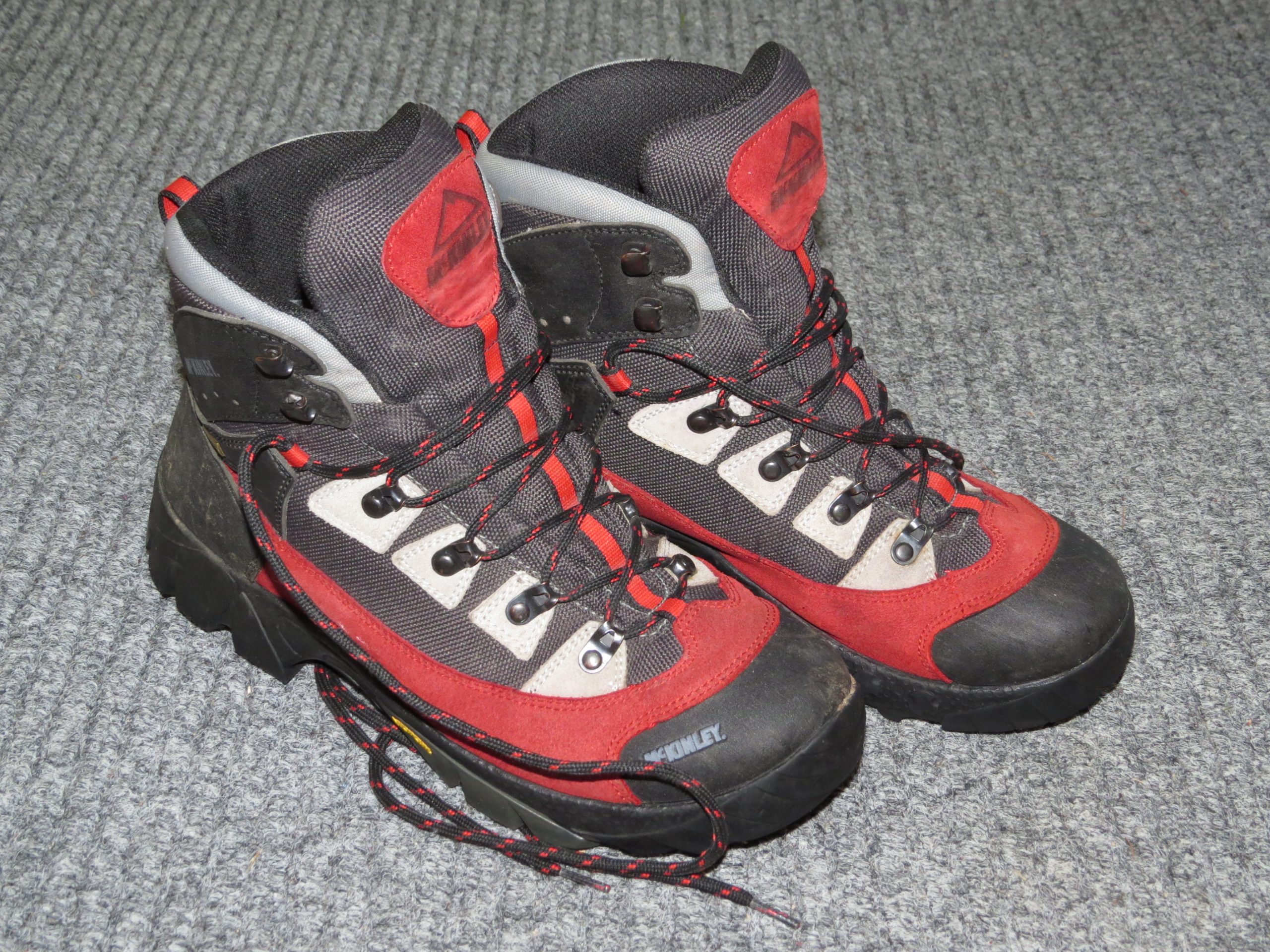
Selecting the right hiking boots is crucial for comfort, safety, and overall enjoyment on the trail. The 2026 model year brings several updates to popular men’s hiking boot lines, with new iterations of well-regarded models offering refined features and performance. This guide focuses on the latest consensus for top-performing hiking footwear, highlighting key updates and providing guidance for choosing a pair that suits your specific needs.
| Category | Top Pick (2026 Consensus) | Key Features | Approximate Weight (per pair) | Price Range | Waterproofing | Source |
|---|---|---|---|---|---|---|
| Best Overall | Salomon X Ultra 5 GTX | Contagrip TD outsole, ADV-C chassis, lightweight construction | ~760g (1 lb 10.6 oz) | $190 | Gore-Tex | Salomon |
| Best Lightweight | Hoka Anacapa 2 GTX | Vibram Megagrip outsole, extended heel geometry, comfortable cushioning | ~900g (1 lb 15.8 oz) | $185 | Gore-Tex | Hoka |
| Best Budget | Merrell Moab 3 Mid WP | M-Select DRY waterproofing, Air Cushion heel, durable construction | ~960g (2 lb 2 oz) | $115–$135 | M-Select DRY | Merrell |
| Best Backpacking | Salomon Quest 5 GTX | Stiff sole for stability, durable materials, high ankle support | ~1180g (2 lb 9.7 oz) | $230+ | Gore-Tex | Salomon |
| Best Comfort | Hoka Kaha 3 GTX | Maximal cushioning, Vibram Megagrip outsole, supportive design | ~1040g (2 lb 4.7 oz) | $225–$250 | Gore-Tex | Hoka |
| Wide Feet Option | Keen Targhee IV | Roomy toe box, KEEN.DRY waterproofing, durable build | ~680g (1 lb 8 oz) | $170 | KEEN.DRY | Keen |
Understanding Hiking Boot Categories
Hiking footwear is designed with specific trail conditions and load-carrying capacities in mind. Understanding these categories helps in narrowing down the choices to match your intended use.
Lightweight Hiking Shoes
These are often the most flexible and lightest options, resembling robust trail running shoes. They are ideal for well-maintained paths, day hikes, and situations where speed and agility are prioritized. While they offer excellent ground feel and breathability, they typically provide less ankle support and durability for rugged or off-trail adventures.
Day Hiking Boots
A versatile middle ground, day hiking boots strike a balance between support, cushioning, and durability. They usually feature mid-cut or high-cut designs to enhance ankle stability, making them suitable for moderate trails and day trips where lighter loads are carried. Their construction offers more protection than lightweight shoes without the bulk of backpacking boots.
Backpacking Boots
Engineered for extended treks and carrying heavier loads, backpacking boots are built for durability and support. They typically have stiffer soles to provide stability on uneven terrain and offer significant ankle support, which is crucial when navigating challenging landscapes with a full pack. These boots are designed to withstand the demands of multi-day trips in varied conditions.
Mountaineering Boots
The most rigid and supportive category, mountaineering boots are specialized for extreme environments, including snow, ice, and steep ascents. They often incorporate insulation for warmth, stiff soles compatible with crampons, and robust protection against harsh weather elements. These are not typically suited for general hiking.

Key Considerations for Choosing Men’s Hiking Boots
The perfect hiking boot is a blend of fit, function, and material. Several factors are critical to consider to ensure your footwear enhances, rather than hinders, your hiking experience.
Fit and Sizing: The Foundation of Comfort
An improper fit is the most common cause of discomfort and injury on the trail, leading to blisters, hot spots, and reduced enjoyment. It is recommended to try on hiking boots at the end of the day, when feet are naturally more swollen. Always wear the type of socks you intend to hike in, as thickness can significantly affect fit. Ensure there is ample room in the toe box for your toes to wiggle freely, and check for excessive heel lift—ideally less than a quarter-inch—when walking. Different brands use distinct “lasts” or foot forms, so trying various models is essential. The American Podiatric Medical Association (APMA) suggests sizing up by half a size for hiking footwear to accommodate foot swelling and thicker socks.
Waterproofing and Breathability
For hiking in wet conditions, a waterproof yet breathable membrane is essential. Technologies like Gore-Tex are widely used and meet ISO 11092 standards for water resistance, effectively keeping external moisture out while allowing internal perspiration to escape. Merrell’s proprietary M-Select DRY is a notable alternative for budget-conscious options. While waterproof boots are beneficial, it’s important to note that even the best membranes can eventually become saturated, and in very warm, dry climates, highly waterproof boots might feel less breathable.
Traction and Sole Design
The outsole’s lug pattern and rubber compound are critical for grip on various surfaces. Deep, widely spaced lugs generally provide better traction on mud and loose terrain, while a more uniform pattern can excel on rock. High-performance rubber compounds like Vibram Megagrip, found on models like the Hoka Kaha 3 GTX, and Salomon’s Contagrip TD are recognized for their excellent grip on wet rock and mud. The midsole provides cushioning and shock absorption; EVA foam is typically lighter and offers more cushioning, whereas polyurethane (PU) is firmer and more durable.
Ankle Support and Protection
The height of the boot collar directly influences ankle support. Mid-cut boots offer moderate stability, suitable for day hikes and lighter loads. High-cut boots, such as the Salomon Quest 5 GTX, provide maximum stability, which is crucial for backpacking, carrying heavy loads, or navigating rocky, uneven terrain. A stiff sole and a protective toe cap are also vital for preventing injuries from impacts with rocks and roots.
Materials and Durability
Hiking boots are constructed from various materials, each with its own advantages. Full-grain leather offers superior durability and water resistance but typically requires a longer break-in period and is heavier. Synthetic materials and split-grain leather with nylon are lighter, more breathable, and break in faster, though they may offer less longevity in extremely demanding conditions. Look for robust construction, reinforced toe caps, and quality stitching for enhanced durability.

Top Men’s Hiking Boots for 2026
The latest consensus highlights several models that continue to impress, with significant updates in the 2026 model year.
Salomon X Ultra 5 GTX: The All-Around Performer
The Salomon X Ultra line has consistently been a favorite for its blend of agility and support. The 2026 iteration, the X Ultra 5 GTX, builds on this legacy. It features Salomon’s Contagrip TD outsole for reliable traction and the ADV-C chassis for stability without sacrificing flexibility. This model is often cited as an excellent choice for day hikes and general trail use, offering a good balance of weight and support. It replaces the previous X Ultra 4 model, which is no longer listed as current in 2026 reviews.
Hoka Kaha 3 GTX: Unmatched Comfort and Cushioning
For hikers prioritizing comfort on long distances, especially during descents, the Hoka Kaha 3 GTX stands out. This boot offers maximal cushioning, significantly reducing fatigue on the joints. It features a Vibram Megagrip outsole for excellent traction and Gore-Tex waterproofing. The Kaha 3 GTX represents an update from the Kaha 2, which is likely discontinued. Its substantial cushioning makes it ideal for extended backpacking trips or for hikers who experience joint pain.
Merrell Moab 3 Mid WP: The Dependable Budget Choice
The Merrell Moab 3 Mid WP continues its reign as a top budget-friendly option, consistently praised for its out-of-the-box comfort and reliable performance. It features Merrell’s M-Select DRY waterproofing and a durable construction suitable for a wide range of trails. While it may not offer the advanced features of higher-priced boots, its value proposition is undeniable for casual hikers and those seeking a dependable, affordable boot.
Salomon Quest 5 GTX: Built for the Backcountry
When embarking on multi-day backpacking trips with heavy loads, the Salomon Quest 5 GTX is a strong contender. This boot is designed with a stiffer sole for enhanced stability on uneven terrain and features durable materials to withstand rugged use. Its high-cut design provides excellent ankle support, crucial for carrying significant weight over long distances. The Quest 5 GTX is a new model for 2026, succeeding the Quest 4.
Keen Targhee IV: A Roomy Option for Wider Feet
For hikers with wider feet, finding a comfortable and supportive boot can be challenging. The Keen Targhee IV is often recommended for its generous toe box, providing ample room for toes to splay naturally. It incorporates KEEN.DRY waterproofing and a durable build, making it a solid choice for various trail conditions.

Safety and Standards
When selecting hiking footwear, adhering to safety guidelines and understanding material standards can enhance your experience. The National Park Service (NPS) advises waterproof boots for wet terrain and emphasizes the importance of ankle support on rocky trails. Footwear fit guidelines from organizations like the APMA stress the importance of proper sizing to prevent discomfort and injury. Understanding the performance standards of waterproofing technologies, such as Gore-Tex meeting ISO 11092, provides assurance of their effectiveness in keeping feet dry.

Frequently Asked Questions
What is the difference between day hiking boots and backpacking boots?
Day hiking boots are generally lighter and more flexible, suitable for shorter trips with lighter loads. Backpacking boots are more robust, with stiffer soles and higher ankle support, designed for carrying heavier packs over longer distances and on more challenging terrain.
How do I know if my hiking boots fit correctly?
Your hiking boots should feel snug but not tight. There should be enough room in the toe box for your toes to wiggle, and your heel should not lift excessively when you walk. It’s best to try them on at the end of the day with your hiking socks.
Are waterproof hiking boots always necessary?
Waterproof boots are highly recommended for hiking in wet climates or areas prone to rain, mud, or stream crossings. However, in very hot and dry conditions, non-waterproof, highly breathable boots might be more comfortable.
How often should I replace my hiking boots?
The lifespan of hiking boots varies greatly depending on the materials, construction, and how frequently they are used and maintained. Generally, hiking boots may need replacement every 500 to 1,000 miles, or when the cushioning is compressed, the tread is worn down, or the waterproofing fails.
What is the role of the midsole in a hiking boot?
The midsole is located between the outsole and the upper and provides cushioning and shock absorption. Common materials include EVA (lighter, more cushioned) and PU (firmer, more durable). It also contributes to the boot’s overall stiffness and support.