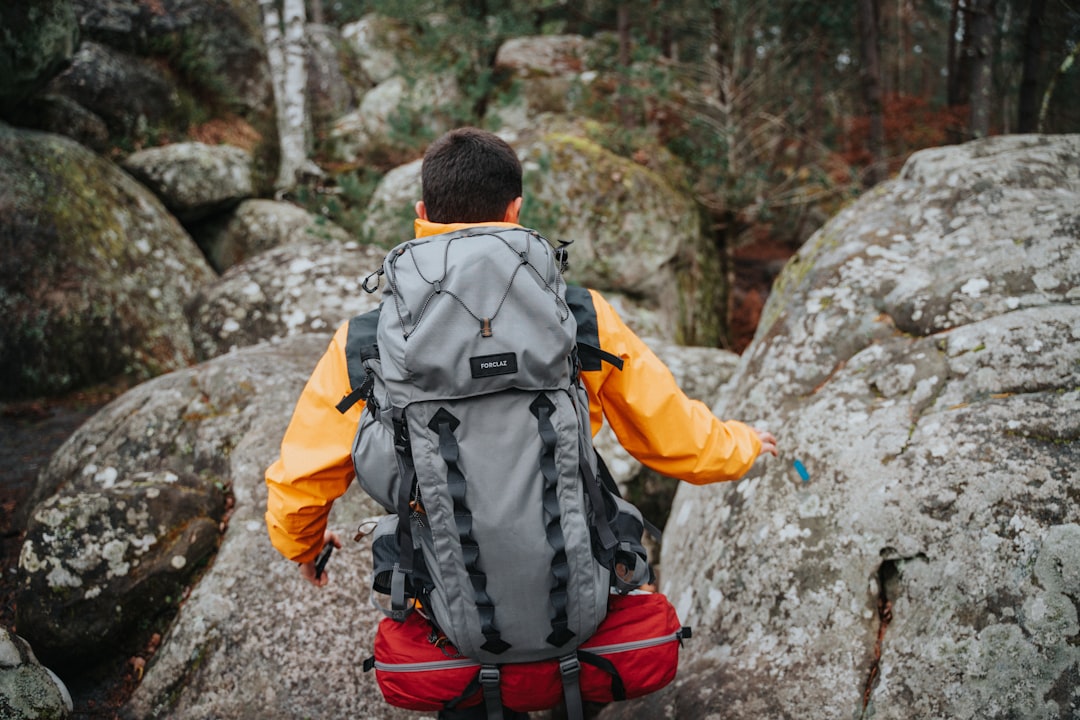
Choosing the right hiking backpack is fundamental to a comfortable and successful outdoor adventure. Whether you’re embarking on a weekend getaway, a challenging multi-day trek, or a demanding thru-hike, the pack you carry significantly impacts your experience. Modern packs are engineered with advanced materials and innovative suspension systems designed to distribute weight effectively, enhance ventilation, and provide ample storage. This guide explores some of the top hiking backpacks for 2026, highlighting their strengths and suitability for different types of adventures.
| Category | 2026 Top Pick | Capacity (Liters) | Approx. Weight (oz) | Key Features | Price Point | Source |
|---|---|---|---|---|---|---|
| Best Overall (Multi-Day) | Osprey Atmos AG 65 | 65 | ~48.3 (Men’s M) | Anti-Gravity (AG) suspension, trampoline mesh back panel, excellent load comfort | $$$ | |
| Best Overall (General Backpacking) | Osprey Kestrel 38L | 38 | N/A | Versatile for general backpacking needs | N/A | |
| Best Value | Gregory Paragon 60 / Maven 58 | 60 / 58 | ~45.2 (Men’s M for Paragon 60) | TrailFlex Adjustable System, AirCushion mesh back panel, good balance of features and cost | $$ | |
| Most Comfortable | Rab Hyperon 65 | 65 | N/A | AirCushion mesh back panel, designed for superior comfort | $$$ | |
| Lightest | Big Agnes Sweetwater UL 43 | 43 | N/A | Ultralight construction for minimal weight | $$ | |
| Best for Big Loads | Gregory Maven 58L | 58 | N/A | Engineered to handle substantial weight | N/A | |
| Best Ultralight | Rab Syclon XP 40L | 40 | N/A | Focus on minimal weight for fast and light travel | N/A | |
| Best Waterproof | Ortlieb Atrack 35L | 35 | N/A | Fully waterproof design for extreme conditions | $$$ | |
| Best First-Timer | REI Co-op Traverse 60 | 60 | N/A | User-friendly features and comfortable for new backpackers | $$ | |
| Best Budget Backpack | REI Co-op Flash 55 | 55 | N/A | Affordable option without compromising essential features | $ |
Understanding Backpack Suspension Systems
The suspension system is the heart of any hiking backpack, responsible for transferring the load from your shoulders to your hips. A well-designed system distributes weight evenly, reduces strain, and enhances comfort, especially on longer treks. Key components include the shoulder straps, hip belt, sternum strap, and the frame itself. The goal is to create a stable and comfortable carry that allows for natural movement and good ventilation.
The Anti-Gravity (AG) System
Osprey’s Anti-Gravity (AG) suspension system, featured in the Atmos AG 65, is widely recognized as a benchmark for comfort in multi-day backpacking. This system utilizes a continuous mesh panel that wraps from the top of the back panel down to the hip belt. This design creates a suspended trampoline-like effect, offering exceptional ventilation by allowing air to flow freely between your back and the pack. Furthermore, it contours to the body, providing a snug fit and effectively distributing weight, making heavy loads feel more manageable.
Other Ventilation Technologies
Beyond Osprey’s AG system, many manufacturers employ suspended mesh back panels to improve airflow. Brands like Rab also utilize AirCushion mesh, which aims to provide both comfort and breathability. These technologies are crucial for reducing heat buildup and sweat, which can significantly detract from comfort during strenuous hikes, especially in warmer conditions.

Selecting the Right Capacity
Backpack capacity, measured in liters, dictates how much gear you can carry. The appropriate size depends on the length and nature of your trip, as well as your packing style.
Multi-Day Treks (50-75 Liters)
For trips lasting several days, a larger capacity pack is generally required to accommodate food, shelter, sleeping gear, and clothing. Packs in the 60-75 liter range, such as the Osprey Atmos AG 65 or the Gregory Paragon 60, are well-suited for this purpose. These larger packs often feature more robust suspension systems to handle heavier loads effectively.
General Backpacking and Weekend Trips (30-50 Liters)
For shorter trips, overnight excursions, or general backpacking where you might not need to carry extensive gear, smaller packs are ideal. The Osprey Kestrel 38L is highlighted as a top choice for general backpacking, offering a good balance of capacity and weight for shorter adventures. The Big Agnes Sweetwater UL 43 and Rab Syclon XP 40L cater to those prioritizing ultralight or minimalist approaches within this capacity range.

Key Features to Consider
Beyond capacity and suspension, several other features contribute to a backpack’s overall performance and usability.
Durability and Materials
The materials used in backpack construction directly influence their durability and weight. High-denier nylon fabrics, ripstop weaves, and specialized materials like Dyneema Composite Fabric (DCF) are chosen for their strength and resistance to abrasion. For thru-hiking, where packs endure constant use and abuse, durability is paramount. While some ultralight packs may sacrifice some robustness for weight savings, modern designs often incorporate reinforced stress points and tough fabrics.
Weight Considerations
The weight of the backpack itself is a critical factor, particularly for long-distance hikers and thru-hikers. Lighter packs reduce overall carrying burden, but it’s essential to balance weight savings with durability and comfort. Ultralight packs, such as the Big Agnes Sweetwater UL 43 or Rab Syclon XP 40L, achieve low weights through minimalist designs and advanced materials, but may offer less padding or fewer features.
Organization and Accessibility
Thoughtful pocket placement, access points, and internal organization can significantly improve the user experience. Features like large front shove-it pockets, hip belt pockets for snacks and essentials, hydration reservoir sleeves, and sleeping bag compartments add convenience. Some packs offer top-loading designs with lid compartments, while others provide front-panel access for easier gear retrieval.
Specialized Backpacks for Specific Needs
While many backpacks aim for versatility, some excel in specific niches.
Waterproof Backpacks
For expeditions in consistently wet environments or for carrying sensitive electronics, a waterproof backpack is invaluable. The Ortlieb Atrack 35L is recognized as a top choice in this category, offering a robust, waterproof design to keep contents dry even in challenging conditions.
Packs for Heavy Loads
Carrying substantial weight requires a pack with a robust frame and suspension system capable of managing the load comfortably. The Gregory Maven 58L is noted for its ability to handle big loads, ensuring stability and weight distribution when carrying more gear. For general multi-day comfort with heavier loads, the Osprey Atmos AG 65 remains a leading contender due to its advanced suspension.
Beginner-Friendly Options
For those new to backpacking, a pack that is easy to adjust, comfortable, and offers intuitive organization can make a significant difference. The REI Co-op Traverse 60 is recommended as a solid choice for first-time backpackers, providing a good balance of comfort, features, and value.

Maximizing Comfort and Load Management
Properly packing and adjusting your backpack are as important as the pack itself for achieving comfort.
Load Distribution
Heavier items should generally be placed close to your back and centered within the pack, ideally between your shoulder blades. Lighter, bulkier items can fill the remaining space. This distribution helps maintain your center of gravity and prevents the pack from pulling backward or swaying excessively.
Maximum Load Recommendations
Manufacturers often provide recommended maximum load capacities for their packs. For a 65-liter pack like the Osprey Atmos AG 65, the recommended maximum load is typically around 40 pounds. Exceeding this limit can strain the pack’s suspension system and compromise comfort and durability.
Conclusion
The best hiking backpack for you depends on your specific needs, trip duration, and personal preferences. Whether you prioritize unparalleled comfort with the Osprey Atmos AG 65, seek a versatile all-rounder like the Osprey Kestrel 38L, or look for exceptional value with the Gregory Paragon 60/Maven 58, there are excellent options available in 2026. Always consider capacity, suspension comfort, weight, durability, and specialized features to make an informed choice that will enhance your adventures on the trail.
Frequently Asked Questions
What is the most important feature in a hiking backpack?
The most important feature is arguably the suspension system, as it dictates how comfortably and effectively the pack carries weight. A good suspension system distributes the load to your hips, reduces strain on your shoulders, and provides ventilation.
How do I choose the right backpack size?
Backpack size (capacity in liters) depends on the length of your trip. For overnight or weekend trips, 30-50 liters is usually sufficient. For multi-day trips (3-5 days), 50-75 liters is common. For extended expeditions, you might need 70+ liters.
Is a lighter backpack always better?
Not necessarily. While lighter packs reduce overall weight, they may compromise on durability, comfort (less padding), or features. For heavy loads or rugged conditions, a slightly heavier pack with a robust suspension system might be a better choice.
How much weight should I carry in my backpack?
For a 65-liter pack, a common recommended maximum load is around 40 pounds. It’s best to check the manufacturer’s specifications for your specific pack. Aim to carry only what you need to keep the total weight manageable.
What does “AG” mean in Osprey backpack names?
In Osprey backpacks like the Atmos AG 65, “AG” stands for Anti-Gravity. This refers to their proprietary suspension system designed to create a floating sensation and exceptional ventilation by using a suspended mesh back panel and hip belt.