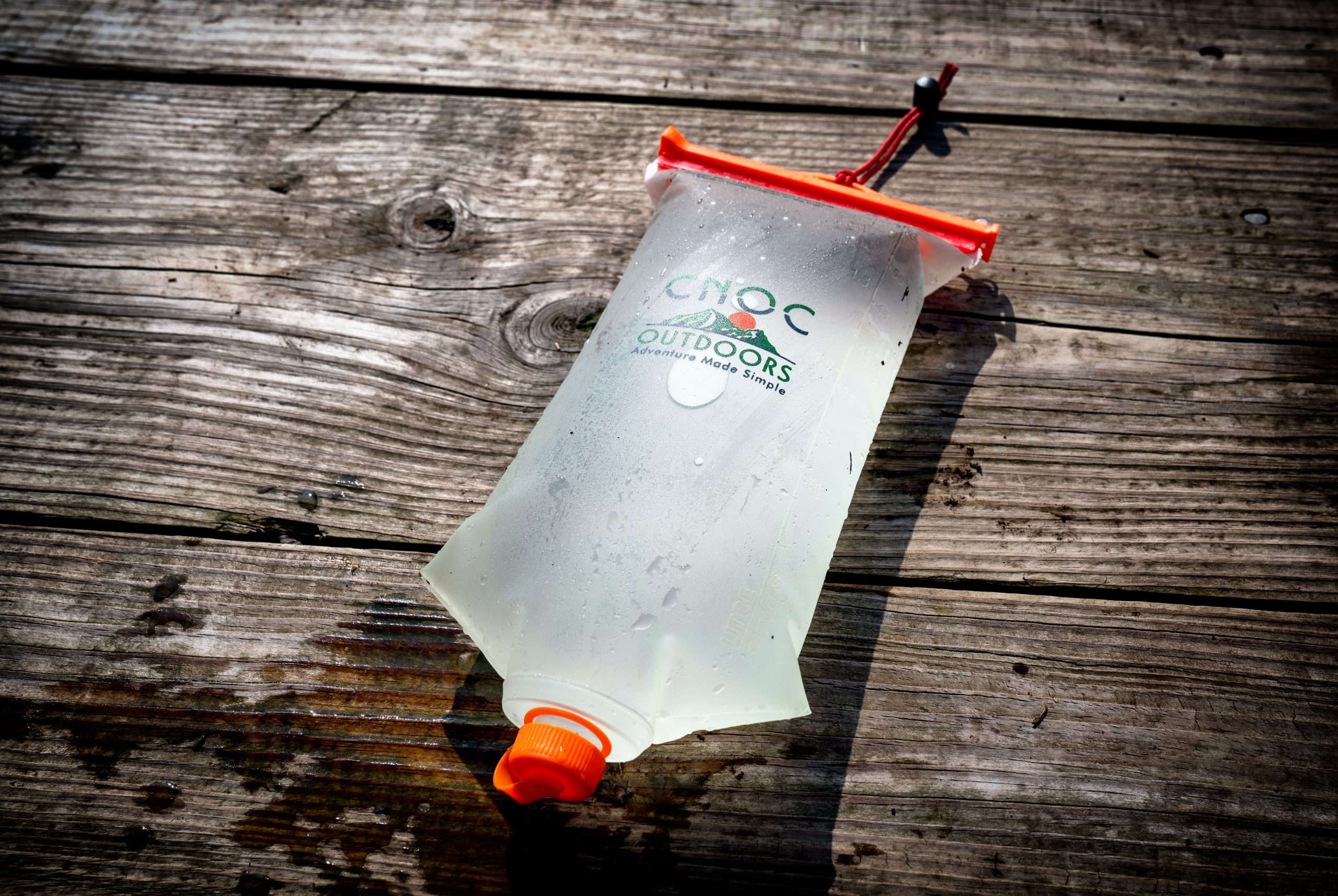
Choosing the right backpacking water filter is crucial for any outdoor adventure, ensuring access to safe drinking water from natural sources. The market offers a variety of types, each with its own strengths and ideal use cases, from lightweight squeeze filters for solo hikers to robust gravity systems for groups. Modern filters are highly effective at removing common waterborne pathogens like bacteria and protozoa, but it’s important to understand their limitations, particularly regarding virus removal.
| Product | Type | Weight | Flow Rate | Lifespan | Virus Removal? | MSRP |
|---|---|---|---|---|---|---|
| Platypus QuickDraw | Squeeze | 2.9 oz | 3 L/min | Not stated | No | $40 |
| Sawyer Squeeze | Squeeze | 3 oz | 1.5 L/min | 100,000 gal | No | $46–$65 |
| Katadyn BeFree | Squeeze | 2.3 oz (w/bottle) | 2 L/min | Not stated | No | $53 |
| Platypus GravityWorks 4L | Gravity | 11.5 oz | 1.75 L/min | 1,500 L | No | $135 |
| MSR Guardian | Pump | ~20 oz | ~1 L/min | Not stated | Yes (0.02 µm) | $400 |
| Grayl GeoPress | Press | ~12 oz | ~0.7 L/min | 250 L | Yes | ~$100 |
Understanding Backpacking Water Filters
Backcountry water sources, while often appearing pristine, can harbor harmful microorganisms. Backpacking water filters are designed to remove these contaminants, making water safe to drink. The primary types of filters available for outdoor use include squeeze filters, pump filters, gravity filters, and press filters. Each operates differently and suits various scenarios, from quick hydration stops to supplying water for a group at a campsite.
Types of Water Filters
*
Squeeze Filters:
These are lightweight and compact, relying on manual pressure to push water through a hollow-fiber membrane. They are popular for their simplicity and speed, ideal for solo hikers or small groups. Examples include the Platypus QuickDraw, Sawyer Squeeze, and Katadyn BeFree. *
Pump Filters:
These filters use a manual pump action to draw water through the filter. They are generally more robust and can handle murkier water, making them suitable for more challenging conditions or when treating larger volumes. The MSR Guardian is a notable example. *
Gravity Filters:
Designed for convenience, gravity filters use the force of gravity to move water through the filter. This requires no manual effort beyond filling the dirty water bag and waiting. They are excellent for groups or base camps where time is less critical. The Platypus GravityWorks is a leading option. *
Press Filters:
These filters combine elements of squeeze and gravity systems, often involving a pitcher-like design where water is pressed through the filter. The Grayl GeoPress falls into this category, offering a simple, integrated purification process.
Key Features to Consider
When selecting a backpacking water filter, several factors are paramount:
*
Filtration Level:
Most backpacking filters use a 0.1-micron absolute pore size, which effectively removes bacteria like *E. coli* and protozoa such as *Giardia* and *Cryptosporidium*. However, this pore size is generally too large to remove viruses. Filters that specifically claim virus removal, like the MSR Guardian or Grayl GeoPress, employ smaller pore sizes (e.g., 0.02 microns) or additional purification methods. *
Flow Rate:
This indicates how quickly the filter can process water, typically measured in liters per minute. A faster flow rate is beneficial when you need to refill quickly or are dealing with a limited water source. *
Lifespan:
Filters have a rated lifespan, indicating the total volume of water they can treat before needing replacement. This is often measured in gallons or liters. Longer lifespans translate to lower long-term costs and less frequent replacements. *
Weight and Packability:
For backpacking, minimizing weight and bulk is essential. Lighter and more compact filters are preferred for long-distance treks. *
Maintenance:
Field maintenance, such as backflushing to clear sediment and maintain flow rate, is a critical consideration. Filters that are easy to clean in the field offer greater convenience.

Top Backpacking Water Filters for 2026
The landscape of backpacking water filters is constantly evolving, with manufacturers introducing improvements in flow rate, durability, and filtration technology. Based on current offerings and user feedback, several models stand out for their performance and reliability.
Best Overall: Platypus QuickDraw
The Platypus QuickDraw has emerged as a top choice for many backpackers due to its impressive combination of features. It boasts a rapid flow rate of 3 liters per minute, significantly reducing wait times for water. Its design facilitates easy field backflushing, a crucial maintenance step for preserving flow rate and filter longevity. The durable, leak-preventing cap adds to its user-friendliness. Weighing in at a mere 2.9 ounces and priced around $40, it offers excellent performance for its cost and weight.
Best Value and Longest Lifespan: Sawyer Squeeze
The Sawyer Squeeze continues to be a benchmark for value and longevity, particularly for high-volume users. Its hollow-fiber membrane with a 0.1-micron absolute pore size is highly effective against bacteria and protozoa. The standout feature is its extraordinary rated lifespan of 100,000 gallons, making it an incredibly economical choice over time. It is compatible with standard 28-mm soda bottles, offering versatile use, and can be integrated into gravity systems. While its flow rate is typically around 1.5 liters per minute, its durability and cost-effectiveness make it a perennial favorite, with prices ranging from approximately $46 to $65.
Best Lightweight: Katadyn BeFree
For those prioritizing minimal weight, the Katadyn BeFree is an excellent option. Weighing just 2.3 ounces when including its integrated bottle, it’s designed for fast-and-light trips. The BeFree offers a fast out-of-the-box flow rate of approximately 2 liters per minute and features a filter integrated directly into the cap, allowing for one-handed drinking directly from the source or bottle. This makes it exceptionally convenient for quick hydration breaks on the move.
Best Gravity Filter: Platypus GravityWorks 4L
The Platypus GravityWorks 4L is the go-to choice for groups or solo backpackers who prefer a hands-off approach to water treatment. Its gravity-fed system requires no pumping or squeezing; simply fill the dirty water bag and let gravity do the work. It delivers a steady flow rate of about 1.75 liters per minute and has a lifespan of approximately 1,500 liters. The system includes two 4-liter bags, which can also be used for collecting water or even as solar showers, adding to its versatility.
Best for Worst Water Conditions / Purification: MSR Guardian
When dealing with potentially heavily contaminated water sources or when virus removal is a priority, the MSR Guardian stands out. It is one of the few pump filters capable of removing viruses, thanks to its 0.02-micron rating. Additionally, it utilizes activated carbon to reduce heavy metals, particulates, and improve taste. While its effectiveness is undeniable, it comes with a higher weight and a significant price tag, typically around $400.
Best Travel / Press Filter: Grayl GeoPress
The Grayl GeoPress offers a unique all-in-one solution for water filtration and purification. It effectively removes 99.99% of viruses, bacteria, and protozoa. Its activated carbon component also helps to neutralize PFAS, pesticides, and unpleasant odors, improving water taste. The press mechanism requires about 350 pushes to treat approximately 250 liters of water, making it a convenient option for travelers and backpackers who value simplicity and comprehensive purification.

Maintaining Your Water Filter
Proper maintenance is key to ensuring the longevity and performance of any backpacking water filter. Sediment and debris can clog the filter membrane, significantly reducing flow rate and potentially damaging the filter.
Preventing Clogging
For particularly silty water, pre-filtering is highly recommended. Using a bandana, a coffee filter, or a dedicated pre-filter can remove larger particles before they reach your main filter. This simple step can dramatically extend the filter’s life and maintain its flow rate.
Backflushing
Most squeeze and gravity filters require regular backflushing to clear out accumulated sediment. This process involves forcing clean water backward through the filter element. Many filters come with a syringe or adapter for this purpose. For squeeze filters like the Sawyer Squeeze or Platypus QuickDraw, backflushing can often be done using a clean water bottle or even a hydration bladder. Consistent backflushing is essential for maintaining optimal flow rates.
Winter Care
A critical maintenance point for hollow-fiber filters (common in Sawyer, Platypus, and Katadyn filters) is protecting them from freezing. When water freezes inside the filter’s microscopic pores, it can expand and crack the delicate membranes, rendering the filter ineffective and potentially unsafe. Always store your filter in a place where it won’t freeze, such as inside your sleeping bag or jacket on cold nights, or by draining it thoroughly and storing it in a dry place if not in use during freezing temperatures.

Safety and Considerations
While modern backpacking water filters are highly effective, understanding their limitations is crucial for making informed decisions about water safety in the backcountry.
Virus Removal
As mentioned, most standard backpacking filters with a 0.1-micron pore size are not designed to remove viruses. Viruses are significantly smaller than bacteria and protozoa. If you are traveling in areas known for high levels of viral contamination (e.g., downstream from human settlements or agricultural areas), you will need a filter specifically rated for virus removal, such as the MSR Guardian, or a secondary purification method like chemical treatment or UV sterilization. The U.S. Centers for Disease Control and Prevention (CDC) recommends treating water to remove viruses when traveling in many parts of the world.
Microplastics
The presence of microplastics in natural water sources is a growing concern. While most backpacking filters with a 0.1-micron pore size may physically trap some microplastic particles, formal certification for microplastic removal is not common among these devices. Official bodies like the Environmental Protection Agency (EPA) are still researching the extent of microplastic contamination and effective removal methods. For backpackers, the primary focus remains on removing biological pathogens.
Filter Lifespan and Replacement
Always be aware of your filter’s rated lifespan. Exceeding this limit means the filter may no longer be effectively removing contaminants. While some filters, like the Sawyer Squeeze, have exceptionally long lifespans, others have more modest capacities. Regularly check the manufacturer’s recommendations for lifespan and replacement.
Frequently Asked Questions
What is the difference between a filter and a purifier?
A water filter typically removes bacteria and protozoa. A water purifier removes bacteria, protozoa, and viruses. Some products combine both functions.
Do backpacking water filters remove viruses?
Most standard backpacking filters (0.1-micron pore size) do not remove viruses. Filters specifically designed for virus removal have much smaller pore sizes (e.g., 0.02 microns) or use additional purification methods.
How do I maintain my squeeze filter?
Regularly backflush your squeeze filter with clean water to maintain its flow rate and extend its lifespan. Protect it from freezing, as ice crystals can damage the filter membrane.
Can I drink water directly from a stream with a filter?
Yes, provided your filter is rated to remove the contaminants present in that specific water source. Always use a filter or purifier on natural water sources to remove harmful microorganisms.
What happens if my filter freezes?
If a hollow-fiber filter freezes, the expanding ice can crack the delicate membranes, compromising its ability to filter out bacteria and protozoa. It is recommended to protect filters from freezing temperatures.