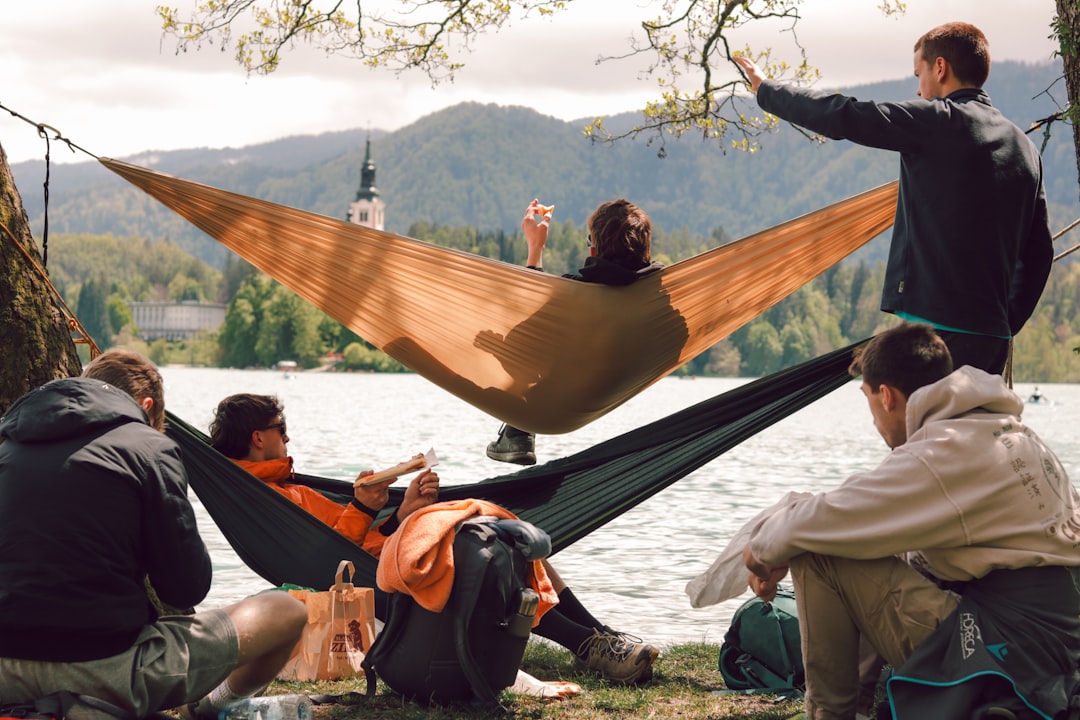
Camping hammocks offer a unique and comfortable way to experience the outdoors, providing a lightweight and low-impact alternative to traditional tents. Whether you’re a seasoned backpacker seeking to shave ounces or a casual camper looking for a relaxing spot at the campsite, the right hammock can significantly enhance your outdoor adventures. Modern camping hammocks have evolved beyond simple lounging devices, with many designed for comfortable sleeping, offering integrated bug protection, and even serving as complete shelter systems. This guide explores some of the top camping hammocks available, highlighting key features, considerations, and recommendations for various types of outdoor enthusiasts.
| Product | Key Features | Best For | Weight (approx.) | Capacity (lbs) | Notes |
|---|---|---|---|---|---|
| ENO DoubleNest | Spacious, durable 70D Nylon Taffeta, versatile | General camping, relaxing, couples | 26 oz (hammock only) | 400 | Suspension sold separately. Known for comfort and value. |
| Kammok Roo Single | Lightweight, durable material | Solo backpackers, ultralight enthusiasts | Varies (check manufacturer) | Varies (check manufacturer) | Often paired with Kammok Python suspension. |
| Kammok Mantis UL | Integrated bug net and tarp, complete shelter system | Backpackers needing an all-in-one solution | Varies (check manufacturer) | Varies (check manufacturer) | Higher price point due to integrated features. |
| Warbonnet Blackbird | Lay-flat design, integrated gear loft, durable ripstop nylon | Serious backpackers, comfortable sleeping | ~21 oz (with suspension) | 400 | Includes 25ft tree straps and gear loft. |
| ENO JungleNest | Integrated bug net, durable 70D Nylon | Areas with high insect activity | Varies (check manufacturer) | Varies (check manufacturer) | Top choice for bug protection. |
| Hennessy Ultralite Backpacker Asym Zip | Asymmetrical design, zippered bug net | Backpackers seeking unique design and bug protection | Varies (check manufacturer) | Varies (check manufacturer) | Niche option with a focus on comfort and bug-free sleep. |
| Covacure / Wise Owl | High claimed capacity, budget-friendly | Budget-conscious campers, car camping | Varies (check manufacturer) | Up to 772 (verify claim) | Verify specific weight claims on manufacturer sites. |
Choosing the Right Camping Hammock
Selecting the ideal camping hammock involves understanding your intended use and prioritizing key features. For backpackers, weight and packed size are paramount, while car campers might prioritize comfort and capacity. Essential considerations include the hammock’s material, weight capacity, dimensions, and whether it comes as a complete system or requires separate purchases for suspension, bug nets, and tarps. Always ensure your chosen hammock offers a safety margin above your expected load and that any suspension system is tree-friendly to protect natural environments.

Top Hammock Picks for 2026
The camping hammock market offers a diverse range of options, from ultralight backpacking models to spacious, comfortable setups for leisurely camping. Based on current reviews and product availability, several models stand out for their performance and features.
For Overall Comfort and Value: ENO DoubleNest
The ENO DoubleNest is a perennial favorite, celebrated for its generous size and durable construction. Made from triple-stitched 70D Nylon Taffeta, it offers ample space for one or two people, making it ideal for relaxing at the campsite or sharing with a partner. While the hammock itself provides excellent value, it’s important to note that suspension systems, such as tree straps and carabiners, are typically sold separately. This allows users to customize their setup but adds to the overall cost. The DoubleNest is a versatile choice for casual campers, backyard use, and general relaxation, balancing comfort, durability, and affordability.
For Ultralight Backpacking: Kammok Roo Single
When every ounce counts, the Kammok Roo Single emerges as a strong contender for ultralight backpackers. This hammock is designed with portability in mind, offering a comfortable resting spot without adding significant bulk to your pack. Kammok is known for its durable and lightweight materials, and the Roo line exemplifies this commitment. It’s often paired with the Kammok Python suspension system, which is also designed for low weight and ease of use. For solo hikers prioritizing a minimal gear list, the Roo Single provides a reliable and comfortable option for rest stops or overnight stays.
For Integrated Shelter Systems: Kammok Mantis UL
For backpackers who want a complete, integrated shelter solution, the Kammok Mantis UL is a standout option. This hammock system includes an attached bug net and a rain tarp, providing protection from insects and the elements in a single, streamlined package. This all-in-one design simplifies setup and reduces the number of individual components needed for a comfortable and protected camp. While the convenience and comprehensive protection come at a higher price point, the Mantis UL offers a sophisticated solution for those who value efficiency and all-weather readiness in their backcountry gear.
For Dedicated Backpacking Comfort: Warbonnet Blackbird
The Warbonnet Blackbird is frequently recommended for serious backpackers who prioritize sleeping comfort. Its design emphasizes a flat-lying position, which is crucial for a good night’s sleep in a hammock, minimizing the “banana effect” that can lead to discomfort. Constructed from durable 1.0 oz ripstop nylon, it supports a substantial weight capacity and includes features like an integrated gear loft for convenient storage of essentials. The Blackbird typically comes with generous 25-foot tree straps, ensuring a good hang in most situations and protecting tree bark. This combination of comfort-focused design, durable materials, and practical features makes it a top choice for extended backpacking trips.

Essential Hammock Accessories and Considerations
A hammock is rarely a complete camping system on its own. To ensure comfort and safety, several accessories are essential, and understanding key specifications is vital.
Suspension Systems: Hanging Safely and Responsibly
The method used to hang your hammock is critical for both your safety and the health of the environment. Tree-friendly suspension straps are a must; these are typically wide webbing straps that distribute pressure and prevent damage to tree bark. Common suspension hardware includes carabiners, whoopie slings (adjustable cordage systems), or specialized hooks. When choosing a suspension system, ensure it has a weight capacity well above your own and your gear’s combined weight. Many hammocks, like the ENO DoubleNest and Grand Trunk Ultralight, do not include suspension, so this must be factored into the purchase.
Bug Nets and Tarps: Protection from the Elements
For comfortable sleeping, especially in buggy environments or areas prone to rain, a bug net and a tarp are indispensable. Many hammocks are available with integrated bug nets, such as the ENO JungleNest or the Kammok Mantis UL, offering a streamlined solution. For hammocks without integrated nets, separate bug nets can be purchased and attached. Similarly, a rain tarp is crucial for staying dry. Tarps come in various shapes and sizes, from simple rectangular designs to more complex asymmetrical or hexagonal shapes, each offering different levels of coverage and weight. Choosing the right combination ensures you can sleep soundly regardless of insect activity or weather conditions.
Material and Durability: Nylon vs. Polyester
Most camping hammocks are constructed from nylon or polyester fabrics. Ripstop nylon is a popular choice due to its excellent strength-to-weight ratio and resistance to tearing. The “denier” (D) number indicates the fabric’s thickness and toughness; a higher denier generally means a more durable but also heavier material. For backpacking, lighter denier fabrics (like 1.0 oz ripstop nylon used in the Warbonnet Blackbird) are preferred, while heavier deniers (like 70D nylon taffeta in the ENO DoubleNest) offer increased durability for more general use. Both materials offer good breathability, though nylon can sometimes feel slightly cooler against the skin.
Length and Lay: Achieving a Flat Sleep
A critical factor for comfortable hammock sleeping is the hammock’s length and how it allows you to lie down. For sleeping, a hammock should ideally be at least 11 feet long. This length, combined with the correct hang angle, allows the user to lie relatively flat, minimizing the uncomfortable “banana effect” where the body is forced into a curved position. Hammocks like the Warbonnet Blackbird are specifically designed with geometry that promotes a flatter lay, enhancing sleeping comfort for extended trips.

Budget-Friendly and High-Capacity Options
For campers on a tighter budget or those who need exceptionally high weight capacities, brands like Covacure and Wise Owl offer compelling options. While some reviews mention extremely high claimed weight capacities, such as 772 lbs for Covacure, it is crucial to verify these specific claims directly on the manufacturer’s official product pages. These brands often provide good value, making hammock camping accessible to a wider audience. However, as with any gear, it’s wise to ensure the stated specifications meet your needs and safety requirements.

Frequently Asked Questions
What is the most important factor when choosing a camping hammock?
The most important factor depends on your intended use. For backpacking, prioritize weight and packed size. For general camping or relaxing, comfort and capacity might be more important. For sleeping, hammock length and the ability to achieve a flat lay are crucial.
Do I need a bug net and tarp for my camping hammock?
Yes, unless you are using a hammock with an integrated system like the Kammok Mantis UL. A bug net protects you from insects, and a tarp provides shelter from rain and sun, making hammock camping significantly more comfortable and practical.
How do I hang my hammock without damaging trees?
Always use tree-friendly suspension straps made of wide webbing. These distribute the pressure and prevent the straps from cutting into the bark. Avoid using rope directly around trees, as it can cause significant damage.
What is the “banana effect” in hammocks?
The “banana effect” refers to the uncomfortable, curved position your body is forced into when lying in a hammock that is too short or hung incorrectly. A longer hammock (at least 11 feet) and a proper hang angle help achieve a flatter, more comfortable lay.
Are expensive camping hammocks worth the cost?
The value of a hammock depends on its features, materials, and intended use. High-end hammocks often use lighter, more durable materials, offer superior comfort designs, and may include integrated features like bug nets and tarps, which can justify their higher price for serious users.