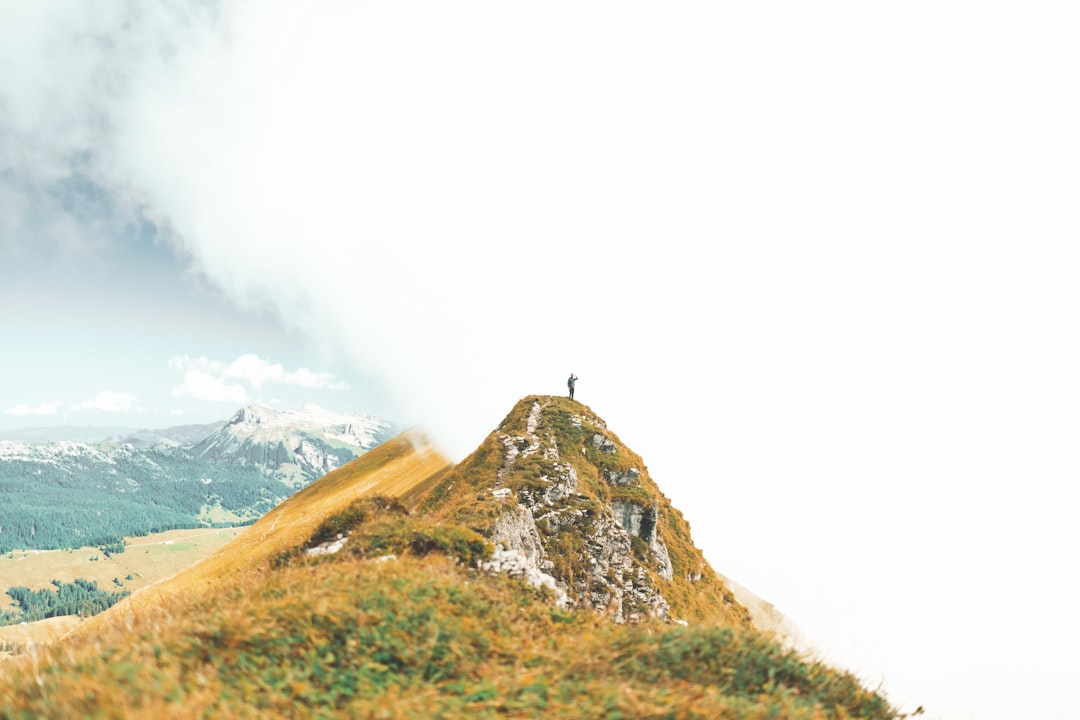
Choosing the right hiking trail can be as important as selecting the right gear. In 2026, the landscape of popular and recommended hikes has evolved, emphasizing global diversity, sustainability, and the necessity of thorough planning. Gone are the days of simple rankings; today’s best trails offer a spectrum of challenges and require careful consideration of permits, environmental impact, and personal preparedness. This guide explores some of the most compelling hiking destinations, drawing on current recommendations and highlighting essential considerations for any outdoor enthusiast.
| Trail/Region | Country | Approximate Distance | Difficulty Range | Key Features & Considerations | Recommended Gear Focus |
|---|---|---|---|---|---|
| Queenstown Gardens Loop | New Zealand | Varies | Easy | Urban park setting, scenic lake views, accessible for all fitness levels. | Comfortable walking shoes, light daypack. |
| King’s Throne Summit | Canada | Varies | Moderate to Hard | Alpine scenery, potential for elevation gain, requires good fitness. | Sturdy hiking boots, layered clothing, trekking poles. |
| Wadandi Track | Australia | Varies | Easy | Coastal path, accessible, suitable for cycling and walking. | Sun protection, comfortable footwear, water bottle. |
| Slemenova Špica | Slovenia (Julian Alps) | Varies | Moderate to Hard | Alpine meadows, rocky ascents, requires surefootedness and stamina. | Hiking boots with ankle support, rain gear, navigation tools. |
| Les Crêtes du Sancy | France | Varies | Moderate | Volcanic landscapes, panoramic views, well-maintained paths. | Layered clothing, sturdy footwear, sun protection. |
| Inca Trail | Peru | Approx. 26 miles (4 days) | Moderate to Challenging | Ancient ruins, high altitude, requires advance permits and booking. | Broken-in hiking boots, warm layers, trekking poles, water purification. |
| West Highland Way | Scotland | Approx. 96 miles (5-8 days) | Moderate | Varied terrain, iconic Scottish landscapes, long-distance trek. | Waterproof hiking boots, waterproof outer layers, navigation skills. |
| Drakensberg Grand Traverse | South Africa | Approx. 130 miles | Very Challenging | Rugged mountains, remote, requires significant endurance and navigation. | Durable hiking boots, expedition-level gear, advanced navigation. |
| John Muir Trail | USA (California) | Approx. 211 miles (10-21 days) | Challenging | Sierra Nevada wilderness, high passes, requires permits and significant planning. | Lightweight backpacking gear, bear canister, navigation tools. |
| GR20 | Corsica, France | Approx. 112 miles (15 days) | Very Challenging | Technical scrambling, steep ascents/descents, considered Europe’s toughest trek. | Sturdy hiking boots, protective clothing, helmet (recommended), navigation. |
| Overland Track | Tasmania, Australia | Approx. 40 miles (6 days) | Moderate to Challenging | Wilderness scenery, requires booking and permits during peak season. | Waterproof gear, sturdy hiking boots, navigation. |
| Arches National Park Trails (e.g., Delicate Arch) | USA (Utah) | Varies (Delicate Arch: 3.2 miles) | Easy to Moderate | Unique sandstone formations, desert environment, extreme heat in summer. | Closed-toe shoes with grip, 1 gallon water/person, sun protection. |
| Rocky Mountain National Park Trails (e.g., Emerald Lake) | USA (Colorado) | Varies (Emerald Lake: 3.2 miles) | Easy to Moderate | Alpine lakes, mountain scenery, variable weather. | Layered clothing, sturdy footwear, 2-3 L water for Emerald Lake. |
| Zion National Park Trails (e.g., Observation Point via East Mesa) | USA (Utah) | Varies (Observation Point: 7 miles RT) | Moderate to Challenging | Canyon vistas, steep ascents, desert conditions. | Hiking boots with ankle support, ample water, sun protection. |
| Grand Teton National Park Trails (e.g., Cascade Canyon) | USA (Wyoming) | Varies (Cascade Canyon: 9.5 miles to Forks) | Moderate | Mountain scenery, wildlife, potential for stream crossings. | Sturdy hiking boots, bear spray, rain gear. |
| Banff National Park Trails (e.g., Lake Agnes) | Canada | Varies (Lake Agnes: 4.6 miles RT) | Moderate | Alpine lakes, mountain views, popular routes. | Waterproof boots, layered clothing, trekking poles. |
Global Trails: A World of Adventure Awaits
The concept of “best hiking trails” in 2026 has expanded far beyond a single country or continent. Leading outdoor resources highlight a truly global selection, showcasing diverse landscapes and cultures. AllTrails, a popular trail-finding platform, features “Travel-Worthy Trails” that span continents, including the Queenstown Gardens Loop in New Zealand, King’s Throne Summit in Canada, and the Wadandi Track in Australia. These selections emphasize variety, from leisurely strolls to demanding climbs, reflecting a broad appeal for hikers of all levels. Similarly, other curated lists showcase iconic international treks like the Inca Trail in Peru, the West Highland Way in Scotland, and the Drakensberg Grand Traverse in South Africa, offering adventurers the chance to experience the world’s most breathtaking natural wonders.
This global perspective underscores a significant shift in how hiking destinations are presented and chosen. It’s no longer about finding the most challenging route within a familiar region, but about seeking out unique experiences that connect hikers with different environments and cultures. Whether it’s the dramatic peaks of the Julian Alps in Slovenia or the volcanic terrain of France’s Sancy region, the opportunities for exploration are vast and varied. This international focus encourages a more comprehensive understanding of global geography and the shared human experience of exploring the outdoors.

Planning and Permits: The New Essentials
A recurring theme in 2026 trail recommendations is the critical importance of planning, particularly regarding permits and reservations. Many of the most sought-after trails, especially those designated as “bucket-list” destinations, require significant advance preparation. AllTrails notes that several highly-rated hikes necessitate months of planning, with some even employing lottery systems for access. This is particularly true for iconic routes like the John Muir Trail in the United States and the GR20 in Corsica, where demand consistently outstrips availability.
The necessity of permits and advance booking is a direct response to increasing visitor numbers and a growing commitment to conservation. Land managers are implementing these systems to protect fragile ecosystems, manage trail erosion, and ensure a more sustainable and enjoyable experience for everyone. Hikers must diligently research the specific requirements for their chosen trail well in advance of their trip. This often involves navigating online reservation systems, understanding lottery deadlines, and securing necessary permits through official park or land management websites. Failure to do so can result in being denied access, even after traveling to the destination.

Understanding Trail Difficulty: Beyond Mileage
The definition of trail difficulty has become more nuanced, moving beyond simple distance and elevation gain. While these factors remain crucial, 2026 trail guides increasingly consider technicality, exposure, and the potential for extreme weather conditions. AllTrails, for instance, categorizes trails by fitness level, acknowledging that a trail’s challenge is subjective and depends on a hiker’s experience and physical condition. Beginner trails are typically well-maintained, shorter, and involve minimal elevation changes, making them accessible to a wide audience.
Intermediate routes often feature more sustained climbs, varied terrain, and longer distances, requiring a moderate level of fitness and some hiking experience. Expert trails, however, are reserved for seasoned hikers who possess advanced navigation skills, significant endurance, and the mental fortitude to handle challenging conditions. These can include technical scrambling, route-finding in remote areas, and exposure to extreme weather. The GR20 in Corsica, often cited as Europe’s toughest trek, exemplifies this, demanding technical skill and resilience. When selecting a trail, it’s vital to honestly assess your own abilities and thoroughly research the specific demands of the route.

Gear Considerations: Trail-Specific Needs
While comprehensive gear lists are helpful, 2026 trends emphasize selecting equipment tailored to the specific demands of a particular trail. For rocky and uneven terrain, sturdy trail runners or lightweight hiking boots with good ankle support are recommended. When navigating slickrock or desert environments, closed-toe shoes with excellent grip are paramount, with hiking boots often being the preferred choice for added protection and stability.
Daypack size is another consideration, with recommendations typically ranging from 15–30 liters for shorter hikes, and potentially up to 30 liters for longer, more demanding day treks. Hydration is critical, especially in desert climates. For instance, Arches National Park advises carrying approximately one gallon (3.8 liters) of water per person per day during summer months, emphasizing the need for electrolytes to combat heat. Navigation tools are also essential; while many trails are well-marked, carrying a downloaded map on a phone or a dedicated GPS device, alongside traditional map and compass skills, provides a crucial backup, especially on less-traveled routes. Other important items include trekking poles for descents, insect repellent for warmer months, sun protection, and a basic first-aid kit.

Sustainability and Leave No Trace Principles
In 2026, responsible outdoor recreation is not just encouraged; it’s an integral part of the hiking experience. Many leading trail recommendations actively promote Leave No Trace principles, emphasizing the importance of minimizing environmental impact. This commitment extends to highlighting trails where hikers can learn about ecological challenges, such as permafrost melt or the preservation of sensitive alpine flora.
The focus on sustainability means choosing trails that are well-managed and respecting the natural environment. This includes staying on marked paths, packing out all trash, minimizing campfire impacts, and respecting wildlife. Some trails may even incorporate educational elements about conservation efforts, further integrating environmental awareness into the hiking journey. By adhering to these principles, hikers contribute to the preservation of these beautiful landscapes for future generations, ensuring that the trails remain pristine and enjoyable.
Key Trends Shaping Hiking in 2026
Several overarching trends are shaping the hiking landscape in 2026. The first is the increasing global scope of popular trails, with destinations now spanning continents from North America and Europe to Asia, Australia, and Africa. This broadens the horizons for hikers and encourages exploration of diverse ecosystems and cultures.
Secondly, sustainability has moved to the forefront. Trails that prioritize low-impact recreation and educate hikers on environmental stewardship are gaining prominence. This reflects a growing awareness of the ecological footprint of outdoor activities.
Thirdly, advanced planning is becoming non-negotiable for many popular destinations. The need for permits, lottery entries, and advance bookings for iconic treks highlights the increasing demand for these experiences and the efforts to manage them responsibly.
Finally, the spectrum of difficulty is more widely recognized. Trails now range from gentle, accessible paths suitable for beginners to highly technical routes demanding advanced skills and endurance. This inclusivity ensures that hiking remains an activity accessible to a wide range of individuals, while still offering extreme challenges for the most experienced adventurers.
Frequently Asked Questions
What are the most important factors to consider when choosing a hiking trail in 2026?
In 2026, key factors include the trail’s difficulty rating (considering technicality, elevation, and distance), required permits or reservation systems, seasonal conditions, necessary gear, and your own physical fitness and experience level. Always check official land-manager websites for the most current information.
How much water should I carry on a hike?
Water needs vary significantly based on trail conditions, weather, and exertion. For desert hikes in summer, like those in Arches National Park, carrying approximately one gallon (3.8 liters) per person per day is recommended. For shorter, less strenuous hikes, 2-3 liters may suffice, but it’s always better to carry more than you think you’ll need.
Are permits always required for popular hiking trails?
Not always, but many highly sought-after trails, especially long-distance treks or those in national parks with high visitor numbers, do require permits or operate on a lottery system. Examples include the John Muir Trail and the Inca Trail. It is crucial to research the specific requirements for your chosen trail well in advance.
What is the difference between a daypack and a backpacking pack?
A daypack is typically smaller, ranging from 15–30 liters, and is designed for carrying essentials for a single day’s hike. A backpacking pack is larger, often 40 liters or more, and is used for multi-day trips to carry camping gear, food, and clothing.
How can I ensure I am hiking sustainably?
Follow Leave No Trace principles: plan ahead and prepare, travel and camp on durable surfaces, dispose of waste properly, leave what you find, minimize campfire impacts, respect wildlife, and be considerate of other visitors.