Choosing the right footwear for your outdoor adventures can be the difference between a triumphant trek and a painful ordeal. The debate often boils down to two primary categories: the agile trail running shoe and the robust traditional hiking boot. While both are designed for off-road excursions, their fundamental differences in weight, ankle support, and drying speed cater to distinct needs and terrain types. This article dissects these crucial aspects to help you make an informed decision.
The Core Differences: Understanding Your Options
Trail Running Shoes: Agile and Lightweight
Trail running shoes are engineered for speed and agility on varied off-road surfaces. They typically feature a low-cut design, flexible construction, and aggressive outsoles for optimal grip. Their primary focus is on minimizing weight to allow for a natural and efficient stride, mimicking the performance of road running shoes but with enhanced durability and traction for the trail.
Traditional Hiking Boots: Robust and Supportive
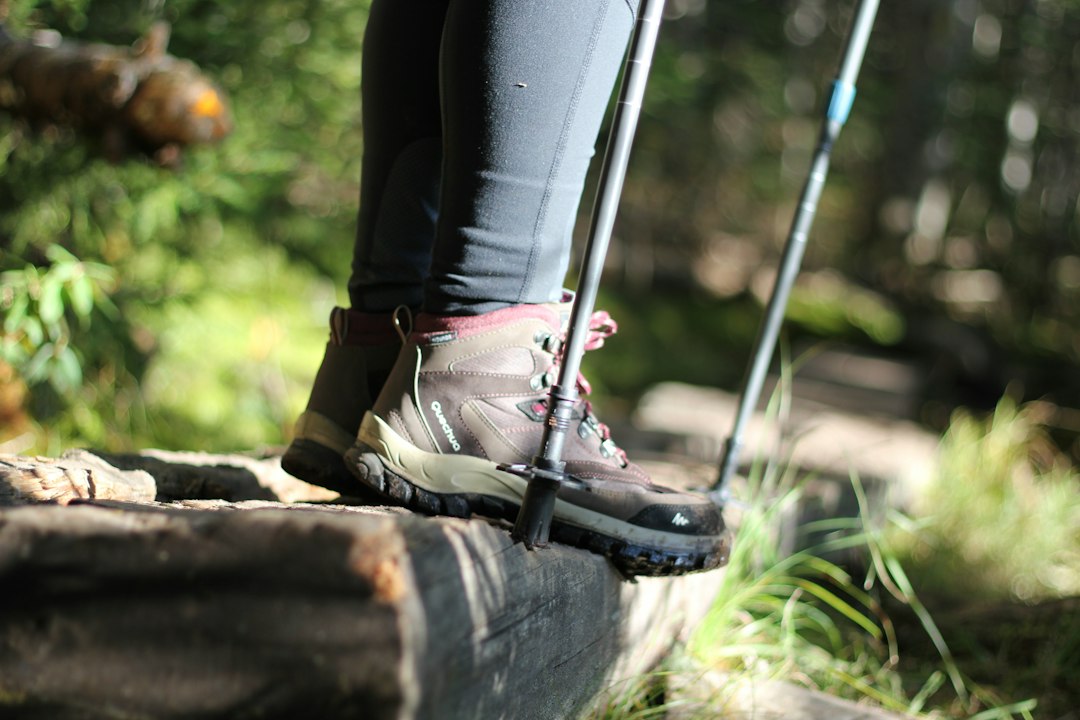
Traditional hiking boots, on the other hand, are built for durability, protection, and support, especially over long distances and challenging terrains. They often feature a mid- or high-cut design for enhanced ankle stability, stiffer midsoles for underfoot protection against rocks and roots, and more substantial cushioning. Their construction prioritizes long-term comfort and protection for the wearer carrying a heavier pack.
Weight Comparison: Foot Fatigue and Uphill Battle
| Feature | Trail Running Shoes (Approx. per pair) | Traditional Hiking Boots (Approx. per pair) |
|---|---|---|
| Weight | 0.5 – 0.8 lbs (225 – 360g) | 1.5 – 3.0 lbs (680 – 1360g) |
| Impact on Fatigue | Significantly lower, allowing for longer efforts with less energy expenditure. | Higher, especially with added pack weight, potentially leading to faster fatigue. |
| Uphill Performance | Easier to lift, promoting a quicker cadence and less strain. | Requires more effort per step due to higher mass. |
Trail Running Shoes: The Featherweight Advantage
The most significant advantage of trail running shoes lies in their minimal weight. Typically ranging from 0.5 to 0.8 pounds per pair, these shoes feel almost negligible on the feet. This lightness directly translates to reduced energy expenditure, allowing runners to maintain a higher pace for longer durations and experience less foot fatigue, particularly on longer runs or races. The reduced inertia means each step requires less effort to lift, contributing to a more efficient and dynamic stride.

Hiking Boots: The Burden of Support
Conversely, traditional hiking boots are considerably heavier, often ranging from 1.5 to 3.0 pounds per pair, sometimes even more for specialized mountaineering boots. This added weight is a direct consequence of their robust construction, which includes stiffer materials, supportive structures, and often waterproof membranes. While this weight provides necessary support and protection, it can lead to increased fatigue, especially on long-distance hikes or when ascending steep inclines. Each step demands more muscular effort to lift the heavier boot, contributing to a greater overall energy drain.
Ankle Support Showdown: Stability on Uneven Terrain
Trail Running Shoes: Flexible Support for Dynamic Movement
Trail running shoes generally offer minimal ankle support due to their low-cut design. This design choice prioritizes flexibility and a natural range of motion, which is beneficial for experienced trail runners who have developed strong ankles and good proprioception. The flexibility allows the shoe to adapt to the terrain, providing a responsive feel. However, this lack of inherent support means that less experienced hikers or those prone to ankle rolls might find them insufficient for highly technical or unstable ground.

Hiking Boots: Unwavering Stability for Demanding Trails
Traditional hiking boots, especially mid- and high-cut models, are designed to provide substantial ankle support. They encase the ankle joint, offering a rigid structure that helps prevent rolling and sprains, particularly crucial when navigating rocky, root-filled, or uneven trails, or when carrying a heavy backpack that can unbalance the wearer. This enhanced stability instills confidence on challenging terrain, though it can sometimes feel restrictive for those accustomed to more natural foot movement.
Trail Running Shoes
Pros: Extremely lightweight, enhanced agility, natural foot movement, quick drying, great for speed and distance on moderate trails.
Cons: Minimal ankle support, less underfoot protection on very technical terrain, may wear out faster than boots.
Traditional Hiking Boots
Pros: Excellent ankle support and stability, superior underfoot protection, more durable construction, better for heavy loads and very rough terrain.
Cons: Significantly heavier, can feel stiff and restrictive, slower drying times, potential for increased fatigue.
Drying Speed: When the Trail Gets Wet
Trail Running Shoes: Quick-Drying Materials for Humid Conditions
The construction of most trail running shoes utilizes breathable mesh uppers and lighter materials that allow water to drain and air to circulate freely. This means that when they inevitably get soaked from streams, puddles, or rain, they tend to dry much faster than hiking boots. This rapid drying capability is a significant advantage in warmer, humid climates or during multi-day hikes where prolonged wet feet can lead to discomfort and blisters.

Hiking Boots: The Slow Drip and Potential for Blisters
Traditional hiking boots, especially those with waterproof membranes like Gore-Tex and robust leather construction, are designed to keep water out. While this is excellent for wading through shallow water or hiking in wet conditions, it also means that once water penetrates the boot (e.g., over the cuff or through a compromised seal), it takes a considerably longer time to dry. This prolonged dampness can increase the risk of blisters, fungal infections, and general discomfort, necessitating careful management on extended trips.
Performance on Different Terrains
Rocky and Technical Trails: Boots Take the Lead
For trails characterized by sharp rocks, extensive root systems, and significant elevation changes, traditional hiking boots often prove superior. Their stiffer soles provide excellent protection against sharp objects piercing the foot, while the robust ankle support helps maintain stability on treacherous, uneven surfaces. The added weight and structure offer a secure platform, reducing the risk of injury and fatigue when carrying a heavy pack.
Smooth Paths and Forest Floors: Running Shoes Shine
On smoother, well-maintained trails, forest paths, or packed dirt surfaces, trail running shoes excel. Their lighter weight and flexibility allow for a more natural and efficient gait, promoting speed and reducing the impact on the runner’s joints. The aggressive tread patterns offer ample grip on most surfaces, and their agility makes them ideal for navigating less technical terrain where extreme ankle support is not a primary concern.
Who Should Choose Which?
The Trail Runner’s Dilemma: When to Opt for Boots
Experienced trail runners who are tackling extremely technical terrain, ultralength races with potential for severe weather, or who are prone to ankle injuries might consider a boot-like trail shoe or even a lightweight hiking boot. This is especially true if they are carrying a minimal pack for a long-distance thru-hike where durability and protection become paramount over pure speed.
The Hiker’s Choice: When Running Shoes Might Suffice
Hikers on well-maintained trails, day hikers carrying light loads, or those prioritizing speed and agility on less demanding routes might find trail running shoes perfectly adequate. Backpackers on desert trails or fast-and-light hikers who have trained their ankles and prioritize reducing weight to combat fatigue could also benefit from trail running shoes.
Key Features to Consider in Trail Running Shoes
Grip and Traction
Look for aggressive lug patterns with deep, widely spaced lugs made from sticky rubber compounds. This ensures reliable traction on varied surfaces, including mud, rock, and loose gravel.
Cushioning and Responsiveness
The midsole cushioning affects shock absorption and energy return. Trail runners often seek a balance between plush comfort for long distances and a responsive feel for quick push-offs.
Durability and Protection
While lighter, good trail running shoes still offer protective features like toe bumpers, rock plates in the midsole, and durable upper materials to withstand trail abrasion. Consider the expected lifespan based on materials and construction.
Key Features to Consider in Traditional Hiking Boots
Waterproofing and Breathability
Many hiking boots feature waterproof membranes (e.g., Gore-Tex). While effective at keeping water out, they can reduce breathability, leading to sweaty feet in warmer conditions. Non-waterproof leather or synthetic boots offer better breathability but less water protection.
Midsole and Outsole Construction
The midsole provides cushioning and support, often using EVA or PU. The outsole, typically Vibram or proprietary rubber, features deeper, more spaced lugs than road shoes for enhanced grip on uneven terrain. Shank plates within the midsole add stiffness and underfoot protection.
Lacing Systems and Fit
A secure lacing system, often with locking eyelets, is crucial for a snug fit and ankle support. The overall fit should be comfortable with ample room in the toe box to prevent jamming on descents, while the heel should remain locked to avoid blisters.
Expert Insights and Real-World Scenarios
Scenarios Where Trail Running Shoes Excel
Trail running shoes are the top choice for dedicated trail runners participating in races or logging high mileage on established trails. They are also ideal for fast-and-light day hikers, ultralight backpackers carrying minimal weight, and anyone seeking maximum agility and minimal fatigue on moderate terrain.
Scenarios Where Hiking Boots Are Non-Negotiable
For multi-day backpacking trips with heavy loads, mountaineering, extensive off-trail travel, or hiking in rugged, unpredictable conditions (e.g., scree fields, slickrock, icy patches), traditional hiking boots offer the necessary protection, stability, and durability that trail running shoes cannot match.
Making Your Final Decision: A Checklist
Assess Your Primary Activity
Are you primarily running, hiking, or backpacking? Your main activity dictates the most critical performance factors.
Consider Your Typical Trail Conditions
Do you usually encounter smooth paths, or are you frequently navigating technical, rocky, or muddy terrain? This will influence the level of support and protection needed.
Prioritize Your Needs: Weight vs. Support vs. Drying Time
Ultimately, the choice hinges on your personal priorities. If speed and minimizing fatigue are paramount on moderate trails, opt for trail running shoes. If stability, protection, and durability on challenging terrain are your main concerns, traditional hiking boots are the way to go. Consider the trade-offs in weight, ankle support, and how quickly the footwear dries based on your typical hiking or running environment and duration.
👑 Ultimate Winner: It Depends!
The “winner” between trail running shoes and traditional hiking boots is entirely dependent on the user’s specific needs, activity, and the environment. For speed-focused trail runners and light hikers on moderate terrain, trail running shoes offer unparalleled agility and reduced fatigue. However, for serious hikers and backpackers demanding maximum stability, protection, and durability on challenging, off-trail, or load-bearing excursions, traditional hiking boots remain the superior choice. Carefully evaluate your intended use to make the most effective selection.