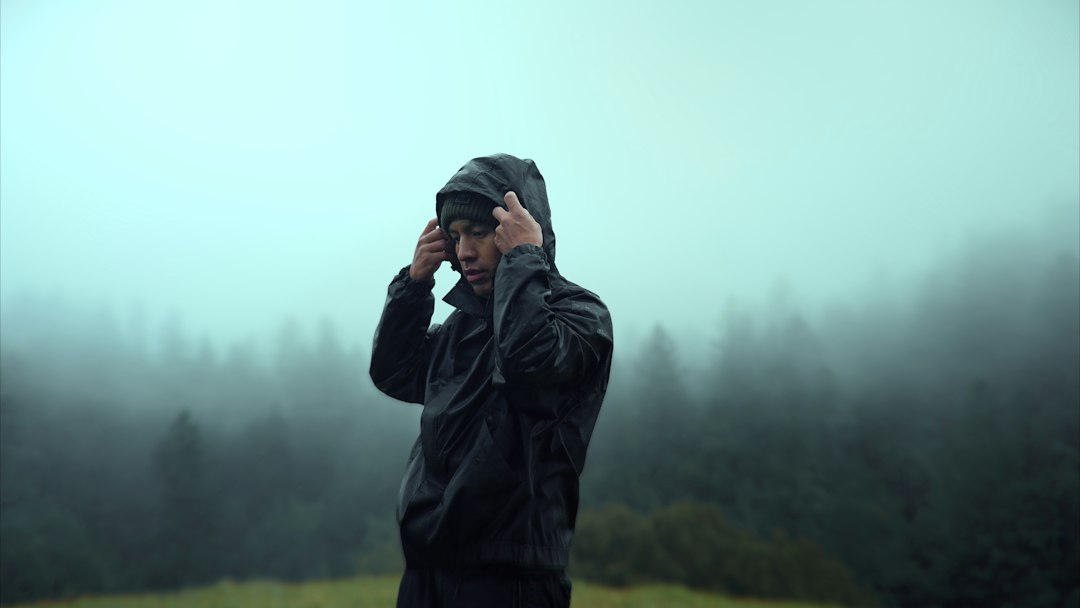
The choice between a poncho tarp and a rain jacket/pants combo for outdoor pursuits hinges on a fundamental trade-off: maximizing dry coverage versus maintaining agility, especially when navigating dense terrain. Both systems aim to shield you from the elements, but their design philosophies cater to distinct needs and scenarios. Understanding these differences is crucial for selecting the gear that best suits your intended adventures.

Understanding the Core Needs: Full-Body Coverage vs. Agility
At its heart, the decision rests on what you prioritize in adverse weather. Do you need an all-encompassing shield that also offers a temporary emergency shelter and ample room for your pack, even if it means slightly more bulk and a less tailored fit? Or do you require the unrestricted freedom of movement and minimalist profile of separate jacket and pants, prioritizing agility over maximum contiguous coverage?
Maximizing Dryness: The Case for Poncho Tarps
Poncho tarps excel at providing extensive coverage. Their design, often a large rectangle or square of waterproof material with a hood, drapes over the user and their gear. This generous cut ensures that not only your body but also your backpack, and sometimes even a small sitting area, remain protected from rain and wind. This is particularly beneficial for extended periods of stationary activity or when carrying a large expedition pack.
Unrestricted Movement: The Advantage of Rain Jackets and Pants
In contrast, rain jackets and pants offer a more articulated and body-hugging fit. This design inherently allows for greater freedom of movement, crucial for activities demanding high levels of mobility. Climbing, scrambling over rocks, navigating dense brush, or engaging in high-output activities like trail running where every ounce and movement counts, often favor the tailored, less cumbersome nature of a separate jacket and pants system.
Poncho Tarps: When to Choose Full-Body Coverage
The poncho tarp’s design lends itself to specific conditions and activities where comprehensive protection and versatility are paramount. Its large surface area and simple construction offer unique advantages that can be critical in certain outdoor environments.
Superior Rain and Wind Protection
A well-designed poncho tarp, especially one with grommets or tie-out loops along the edges, can create a surprisingly effective windbreak and rain shield. When properly deployed or worn, it minimizes the exposed surface area of both the wearer and their pack. Unlike jackets, which can leave the lower back or seat exposed when bending or sitting, a poncho offers continuous coverage. The extended coverage also means less chance of water seeping into the top of your boots or down your trousers from jacket openings.
Versatility Beyond Shelter: Poncho Tarp Applications
Beyond personal rain protection, many poncho tarps double as rudimentary shelters. They can be quickly rigged with trekking poles or trees to create a lean-to, A-frame, or other simple tent configurations, offering a dry space to cook, rest, or bivouac in an emergency. This dual-use functionality is a significant advantage for ultralight backpackers or survivalists who value multi-functional gear. Some models also feature a built-in groundsheet, further enhancing their utility as a temporary shelter.
Pack Coverage Considerations
One of the most significant benefits of a poncho tarp is its ability to cover a large backpack. This eliminates the need for a separate rain cover for your pack, saving weight and a potential point of failure. For thru-hikers or those carrying substantial loads, keeping the pack dry is as important as staying dry oneself, as a wet pack becomes heavier and can lead to gear damage. The poncho’s generous dimensions ensure even bulky packs are shielded.

Rain Jackets and Pants: Prioritizing Agility and Versatility
The distinct advantage of a rain jacket and pants system lies in its tailored fit and the freedom of movement it affords. This makes it the preferred choice for activities where dynamic motion is key and efficiency is paramount.
Freedom of Movement for Technical Terrain
Articulated knees and elbows, adjustable cuffs, and ergonomic designs allow rain jackets and pants to move with your body. This is invaluable when scrambling over rocks, climbing steep ascents, or navigating uneven, technical trails where unrestricted leg and arm movement is essential for balance and safety. The close fit also reduces the risk of snagging on branches or rocks compared to the billowy nature of some ponchos.
Layering and Breathability for Active Pursuits
Rain jackets and pants are designed to work seamlessly with other layers. You can easily add or remove insulating layers underneath to adapt to changing temperatures and exertion levels. Modern waterproof-breathable membranes (like Gore-Tex or similar technologies) in high-quality jackets and pants offer superior breathability compared to many basic poncho materials, helping to vent moisture from perspiration and reducing the clammy feeling often associated with rain gear.
Brush Scrambling and Durability
While ponchos can be vulnerable to snagging and tearing in dense brush, well-constructed rain jackets and pants, particularly those made from robust face fabrics, offer better resilience. The tailored fit means less excess material to catch on obstacles. Many hardshell jackets and pants are specifically designed with abrasion resistance in mind, featuring reinforced panels in high-wear areas, making them more suitable for off-trail bushwhacking or navigating thick undergrowth.
| Feature | Poncho Tarp (e.g., Sea to Summit Escap V2) | Rain Jacket & Pants (e.g., Outdoor Research Foray II) |
|---|---|---|
| Coverage | Full body + Backpack | Body only (Pants cover legs) |
| Weight (approx.) | 250-400g (Tarp only) | 350-500g (Jacket + Pants) |
| Packability | Very Compact | Compact |
| Agility | Moderate (can be cumbersome) | High |
| Versatility (Shelter) | High (can be rigged as shelter) | Low (personal protection only) |
| Brush Scrambling | Moderate (risk of snagging) | High (less snagging, more durable options) |
| Ventilation | Moderate (open sides) | Good to Excellent (pit zips, adjustable cuffs) |
| Durability | Varies by material; can be prone to tears | Varies by material; reinforced options available |
| Cost | $50 – $150 | $150 – $500+ (set) |
Direct Comparison: Key Differentiators
When placed side-by-side, the distinct design philosophies of poncho tarps and rain jacket/pant systems become clear. Each has its strengths and weaknesses that cater to different user needs and environmental challenges.
Weight and Packability
Generally, a lightweight poncho tarp can be lighter than a comparable jacket and pants set, especially when you factor in a separate pack cover. However, high-end minimalist rain gear can rival the weight of some larger poncho tarps. Packability is usually excellent for both, with most items compressing down to fit into a small stuff sack.
Ventilation and Breathability
This is where rain jackets and pants often have a significant edge. While ponchos offer open sides for ventilation, they can be drafty and less effective at managing internal moisture from high exertion. Modern waterproof-breathable jackets and pants with features like pit zips and highly permeable membranes offer superior control over heat and moisture buildup.
Durability and Abrasion Resistance
For activities involving significant contact with vegetation or rough surfaces, durable rain jackets and pants made from robust nylon or polyester face fabrics with reinforced panels tend to fare better than the often thinner materials used in lightweight ponchos. The close-fitting nature of jackets and pants also reduces the likelihood of snagging and tearing.
Cost-Effectiveness
Poncho tarps are typically significantly more affordable than a good quality rain jacket and pant set. This makes them an attractive option for budget-conscious individuals or those who need a versatile piece of gear for occasional use or emergency preparedness.
Setup and Deployment Speed
Putting on a poncho tarp is usually faster than donning a separate jacket and pants, especially if you have a backpack on. It’s a simple matter of pulling it over your head. Deploying it as a shelter, however, requires more time and effort than simply wearing it.

Real-World Scenarios: Which Setup Excels?
The best choice often depends on the specific context of your outdoor activities.
Backpacking and Multi-Day Treks
For traditional backpacking where pack weight is a concern but high agility isn’t the primary focus, a poncho tarp can be an excellent choice, offering full coverage and pack protection at a good price point. Ultralight backpackers might opt for a minimalist tarp or a lightweight jacket/pant combo. Those prioritizing comfort and robust protection in unpredictable, wet conditions may prefer a high-quality jacket and pants set.
Day Hiking and Trail Running
For day hikes and especially trail running, the agility and breathability of a rain jacket and pants system are usually superior. The ability to vent excess heat and move freely is critical during high-output activities. A minimalist, highly breathable jacket might suffice for trail runners, while hikers might opt for a more robust set.
Bushcraft and Survival Scenarios
In bushcraft and survival situations, the versatility of a poncho tarp is a major advantage. Its ability to serve as both personal protection and an emergency shelter, coupled with its lower cost, makes it ideal. For extensive bushwhacking, however, durable rain pants with reinforced knees and seat would be beneficial.
Travel and Urban Commuting
For travel and urban commuting, a stylish and functional rain jacket often suffices, perhaps paired with waterproof pants if significant rain is expected. The ability to quickly deploy and stow the gear, along with a less “outdoorsy” aesthetic, can be important. Poncho tarps are less common in these settings due to their bulkier appearance when worn.
Making Your Choice: Factors to Consider
Selecting the right rain protection involves a personal assessment of your needs and preferences.
Your Primary Activity
What do you primarily do outdoors? Are you scrambling up rock faces, logging miles on runnable trails, or setting up camp for extended periods?
Expected Weather Conditions
Will you be facing torrential downpours and high winds, or just light, intermittent showers? Are extreme temperatures and high exertion levels common?
Personal Comfort Preferences
Do you value unrestricted movement above all else, or do you prefer the secure, all-encompassing feeling of a poncho? How important is breathability for managing internal moisture?
Budget and Value Proposition
What is your budget? A poncho tarp offers excellent value for its versatility and coverage, while high-performance rain gear represents a significant investment but delivers superior performance in specific areas.
Expert Insights: Avoiding Common Pitfalls
Even experienced outdoors people can make mistakes when choosing rain gear. Understanding common issues can help you make a more informed decision.
Poncho Tarp Pitfalls: Snagging and Wind
The most common issues with poncho tarps are snagging on branches during bushwhacking or being caught by strong winds, which can make them difficult to manage and potentially rip them. Overheating can also be an issue if the poncho lacks adequate ventilation or if the user is highly active.
Rain Gear Pitfalls: Insufficient Coverage and Overheating
The primary drawback of jacket and pants is the potential for gaps in coverage, especially around the waist and hips when bending. If the gear isn’t adequately waterproof or if zippers aren’t fully closed, water can still seep in. Overheating is a risk if the gear lacks sufficient breathability or if the user doesn’t manage their layers effectively.
Frequently Asked Questions: Poncho Tarp vs. Rain Gear
Can a poncho tarp truly replace a rain jacket and pants for agility?
For most high-agility activities like technical climbing or fast-paced trail running, a poncho tarp is not ideal. While it offers coverage, its bulk and potential to snag can impede movement. A well-fitted rain jacket and pants offer superior freedom.
Which offers better protection in high winds?
This depends on deployment. A poncho tarp, when staked out or managed carefully, can act as a windbreak. However, in gusty conditions, a flapping poncho can be difficult to control. A well-fitted rain jacket and pants, especially if they have adjustable hoods and cuffs, tend to offer more stable protection against wind when moving.
What about insect protection?
Both systems can offer good insect protection, especially if they have adjustable hoods and cuffs that can be cinched down. Some poncho tarps are designed with mesh extensions or can be more easily integrated with head nets. The key is minimizing exposed skin.
How do they compare in terms of weight and packability?
Lightweight poncho tarps often offer a weight and packability advantage over a full jacket and pants set, especially when you consider a poncho also covers your pack. However, high-performance, minimalist rain gear can be very competitive.
When would I absolutely need both?
You might consider carrying both if you anticipate extreme conditions involving both high output activity (requiring breathability and agility from a jacket/pants) and long periods of stationary exposure or need for emergency shelter (where a tarp’s coverage and shelter capability would be beneficial). This is typically reserved for expedition-level trips or specific survival scenarios.
👑 Ultimate Winner: Based on Activity & Preference
For the majority of active outdoor enthusiasts prioritizing agility, breathability, and freedom of movement on trails and technical terrain, a high-quality rain jacket and pants set is the superior choice. Its ability to adapt to exertion levels, provide articulated movement, and resist snagging in moderate brush makes it a more versatile system for day hiking, backpacking, and trail running. However, for those who value comprehensive coverage, the dual-use potential as a shelter, exceptional pack protection, and a more budget-friendly option, particularly for stationary activities, bushcraft, or certain types of minimalist backpacking, a poncho tarp presents compelling advantages.