Start with the pitch, position, and fit
Lovell Sports is most useful when you already know the problem your kit needs to solve. The wrong soleplate can undermine an otherwise excellent football boot, while a rugby forward and a winger can reasonably want very different levels of traction, support, and weight. This guide turns the store’s broad football and rugby range into a practical decision process.
Best for: UK players and parents comparing specialist boots, training wear, club kit, and match-day accessories in one place. Main caution: do not choose footwear by colour or player endorsement before checking the surface, fit, and return conditions.
A specialist retailer cannot make the decision for you, but it can make the right comparison easier. Lovell Sports separates football boots by firm ground, soft ground, artificial grass, turf, and indoor use, and the current store offers filters for size, brand, fit, surface, and price. Rugby footwear is also organised around surfaces and performance needs. You can browse the current Lovell Sports football and rugby range while using the checks below.
This article is based on Lovell Sports’ current UK storefront and published help information. It is not a claim that Outdoor Story Lab personally tested every product shown. Models, stock, prices, delivery choices, and policies can change, so confirm the live product and checkout pages before ordering.
Choose the correct football boot for the surface
The soleplate is the first decision because it determines how the boot interacts with the ground. A fashionable upper cannot compensate for studs that are unsuitable for the pitch. Think about the surface you use most often, not the ideal pitch you occasionally play on. If your fixtures move between natural grass and modern artificial pitches, you may need two pairs rather than forcing one specialist soleplate into every session.
Firm ground
Firm-ground boots are designed for dry or moderately soft natural grass. Moulded studs distribute pressure and suit many standard grass fixtures. They are not the automatic answer for hard artificial turf or very wet, churned ground.
Soft ground
Soft-ground boots prioritise penetration and traction on wet natural grass. They commonly use longer or replaceable studs. Check league rules, stud condition, and whether the pitch is genuinely soft enough before use.
Artificial grass
Artificial-ground soleplates typically use more, shorter studs to spread load on modern synthetic pitches. Players who train mainly on 3G or 4G surfaces should look for an explicit AG designation rather than assuming every moulded boot is suitable.
Turf and indoor
Turf shoes use many small rubber lugs for short-pile synthetic surfaces, while indoor shoes use flatter non-marking outsoles for sports halls and hard courts. These are distinct categories, so verify the venue before buying.
Lovell Sports currently lists recognised football ranges such as Nike Mercurial, adidas Predator, and PUMA Future alongside other brands and price points. Treat the range name as a starting point, then use the store’s surface, size, fit, and price filters. If you are ready to compare, check the live football-boot selection and available sizes.
Football versus rugby boots: where the priorities change
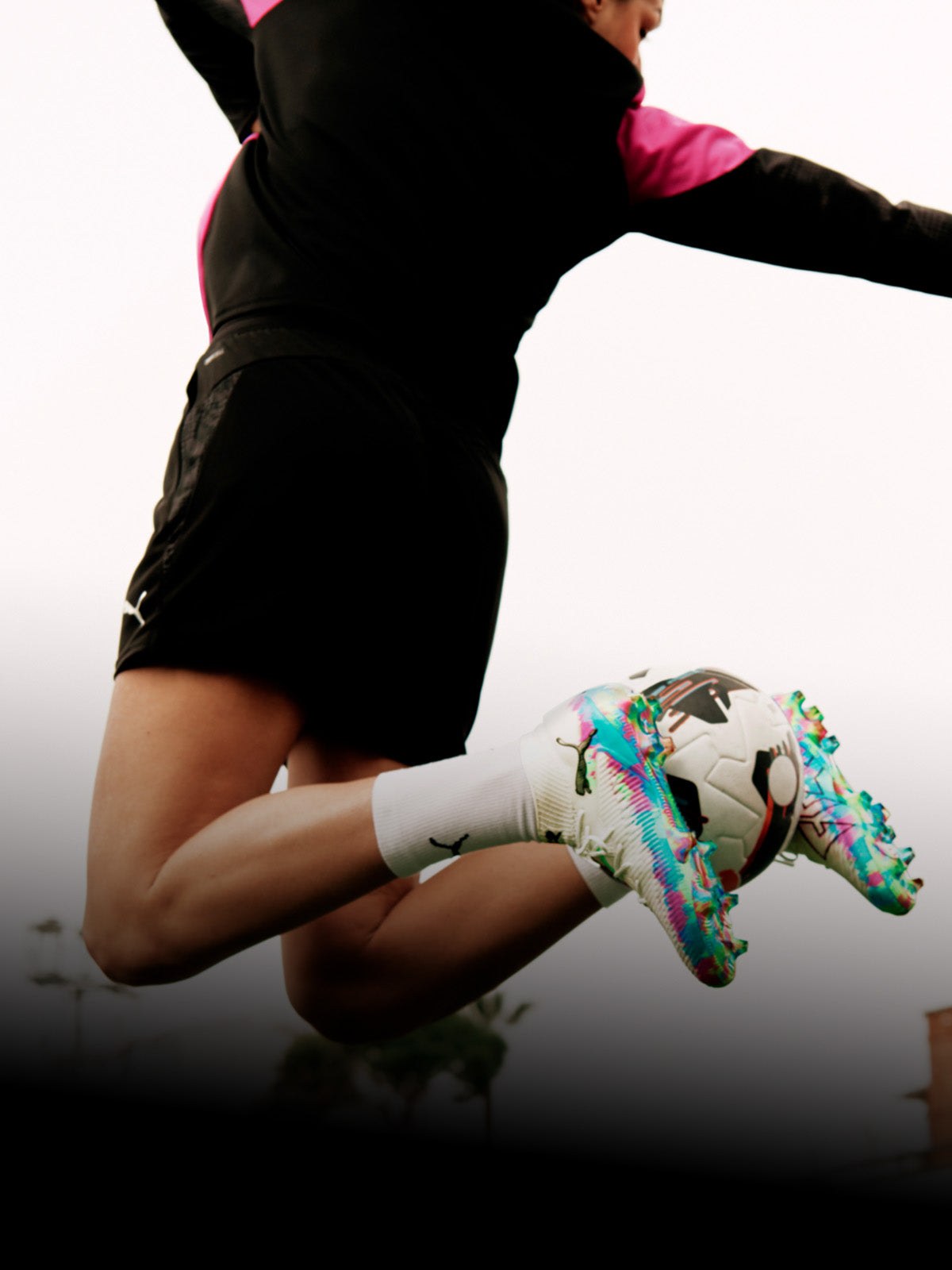
Football and rugby boots can look similar, and some models cross over, but the buying logic is not identical. Footballers often prioritise close touch, acceleration, and a locked-in but low-profile fit. Rugby players may place more emphasis on stability under contact, grip during scrums or mauls, and protection through the upper. The correct balance changes with position.
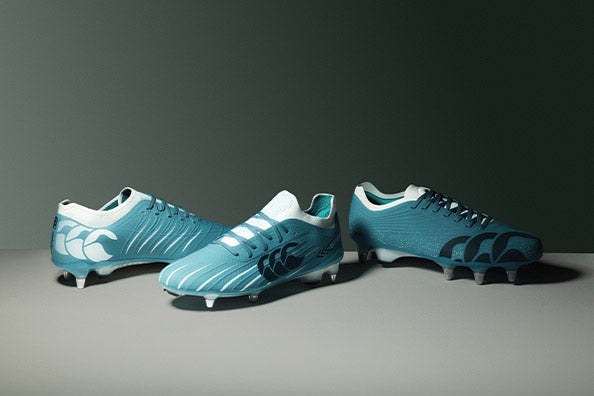
A forward who regularly packs down needs reliable traction and a stable platform. A back who attacks space may prefer a lighter boot that supports acceleration and changes of direction. Hybrid rugby boots sit between those extremes, aiming to combine power and pace. Surface still matters: Lovell Sports offers rugby footwear for firm ground, soft ground, and artificial grass, so position alone should not determine the soleplate.
Name your main surface
Start with natural grass, wet grass, artificial grass, turf, or indoor play. Do not proceed until the product page names the right surface category.
Define your movement demands
Consider straight-line speed, lateral cutting, kicking, repeated contact, and how much stability you need when force travels through the foot.
Choose support versus lightness
Forwards often lean toward grip and structure; backs commonly value reduced weight and agility. Hybrid options can suit players whose role spans both.
Check competition requirements
Inspect studs before every match and follow your league, club, school, and facility rules. A legal, well-maintained stud configuration is part of safe kit selection.
Compare Lovell Sports boots and current stock
Leather or synthetic upper?
Upper material affects feel, maintenance, weight, and how the boot changes over time. Traditional leather can feel supple and may adapt to the foot, but it usually needs more care and can absorb moisture. Modern synthetic uppers can be lighter, easier to clean, and more consistent in wet conditions. Some prioritise a thin touch on the ball; others add texture or reinforced zones.
Neither material is automatically superior. A player who values a familiar, accommodating feel may favour leather. Someone who trains frequently in poor weather may prefer a lower-maintenance synthetic. Juniors who outgrow boots quickly may place price and durability ahead of premium upper construction. Read the exact product description because material labels and blends vary between models.
When trying boots indoors, wear the same thickness of sock used for training or matches. Lace both feet, stand, jog lightly if space allows, and check heel security, toe room, and pressure across the widest part of the forefoot.
Adult and junior sizing: avoid the most expensive mistake
Brand size labels do not guarantee identical internal shape. One boot can feel narrow through the forefoot while another offers more volume over the instep. Even two ranges from the same brand may fit differently. Use the current product’s size guide and customer information rather than relying only on the number printed in an old pair.
For adult players, the goal is a secure fit without painful compression. The heel should not lift excessively, and the toes should not be curled or pressed into the front. For growing juniors, avoid buying so much extra length that the foot slides inside the boot. Excess space can reduce control and create friction. If orthotics or supportive insoles are required, check whether the supplied insole is removable and whether the boot has enough volume.
Before removing labels or using footwear outdoors, inspect the fit carefully. Lovell Sports’ standard help information currently states a 28-day return window for unwanted items after receipt, with footwear unworn, in original packaging, and the shoe box undamaged. UK ZigZag return options currently start from GBP 4.99. Seasonal extensions may apply to qualifying orders, but dates and conditions are temporary; always verify the current returns page. Use the Lovell Sports store to review current sizing, delivery, and returns details before checkout.
Build the rest of the training and match-day kit
Boots are the high-attention purchase, but a reliable kit system is built around the less glamorous items. Training tops, shorts, base layers, socks, and weather protection need to work across repeated sessions. Club or national-team shirts may be bought for play, support, or casual wear, and the intended use should shape the fit you choose.
For outdoor training, think in layers. A breathable top handles high-output work, a close base layer adds warmth without loose fabric, and a light shell helps during rain or long periods on the sideline. Goalkeepers and contact players may need position-specific gloves or protection. Juniors need kit that is simple to wash, easy to identify, and comfortable enough that it does not become a distraction.
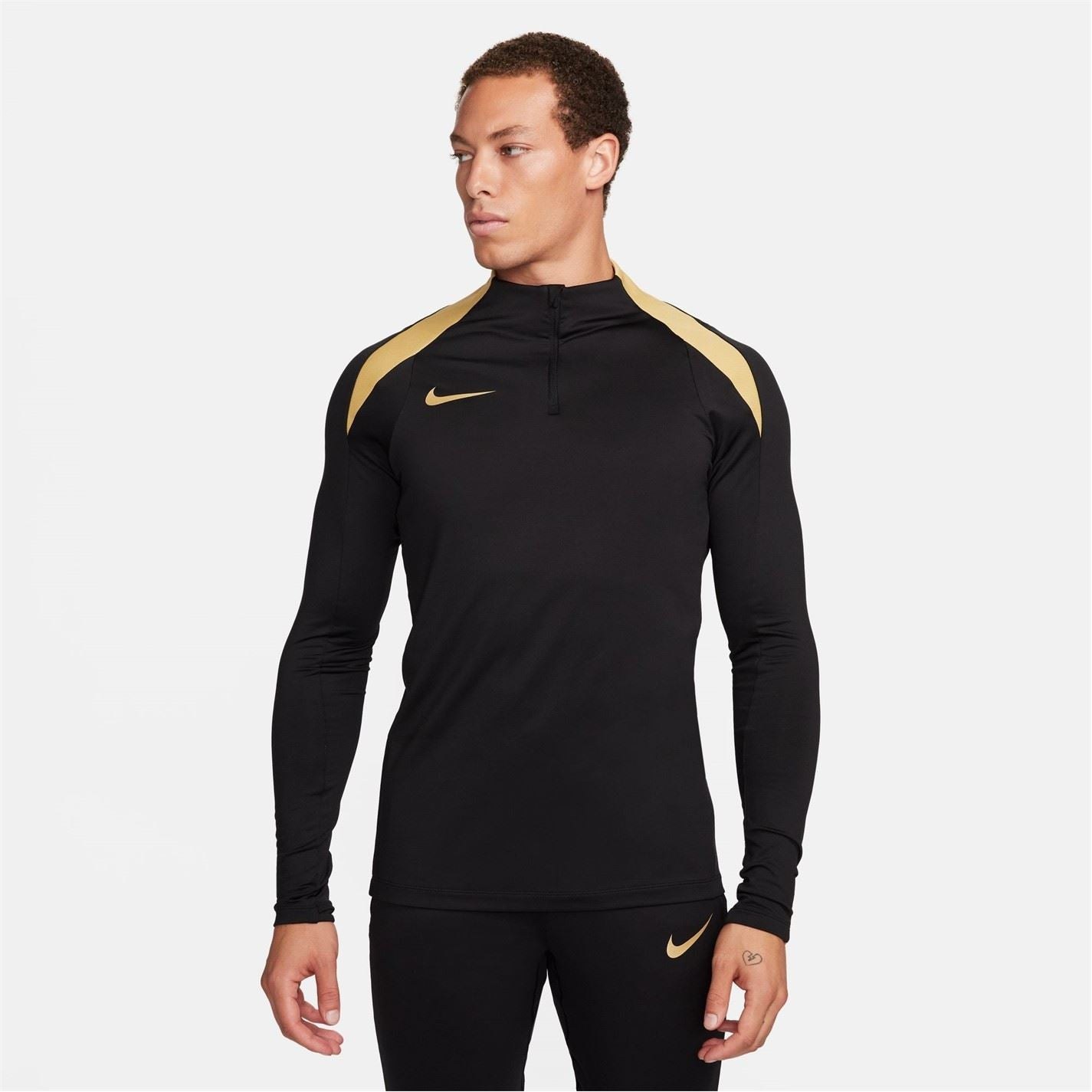
Shopping these items together can make it easier to spot gaps, but do not add accessories simply to reach a basket threshold. Start with what the next month of training and fixtures actually requires. See the current Lovell Sports training wear, kits, and accessories to build a focused list.
What to check before placing the order
Confirm the exact variant
Check adult or junior sizing, colour, surface code, width or fit description, and whether the pictured configuration matches the selected option.
Read what is included
Accessories, spare studs, stud keys, personalisation, or presentation packaging may vary. Use the product-level description rather than assumptions based on photographs.
Review delivery timing
Allow margin before a fixture, tournament, birthday, or trip. Stock status, destination, personalisation, and carrier service can affect arrival.
Protect return eligibility
Keep the shoe box and all packaging intact, test footwear only indoors, and do not remove tags until the fit and product details are confirmed.
Recheck live terms
Prices, promotions, stock, delivery charges, and returns policies can change. The merchant’s live checkout and help pages control the order.
After play, remove loose mud with a soft brush, air footwear naturally, and avoid direct heat that can damage adhesives or upper materials. Take removable insoles out when they are damp and loosen the laces so air reaches the interior. Check screw-in studs for wear and tightness with the correct tool, and replace damaged components before the next match. Keep artificial-ground footwear free of compacted rubber crumb, and wash training clothing according to its care label. A simple cleaning routine helps you notice split seams, worn studs, and damaged protection before they become a match-day problem.
Lovell Sports: strengths and limitations
What stands out
- Specialist navigation for football and rugby rather than a generic sports catalogue.
- Surface filters for FG, SG, AG, turf, and indoor footwear.
- Adult and junior options across boots, kits, training wear, and accessories.
- Recognised performance ranges plus choices at different price points.
What to keep in mind
- A large range still requires careful filtering by surface and fit.
- Boot sizing and shape can vary between brands and ranges.
- Online images cannot confirm comfort on your own foot.
- Returns cost, delivery timing, stock, and seasonal terms can change.
Frequently asked questions
Can I wear firm-ground boots on artificial grass?
Do not assume that an FG soleplate is appropriate for every artificial pitch. Surface construction and facility rules vary, and a dedicated AG boot is designed to spread load differently. Check the product designation and venue guidance.
Which rugby boots suit forwards?
Forwards commonly prioritise grip, stability, and support for contact and set pieces. The exact soleplate must still match the surface, and fit should be secure without painful pressure.
Which rugby boots suit backs?
Backs often value lower weight, acceleration, and agility. A lighter boot can make sense, but traction and foot security remain essential. Hybrid models may suit players with mixed demands.
Should junior boots have growing room?
A small, sensible allowance can accommodate growth, but too much space allows sliding and reduces control. Use the current size guide, test with match socks, and prioritise a stable heel and comfortable forefoot.
Where should I check current availability?
Use the live merchant pages for product variants, stock, price, delivery, and policy details. Open Lovell Sports and compare the latest football and rugby options.
Final verdict: choose for the game you actually play
Lovell Sports offers the depth to be useful, but the best purchase still begins away from the product grid. Identify the pitch, your position or movement pattern, the fit your foot needs, and the equipment already in your bag. Then use surface, size, fit, and price filters to narrow the store rather than browsing every colourway.
For football, soleplate comes first. For rugby, combine surface with position demands. For both, preserve the packaging and check fit indoors before committing. That process is less exciting than choosing a headline model, but it is far more likely to produce kit that works through a full season.
This article contains affiliate links. If you click a marked link and make a purchase, Outdoor Story Lab may earn a commission at no additional cost to you. Product details, prices, stock, delivery options, and return terms can change; verify the live merchant page before ordering.