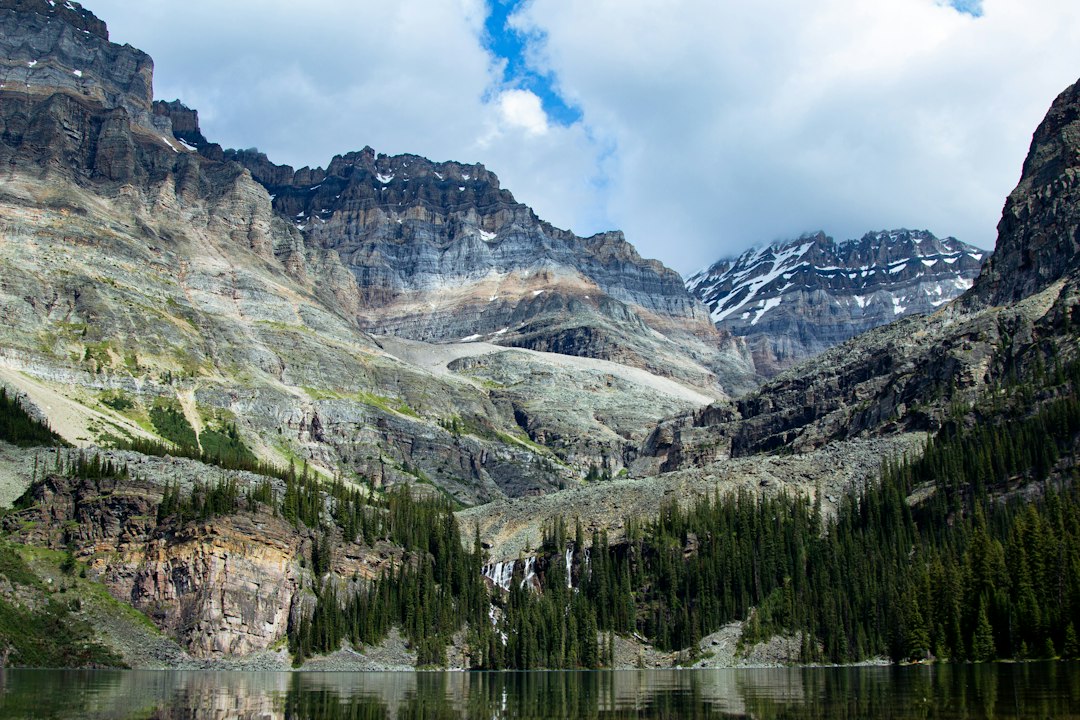
When choosing between two of North America’s most breathtaking natural treasures, Glacier National Park and Banff National Park, for your next hiking and wildlife adventure, the decision can be daunting. Both parks offer unparalleled scenic beauty, abundant wildlife, and a plethora of hiking opportunities. However, they each possess distinct characteristics that cater to different preferences. Glacier, often called the “Crown of the Continent,” boasts rugged, dramatic landscapes with a wilder, more remote feel, while Banff, the jewel of the Canadian Rockies, presents a more accessible yet equally stunning array of turquoise lakes, towering peaks, and well-established infrastructure.
This comparison will delve into the core elements that define each park’s appeal to hikers and wildlife enthusiasts: the quality and diversity of their scenic trails, the caliber and accessibility of wildlife viewing, and the complexities of their permit systems. By dissecting these crucial aspects, we aim to provide a clear, evidence-based guide to help you select the park that best aligns with your adventuring style and expectations.

The Ultimate Scenic Hike Comparison: Glacier vs. Banff
The hiking experience is paramount for many visitors to these national parks. Both Glacier and Banff offer trails that range from gentle lakeside strolls to strenuous, high-alpine ascents, each promising unforgettable vistas. Evaluating the “best” scenic hikes involves considering trail diversity, the iconic nature of the views, and the overall hiking conditions.
Glacier National Park’s Top Scenic Hikes: Crown of the Continent Trails
Glacier National Park’s trail system is renowned for its raw, untamed beauty. Hikes here often lead to glacial-carved valleys, pristine alpine lakes, and panoramic mountain viewpoints that feel truly remote. The park’s geology, sculpted by ancient glaciers, provides dramatic landscapes characterized by sharp peaks, U-shaped valleys, and extensive wildflower meadows.
Iconic trails include the Highline Trail, which traverses the Garden Wall with sheer drop-offs and expansive views; the Grinnell Glacier Trail, offering a challenging ascent to a visible glacier and its accompanying lake; and the Iceberg Lake Trail, leading to a lake known for its floating icebergs well into the summer. Many trails in Glacier involve significant elevation gain and are best suited for experienced hikers comfortable with rugged terrain and unpredictable weather. The Going-to-the-Sun Road, a marvel of engineering, provides access to many of these trailheads, but its seasonal opening and partial closures can impact accessibility.

Banff National Park’s Iconic Scenic Hikes: Jewel of the Canadian Rockies
Banff National Park, Canada’s oldest national park, is celebrated for its postcard-perfect scenery. Turquoise lakes like Lake Louise and Moraine Lake, framed by the imposing Canadian Rockies, are world-famous. The hiking trails in Banff often combine accessibility with spectacular rewards, offering views of these vibrant lakes, cascading waterfalls, and vast, ancient forests.
Key hikes include the Plain of Six Glaciers Trail from Lake Louise, which leads past glaciers and offers stunning mountain panoramas; the Lake Agnes Tea House Trail, a popular moderate hike culminating in a charming tea house overlooking Lake Louise; and the Consolation Lakes Trail near Moraine Lake, a relatively easy walk to a beautiful alpine lake. While Banff offers challenging alpine routes, it also provides a greater number of moderate and family-friendly options compared to Glacier. The park’s extensive network of gondolas and shuttles can also help bypass some of the more strenuous ascents, making its highlights more accessible to a wider range of visitors.
| Feature | Glacier National Park | Banff National Park |
|---|---|---|
| Overall Scenic Impact | Rugged, wild, dramatic, remote alpine | Iconic turquoise lakes, towering limestone peaks, classic Rockies |
| Iconic Trail Examples | Highline Trail, Grinnell Glacier, Iceberg Lake | Plain of Six Glaciers, Lake Agnes Tea House, Consolation Lakes |
| Trail Difficulty Range | Moderate to Extremely Strenuous; many high-alpine, rugged routes | Easy to Strenuous; wider range of moderate and accessible options |
| Typical Terrain | Steep ascents, scree slopes, exposed ridges, subalpine forests | Lakeside paths, forested trails, moderate mountain ascents, scree |
| Key Access Road | Going-to-the-Sun Road (seasonal, partial closures) | Bow Valley Parkway, Icefields Parkway |
Wildlife Encounters: What to Expect at Glacier and Banff
Both parks are renowned for their abundant and diverse wildlife populations, offering thrilling opportunities for observation. However, the types of animals commonly seen and the best strategies for spotting them can differ.
Glacier National Park Wildlife: Bears, Bighorns, and Beyond
Glacier is prime grizzly bear and black bear country, making it a significant draw for wildlife enthusiasts. Encounters with these powerful animals are common, particularly along the Going-to-the-Sun Road and on many popular hiking trails. Proper bear safety protocols, including carrying bear spray and making noise, are absolutely essential. Besides bears, Glacier is also home to bighorn sheep, mountain goats, moose, elk, deer, and a variety of smaller mammals and birds.
Wildlife viewing is often a matter of luck and timing, but areas around Logan Pass, Many Glacier, and along the accessible portions of trails are good places to look. Remember that maintaining a safe distance is crucial for both your safety and the animals’ well-being. Park regulations strictly prohibit feeding wildlife.

Banff National Park Wildlife: Elk, Moose, and Mountain Goats
Banff also offers exceptional wildlife viewing opportunities, though it is perhaps more famous for its larger ungulates. Elk are frequently seen, especially in the Banff townsite area and along the Bow Valley Parkway. Moose are more elusive but can be spotted in marshy areas and willow flats. Mountain goats and bighorn sheep are commonly seen on higher elevation trails and rocky slopes, particularly near the Columbia Icefield and on drives along the Icefields Parkway. Black bears and grizzly bears also inhabit Banff, though sightings might be less frequent than in Glacier, and specific areas are known for higher probabilities.
The park’s well-developed roads and visitor areas mean that wildlife can sometimes be observed from the roadside, but dedicated hiking or specific viewpoints often yield better, less intrusive encounters. As with Glacier, maintaining a safe distance and respecting wildlife is paramount. Parks Canada provides extensive information on wildlife safety and ethical viewing practices.
Glacier National Park Wildlife Pros & Cons
- Pros: High probability of seeing grizzly bears; diverse mountain fauna (bighorn sheep, mountain goats); wilder, more naturalistic viewing experiences.
- Cons: Requires heightened bear awareness and safety precautions; sightings can be unpredictable and depend heavily on trail choice and luck.
Banff National Park Wildlife Pros & Cons
- Pros: High visibility of elk and bighorn sheep; opportunities to see moose; wildlife often visible from roadsides and easier-to-access areas.
- Cons: Bears are present but sightings may be less frequent than Glacier; more developed areas can mean more human-wildlife conflict potential if not managed properly.
Permit Difficulty and Access: Navigating Your Trip to Glacier and Banff
Securing access to popular areas and trails can be a significant planning consideration for both parks, with varying permit systems in place.
Glacier National Park Permit System: Timed Entry and Trail Access
Glacier National Park employs a vehicle reservation system (timed entry) for accessing popular areas like the Going-to-the-Sun Road corridor, North Fork, and Many Glacier during peak season. This system is designed to manage visitor numbers and reduce congestion. Reservations are required in addition to the park entrance fee and must be booked in advance through Recreation.gov. Some reservations are released on a rolling basis, while others are available further in advance, leading to high demand and competition.
Additionally, certain popular trails or backcountry areas may require separate permits for overnight stays or specific activities. Hiking to Grinnell Glacier or along the Highline Trail during peak season without a vehicle reservation for the corresponding access point is not possible. This system requires meticulous planning well in advance of a trip.
Banff National Park Permit System: Parks Canada Pass and Reservations
Access to Banff National Park requires a Parks Canada Discovery Pass, which is a national park pass valid for a year across all Parks Canada administered places. This pass covers the general entry fee but does not guarantee access to specific facilities or trails that may have additional reservation requirements.
For popular areas like Lake Louise and Moraine Lake, Parks Canada has implemented a shuttle bus system. While the park pass is required for entry, booking a spot on the shuttle bus to these iconic locations is essential and often requires advance reservations, especially for Moraine Lake access, which is restricted to shuttle or bike. Some popular backcountry sites also require reservations. Compared to Glacier’s timed entry for specific corridors, Banff’s system is more focused on managing access to extremely high-demand sites via shuttle reservations, with the general park access covered by the discovery pass.
| Permit Type | Glacier National Park | Banff National Park |
|---|---|---|
| General Entry Fee | Per vehicle, valid for 7 days. | Parks Canada Discovery Pass (annual, national) or daily passes. |
| Peak Season Access | Timed entry vehicle reservations required for Going-to-the-Sun Rd, North Fork, Many Glacier. Booked via Recreation.gov. High demand. | Shuttle reservations required for Lake Louise and Moraine Lake. Moraine Lake access heavily restricted. |
| Backcountry/Overnight | Separate backcountry permits required for overnight stays. | Backcountry permits required for overnight stays in designated sites. |
| Planning Horizon | Strict advance booking essential for timed entry; can be competitive. | Advance booking recommended for shuttles, especially for Moraine Lake; Discovery Pass available anytime. |
| Overall Hassle Factor | High; requires precise timing and multiple bookings for specific areas. | Moderate; Discovery Pass is straightforward, shuttle booking needs attention for key sites. |
Key Differences and Similarities: Choosing Your Park Adventure
While both parks offer majestic mountain scenery and wildlife, their distinct characters cater to different visitor priorities.
Trail Variety and Difficulty: Glacier vs. Banff Hikes
Glacier National Park leans towards the serious hiker, with a greater proportion of its trails demanding significant physical exertion and comfort with exposure and rugged conditions. The dramatic, high-alpine nature of its terrain means that even moderate trails can present challenges. Banff, while offering its own share of strenuous climbs, provides a more balanced mix, with numerous well-maintained trails leading to iconic viewpoints that are accessible to a wider range of fitness levels. If your primary goal is summiting challenging peaks and embracing a wilder backcountry feel, Glacier might have the edge. If you prefer a mix of strenuous and moderate hikes with easily accessible, world-class scenery, Banff is arguably more accommodating.
Wildlife Viewing Opportunities: Which Park Offers More?
Both parks are wildlife powerhouses. Glacier offers a statistically higher chance of close (and potentially dangerous) encounters with grizzly bears, alongside abundant mountain goats and bighorn sheep in its alpine zones. Banff provides excellent opportunities for elk, bighorn sheep, and mountain goats, with moose sightings possible, and bears present but perhaps less frequently encountered than in Glacier. If your specific wildlife interest is primarily grizzly bears in a truly wild setting, Glacier stands out. For a broader, potentially more easily observed range of large mammals, Banff is exceptional.
Permit Hassle Factor: Planning Your Glacier or Banff Trip
Glacier’s timed entry system for its most famous road and regions adds a layer of complexity and competition that can be stressful for planners. Securing these reservations requires vigilance and often depends on luck. Banff’s system, while requiring advance shuttle bookings for its most coveted spots (Lake Louise, Moraine Lake), feels somewhat more manageable, with the annual Discovery Pass providing general access. If you prefer a more straightforward planning process with fewer potential booking bottlenecks for core access, Banff might be the less stressful option.
Expert Insights: Maximizing Your Scenic Hike and Wildlife Experience
Proper preparation is key to enjoying the incredible offerings of either park safely and effectively.
Essential Gear for Glacier National Park Hikes
Sturdy, broken-in hiking boots are non-negotiable due to rugged terrain. Layers of moisture-wicking clothing are essential, as mountain weather can change rapidly, bringing sun, rain, or even snow. Waterproof and windproof outer shells are critical. Bear spray is a mandatory safety item, along with a bear bell and knowledge of how to use them. Trekking poles can provide stability on steep ascents and descents. High-energy snacks, ample water, a map, a compass or GPS device, and sun protection (hat, sunglasses, sunscreen) are also vital. A camera is a must for the stunning scenery.
Essential Gear for Banff National Park Hikes
Similar to Glacier, good hiking footwear is paramount. Layering is key: base layers, insulating mid-layers (fleece or down), and a waterproof/windproof outer jacket. While bear spray is recommended, it’s less frequently cited as an absolute must-carry for all Banff trails compared to Glacier, though awareness is still critical. Trekking poles are highly beneficial for many trails. Carry plenty of water, high-calorie snacks, and sun protection. Insect repellent can be useful, especially near water bodies during warmer months. A Parks Canada Discovery Pass must be displayed if required for parking.
Safety Tips for Wildlife Viewing in Both Parks
Always maintain a safe and respectful distance from all wildlife – at least 100 meters (330 feet) from bears and wolves, and 25 meters (82 feet) from other animals like elk, deer, and bighorn sheep. Never feed wildlife, as it harms their health, alters their natural behavior, and increases the risk of dangerous encounters. Make noise while hiking, especially in areas with limited visibility or near streams, to avoid surprising animals, particularly bears. Carry bear spray and know how to deploy it. If you encounter an animal, remain calm, do not run, and slowly back away. Observe wildlife from designated viewing areas or pull-offs when possible. Report any aggressive animal behavior to park authorities immediately.
Your Next Adventure: Glacier National Park or Banff National Park?
The choice between Glacier and Banff hinges on your priorities for a mountain adventure. If you crave a wilder, more remote experience with a higher likelihood of grizzly bear sightings and challenging alpine hikes, and you don’t mind navigating a stringent reservation system, Glacier National Park is likely your destination. It appeals to the intrepid explorer seeking raw, untamed beauty.
Conversely, if you seek iconic, world-renowned scenery with a more balanced offering of accessible hikes, breathtaking lakes, and a slightly less complex planning process for general access, Banff National Park is an exceptional choice. It offers a grand, accessible spectacle of the Canadian Rockies suitable for a broader range of visitors.
👑 Ultimate Winner: Banff National Park
While both parks offer unparalleled natural beauty, Banff National Park edges out Glacier for its slightly more balanced accessibility, iconic and varied scenic highlights, and a more manageable, albeit still complex, permit and access system. Banff offers a broader spectrum of hiking experiences suitable for various fitness levels, stunning and globally recognized turquoise lakes, and abundant wildlife viewing opportunities that are often more readily observed without the extreme caution required in prime grizzly territory. For the average visitor seeking a spectacular, memorable, and relatively less logistically challenging mountain adventure, Banff provides a more consistently rewarding experience.