Key Differences at a Glance
Choosing between the Appalachian Trail (AT) and the Pacific Crest Trail (PCT) is a quintessential dilemma for long-distance hikers. Both are legendary thru-hikes within the American “Triple Crown” of long trails, yet they offer vastly different experiences shaped by their unique geography, climate, and challenges. The AT, cloaked in the lush forests of the Eastern United States, is characterized by its relentless, rocky ascents and dense vegetation. In contrast, the PCT traverses the dramatic, varied landscapes of the Western United States, from arid deserts to the towering granite peaks of the Sierra Nevada and the volcanic spires of the Cascades. This article delves into a head-to-head comparison of their terrain, elevation profiles, scenic grandeur, and the extreme weather hikers can expect, aiming to guide aspiring thru-hikers in selecting the trail that best aligns with their aspirations and capabilities.

Appalachian Trail: The Eastern Challenge
Stretching over 2,190 miles from Georgia to Maine, the AT is often perceived as the more traditional and perhaps more accessible of the two giants. Its reputation is built on a foundation of deep woods, constant elevation changes, and a rich history woven into the fabric of the eastern Appalachian Mountains. The trail demands a different kind of resilience—one that thrives on consistent, albeit moderate, daily challenges and a profound connection with the ancient, rolling mountains.
Pacific Crest Trail: The Western Grandeur
Spanning approximately 2,650 miles from Mexico to Canada, the PCT offers a journey through the wild, diverse, and often extreme landscapes of the American West. It crosses three major western mountain ranges: the Peninsular, Transverse, and Sierra Nevada ranges in California, and the Cascade Range in Oregon and Washington. This trail is known for its breathtaking, expansive vistas, significant elevation swings, and a greater reliance on self-sufficiency due to longer stretches between services and water sources, especially in its southern desert sections.
Terrain Analysis: Ruggedness and Footing
The physical nature of the trail underfoot is a primary differentiator. While both trails present significant physical demands, the specific characteristics of their terrain shape the hiking experience and gear requirements in distinct ways.
Appalachian Trail Terrain: Roots, Rocks, and Relentless Ascents
The AT is infamous for its rugged and often unforgiving terrain. Hikers frequently describe the trail as being “rocky and rooty.” This means navigating miles of uneven surfaces composed of embedded rocks and exposed tree roots, which can make for slow going and increase the risk of ankle injuries. The trail often follows ridgelines, leading to frequent, short, but steep climbs and descents. Unlike the long, sustained climbs of some western ranges, the AT’s elevation changes are more cumulative and persistent. The dense forest canopy means the trail is often soft underfoot in sections, but this is balanced by the constant need for careful foot placement to avoid twists and sprains. Mud is also a common feature, particularly in the spring and after heavy rains, due to the humid climate and rich soil.

Pacific Crest Trail Terrain: Deserts, Sierras, and Volcanic Peaks
The PCT’s terrain is remarkably varied. The southern section in California begins with arid desert hiking, characterized by sandy washes, rocky trails, and a notable lack of water, demanding careful planning and significant heat management. As the trail progresses north, it enters the dramatic Sierra Nevada, featuring high-altitude granite landscapes, vast meadows, and challenging passes. Here, terrain can range from smooth, sandy paths to boulder fields and snowfields, especially early in the season. The trail often traverses ridgelines at much higher elevations than the AT. Further north, through Oregon and Washington, the PCT winds through volcanic regions, national forests, and more temperate rainforests. While generally considered to have smoother tread than the AT in many sections, the PCT’s remoteness, significant elevation gains over longer distances, and potential for snow crossings present their own formidable challenges.
Elevation Profiles: Gaining and Losing Altitude
The elevation profiles of the AT and PCT paint a picture of two very different physical journeys. While both involve significant vertical gain, the nature of these climbs and the overall altitude tell a crucial part of their story.
Appalachian Trail Elevation: Cumulative Gain and Persistent Climbs
The AT features a cumulative elevation gain of approximately 476,000 feet over its 2,190 miles. While it doesn’t boast the extreme high-altitude passes of the PCT, its elevation profile is characterized by near-constant ups and downs. Hikers can expect to gain and lose elevation almost daily, often in short, steep bursts. The highest point on the AT is Mount Katahdin in Maine, reaching 5,267 feet. This constant vertical movement, combined with the rocky terrain, contributes significantly to the trail’s demanding nature, testing hikers’ endurance and leg strength through repeated exertion rather than prolonged, high-altitude ascents.
Pacific Crest Trail Elevation: Dramatic Peaks and High Passes
The PCT offers a much grander scale of elevation change, with a cumulative elevation gain estimated at over 489,000 feet across its 2,650 miles. However, the key difference lies in the altitude and the nature of the climbs. The PCT crosses numerous high mountain passes, including Forester Pass in the Sierra Nevada at 13,153 feet, which is significantly higher than any point on the AT. The trail spends a considerable amount of time at high elevations, particularly in California, Oregon, and Washington. This means hikers contend with thinner air, greater temperature fluctuations, and the potential for extreme weather, including significant snowpack well into the summer months at higher elevations. The climbs are often longer and more sustained, leading to dramatic, panoramic views from summit ridges.

Views and Scenery: A Tale of Two Trails
The aesthetic experience of hiking the AT and PCT is worlds apart, reflecting the diverse ecosystems of the eastern and western United States.
Appalachian Trail Views: Forest Canopies and Appalachian Vistas
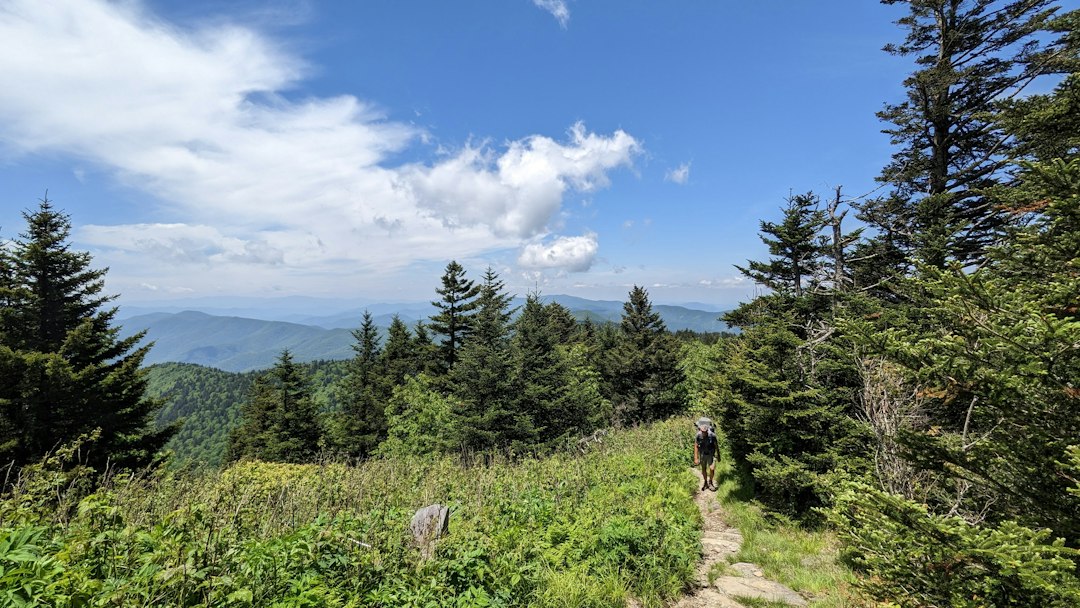
The AT is predominantly a forest hike. Hikers spend much of their time under the dense canopy of deciduous and coniferous trees, moving through rolling hills and mountain ranges that are heavily forested. While this provides a lush, green, and intimate environment, expansive, long-distance views can be less frequent compared to the PCT. However, the AT offers its own unique brand of beauty: vibrant green tunnels in summer, stunning fall foliage displays in autumn, and charming, often intimate, vistas from the numerous balds and summits. The views are often framed by trees, offering a sense of enclosure and immersion in nature. Shelters and campsites are often nestled in picturesque, wooded settings.
Pacific Crest Trail Views: Desert Blooms to Alpine Majesty
The PCT is celebrated for its epic, sweeping panoramas and dramatic scenery. Starting in the stark beauty of the southern California desert, with its Joshua trees and rugged mountains, the trail progresses through the majestic granite landscapes of the Sierra Nevada, offering views of pristine alpine lakes, towering peaks, and vast meadows. As it moves north, the scenery shifts to the volcanic cones and deep forests of the Cascades, culminating in the lush, rugged mountains of Washington. The PCT is renowned for its wide-open vistas, offering a constant sense of scale and grandeur. Hikers are treated to views that range from expansive desert horizons to breathtaking alpine cirques and panoramic mountain ranges.
Weather Extremes: Battling the Elements
Both trails expose hikers to the full force of nature, but the types of weather extremes encountered differ significantly due to their respective geographic locations and elevations.
Appalachian Trail Weather: Humidity, Thunderstorms, and Fall Colors
The AT experiences a humid continental and subtropical climate. Summers are hot and humid, with a high probability of afternoon thunderstorms, which can be particularly dangerous along exposed ridgelines. Spring and fall offer more moderate temperatures, but rain is frequent. Snowfall can occur in the northern sections during shoulder seasons and winter. The trail’s humidity contributes to an often damp environment, impacting gear and comfort. Fall, however, is a spectacular season on the AT, with the mountains erupting in a riot of color, attracting many hikers seeking this visual reward.
Pacific Crest Trail Weather: Snow, Sun, and Desert Heat
The PCT’s weather is defined by its extremes and variability, largely dictated by elevation and region. The southern desert sections bake under intense summer sun, with temperatures regularly exceeding 100°F (38°C), posing a severe risk of heatstroke and dehydration. The Sierra Nevada presents a significant winter snowpack that can linger well into July, requiring ice axe and crampon skills and potentially forcing detours or difficult snow travel. Spring and fall can bring snow at higher elevations, while lower sections might be clear. In the Pacific Northwest, hikers encounter lush forests but also frequent rain and cooler temperatures, even in summer. The PCT demands a keen awareness of changing weather patterns and a readiness to adapt to rapidly shifting conditions, from scorching heat to unexpected snow.
Which Trail is Right for You? Matching Your Preferences
The decision between the AT and PCT hinges on personal preferences regarding challenge, scenery, and risk tolerance. Understanding these differences is key to a successful and enjoyable thru-hike.
Considering Terrain Steepness and Technicality
If you prefer a consistent, albeit challenging, foot-based workout over varied but often rocky and root-filled terrain, the AT might be your calling. Its technical sections are primarily due to uneven footing rather than sheer climbs. If you’re drawn to more varied terrain, including sandy desert trails, smooth but long ascents, and potentially some boulder fields or snow crossings in the Sierras, the PCT offers a broader spectrum of technical challenges, demanding adaptability in your hiking style and equipment.
Evaluating Elevation Gain Tolerance
For hikers who can handle persistent, moderate elevation changes throughout the day without necessarily reaching extreme altitudes, the AT is a solid choice. Its thousands of feet of cumulative gain are distributed across shorter, frequent climbs. If you are interested in experiencing high-altitude environments, crossing significant mountain passes, and are comfortable with the physiological challenges of thinner air and sustained, long ascents, the PCT’s dramatic elevation profile will be a defining feature of your journey.
Prioritizing Views and Scenery
Those who relish intimate, verdant forest environments, enjoy the changing seasons deeply (especially fall colors), and appreciate the beauty of rolling mountains will find ample reward on the AT. If your dream hike involves vast, awe-inspiring panoramas, dramatic mountain ranges, desert landscapes, alpine lakes, and a constant sense of grand scale, the PCT’s diverse and breathtaking scenery will likely captivate you more.
Preparing for Weather Extremes
If you are prepared for hot, humid summers with frequent thunderstorms, and appreciate the beauty of distinct seasons, including potentially cold snaps and snow in the north, the AT’s weather patterns are manageable with appropriate gear. If you are drawn to the challenge of extreme conditions—intense desert heat, significant high-altitude snowpack requiring specialized gear and skills, and the potential for rapid weather shifts—the PCT will test your preparedness and resilience against a wider range of elemental fury.
👑 Ultimate Winner: Depends on Your Priorities
Neither trail is definitively “better”; they are simply different. The Appalachian Trail is ideal for hikers seeking a more traditional, deeply forested experience with consistent daily challenges, rich history, and stunning autumnal displays. It’s a test of endurance and mental fortitude through relentless ascents and descents on often rugged footing. The Pacific Crest Trail is for the adventurer craving epic, sweeping vistas, dramatic high-altitude landscapes, and a journey through diverse ecosystems ranging from arid deserts to alpine peaks. It demands greater self-sufficiency, technical preparedness for varied terrain and snow, and a tolerance for extreme weather conditions. Your choice should be guided by which set of challenges and which type of scenery most excites your adventurous spirit.